
Tailored Nutrition for Dogs: 70% Symptom Relief Guide
Contrary to persistent myths, grain-free diets don’t cause heart disease in dogs. Recent scientific evidence shows they actually improve digestion and reduce inflammation when properly balanced. If you’re a UK dog owner seeking optimal health for your active or sensitive breed, understanding tailored nutrition is essential. This guide reveals how breed-specific, grain-free diets deliver measurable health improvements and practical steps to implement them safely.
Table of Contents
- Introduction To Tailored Nutrition For Dogs
- Understanding Breed-Specific Nutritional Needs
- Benefits And Mechanisms Of Grain-Free Diets For Sensitive Dogs
- Common Misconceptions And Scientific Clarifications
- Comparing Tailored Grain-Free Dog Food Formulas
- How To Transition Your Dog To A Tailored Grain-Free Diet
- Summary And Practical Recommendations For UK Dog Owners
- Discover Premium Tailored Grain-Free Dog Nutrition
- Frequently Asked Questions
Key Takeaways
| Point | Details |
|---|---|
| Symptom Reduction | Tailored grain-free diets reduce gastrointestinal symptoms by up to 70% in sensitive dogs. |
| Breed Requirements | Active breeds require up to 30% more protein than less active breeds to maintain muscle mass. |
| Inflammation Control | Grain-free diets decrease blood markers of inflammation by 35% in allergy-prone dogs. |
| Heart Disease Myth | DCM is primarily caused by taurine deficiency, not grain exclusion. |
| Transition Timeline | Gradual diet changes over 7 to 10 days prevent digestive upset and improve acceptance. |
Introduction to Tailored Nutrition for Dogs
Tailored nutrition means customizing your dog’s diet based on breed characteristics, activity levels, and individual sensitivities. This approach contrasts sharply with generic one-size-fits-all formulas that ignore critical metabolic differences between breeds. UK dog owners increasingly recognize that optimal health requires more than standard kibble.
The rising interest in grain-free diets reflects growing awareness of food sensitivities and inflammation. Many dogs struggle with grain-based ingredients that trigger digestive issues or allergic reactions. Grain-free formulas eliminate these common irritants while providing complete nutrition through alternative carbohydrate sources.
Breed-specific nutritional requirements stem from distinct metabolic rates and genetic predispositions. Border Collies burn energy differently than Bulldogs. German Shepherds face different allergy risks than Labradors. Recognizing these variations allows you to match diet composition with your dog’s biological needs.
Natural, fresh ingredients matter because nutrient bioavailability depends on ingredient quality. Synthetic additives and heavily processed components provide inferior nutrition compared to whole-food sources. Your dog’s body absorbs and utilizes nutrients more efficiently from minimally processed, species-appropriate ingredients.
This guide covers essential topics to help you navigate tailored nutrition:
- Understanding metabolic differences between breeds
- Scientific mechanisms behind grain-free diet benefits
- Clearing up common misconceptions with evidence
- Comparing nutritional profiles of premium formulas
- Implementing safe diet transitions
By tailoring nutrition by age and breed, you address your dog’s unique requirements rather than hoping generic food works adequately.
Understanding Breed-Specific Nutritional Needs
Metabolic rate variations create dramatically different energy and nutrient requirements across breeds. Active working breeds like Border Collies possess faster metabolisms that demand higher caloric density and protein content. Conversely, brachycephalic breeds like Bulldogs have slower metabolic rates requiring careful calorie management to prevent obesity.

Protein needs vary substantially by activity level and muscle mass. Active breeds require up to 30% more protein to maintain muscle mass than less active breeds. This difference impacts not just quantity but also amino acid profiles needed for tissue repair and energy production.
Fat requirements follow similar patterns. High-energy breeds benefit from increased fat content for sustained energy release during prolonged activity. Lower-activity breeds need moderate fat levels to avoid excessive weight gain while still supporting cellular function and vitamin absorption.
Micronutrient needs reflect breed-specific health vulnerabilities. Large breeds require precise calcium-to-phosphorus ratios for healthy skeletal development. Breeds prone to joint issues benefit from enhanced glucosamine and chondroitin levels. Dogs with thick coats need elevated omega-3 fatty acids for skin and coat health.
Ignoring breed-specific requirements leads to predictable problems:
- Muscle loss in active breeds fed insufficient protein
- Obesity in sedentary breeds receiving high-calorie formulas
- Joint deterioration in large breeds with imbalanced minerals
- Coat quality decline in breeds needing elevated essential fatty acids
- Digestive issues in sensitive breeds fed common allergens
Scientific research validates breed-specific formulation approaches. Studies demonstrate that matching macronutrient ratios to metabolic profiles improves body condition scores, energy levels, and overall health markers. Generic formulas simply cannot optimize nutrition for such diverse physiological requirements.
Consider practical examples. A working Border Collie needs 1,800 to 2,200 calories daily with 28% to 32% protein. An adult Bulldog requires only 1,000 to 1,400 calories with 22% to 26% protein. Feeding the Bulldog like the Border Collie guarantees weight problems. Feeding the Border Collie like the Bulldog causes muscle wasting and fatigue.
Benefits and Mechanisms of Grain-Free Diets for Sensitive Dogs
Grain intolerance develops when a dog’s immune system mistakenly identifies grain proteins as threats. This triggers inflammatory cascades releasing histamines and cytokines that damage intestinal lining and cause systemic inflammation. Common grains like wheat, corn, and soy contain proteins that frequently provoke these reactions in genetically predisposed dogs.
Clinical evidence demonstrates substantial symptom relief from grain elimination. Tailored grain-free diets reduce gastrointestinal symptoms by up to 70% in sensitive dogs experiencing chronic digestive issues. This improvement includes reduced vomiting, diarrhea, gas, and abdominal discomfort within weeks of dietary change.
Inflammation markers decrease measurably on properly formulated grain-free diets. Research shows grain-free tailored diets reduce blood markers of inflammation by 35% in allergy-prone dogs. Lower inflammation translates to reduced itching, fewer skin infections, improved joint mobility, and better overall comfort.
Allergy and skin problem management represents a primary benefit of grain-free diets. Dogs suffering from chronic ear infections, hot spots, and persistent scratching often experience dramatic improvements. Eliminating grain proteins removes a major inflammatory trigger, allowing skin to heal and immune function to normalize.
Gastrointestinal health improves through multiple mechanisms:
- Reduced intestinal inflammation allows better nutrient absorption
- Elimination of allergenic proteins decreases gut permeability
- Alternative carbohydrate sources provide gentler digestion
- Higher meat content delivers more bioavailable amino acids
Coat condition often transforms within 6 to 8 weeks. Dull, brittle fur becomes shiny and soft as inflammation decreases and nutrient absorption improves. Excessive shedding typically reduces as skin health normalizes.
Pro Tip: Evaluate ingredient quality beyond simple grain exclusion. Some grain-free foods substitute low-quality legume proteins or excessive starch that defeat the purpose. Look for formulas emphasizing named meat proteins, limited ingredient lists, and functional nutrients like omega-3 fatty acids and probiotics for optimal results.
Grain-free foods reduce gut inflammation by removing irritating proteins and providing cleaner nutrient sources. This foundational improvement supports all other bodily systems. When digestion works properly, energy increases, immune function strengthens, and chronic health issues often resolve.
Understanding whether grain-free is safe for UK dogs requires examining evidence rather than accepting headlines. Properly balanced grain-free formulas provide complete nutrition without the drawbacks of grain-based alternatives for sensitive individuals.
Common Misconceptions and Scientific Clarifications
The grain-free diet and DCM heart disease link dominated headlines in recent years, creating unnecessary fear among dog owners. This misconception arose from correlation studies that failed to establish causation. Subsequent research clarified that DCM is primarily caused by taurine deficiency rather than grain exclusion itself.
Taurine deficiency occurs when diets lack sufficient levels of this essential amino acid or include ingredients that inhibit taurine absorption. Some early grain-free formulas used excessive legume content that interfered with taurine metabolism. Modern premium grain-free foods address this by ensuring adequate taurine levels and avoiding problematic ingredient combinations.
Balanced nutrition prevents taurine-related issues entirely. Quality grain-free formulas include:
- Sufficient meat-based protein providing natural taurine
- Supplemental taurine when needed for specific breeds
- Limited legume content to avoid absorption interference
- Regular testing to verify nutrient adequacy
The myth that grain-free automatically equals hypoallergenic misleads many owners. Dogs can develop allergies to any protein source, whether grain-based or not. Chicken, beef, and fish cause allergic reactions more frequently than many grains. Grain-free status alone doesn’t guarantee hypoallergenic properties.
True hypoallergenic diets require identifying and eliminating your dog’s specific allergens through elimination trials. Grain-free formulas help when grains trigger reactions but won’t resolve allergies to other ingredients. Always consider your dog’s individual sensitivities rather than assuming grain-free solves all allergy problems.
“Nutrient balance and ingredient quality matter far more than any single excluded ingredient category. A poorly formulated grain-free diet performs worse than a well-balanced grain-inclusive formula.”
The one-size-fits-all myth persists despite overwhelming evidence of breed-specific nutritional requirements. Generic formulas meeting minimum regulatory standards don’t optimize health for diverse breeds with varying metabolic rates, activity levels, and genetic predispositions. Tailored nutrition accounts for these critical differences.
Ingredient quality determines whether grain-free diets deliver promised benefits. Cheap grain-free foods often substitute grains with excessive potatoes or peas, creating different problems. Premium formulas emphasize:
- Named animal proteins as primary ingredients
- Whole-food carbohydrate sources
- Functional nutrients supporting specific health needs
- Minimal processing to preserve nutrient integrity
- Transparency about sourcing and manufacturing
Understanding these clarifications helps you evaluate grain-free options critically rather than accepting marketing claims or fear-based headlines.
Comparing Tailored Grain-Free Dog Food Formulas
Examining nutritional profiles reveals significant differences between premium tailored grain-free formulas. The comparison below shows two hypothetical UK options designed for different breed profiles.
| Nutrient Component | Active Breed Formula | Sensitive Breed Formula |
|---|---|---|
| Crude Protein | 32% | 26% |
| Crude Fat | 18% | 14% |
| Omega-3 Fatty Acids | 1.2% | 2.0% |
| Glucosamine | 800 mg/kg | 1200 mg/kg |
| Primary Protein Source | Fresh chicken, salmon | Duck, white fish |
| Carbohydrate Source | Sweet potato | Pumpkin, butternut squash |
| Caloric Density | 3,900 kcal/kg | 3,400 kcal/kg |
Active breed formulas provide elevated protein and fat to fuel high energy expenditure. The 32% protein content supports muscle maintenance during intense activity. Higher caloric density means smaller serving sizes deliver necessary energy without excessive volume that could cause digestive discomfort.
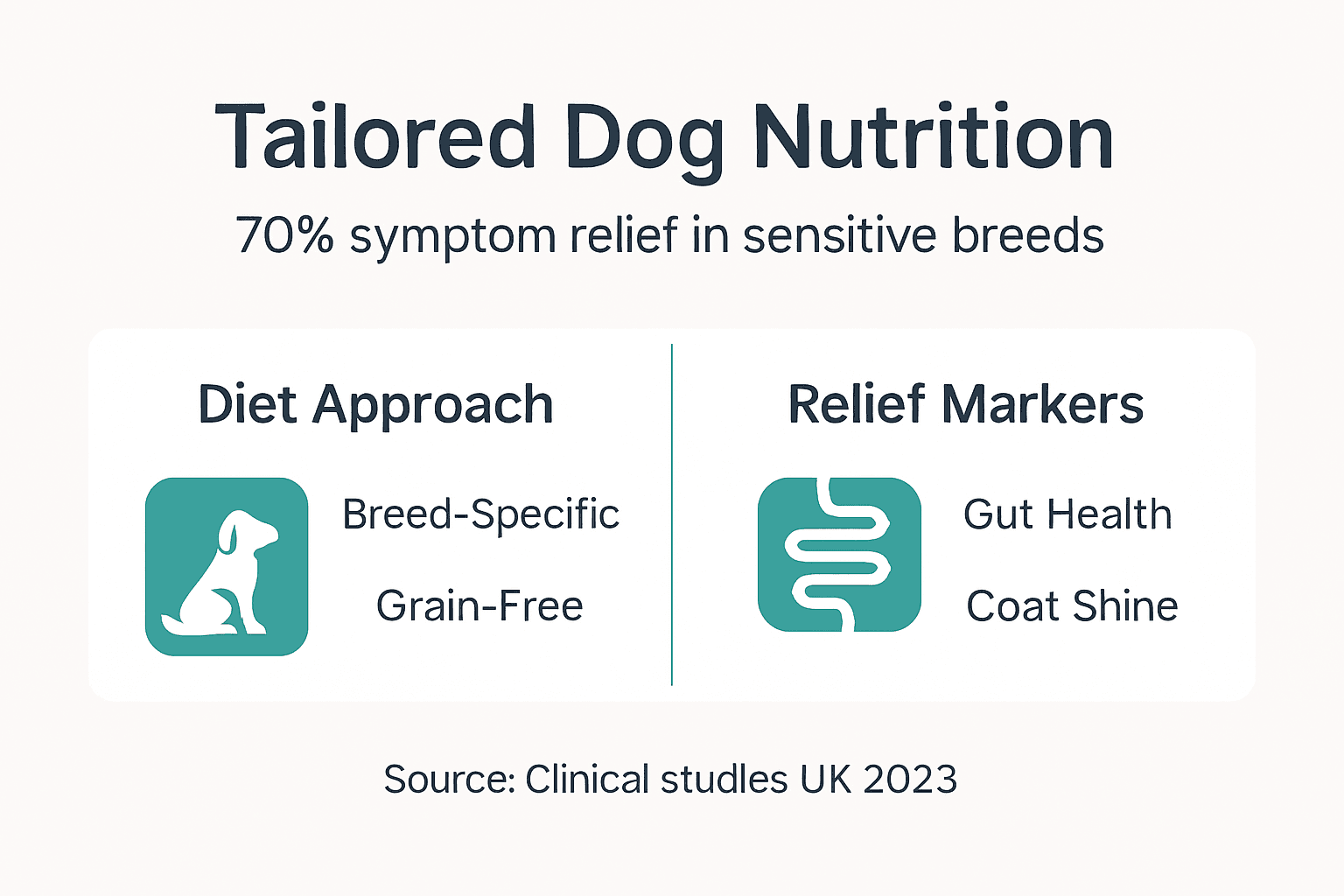
Sensitive breed formulas emphasize digestibility and anti-inflammatory nutrients. Lower protein and fat levels suit dogs with slower metabolisms or digestive sensitivities. Elevated omega-3 content addresses skin and coat issues common in allergy-prone breeds. Enhanced glucosamine supports joint health in breeds predisposed to mobility problems.
Ingredient source quality dramatically impacts digestibility and nutrient absorption. Fresh chicken and salmon provide highly bioavailable amino acids and essential fatty acids. Duck and white fish offer novel proteins less likely to trigger reactions in sensitized dogs. These differences matter when matching formula to your dog’s specific needs.
Carbohydrate selection influences digestive comfort and glycemic response. Sweet potato provides sustained energy release ideal for active dogs. Pumpkin and butternut squash offer gentler digestion with anti-inflammatory properties beneficial for sensitive digestive systems.
Functional nutrients separate premium formulas from basic options:
- Probiotics supporting gut microbiome health
- Prebiotics feeding beneficial intestinal bacteria
- Joint-supporting compounds like chondroitin
- Antioxidants protecting against cellular damage
- Essential fatty acids promoting skin and coat health
Choosing grain-free dog food naturally requires evaluating these components systematically. Consider your dog’s breed size, activity level, and any existing health concerns when comparing options.
Key criteria for quality evaluation include:
- Named animal proteins occupying top ingredient positions
- Absence of unnamed meat meals or by-products
- Limited ingredient lists indicating focused formulation
- Transparency about sourcing and manufacturing locations
- Third-party testing verification for nutrient content
- Breed or life-stage-specific formulation rationale
How to Transition Your Dog to a Tailored Grain-Free Diet
Gradual introduction over 7 to 10 days prevents digestive upset and allows gut microbiome adaptation. Abrupt diet changes cause diarrhea, vomiting, and reduced appetite because intestinal bacteria need time to adjust to new nutrient profiles.
Follow this proven transition timeline:
- Days 1 to 2: Mix 25% new food with 75% current food
- Days 3 to 4: Increase to 50% new food with 50% current food
- Days 5 to 6: Progress to 75% new food with 25% current food
- Days 7 to 10: Complete transition to 100% new food
- Monitor closely throughout for any adverse reactions
Watch for signs indicating the pace needs slowing. Loose stools, gas, or reduced appetite suggest moving too quickly. If these occur, return to the previous ratio for additional days before advancing.
Acceptance and palatability improve with proper introduction techniques. Warming food slightly enhances aroma and appeal. Mixing small amounts of low-sodium broth increases moisture and flavor. Some dogs accept new foods more readily when hand-fed initial portions.
Align transition timing with your dog’s breed and sensitivity profile. Highly sensitive dogs benefit from slower 14-day transitions. Robust breeds with no digestive history typically handle standard 7 to 10-day schedules. Very small breed dogs may need even slower introduction due to faster metabolic rates.
Pro Tip: Monitor specific health markers during transition to evaluate diet efficacy objectively. Track stool consistency, energy levels, coat appearance, and scratching frequency weekly. Photograph skin conditions before starting to document improvements. Most positive changes appear within 4 to 6 weeks, though some benefits take 8 to 12 weeks.
Transitioning to grain-free naturally requires patience and observation. Rushing the process risks rejection or digestive problems that undermine the entire effort. Dogs experiencing severe sensitivities may initially show brief worsening as their bodies detoxify from previous inflammatory triggers. This typically resolves within days.
Consult your vet before major diet changes, especially for dogs with existing health conditions. Some medical issues require specific nutrient profiles that standard grain-free formulas might not provide. Safe grain-free transition strategies always account for individual health status.
Keep detailed notes throughout transition. Record daily food amounts, any treats given, elimination patterns, and behavioral changes. This documentation helps identify patterns if problems arise and provides valuable information for veterinary consultations.
Summary and Practical Recommendations for UK Dog Owners
Tailored grain-free nutrition delivers measurable health improvements for UK dogs when properly implemented. The 70% reduction in gastrointestinal symptoms and 35% decrease in inflammation markers represent substantial quality-of-life enhancements. These benefits stem from eliminating allergenic proteins, providing superior nutrient bioavailability, and matching diet composition to breed-specific requirements.
Use this checklist when selecting breed-specific grain-free foods:
- Verify named animal proteins occupy first three ingredient positions
- Confirm protein and fat percentages match your dog’s activity level
- Check for breed-appropriate caloric density
- Look for functional nutrients addressing your dog’s health concerns
- Ensure taurine adequacy through meat content or supplementation
- Evaluate carbohydrate sources for digestibility and glycemic impact
- Verify absence of common allergens if your dog has sensitivities
- Confirm manufacturing standards and quality testing protocols
Monitoring and adapting diet over time maintains optimal results. Your dog’s nutritional needs shift with age, activity changes, and health status. Senior dogs require adjusted protein levels and joint support. Weight changes demand caloric recalibration. New health issues may necessitate formula modifications.
Regular health assessments help you stay ahead of problems:
- Quarterly weight checks to catch trends early
- Monthly coat quality evaluation for shine and texture
- Weekly stool consistency monitoring
- Daily energy and appetite observation
- Annual veterinary blood work to verify nutritional adequacy
Consult veterinarians familiar with nutritional management for personalized guidance. Not all vets receive extensive nutrition training, so seek practitioners who stay current with canine dietary research. Quality natural ingredient sources form the foundation of successful tailored nutrition.
Finding premium UK tailored dog food options requires research beyond marketing claims. Look for brands demonstrating transparency about sourcing, manufacturing, and testing. Read ingredient lists carefully rather than relying on front-label promises. Consider companies specializing in breed-specific or sensitivity-focused formulations rather than mass-market generalists.
Discover Premium Tailored Grain-Free Dog Nutrition
Implementing what you’ve learned requires access to properly formulated grain-free foods meeting your dog’s specific needs. Ultimate Pet Foods offers tailored grain-free options specifically designed for UK dogs with varying breed requirements and sensitivities. Our grain-free dog feeding guide helps you determine appropriate portions and transition strategies.
Our formulas emphasize natural ingredients and breed-appropriate nutrient profiles. Whether your dog needs high-protein fuel for active lifestyles or gentle, limited-ingredient nutrition for sensitive digestion, we provide options backed by nutritional science. Grain-free diet benefits become reality when formulation matches your dog’s biological requirements. Explore our breed-specific options to find the ideal match for your dog’s unique nutritional needs.
Frequently Asked Questions
What defines a grain-free diet for dogs?
Grain-free diets exclude wheat, corn, rice, oats, barley, and other cereal grains. They use alternative carbohydrate sources like sweet potatoes, peas, or lentils while emphasizing meat-based proteins. The focus is removing common grain allergens while maintaining complete balanced nutrition.
Are grain-free diets safe long term for all dogs?
Properly formulated grain-free diets are safe for long-term feeding when they provide adequate taurine and balanced nutrients. Not all dogs require grain-free nutrition, but those with grain sensitivities thrive on these formulas. Regular veterinary monitoring ensures continued nutritional adequacy regardless of diet type chosen.
How can I tell if my dog needs a breed-specific diet?
Observe energy levels, body condition, coat quality, and digestive health on current food. If your active breed seems lethargic or your large breed shows joint issues, breed-specific nutrition may help. Comparing your dog’s needs against generic formula composition often reveals mismatches requiring tailored approaches.
How long does it take to see health improvements on a tailored diet?
Digestive improvements typically appear within 2 to 4 weeks. Skin and coat changes require 6 to 8 weeks as new hair growth reflects improved nutrition. Inflammation reduction and allergy symptom relief often manifest within 4 to 6 weeks but may take up to 12 weeks for complete resolution.
Can switching to grain-free help with my dog’s allergies?
Grain-free diets help when grains trigger allergic reactions, but not if other proteins cause the problem. Many dogs react to chicken or beef more than grains. Proper allergy management requires identifying specific triggers through elimination diets, which grain-free formulas can support when grains are confirmed allergens.