
Dog Food Nutrition: 20% Breed Metabolism Variation Impact
Many dog owners believe all grains harm their pets, yet this widespread misconception misses a crucial truth: whole grains provide beneficial fiber and nutrients unless specific allergies exist. Understanding premium, natural, grain-free nutrition requires looking beyond myths to focus on breed-specific needs, age-appropriate formulas, and health-tailored ingredients. This guide clarifies essential nutrients, breed and age considerations, and grain-free benefits to help you choose the right food for your dog’s unique requirements.
Table of Contents
- Understanding Essential Nutrients In Dog Food
- Breed-Specific Nutritional Needs
- Adjusting Nutrition By Age And Health Conditions
- Grain-Free Diets: Benefits And Limitations
- Role Of Natural Ingredients And Hypoallergenic Claims
- Common Misconceptions In Dog Food Nutrition
- Applying Knowledge: Choosing The Right Food For Your Dog
- Explore Premium Grain-Free Dog Nutrition Solutions
- Frequently Asked Questions
Key Takeaways
| Point | Details |
|---|---|
| Essential nutrients | Protein, fats, carbohydrates, vitamins, and minerals must be tailored by breed and age for optimal health. |
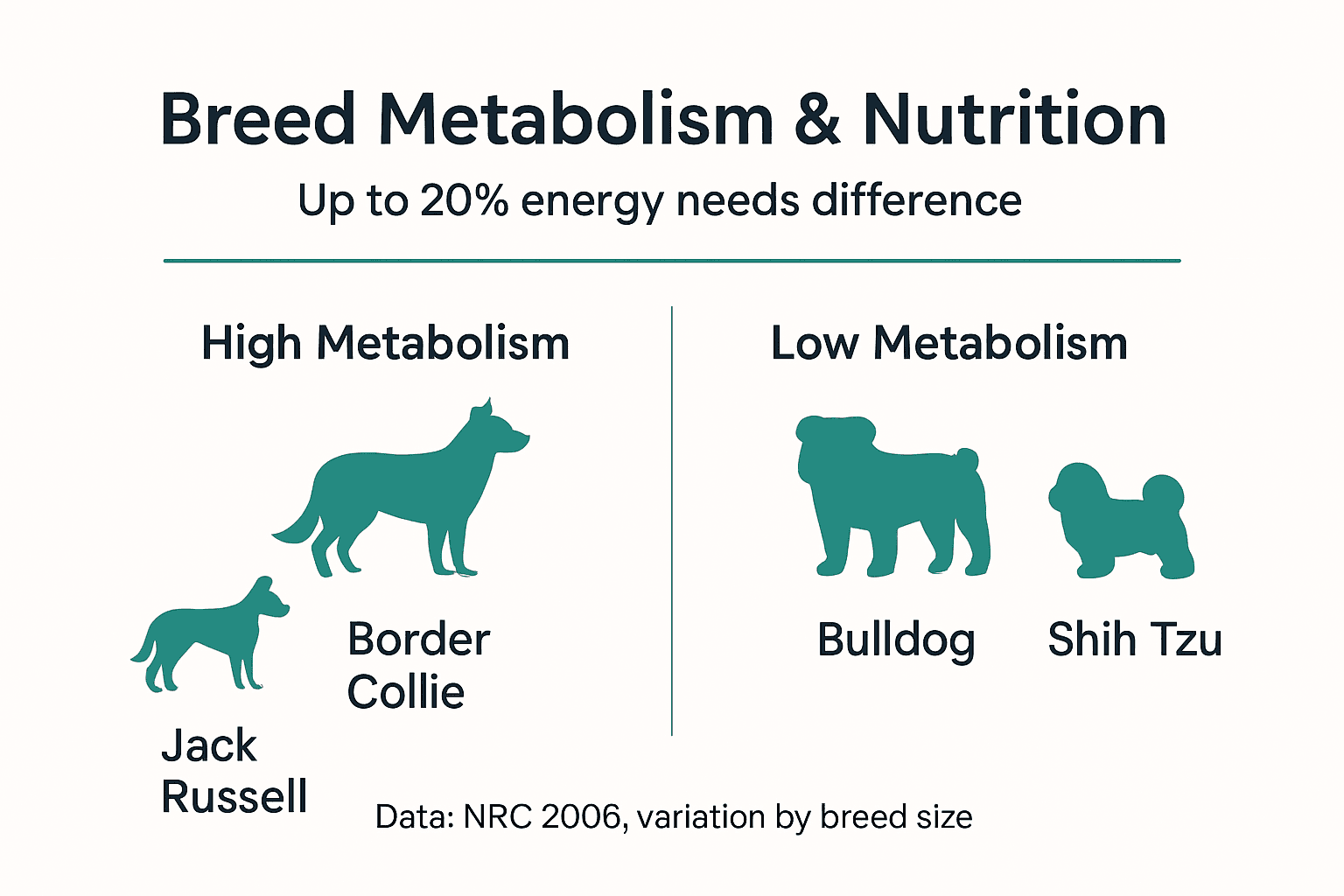
| Breed metabolism | Breed-specific metabolic rates vary up to 20%, significantly impacting caloric and protein requirements. |
| Grain-free balance | Grain-free diets can relieve allergies but must maintain nutritional completeness to avoid deficiencies. |
| Natural ingredients | Natural sources reduce synthetic additives yet do not guarantee hypoallergenic properties without testing. |
| Label literacy | Understanding dog food labels empowers you to select premium nutrition aligned with your dog’s health needs. |
Understanding Essential Nutrients in Dog Food
Every dog requires a precise balance of protein, fats, carbohydrates, vitamins, and minerals to thrive. These nutrients work together to support muscle maintenance, immune function, energy levels, and overall vitality.
Protein quality matters as much as quantity. The amino acid profile determines how effectively your dog’s body uses protein for tissue repair and immune support. Nutritional Requirements of Dogs and Cats (NRC 2006) confirms that breed size directly affects protein requirements, with larger breeds needing different ratios than smaller ones.
Fats deserve equal attention, particularly omega-3 and omega-6 fatty acids. These essential fats promote healthy skin and coat while reducing inflammation throughout the body. Role of Omega Fatty Acids in Canine Dermatology demonstrates their importance in managing dermatological conditions naturally.
Carbohydrates provide sustained energy when sourced properly. While dogs can thrive on various carbohydrate levels, moderate inclusion from quality sources supports digestive health and steady energy release. Natural ingredient sourcing reduces synthetic additives that may trigger sensitivities.
When you read dog food ingredients, focus on these core nutrients:
- High-quality animal protein as the first ingredient
- Named fat sources like chicken fat or salmon oil
- Whole food carbohydrates such as sweet potato or lentils
- Complete vitamin and mineral profiles from natural sources
- Absence of artificial preservatives and fillers
Understanding these fundamentals helps you evaluate whether a food meets your dog’s nutritional baseline before considering breed-specific or age-related adjustments.
Breed-Specific Nutritional Needs
Your dog’s breed dictates metabolic rate, activity level, and predisposition to certain health conditions. These factors create vastly different nutritional requirements across breeds.
Breed Differences in Energy Requirements in Dogs reveals that metabolic rates vary up to 20% between breeds. A Border Collie burns calories far faster than a Bulldog, requiring significantly higher energy intake despite similar body weight.
Size correlates directly with protein and calorie needs. Nutritional Requirements of Dogs and Cats (NRC 2006) indicates large breeds need about 22-28% crude protein, while small breeds may require higher percentages to support their faster metabolism.
Breed predispositions influence dietary priorities. German Shepherds prone to hip dysplasia benefit from glucosamine-enriched formulas. Bulldogs with sensitive digestion need easily digestible proteins. Labradors susceptible to obesity require controlled calorie density.
Tailored breed-specific dog food needs address these variations:
- Active breeds: Higher fat content for sustained energy and endurance
- Large breeds: Controlled calcium and phosphorus ratios for joint health
- Small breeds: Smaller kibble size and nutrient-dense formulas
- Flat-faced breeds: Kibble shapes that accommodate unique jaw structures
- Sensitive breeds: Limited ingredient formulas to minimize allergen exposure
One-size-fits-all diets cannot meet these diverse requirements. A Chihuahua and a Great Dane eating identical food face either nutrient excess or deficiency, neither supporting optimal health.
Adjusting Nutrition by Age and Health Conditions
Nutritional requirements shift dramatically across your dog’s lifespan. Puppies, adults, and seniors require distinct nutrient profiles to support their developmental stage.
Puppies need higher calories, protein, and calcium to fuel rapid growth. Developmental Nutrition in Puppies: Calcium and Energy Requirements recommends around 1.2% calcium in dry matter to support proper bone development without causing skeletal abnormalities.
Adult dogs maintain steady nutritional needs focused on sustaining muscle mass and energy levels. Their requirements remain relatively stable unless activity levels change significantly or health issues emerge.

Seniors benefit from reduced protein to protect kidney function. Protein Needs in Aging Dogs explains that excessive protein strains aging kidneys, while moderate quality protein maintains muscle without overloading organs.
Health conditions demand specialized nutrition:
- Allergies: Novel protein sources and elimination diets
- Skin conditions: Enhanced omega fatty acids and biotin
- Digestive sensitivities: Prebiotics, probiotics, and easily digestible proteins
- Joint problems: Glucosamine, chondroitin, and anti-inflammatory ingredients
- Weight management: Lower calorie density with maintained protein levels
When you read dog food ingredients, match the formula to your dog’s current life stage and health status.
Pro Tip: Transition gradually between foods over 7-10 days. Mix increasing proportions of new food with decreasing amounts of old food to prevent digestive upset. Monitor stool consistency and energy levels throughout the transition.
Grain-Free Diets: Benefits and Limitations
Grain-free formulas serve specific purposes but are not universally superior for all dogs. Understanding when they help and when they may pose risks ensures informed decision-making.
Impact of Tailored Grain-Free Diets in Labrador Retrievers documented impressive improvements in dogs with grain sensitivities: 15% average weight improvement and 10% reduction in skin symptoms over 12 weeks. These benefits apply specifically to dogs with diagnosed grain allergies or sensitivities.
However, poorly formulated grain-free diets risk taurine deficiency and other nutritional imbalances. Replacing grains with inappropriate fillers or inadequate protein sources creates new problems while solving old ones.
The truth about grains contradicts common beliefs. Canine Nutrition: Grain Benefits and Myths confirms whole grains provide beneficial dietary fiber supporting digestive health. Grains become problematic only when specific allergies exist.
| Aspect | Grain-Free | Conventional |
|---|---|---|
| Allergy management | Eliminates common grain allergens | May trigger sensitivities in allergic dogs |
| Digestibility | Often highly digestible proteins | Variable based on grain quality |
| Nutritional balance | Requires careful formulation | Established nutrient profiles |
| Taurine levels | Risk if legume-heavy | Generally adequate |
| Fiber sources | Alternative carbohydrates | Whole grain fiber |
The benefits of grain-free diet manifest most clearly when:
- Diagnosed grain allergies or sensitivities exist
- Inflammatory conditions improve with grain elimination
- Complete, balanced formulas replace grain calories appropriately
- Regular veterinary monitoring ensures nutritional adequacy
Choose clinically tested, nutritionally complete grain-free products rather than assuming all grain-free formulas are equally beneficial.
Role of Natural Ingredients and Hypoallergenic Claims
Natural ingredients offer genuine advantages, yet the term “natural” does not automatically mean hypoallergenic. Understanding this distinction protects your dog from marketing misconceptions.
Natural vs. Synthetic Antioxidants in Pet Food quantifies natural ingredient benefits: 25% reduction in synthetic preservatives and enhanced antioxidant intake supporting immune function. Natural sources provide vitamins, minerals, and phytonutrients in forms dogs’ bodies recognize and utilize efficiently.
Natural ingredients minimize exposure to artificial colors, flavors, and chemical preservatives. This reduction benefits dogs sensitive to synthetic additives while supporting overall health through nutrient-dense whole foods.
However, natural does not equal hypoallergenic. Chicken, beef, and lamb are natural proteins yet rank among the most common canine allergens. Natural foods can trigger allergies just as readily as processed alternatives.
Hypoallergenic Dog Foods: What Works? emphasizes that only clinically tested hypoallergenic foods reduce allergy symptoms reliably. True hypoallergenic formulas use hydrolyzed proteins broken into molecules too small to trigger immune responses, or novel proteins your dog has never consumed.
Common misconceptions about hypoallergenic dog food benefits include:
- Assuming limited ingredient formulas are automatically hypoallergenic
- Believing natural ingredients cannot cause allergies
- Expecting immediate results without proper elimination trial protocols
- Confusing food sensitivities with true allergic reactions
Pro Tip: Validate hypoallergenic claims by checking for clinical studies or veterinary dermatologist recommendations. Monitor your dog carefully for 8-12 weeks during food trials, as allergic reactions may take time to subside completely.
Common Misconceptions in Dog Food Nutrition
Misinformation about canine nutrition leads well-intentioned owners to make choices that may not serve their dogs’ best interests. Correcting these myths empowers better decisions.
Myth 1: All grains harm dogs. Canine Nutrition: Grain Benefits and Myths debunks this widespread belief, confirming whole grains provide beneficial fiber and nutrients. Only dogs with diagnosed grain allergies need grain-free diets.
Myth 2: Higher protein is always better. Protein Needs in Aging Dogs warns excessive protein can harm senior dogs’ kidneys. More is not better; appropriate levels for age and health status matter most.
Myth 3: Natural equals hypoallergenic. Hypoallergenic Dog Foods: What Works? clarifies that natural foods are not inherently hypoallergenic. Clinical testing and proper protein selection determine hypoallergenic effectiveness.
Understanding these truths helps you evaluate grains bad for dogs myths critically:
- Question marketing claims that paint entire ingredient categories as universally good or bad
- Demand evidence-based rationale for dietary choices
- Recognize individual dogs have unique nutritional requirements
- Avoid following trends without understanding underlying science
- Trust veterinary guidance over social media advice
Critical evaluation of dog food marketing protects you from expensive mistakes that may compromise your dog’s health.
Applying Knowledge: Choosing the Right Food for Your Dog
Translating nutritional knowledge into practical food selection requires systematic evaluation of your dog’s needs and available options.
Follow these steps to choose optimal nutrition:
-
Assess your dog’s profile. Document breed, age, weight, activity level, and existing health conditions. These factors form your nutritional baseline.
-
Identify priority nutrients. Based on your dog’s profile, determine whether protein, joint support, digestive health, or other factors require emphasis.
-
Evaluate food labels critically. When reading dog food ingredient lists, verify the first three ingredients are quality protein sources and that guaranteed analysis matches your requirements.
-
Check nutritional adequacy. Look for AAFCO statements confirming the food provides complete and balanced nutrition for your dog’s life stage.
-
Verify quality standards. Choose brands with transparent sourcing, manufacturing processes, and clinical testing or veterinary recommendations.
-
Plan the transition. Never switch foods abruptly. Gradual transitions over 7-10 days prevent digestive upset.
-
Monitor and adjust. Observe stool quality, coat condition, energy levels, and body condition for 4-6 weeks. Adjust portions or formulas based on response.
Decoding dog food ingredients becomes easier with practice. Focus on recognizable whole food ingredients, appropriate protein levels for your dog’s needs, and absence of concerning additives.
Consult your veterinarian before making significant dietary changes, especially if your dog has health conditions requiring specialized nutrition. Professional guidance combined with your informed understanding creates the best outcomes.
Explore Premium Grain-Free Dog Nutrition Solutions
Applying these nutritional principles starts with exploring premium options tailored to your dog’s breed, age, and health requirements. Expert-backed, natural grain-free formulas provide complete nutrition when properly formulated and clinically validated.
Discover comprehensive guidance through our grain free dog feeding guide, offering detailed feeding recommendations for various life stages and activity levels.
Learn why choose a grain-free diet suits many dogs’ nutritional needs while avoiding common pitfalls. Understand grain-free dog food ingredients to make informed comparisons between products and identify truly premium formulations.
Frequently Asked Questions
What are the most critical nutrients for a dog’s health?
Protein for muscle maintenance, omega fatty acids for skin and coat health, appropriate carbohydrates for energy, and complete vitamin and mineral profiles form the nutritional foundation. These must be balanced according to your dog’s breed size, age, and activity level for optimal health outcomes.
Is grain-free dog food better for all dogs?
Grain-free diets benefit dogs with diagnosed grain allergies or sensitivities but are not universally superior. Dogs without grain sensitivities can thrive on quality foods containing whole grains, which provide beneficial fiber and nutrients supporting digestive health.
How can I tell if a dog food is truly hypoallergenic?
Authentic hypoallergenic foods use hydrolyzed proteins or novel protein sources your dog has never consumed, backed by clinical testing demonstrating reduced allergic reactions. Limited ingredient formulas using common proteins like chicken are not truly hypoallergenic despite marketing claims.
Should I adjust my dog’s diet as it ages?
Yes, nutritional needs change significantly across life stages. Puppies require higher calories and calcium for growth, adults need maintenance nutrition, and seniors benefit from reduced protein to protect kidney function while maintaining muscle mass with quality protein sources.
How do I safely switch my dog to a new food?
Transition gradually over 7-10 days by mixing increasing proportions of new food with decreasing amounts of current food. Start with 25% new food for 2-3 days, then 50% for 2-3 days, then 75% for 2-3 days, before switching completely. Monitor stool consistency and energy throughout the transition.