
Calorie Requirements for Dogs – Why It Matters
More than half of British dogs are classified as overweight or obese, yet misconceptions about calorie needs persist among pet owners. The truth is, getting nutrition right is far more nuanced than simply guessing how much fills a bowl. Understanding exactly what fuels a British dog’s health helps prevent chronic conditions, supports active lifestyles, and avoids the common pitfalls tied to outdated feeding myths. Discover what really matters in supporting your dog’s daily vitality while cutting through widespread confusion.
Table of Contents
- Defining Dog Calorie Requirements And Myths
- Factors Shaping A Dog’s Daily Energy Needs
- Breed Size, Age, And Activity Level Impacts
- Consequences Of Overfeeding And Malnutrition
- Tailoring Feeding Plans For Optimal Health
Key Takeaways
| Point | Details |
|---|---|
| Tailored Nutrition is Essential | Each dog’s calorie requirements vary significantly based on breed, age, and activity level, requiring personalised feeding plans. |
| Portion Control is Crucial | Dogs often overeat when food is constantly available, making it vital for owners to manage portion sizes effectively. |
| Veterinary Guidance is Recommended | Regular consultations with a veterinary professional help ensure that nutritional needs are met as a dog’s metabolism and health status change over time. |
| Monitoring is Key | Track your dog’s body condition regularly to adjust feeding portions and maintain optimal health. |
Defining Dog Calorie Requirements and Myths
Understanding your dog’s calorie requirements involves more than simply filling their bowl. Dog nutrition is complex, with individual energy needs varying dramatically based on multiple factors. Maintenance energy requirements differ significantly across breeds, ages, and activity levels, challenging the common misconception that all dogs need identical feeding approaches.
One prevalent myth suggests dogs can self-regulate their calorie intake effectively. However, research indicates this is far from accurate. Dogs often overeat when food is consistently available, which can lead to unhealthy weight gain and associated health complications. Studies demonstrate that dogs do not possess an innate ability to consume precisely what their bodies require, making portion control crucial for responsible pet ownership.
Calorie requirements are influenced by several key variables including age, weight, reproductive status, and activity level. Adult neutered dogs typically require fewer calories compared to intact dogs, with metabolic needs reducing by approximately 20%. Puppies, senior dogs, and highly active breeds demand tailored nutritional strategies that account for their unique physiological demands. Ultimate Pet Foods’ scientifically formulated recipes, which use freshly prepared meats gently cooked at 82°C, provide balanced nutrition designed to support these varied requirements.
Pro Nutrition Tip: Always consult with a veterinary professional to determine your individual dog’s precise calorie needs, as generic feeding guidelines can potentially lead to over or underfeeding.
Factors Shaping a Dog’s Daily Energy Needs
Determining a dog’s daily energy requirements is a nuanced process involving multiple interconnected variables. Comprehensive nutritional surveys reveal that energy needs are far more complex than simple weight-based calculations, with significant variations across different canine profiles.
The primary factors influencing a dog’s energy requirements include breed characteristics, activity level, age, body composition, and environmental conditions. Working and sporting breeds, for instance, demonstrate substantially higher metabolic demands compared to sedentary companion dogs. Research indicates that active dogs might require up to twice the caloric intake of less active counterparts, underscoring the importance of personalised nutritional strategies.
Breed-specific metabolism plays a crucial role in determining energy needs. Smaller breeds typically have faster metabolisms and higher energy requirements relative to their body weight, while larger breeds often have slower metabolic rates. Ultimate Pet Foods’ scientifically formulated recipes account for these variations, offering balanced nutrition that supports individual dogs’ unique physiological demands. Factors such as reproductive status, muscle mass, and overall health condition further modulate a dog’s daily energy expenditure.

Pro Nutrition Assessment Tip: Track your dog’s body condition score regularly and adjust feeding portions accordingly, as individual metabolic needs can change with age, activity levels, and health status.
Breed Size, Age, and Activity Level Impacts
Comprehensive nutritional research reveals the intricate relationship between a dog’s breed size, age, and activity level in determining precise calorie requirements. The dramatic variation in energy needs across different canine profiles demonstrates why a one-size-fits-all approach to feeding is fundamentally flawed.
Breed size emerges as a critical factor in metabolic demands. Smaller breeds like Chihuahuas and Yorkshire Terriers possess significantly faster metabolisms, requiring more calories per kilogram of body weight compared to larger breeds such as Great Danes or Mastiffs. A 10 lb inactive dog might need around 300 kcal daily, whereas a 70 lb active dog could require up to 1,740 kcal to maintain optimal health and energy levels. These substantial differences underscore the importance of tailored nutritional strategies.
Age and activity levels further complicate caloric calculations. Puppies demand higher energy intake to support rapid growth, while senior dogs typically require fewer calories due to reduced metabolic rates and lower activity levels. Working dogs, agility competitors, and highly active breeds have dramatically different nutritional needs compared to sedentary companion animals. Ultimate Pet Foods’ scientifically formulated recipes account for these nuanced variations, offering balanced nutrition that adapts to each dog’s unique physiological profile. Factors like muscle mass, reproductive status, and overall health condition continue to modulate daily energy expenditure.
Here is a comparison of calorie requirements across common canine profiles:
| Dog Profile | Example Weight | Activity Level | Estimated Daily Calories |
|---|---|---|---|
| Small breed (Chihuahua) | 3 kg | Inactive | 150 – 200 kcal |
| Medium breed (Cocker) | 12 kg | Moderate activity | 500 – 600 kcal |
| Large breed (Labrador) | 30 kg | Active | 1,300 – 1,500 kcal |
| Senior dog | 20 kg | Low activity | 650 – 800 kcal |
| Working dog | 30 kg | High activity | 2,500 kcal or more |
Pro Nutritional Calculation Tip: Consult with your veterinarian annually to reassess your dog’s specific calorie requirements, as metabolic needs can change significantly with age, health status, and lifestyle modifications.
Consequences of Overfeeding and Malnutrition
Comprehensive veterinary research reveals the profound health risks associated with improper nutrition in dogs. Overfeeding and malnutrition represent two dangerous extremes that can dramatically compromise a dog’s long-term health, quality of life, and potential lifespan.
Obesity emerges as a critical health concern stemming from consistent caloric overconsumption. Dogs carrying excess weight face significantly increased risks of developing serious medical conditions, including diabetes, osteoarthritis, cardiovascular complications, and reduced mobility. Research indicates that overweight dogs can experience a substantial reduction in life expectancy, with some studies suggesting a potential decrease of up to two years compared to dogs maintaining a healthy body condition. The metabolic strain imposed by excess weight places considerable stress on critical bodily systems, accelerating potential age-related deterioration.
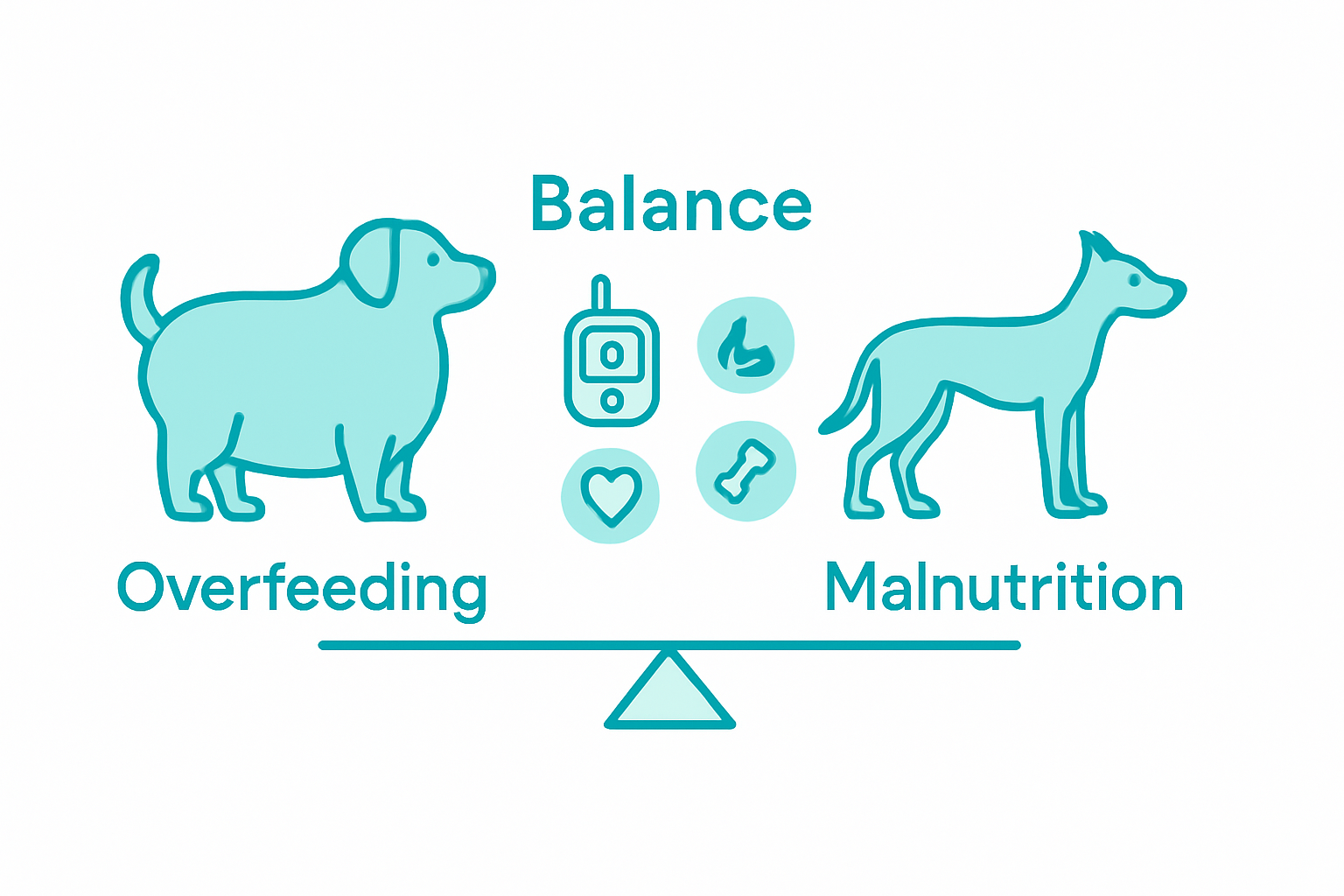
Malnutrition presents an equally dangerous alternative, potentially causing muscle wastage, compromised immune function, and developmental challenges. Ultimate Pet Foods’ scientifically formulated recipes are designed to provide precise nutritional balance, addressing the complex nutritional requirements that vary across different life stages and breed sizes. By offering carefully calibrated protein levels, essential nutrients, and optimal calorie content, these recipes help prevent both underfeeding and overfeeding, supporting dogs’ holistic health and wellbeing. Consistent monitoring of body condition, regular veterinary consultations, and adjusting portion sizes based on individual metabolic needs are crucial strategies for maintaining optimal nutritional health.
The following table summarises health risks associated with feeding extremes:
| Feeding Error | Potential Health Impact | Description |
|---|---|---|
| Overfeeding | Obesity, diabetes, arthritis | Excess weight strains body systems |
| Chronic underfeeding | Muscle loss, immune deficiency | Insufficient nutrients for health |
| Irregular portions | Digestive issues, metabolic stress | Instability in energy and weight |
| Improper treats | Nutritional imbalance, weight gain | Treated calories often overlooked |
Pro Weight Management Tip: Use a body condition scoring system to objectively assess your dog’s weight, adjusting food portions incrementally to maintain an ideal physique and prevent gradual weight gain.
Tailoring Feeding Plans for Optimal Health
Advanced feeding strategies recognise that dog nutrition is far more complex than simple portion measurement. Creating an optimal feeding plan requires a holistic approach that considers multiple physiological and lifestyle factors unique to each individual canine.
Nutritional precision demands careful consideration of key variables including age, breed, activity level, and metabolic rate. Low-activity dogs typically require around 95 kcal per kilogram of metabolic body weight, while highly active dogs might need up to 175 kcal. These variations underscore the importance of personalised nutrition strategies that adapt to changing physiological needs. Factors such as neutering status, muscle mass, and underlying health conditions further complicate dietary requirements, necessitating a nuanced approach to feeding.
Ultimate Pet Foods’ scientifically formulated recipes are designed to address these complex nutritional challenges. By offering precisely calibrated protein levels, essential nutrients, and carefully balanced calorie content, these recipes support dogs through different life stages. The inclusion of added prebiotics like MOS and FOS supports digestive health, while hydrolysed proteins in our Ultimate+ Functional Health range provide targeted nutritional support for dogs with specific health considerations. Consistent monitoring, periodic veterinary consultations, and willingness to adjust feeding plans are crucial for maintaining optimal canine nutrition.
Pro Nutrition Adjustment Tip: Conduct monthly body condition assessments, tracking weight and muscle tone to enable timely adjustments to your dog’s nutritional intake.
Tailor Your Dog’s Nutrition With Precision and Care
Understanding your dog’s calorie requirements is vital to prevent the risks of overfeeding or malnutrition that can compromise their long-term health. Whether your dog is a growing puppy, a busy working companion, or a calm senior, their unique energy needs must be met with the right balance of nutrients and calories. By recognising the importance of personalised feeding plans and scientifically formulated recipes, you can support your dog’s wellbeing every day.
Explore our diverse range of natural, grain-free recipes designed to cater to all life stages and activity levels in the collections – Ultimate Pet Foods. From our specialised options that assist with weight management in adults found in the Weight Loss Dog Food UK section to nutrient-rich options for your growing puppy at Try Our Dry Puppy Puppy Food - Optimal Health & Nutrition – Ultimate Pet Foods, every meal delivers balanced support based on your dog’s specific needs.

Don’t wait until calorie imbalance affects your dog’s health. Visit https://ultimatepetfoods.co.uk to find tailored, premium nutrition solutions that empower you to feed confidently and keep your beloved companion thriving. Start personalising your dog’s feeding plan today for a healthier, happier life.
Frequently Asked Questions
What factors influence a dog’s calorie requirements?
Calorie requirements for dogs depend on various factors, including age, breed size, activity level, reproductive status, and overall health. These elements help determine the precise calorie intake needed for each individual dog.
How can I calculate my dog’s daily calorie needs?
To calculate your dog’s daily calorie needs, consider their weight, activity level, and age. It’s recommended to consult with your veterinarian, who can provide an accurate assessment tailored to your dog’s specific needs and lifestyle.
What are the risks of overfeeding or underfeeding my dog?
Overfeeding can lead to obesity and associated health problems like diabetes and joint issues, while underfeeding can cause malnutrition and muscle wastage. Maintaining a balanced diet that meets your dog’s specific calorie requirements is essential for their overall health.
Why is it important to tailor my dog’s feeding plan?
Tailoring a dog’s feeding plan is crucial because dogs have unique nutritional needs based on their individual characteristics. A personalised feeding plan helps ensure they receive the right balance of nutrients and calories to support their health and well-being throughout their life stages.
Recommended
- Dog Food Serving Sizes: Complete Owner’s Guide
- 7 Expert Tips for Choosing Healthy Food for Small Dogs
- Understanding Dog Food for Active Dogs: Nutrition Explained – Ultimate Pet Foods
- Understanding Dog Foods to Avoid for Optimal Health – Ultimate Pet Foods
- 10 Healthy Dog Habits for Happy and Active Pets – iPupPee