
Transitioning to Grain Free: A Natural Dog Diet Guide
Over 50% of British pet owners report reconsidering their dog’s diet due to concerns over allergies and skin issues. Knowing what goes into your dog’s bowl impacts everything from coat shine to overall energy. With so many choices on the market, finding the right grain free nutrition can feel complicated. This guide offers practical steps that help you understand your dog’s needs, select the best food, and smoothly transition your companion to a healthier grain free routine.
Table of Contents
- Step 1: Assess Your Dog’s Current Diet and Needs
- Step 2: Select the Right Grain Free Food for Your Dog
- Step 3: Introduce Grain Free Food Gradually
- Step 4: Monitor Your Dog’s Health During the Switch
- Step 5: Adjust and Sustain a Grain Free Routine
Quick Summary
| Essential Insight | Explanation |
|---|---|
| 1. Assess Your Dog’s Current Diet | Review existing food, eating habits, and health status to understand specific nutritional needs. |
| 2. Select Quality Grain Free Food | Choose a high-quality grain free food considering your dog’s specific dietary requirements and sensitivities. |
| 3. Gradually Introduce New Food | Transition to new diet slowly over 7 to 10 days to avoid digestive issues and ensure proper adjustment. |
| 4. Monitor Health During Transition | Track your dog’s response to new diet focusing on appetite, energy, and overall wellbeing for a smooth shift. |
| 5. Sustain Grain Free Routine | Maintain a consistent feeding schedule and adjust food as needed to fit your dog’s changing health and activity levels. |
Step 1: Assess Your Dog’s Current Diet and Needs
Transitioning to a grain free diet requires careful consideration of your dog’s unique nutritional profile and current eating habits. Understanding your dog’s specific dietary needs is the foundational first step in creating a successful nutrition plan that supports their overall health and wellbeing.
Begin by conducting a comprehensive assessment of your dog’s current diet, which involves examining their existing food, tracking their eating patterns, and observing their physical condition. Selecting the right dog food requires understanding factors like age, breed, weight, activity level, and any existing health conditions. Look closely at their current kibble ingredients and note potential allergens or sensitivities. Watch for signs such as digestive issues, skin irritations, excessive shedding, or low energy levels that might indicate nutritional gaps.
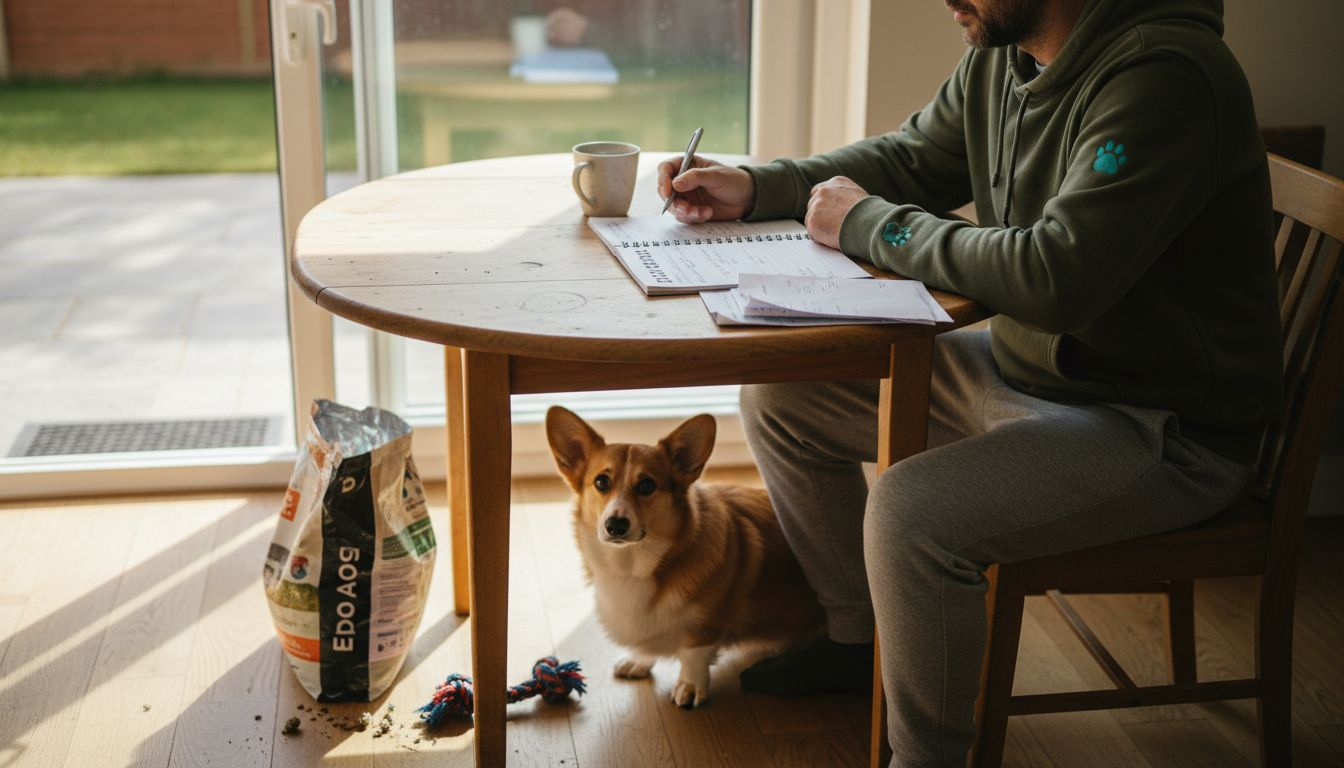
Your assessment should include a detailed food diary documenting portion sizes, meal frequency, treats, and your dog’s response to their current diet. Consult with your veterinarian to discuss potential nutritional improvements and rule out any underlying health concerns before making significant dietary changes. They can provide professional insights into whether a grain free diet would benefit your specific dog.
Top tip: Photograph the ingredient list of your dog’s current food and bring it to your veterinarian for a professional nutritional breakdown before transitioning to a new diet.
Step 2: Select the Right Grain Free Food for Your Dog
Choosing the ideal grain free dog food requires careful consideration of your canine companion’s unique nutritional requirements and health profile. The goal is to select a high quality food that provides complete nutrition while addressing any specific dietary sensitivities or health concerns.
Begin by understanding your dog’s body condition to determine the most appropriate nutritional approach. Dogs with different activity levels, ages, and breeds have varying nutritional needs. Look for grain free foods that offer high quality protein sources as the primary ingredient, ensuring they are freshly prepared and minimally processed. Check ingredient lists carefully for whole meat proteins like chicken, fish, or lamb listed first, avoiding generic meat meals or by-products.
Consider your dog’s specific health requirements when selecting a grain free diet. Healthy feeding habits suggest consulting with your veterinarian to identify any potential allergies or sensitivities. Some dogs might benefit from limited ingredient diets or formulas designed for specific breed sizes. Pay attention to additional nutritional elements like added prebiotics, balanced omega fatty acids, and appropriate mineral content that support overall canine health.
Top tip: Request small sample sizes of different grain free foods to conduct a gradual taste test and observe your dog’s digestive response before committing to a full dietary transition.
Step 3: Introduce Grain Free Food Gradually
Transitioning your dog to a grain free diet requires patience and a methodical approach to ensure their digestive system adapts smoothly. The key is implementing a slow and controlled introduction that minimises potential stomach upset and allows your dog to adjust to the new nutritional profile.
Maintaining digestive health during dietary transitions is crucial, especially for dogs with sensitive stomachs. Begin by mixing a small proportion of the new grain free food with your dog’s current diet approximately 20% new food to 80% existing food. Over the course of 7 to 10 days, gradually increase the ratio of new food while decreasing the old food. This incremental approach allows your dog’s digestive system to adapt and helps prevent potential gastrointestinal distress.
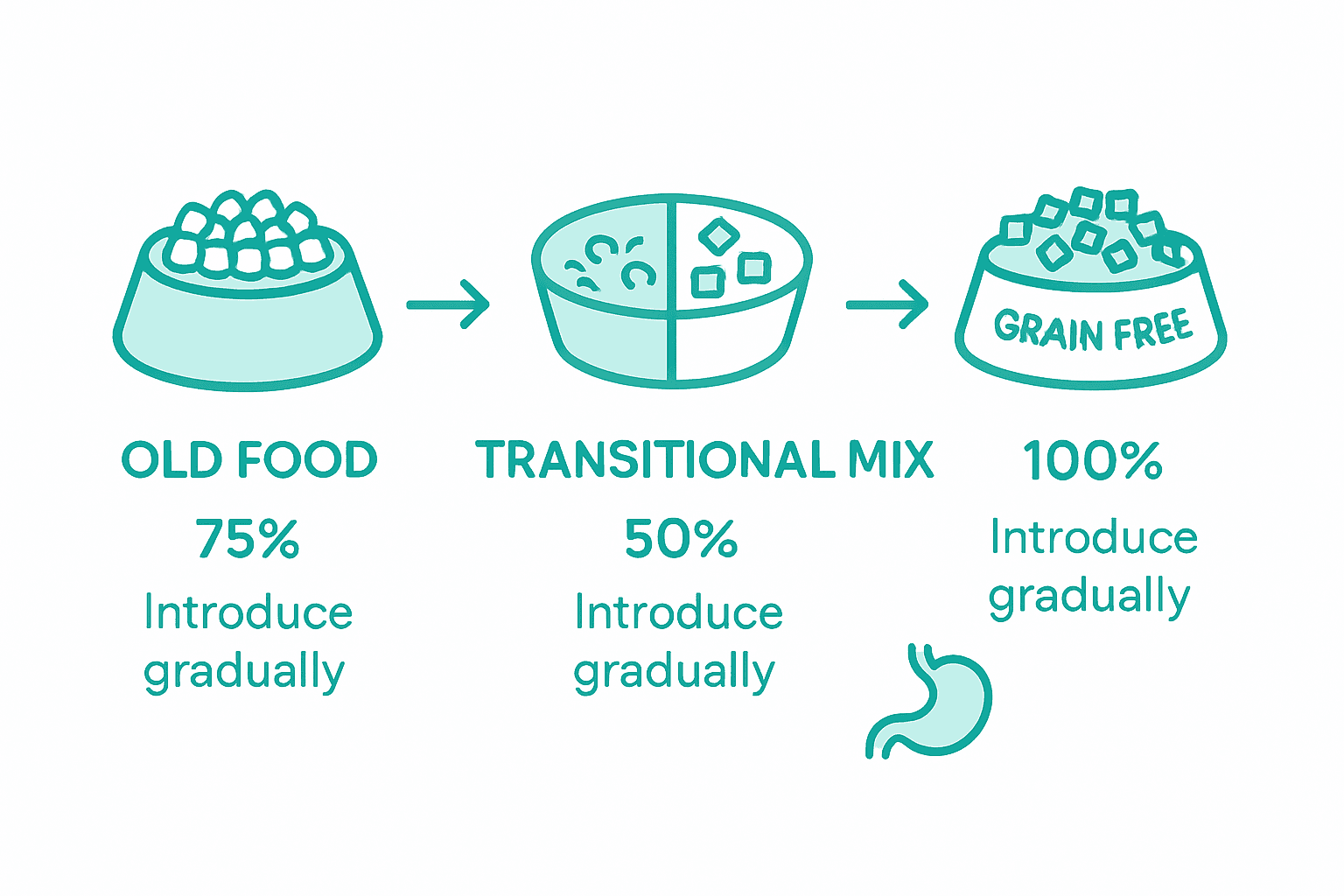
Pay close attention to your dog’s response throughout the transition. Responsible dog treatment involves monitoring their appetite, energy levels, and stool consistency. If you notice any signs of digestive discomfort such as vomiting, diarrhoea, or reduced appetite, slow down the transition process or consult your veterinarian. Some dogs might require an even more gradual approach depending on their individual health and sensitivity.
Top tip: Keep a daily food transition log documenting the percentage of new food, your dog’s eating habits, and any physical changes to track their adaptation to the grain free diet.
Below is a summary of steps for a gradual food transition:
| Day Range | Old Food (%) | New Food (%) | Purpose |
|---|---|---|---|
| Days 1-3 | 80 | 20 | Initial introduction, monitor for reactions |
| Days 4-6 | 60 | 40 | Increase familiarity with new food |
| Days 7-8 | 40 | 60 | Transitioning digestive adaptation |
| Days 9-10 | 20 | 80 | Final adjustment to new food |
| Day 11+ | 0 | 100 | Full transition achieved |
Step 4: Monitor Your Dog’s Health During the Switch
Successfully transitioning to a grain free diet involves more than simply changing food types it requires careful observation and proactive health monitoring. Your goal is to ensure the dietary change supports your dog’s overall wellbeing and does not introduce unexpected health complications.
Expert tips for transitioning dog foods recommend tracking several key health indicators during the dietary switch. Pay close attention to your dog’s physical and behavioural changes such as energy levels, coat condition, digestive comfort, and overall appetite. Specifically monitor aspects like stool consistency weight maintenance muscle tone and general enthusiasm for meals. Any significant negative changes could indicate that the new diet is not fully meeting your dog’s nutritional requirements.
Create a systematic health tracking approach by documenting daily observations in a dedicated journal. Note your dog’s weight weekly record any changes in drinking or eating patterns and observe their general mood and activity levels. Watch for potential signs of dietary intolerance including excessive gas, soft stools, skin irritations, or reduced energy. If you notice persistent unusual symptoms consult your veterinarian promptly to assess whether further dietary adjustments are necessary.
Top tip: Take weekly photographs of your dog to visually track their physical condition and compare their appearance during the dietary transition.
Here is a comparison of key indicators to monitor during your dog’s transition to a grain free diet:
| Indicator | What to Monitor | Why It Matters |
|---|---|---|
| Stool consistency | Firm, well-formed stools | Indicates healthy digestion |
| Coat condition | Shiny, reduced shedding | Reflects nutrient absorption |
| Energy levels | Playfulness, alertness | Suggests proper nutrient balance |
| Appetite | Steady interest in meals | Helps assess acceptance of new diet |
| Skin health | Absence of itch, redness | Detects possible food sensitivities |
Step 5: Adjust and Sustain a Grain Free Routine
Establishing a long term grain free diet requires ongoing commitment and careful nutritional management. Your goal is to create a sustainable feeding strategy that continues to meet your dog’s changing nutritional needs while maintaining their overall health and vitality.
Creating healthy feeding habits involves more than simply selecting the right food. Develop a consistent feeding schedule that aligns with your dog’s age activity level and metabolism. Regular veterinary check ups are essential to ensure the grain free diet remains appropriate as your dog ages or experiences changes in health status. Consider adjusting portion sizes and nutritional composition based on seasonal activity levels weight fluctuations and any emerging health conditions.
Periodically reassess your dog’s nutritional needs by conducting comprehensive health evaluations. Tracking your dog’s body condition helps you identify whether the current diet continues to support optimal health. Monitor key indicators such as muscle tone energy levels coat condition and overall weight. Be prepared to make gradual modifications to your dog’s diet if you notice any subtle changes in their physical or behavioural wellbeing.
Top tip: Schedule bi annual comprehensive health assessments with your veterinarian to proactively review and adjust your dog’s grain free nutritional strategy.
Transition Your Dog to a Healthier Grain Free Lifestyle Today
Transitioning your dog to a grain free diet can seem challenging but knowing the right steps makes all the difference. If you want to support your dog’s digestion and overall vitality with natural, carefully prepared food consider exploring our Small Breed Grain Free Dog Food | Freshly Prepared & Natural – Ultimate Pet Foods range. Each recipe is crafted to meet the unique needs of different breeds and life stages while minimising common allergens and promoting optimal health.
Don’t wait for digestive troubles or nutritional imbalances to become a concern. Take control now by visiting Ultimate Pet Foods and discover the full selection that includes tailored options like Try Our Grain Free Puppy Food - Optimal Health & Nutrition. Make the switch gradually and confidently knowing you have access to premium, fresh ingredients designed to keep your dog thriving every step of the way.
Frequently Asked Questions
How do I assess my dog’s current diet before transitioning to grain free?
Begin by closely examining your dog’s existing food, noting the ingredients, portion sizes, and any signs of digestive issues or sensitivities. Create a detailed food diary and consult your veterinarian for professional insights on your dog’s specific nutritional needs before making any dietary changes.
What should I look for when selecting grain free dog food?
Choose a grain free dog food that lists high quality protein sources as the primary ingredient, such as whole meats like chicken or lamb. Ensure that it meets your dog’s specific nutritional requirements based on their age, breed, and any health conditions, while avoiding generic meat meals or by-products.
How should I gradually introduce grain free food to my dog?
To introduce grain free food, start by mixing approximately 20% of the new food with 80% of your dog’s current food. Gradually increase the ratio of the new food over 7 to 10 days to allow your dog’s digestive system to adapt smoothly, monitoring their response to prevent any gastrointestinal distress.
What health indicators should I monitor during the transition to a grain free diet?
Pay attention to your dog’s stool consistency, coat condition, energy levels, appetite, and skin health. Keep a daily journal to document these indicators, noting any significant changes, and consult your veterinarian if you observe any concerning symptoms.
How can I ensure my dog sustains a healthy grain free diet long-term?
Maintain a consistent feeding schedule and monitor your dog’s health regularly to ensure their grain free diet continues to meet their nutritional needs. Schedule bi-annual health assessments with your veterinarian and adjust portion sizes or diet composition as necessary based on your dog’s evolving health and activity levels.
Recommended
- Understanding the Benefits of Grain Free Diet for Dogs – Ultimate Pet Foods
- Understanding Can Dogs Eat Grains: Nutrition Explained – Ultimate Pet Foods
- How to Choose Dog Food: A Step-by-Step Guide for Healthy Dogs – Ultimate Pet Foods
- Grain Free Dog Treats: Complete Guide to Benefits
- Bearded Dragon Feeding Guide: Ensure a Healthy Diet