

Natural Remedies for Dog Allergies: Lasting Relief

Over one in five British dogs battle allergy symptoms every year, leaving owners searching for lasting relief. This challenge often uncovers confusing myths about triggers and treatment, especially for those relying on grain-free or premium vet-approved diets. Unravelling what truly causes allergies means looking beyond just food and understanding the real impact of environment and daily routines. You will discover practical guidance and clear facts to help your dog thrive naturally and comfortably.
Table of Contents
- Dog Allergies And Common Misconceptions
- Main Types Of Allergies In Dogs
- Symptoms And Dietary Links To Allergies
- Holistic And Herbal Allergy Relief Options
- Vet-Approved Supplements And Home Care
- Risks, Mistakes And When To Seek Help
Key Takeaways
| Point | Details |
|---|---|
| Understanding Allergy Complexity | Dog allergies are not solely food-related; environmental factors play a significant role in triggering allergic responses. |
| Importance of Professional Diagnosis | Early detection and proper veterinary diagnosis are essential to prevent prolonged discomfort for dogs. |
| Holistic Approaches | Complementary holistic and herbal treatments can support conventional measures, but should always be used under veterinary guidance. |
| Avoid Common Pitfalls | Owners must avoid neglecting symptoms and relying on home remedies, as these can worsen the dog’s condition and lead to severe complications. |
Dog allergies and common misconceptions
Dog allergies are complex health challenges affecting thousands of canines across the United Kingdom. While many owners assume allergies are straightforward, the reality is far more nuanced. Canine allergy symptoms often manifest through persistent skin irritation, unexplained itching, and seemingly random fur loss.
Contrary to popular belief, dog allergies aren’t just about food. Environmental factors play a significant role in triggering allergic responses. Common misconceptions include thinking allergies are always diet-related or that they’ll simply disappear on their own. In reality, allergens can stem from multiple sources: pollen, dust mites, flea saliva, specific household cleaning products, and even certain fabrics dogs come into contact with regularly.
Veterinary professionals emphasise that early detection and professional diagnosis are crucial. Many dog owners mistakenly try home remedies or ignore symptoms, which can lead to prolonged discomfort for their pets. Comprehensive allergy testing helps identify precise triggers, enabling targeted treatment strategies that address the root cause rather than merely managing symptoms.
Expert Tip: Keep a detailed symptom diary tracking your dog’s reactions, environmental changes, and diet modifications to help your veterinarian pinpoint potential allergy sources more effectively.
Main types of allergies in dogs
Dogs experience several distinct types of allergies that can significantly impact their health and quality of life. Skin allergies or atopic dermatitis represent one of the most common and challenging allergic conditions, causing persistent discomfort and potential secondary health complications.
Three primary categories of dog allergies dominate veterinary discussions: environmental allergies, food allergies, and flea allergies. Environmental allergies encompass sensitivities to substances like pollen, dust mites, mould spores, and certain grasses. These allergens can trigger intense itching, skin inflammation, and recurrent ear infections. Food allergies, meanwhile, emerge from specific protein or carbohydrate sensitivities, often manifesting through gastrointestinal issues or skin reactions. Flea allergy dermatitis represents a particularly aggressive form of allergic response, where even a single flea bite can prompt severe itching and skin irritation.

Understanding these allergy types requires nuanced veterinary assessment. Diagnostic approaches typically involve comprehensive testing, including intradermal skin tests, blood analyses, and carefully managed elimination diets. Each allergy type demands a tailored treatment strategy, ranging from environmental management and medication to specialised dietary interventions.
Pro tip: Maintain a detailed record of your dog’s symptoms, potential triggers, and environmental changes to help veterinarians more accurately diagnose and treat specific allergic conditions.
Here is a summary of the main dog allergy types and their typical triggers:
| Allergy Type | Common Triggers | Typical Symptoms |
|---|---|---|
| Environmental Allergies | Pollen, dust mites, mould, grass | Itching, skin redness, ear issues |
| Food Allergies | Specific proteins, grains | Digestive upset, skin irritation |
| Flea Allergy Dermatitis | Flea saliva | Severe itching, skin lesions |
Symptoms and dietary links to allergies
Dog allergies manifest through a complex array of symptoms that can significantly impact a pet’s overall health and wellbeing. Food allergy symptoms range from mild skin irritations to severe immune responses, including persistent itching, hives, gastrointestinal disturbances, and in extreme cases, potentially life-threatening anaphylactic reactions.
The intricate connection between diet and allergic responses cannot be overstated. Certain proteins, grains, and food additives can trigger inflammatory responses in sensitive dogs, leading to symptoms such as chronic ear infections, excessive scratching, paw licking, skin rashes, and unexplained digestive issues. Dietary management strategies typically involve carefully controlled elimination diets, which help veterinarians and pet owners identify specific trigger ingredients that may be causing allergic reactions.
Recognising these symptoms early is crucial for effective management. Dogs may exhibit signs of food allergies through visible skin conditions, changes in coat quality, recurring ear infections, and gastrointestinal problems. Veterinary professionals recommend comprehensive diagnostic approaches, including blood tests, intradermal skin testing, and systematic dietary trials to pinpoint the exact allergens causing these complex immune responses.
Pro tip: Document your dog’s symptoms meticulously, including frequency, duration, and potential dietary correlations, to provide your veterinarian with comprehensive information for accurate diagnosis and treatment.
Holistic and herbal allergy relief options
Holistic approaches to managing dog allergies offer complementary strategies that can support conventional veterinary treatments. Herbal medicinal products provide potential natural interventions for addressing allergic symptoms, though they must be carefully selected and administered under professional guidance.
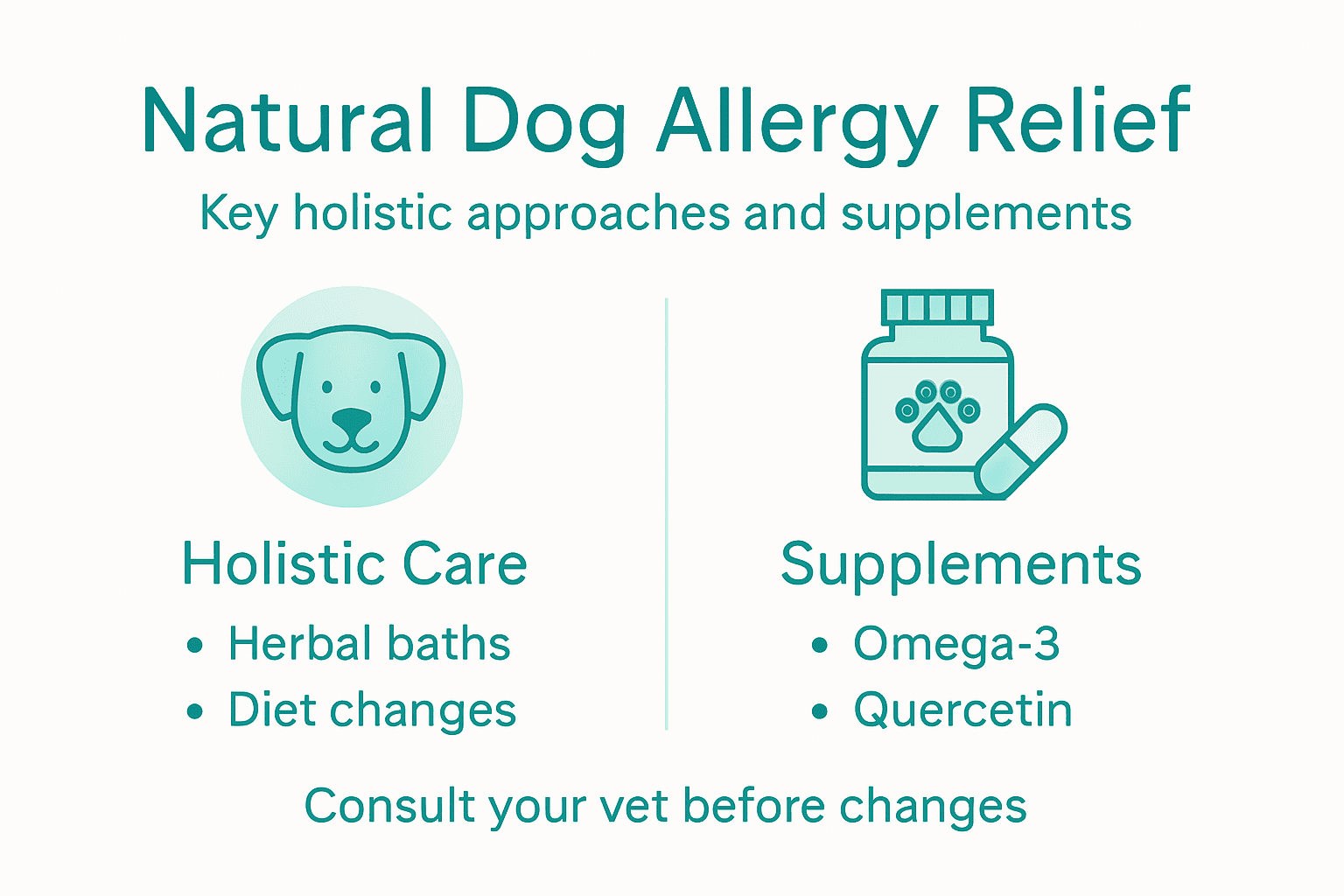
Natural remedies can include targeted herbal supplements known for their anti-inflammatory and immune-modulating properties. Ingredients such as chamomile, nettle, quercetin, and omega-3 fatty acids have demonstrated potential in reducing allergic responses. These supplements aim to support the dog’s immune system, reduce skin inflammation, and potentially minimise allergic reactions. Holistic allergy management requires a comprehensive approach that combines dietary adjustments, controlled environmental exposure, and carefully selected natural supplements.
While herbal interventions can offer supportive benefits, veterinary professionals emphasise the importance of professional consultation. Not all herbal treatments are suitable for every dog, and some may interact with existing medications or underlying health conditions. A tailored approach that considers the individual dog’s specific allergic profile, overall health, and potential sensitivities is crucial for safe and effective natural allergy management.
Pro tip: Consult with a veterinarian specialising in holistic pet care to develop a personalised natural allergy management strategy that addresses your dog’s unique health needs.
Vet-approved supplements and home care
Managing dog allergies requires a comprehensive approach that combines professional veterinary guidance with carefully selected home care strategies. Veterinary medicines for allergies must be authorised and prescribed based on individual dog health assessments, ensuring safe and targeted treatment for specific allergic conditions.
Supplement selection demands meticulous consideration. Approved veterinary supplements typically include omega-3 fatty acids, prebiotics, probiotics, and specialised immune-supporting compounds. These supplements aim to strengthen the dog’s immune system, reduce inflammatory responses, and support skin health. Essential components like zinc, vitamin E, and specific herbal extracts can help manage allergic symptoms when recommended by veterinary professionals.
Home care extends beyond medication and supplements. Environmental management plays a crucial role in allergy control. This involves regular cleaning to reduce allergen exposure, using hypoallergenic bedding, maintaining proper grooming routines, and creating allergen-controlled spaces within the home. Veterinary medicines regulation emphasises the importance of professional guidance to prevent misuse and ensure effective allergy management tailored to each dog’s unique health profile.
Pro tip: Create a detailed allergy management diary tracking your dog’s symptoms, environmental conditions, and response to supplements to help your veterinarian develop the most effective treatment plan.
These are key approaches for managing allergies in dogs and their main benefits:
| Management Method | Primary Goal | Notable Benefit |
|---|---|---|
| Elimination Diets | Identify dietary triggers | Relieves food-related symptoms |
| Herbal Supplements | Reduce inflammation, support immunity | Supports natural allergy control |
| Environmental Control | Limit allergen exposure in surroundings | Decreases allergic flare-ups |
| Veterinary Medication | Target immune response | Efficient, tailored symptom relief |
Risks, mistakes and when to seek help
Allergy management in dogs involves numerous potential pitfalls that can compromise a pet’s health and comfort. Common allergy management mistakes include neglecting early symptoms, attempting self-diagnosis, and relying on unverified home remedies without professional veterinary guidance.
Some critical risks can emerge from inappropriate allergy management. Owners might inadvertently worsen their dog’s condition by misinterpreting symptoms, using incorrect treatments, or failing to identify underlying triggers. Potential complications include chronic skin infections, persistent inflammation, compromised immune responses, and increased sensitivity to allergens. Severe allergic reaction risks can escalate quickly, potentially leading to anaphylactic responses that require immediate medical intervention.
Immediate veterinary consultation becomes crucial when observing certain warning signs. These include persistent skin irritation lasting more than a week, significant changes in coat quality, recurring ear infections, unexplained weight loss, continuous scratching that leads to skin damage, or any signs of systemic distress. Professional intervention helps prevent long-term health complications and provides targeted, scientifically-backed treatment strategies tailored to the individual dog’s specific allergic profile.
Pro tip: Document your dog’s allergy symptoms systematically, including frequency, duration, and specific triggers, to provide your veterinarian with comprehensive diagnostic information.
Support Your Dog’s Allergy Relief Naturally with Tailored Nutrition
Discover how natural, grain-free nutrition can play a pivotal role in easing your dog’s allergic symptoms and improving overall wellbeing. The article highlights challenges like persistent itching, skin irritation, and complex dietary triggers that many dog owners face. At Ultimate Pet Foods, we understand these concerns and offer a range of premium dog foods crafted from fresh, hypoallergenic ingredients designed to support sensitive skin and immune health.

Explore our collections to find specially formulated options that address common allergy triggers through balanced nutrition. Complement your dog’s diet with our Dog Treats - Healthy & Natural with Functional Benefits for natural support between meals. Take action now to give your pet lasting relief and enhanced comfort by choosing natural solutions that align with expert advice on managing dog allergies. Visit Ultimate Pet Foods today to start your dog’s journey to better health.
Frequently Asked Questions
What are some effective natural remedies for dog allergies?
Natural remedies for dog allergies may include herbal supplements such as chamomile, nettle, quercetin, and omega-3 fatty acids, which can help reduce inflammation and support the immune system.
How can I determine if my dog is suffering from allergies?
Common signs of allergies in dogs include persistent itching, skin irritations, gastrointestinal disturbances, and recurrent ear infections. Keeping a symptom diary can help identify patterns and potential triggers.
Are there any dietary changes I can make to help my dog with allergies?
Implementing controlled elimination diets can help identify specific food triggers causing allergic reactions in your dog, leading to more effective management of symptoms.
How should I consult with my veterinarian regarding natural remedies?
It’s essential to discuss any natural remedies you’re considering with your veterinarian, as some may interact with existing medications or underlying health conditions, ensuring a safe and personalised approach.


