

Is Grain Free Safe for Dogs? UK Facts & Risks

More than 30 percent of british dog owners now seek grain-free options for pets with food sensitivities. For anyone with a grain-sensitive breed, finding nutrition that truly supports your dog’s health can feel confusing with so much conflicting information about dietary needs. This guide gives clear, expert insight to help you weigh the real science, safety, and benefits of grain-free dog food for british pets who need a specialised approach.
Table of Contents
- What Does Grain-Free Dog Food Mean?
- Key Health Claims of Grain-Free Diets
- Common Myths and Concerns Explained
- Potential Risks Including Heart Health
- Who Should Feed Grain-Free and Why
- Expert Advice for Choosing Safely
Key Takeaways
| Point | Details |
|---|---|
| Grain-Free Definition | Grain-free dog food eliminates traditional grains and uses alternative ingredients like sweet potatoes and peas for better nutritional balance. |
| Health Claims | Proponents believe grain-free diets improve digestion and reduce allergies, but evidence supporting these claims is limited. |
| Individual Needs | Not all dogs require a grain-free diet; veterinary guidance is essential to avoid nutritional imbalances. |
| Potential Risks | There may be health implications, including heart health concerns, linked to certain legume-heavy grain-free diets, necessitating professional advice. |
What Does Grain-Free Dog Food Mean?
Grain-free dog food represents a specialised dietary approach where traditional grains like wheat, corn, and barley are completely eliminated from the recipe. Grain-free diets use alternative carbohydrate sources such as sweet potatoes, lentils, and peas to provide essential nutritional balance for dogs.
These specialised diets emerged as a response to growing understanding of canine nutritional needs and potential grain sensitivities. Unlike standard dog foods that rely on grains as primary carbohydrate sources, grain-free options focus on providing energy and nutrients through alternative ingredients. The goal is to create a diet more closely mimicking what dogs might consume in natural settings, with high-quality proteins and complex carbohydrates from non-grain sources.
The composition of grain-free dog food typically includes:
Here’s how common carbohydrate sources differ in grain-free vs. standard dog food:
| Source Type | Standard Dog Food Example | Grain-Free Dog Food Example | Digestibility Impact |
|---|---|---|---|
| Grain | Wheat, corn, barley | None | Often highly digestible |
| Starchy Vegetable | Minimal use | Sweet potato, pumpkin | Varies, often well tolerated |
| Legume | Rarely included | Peas, chickpeas, lentils | Can cause mild sensitivities |
| Novel Carbohydrates | Seldom present | Tapioca, quinoa | Typically well accepted |
- Protein-rich meat as the primary ingredient
- Alternative carbohydrate sources like sweet potatoes
- Nutrient-dense vegetables and legumes
- Essential vitamins and minerals
- No wheat, corn, rice, or barley products
Pro tip: Always consult with your veterinarian before switching your dog’s diet to ensure the grain-free option meets your individual dog’s specific nutritional requirements.
Key Health Claims of Grain-Free Diets
Grain-free dog diets have gained significant popularity among pet owners seeking alternative nutrition strategies, with several key health claims driving their appeal. Proponents argue that grain-free diets can improve digestive health and reduce allergic reactions for dogs with sensitive systems.
The primary health claims surrounding grain-free nutrition centre on addressing potential digestive sensitivities and supporting overall canine wellness. Some dog owners believe these diets can help manage weight, reduce skin irritations, and provide a more natural nutritional profile closer to a dog’s ancestral diet. However, veterinary nutritionists caution that clinical evidence for these claims remains limited, and not all dogs require grain elimination.
Key health claims typically include:
- Improved digestive function
- Reduced allergic reactions
- Better weight management
- Enhanced skin and coat health
- Elimination of potential grain-related inflammatory responses
However, it is crucial to understand that these claims are not universally applicable. Every dog has unique nutritional needs, and blanket dietary recommendations can potentially lead to nutritional imbalances. Professional veterinary guidance remains essential when considering significant dietary changes.
Pro tip: Conduct a thorough health assessment with your veterinarian before transitioning to a grain-free diet, ensuring the nutritional strategy aligns with your individual dog’s specific health requirements.
Common Myths and Concerns Explained
Many dog owners mistakenly believe grain-free diets are universally beneficial, but veterinary experts emphasise that these diets are not a one-size-fits-all nutritional solution. The persistent myth that grain-free food is inherently healthier can lead pet owners to make dietary choices without fully understanding their dog’s specific nutritional requirements.
Several prevalent misconceptions surround grain-free dog nutrition that require careful examination. First, grain allergies are extremely rare in dogs, contrary to popular belief. Many pet owners mistakenly assume their dog has a grain sensitivity when the actual issue might be related to protein sources or other dietary components. The perception that grains are unnecessary or harmful is not supported by comprehensive veterinary nutritional research.
Key myths about grain-free diets include:
- Grains are unnecessary fillers in dog food
- All dogs benefit from grain elimination
- Grain-free automatically means healthier
- Grain allergies are common in dogs
- Ancestral diets should completely eliminate grains
Understanding the nuanced reality of canine nutrition requires careful consideration of individual dog needs, breed characteristics, and professional veterinary guidance. Not every dog requires a grain-free diet, and blanket dietary recommendations can potentially lead to nutritional imbalances.
Pro tip: Consult with a veterinary nutritionist to conduct comprehensive allergy testing and develop a personalised dietary plan tailored to your individual dog’s specific health requirements.
Potential Risks Including Heart Health
Recent investigations have raised concerns about potential connections between grain-free diets and heart health in dogs, specifically regarding dilated cardiomyopathy (DCM), a serious cardiac condition. The primary focus has been on diets containing high levels of legume-based ingredients like peas, lentils, and chickpeas, which may potentially impact cardiac function.

While initial FDA investigations suggested a possible link between grain-free diets and increased DCM risk, subsequent research has provided more nuanced insights. Scientific studies examining diets with substantial pulse ingredient content have not consistently demonstrated direct heart health risks, indicating that the relationship is complex and not fully understood. Genetic predispositions, individual dog health, and specific nutritional balances play significant roles in potential cardiac complications.
Key considerations regarding potential heart health risks include:
- Genetic factors influencing DCM susceptibility
- Nutritional composition of grain-free diets
- Individual dog breed characteristics
- Potential nutrient deficiencies
- Importance of balanced ingredient profiles
Critical nutritional factors require comprehensive understanding and professional veterinary assessment. Not all grain-free diets pose identical risks, and individual dog health circumstances vary significantly. Comprehensive nutritional screening and professional guidance remain essential in making informed dietary choices.
Pro tip: Request a comprehensive cardiac and nutritional screening from your veterinarian before making significant changes to your dog’s diet, ensuring a personalised approach to nutritional management.
Who Should Feed Grain-Free and Why
Grain-free dog food is not a universal solution, but rather a specialised dietary approach recommended for specific health circumstances. Most dogs effectively digest grains without complications, making grain-free diets a targeted intervention rather than a standard nutritional requirement.
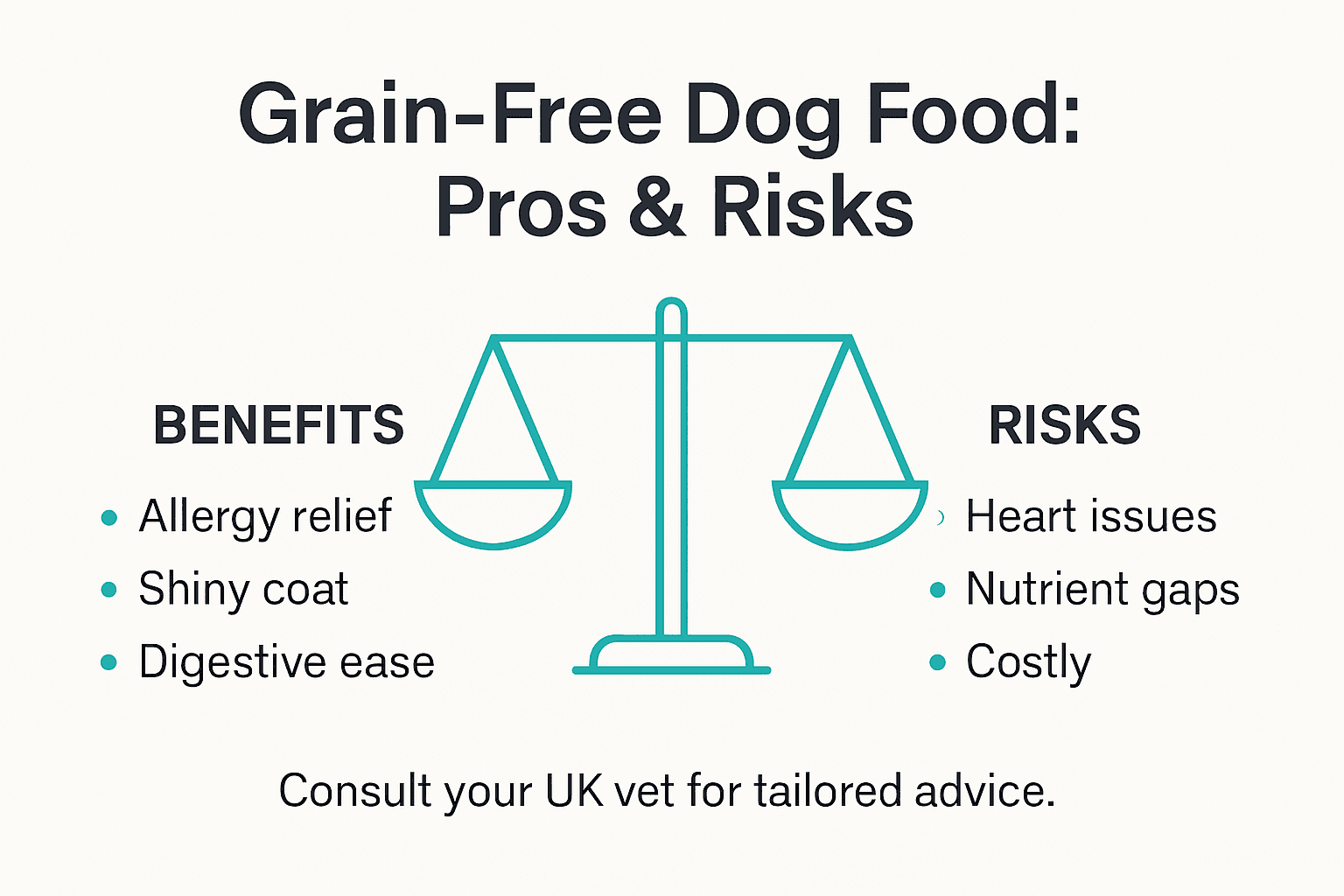
Certain canine populations may benefit from grain-free nutrition, particularly those experiencing specific health challenges. Dogs with confirmed food allergies, chronic skin irritations, or persistent digestive issues might find grain-free diets helpful when professionally diagnosed and recommended. Key indicators suggesting potential grain-free suitability include recurring gastrointestinal symptoms, unexplained skin conditions, and documented grain protein sensitivities.
Dogs who might benefit from grain-free nutrition include:
- Canines with confirmed grain allergies
- Dogs experiencing chronic skin inflammation
- Pets with persistent digestive sensitivities
- Breeds genetically predisposed to food intolerances
- Animals with specific veterinary-diagnosed dietary requirements
However, it is crucial to understand that grain-free does not automatically equate to superior nutrition. Professional veterinary guidance remains essential in determining whether a grain-free diet represents the most appropriate nutritional strategy for an individual dog.
Pro tip: Request comprehensive allergy testing and a detailed nutritional consultation with your veterinarian before transitioning to a grain-free diet to ensure it genuinely addresses your dog’s specific health needs.
Expert Advice for Choosing Safely
Veterinary professionals emphasise the critical importance of selecting grain-free dog food with meticulous care and professional guidance, ensuring nutritional completeness and suitability for individual canine health requirements. The decision to transition to a grain-free diet should never be undertaken impulsively or without comprehensive understanding.
Experts recommend a structured approach when contemplating grain-free nutrition. Comprehensive veterinary consultation remains paramount in determining whether a grain-free diet genuinely addresses a dog’s specific health needs, with careful consideration of individual factors such as breed, age, existing health conditions, and potential allergies. A thorough assessment helps prevent potential nutritional imbalances and ensures dietary modifications serve the dog’s overall wellbeing.
Key expert recommendations for safe grain-free food selection include:
- Consult a veterinary nutritionist before dietary changes
- Choose diets meeting FEDIAF nutritional standards
- Verify protein and nutrient balance
- Select foods from reputable manufacturers
- Monitor your dog’s health during transition
- Conduct comprehensive allergy testing
- Ensure gradual dietary introduction
Nutritional complexity demands individualised strategies, recognising that no single dietary approach suits all dogs. Professional guidance transforms grain-free selection from a potential risk to a targeted nutritional intervention.
The table below summarises expert recommendations for safely selecting grain-free foods:
| Recommendation | Rationale | Impact on Dog Health |
|---|---|---|
| Veterinary consultation | Identifies true dietary needs | Prevents unnecessary changes |
| Check FEDIAF standards | Ensures nutritional completeness | Avoids nutrient deficiencies |
| Reputable manufacturer | Reliable sourcing and safety | Reduces risk of recalls |
| Monitor transition closely | Detects possible adverse effects | Supports individual wellbeing |
Pro tip: Maintain a detailed food diary documenting your dog’s response to dietary changes, including energy levels, digestive health, and overall wellbeing, to share with your veterinarian during follow-up consultations.
Discover Safe Grain-Free Nutrition Tailored to Your Dog’s Needs
Understanding whether grain-free dog food is truly safe requires careful attention to your pet’s unique health. If you are concerned about digestive sensitivities, allergies, or risks related to heart health discussed in the article, choosing a trusted, nutritionally balanced grain-free option is essential. At Ultimate Pet Foods we specialise in fresh natural recipes that avoid common grains while providing complete nutrition tailored for different breeds and life stages.
Explore our range including the Small Breed Grain Free Dog Food | Freshly Prepared & Natural – Ultimate Pet Foods designed to support sensitive digestion and skin health. For growing pups with specific dietary needs try our Grain Free Puppy Food - Optimal Health & Nutrition. Act now to give your dog the right nutrition with confidence by visiting https://ultimatepetfoods.co.uk and consult with your veterinarian to make the best choice for your furry companion.
Frequently Asked Questions
What does grain-free dog food mean?
Grain-free dog food eliminates traditional grains like wheat and corn, replacing them with alternative carbohydrate sources such as sweet potatoes, peas, and lentils to meet dogs’ nutritional needs.
Is a grain-free diet suitable for all dogs?
No, a grain-free diet is not universally suitable. Most dogs digest grains without issues. It’s primarily recommended for dogs with specific health concerns like grain allergies or certain digestive issues.
What are the health risks associated with grain-free diets?
Potential health risks may include connections to heart health issues, specifically dilated cardiomyopathy (DCM), particularly in diets high in legumes. Consultation with a veterinarian is advised to assess individual health needs.
How can I safely transition my dog to a grain-free diet?
To safely transition, consult a veterinary nutritionist, choose diets that meet nutritional standards, and monitor your dog’s health closely during the change to prevent potential nutritional imbalances.


