
How to Transition Dogs to Grain Free Safely at Home
Finding the right food for a dog with sensitivities can feel overwhelming, especially when advice seems to change with every new trend. Understanding whether a grain-free approach is truly needed for your dog makes all the difference for their wellbeing. This guide breaks down when grain-free feeding is necessary, how to select the best foods, and ways to manage the switch without upsetting your dog’s digestion—always putting their unique health needs first.
Table of Contents
- Step 1: Assess Your Dog’s Readiness For Grain Free Feeding
- Step 2: Select The Ideal Grain Free Dog Food Variety
- Step 3: Introduce Grain Free Food Gradually Alongside Current Diet
- Step 4: Monitor Your Dog’s Health And Adjust As Needed
Quick Summary
| Key Point | Explanation |
|---|---|
| 1. Assess allergy or sensitivity first | Consult a veterinarian to confirm your dog’s specific need for a grain-free diet based on health issues or allergies. |
| 2. Prioritise quality ingredients | Look for grain-free foods with fresh meat, whole ingredients, and minimal fillers for optimal nutrition. |
| 3. Transition to new food gradually | Mix the current food with the new grain-free option over 1-2 weeks to prevent digestive upset and aid adaptation. |
| 4. Monitor health after switching | Pay attention to your dog’s condition, noting improvements in coat, digestion, and energy over the first month. |
| 5. Maintain a food diary | Keep records of your dog’s reactions and health changes during the transition for better insights during veterinary consultations. |
Step 1: Assess your dog’s readiness for grain free feeding
Before switching your dog to a grain-free diet, you need to understand whether it’s genuinely the right choice for your pet. Not every dog needs grain-free food. Dogs are actually dietary omnivores and can digest grains well, which means grains aren’t inherently problematic for most dogs.
The key question is simple: does your dog have a confirmed issue with grains? This might be a diagnosed allergy, sensitivity, or specific health condition that would benefit from removing grains. Without one of these reasons, a grain-free diet may not offer any additional benefit. Your veterinarian should guide this decision, not marketing claims or trends.
Start by reviewing your dog’s current health and feeding history.
- Digestive signs: Chronic loose stools, frequent vomiting, or persistent gas
- Skin issues: Itching, redness, recurring ear infections, or inflamed paws
- Energy levels: Letharness, bloating after meals, or visible discomfort
- Previous diagnoses: Any allergy tests, elimination diets, or vet-recommended dietary changes
Pay attention to whether these signs actually improved on different foods in the past. Some owners assume grain causes problems when the issue might be ingredient quality, portion sizes, or something entirely unrelated.
Consult your vet before making changes. They can review your dog’s nutritional needs and overall health status to determine if grain-free feeding makes sense. A vet may also recommend specific recipes or suggest a structured transition plan based on your dog’s individual circumstances. Understanding benefits of grain-free nutrition helps you make an informed choice alongside professional guidance.
Ask yourself: Is my dog showing genuine symptoms, or am I responding to marketing? Have we ruled out other causes?
To clarify when a grain-free diet may be appropriate, here’s a comparison of typical dog health concerns and whether grain removal is likely to help:
| Health Concern | Grain-Free Benefits | Recommended Action |
|---|---|---|
| Diagnosed grain allergy | Improved digestion, reduced symptoms | Start grain-free, consult vet |
| Generic digestive issues | Rare benefit unless grain cause | Seek vet diagnosis before switching |
| Unexplained skin problems | May assist if allergy confirmed | Try elimination diet, vet guidance |
| Weight management | No direct grain link | Focus on calorie quality, not grains |
Your vet’s input shapes the entire transition. Without it, you’re guessing at what your dog actually needs.
Pro tip: Keep a simple food diary for two weeks before your vet appointment, noting your dog’s digestion, energy, and any physical symptoms—this gives your vet concrete information to work from instead of vague concerns.
Step 2: Select the ideal grain free dog food variety
Now that you’ve confirmed your dog is ready for grain-free feeding, it’s time to choose the right formula. The market offers numerous options, and selecting the best one means understanding what your dog actually needs and what makes a quality grain-free food stand out.
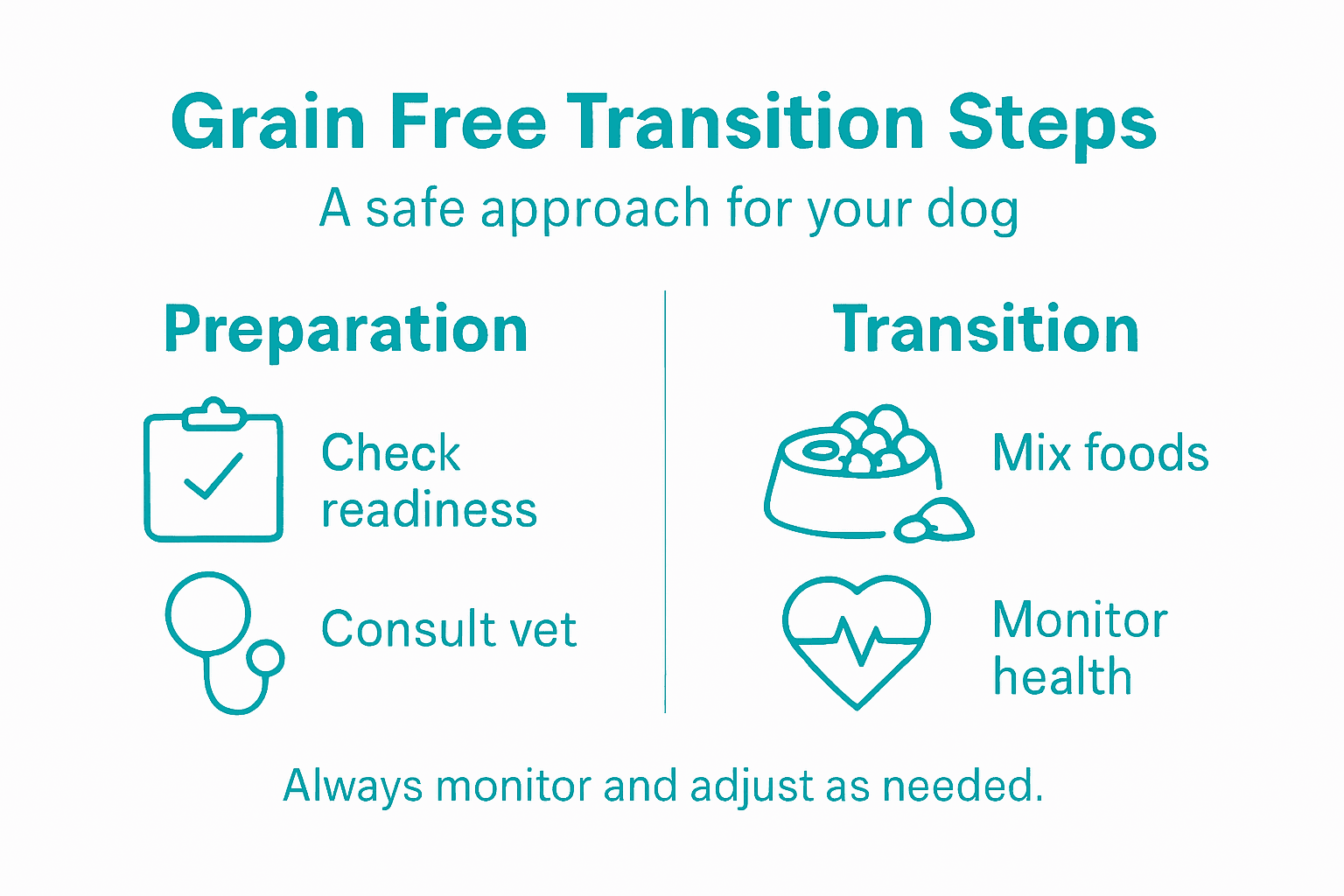
Start by identifying your dog’s primary health goal. Are you addressing digestive sensitivities, skin issues, weight management, or simply providing premium daily nutrition? Your choice here shapes which recipe works best.
Quality ingredients matter far more than marketing buzzwords. Look for these essentials in any grain-free food you consider:
- Freshly prepared meat or fish as the primary protein source
- Named whole ingredients rather than vague terms like “meat meal”
- Minimal fillers and artificial additives
- Added prebiotics such as MOS and FOS to support healthy digestion
- Transparent sourcing and manufacturing practices
When comparing options, read ingredient lists carefully. The first few ingredients reveal what your dog is actually eating. Premium grain-free foods prioritise real protein, quality fats, and whole vegetables over cheap fillers.
Consider your dog’s specific needs alongside ingredient quality. Some dogs benefit from tailored grain-free nutrition designed for particular health goals rather than generic “grain-free” formulas. If your dog has digestive challenges, look for recipes with hydrolysed proteins and specific digestive support. For skin or coat concerns, prioritise formulas with omega-rich ingredients.
Don’t overlook the transition practicality. Choose a food your dog will actually enjoy and that fits your feeding routine. A premium food your dog refuses isn’t helpful, no matter how excellent the formula.
Price and brand reputation should factor in, but they’re not the whole story. Sometimes a mid-range quality food works better than an expensive boutique brand, depending on your dog’s individual response.
To aid selection, here’s a summary of key grain-free dog food features by priority:
| Feature Priority | Impact on Health | Why It Matters |
|---|---|---|
| Real protein source | Supports muscle & energy | Essential for wellbeing |
| Whole ingredients | Minimises sensitivities | Reduces food reactions |
| Prebiotics added | Promotes gut health | Improves digestion |
| Transparent sourcing | Builds trust in safety | Ensures quality supply |
The best grain-free food is the one your dog thrives on, not necessarily the most expensive or trendy option available.
Pro tip: Request a small sample before committing to a full bag, allowing your dog to show how their digestion responds before you invest in larger quantities.
Step 3: Introduce grain free food gradually alongside current diet
A rapid food change can trigger digestive upset, which defeats the purpose of transitioning safely. The key is mixing your dog’s current food with the new grain-free option gradually over one to two weeks, allowing their digestive system to adapt smoothly.
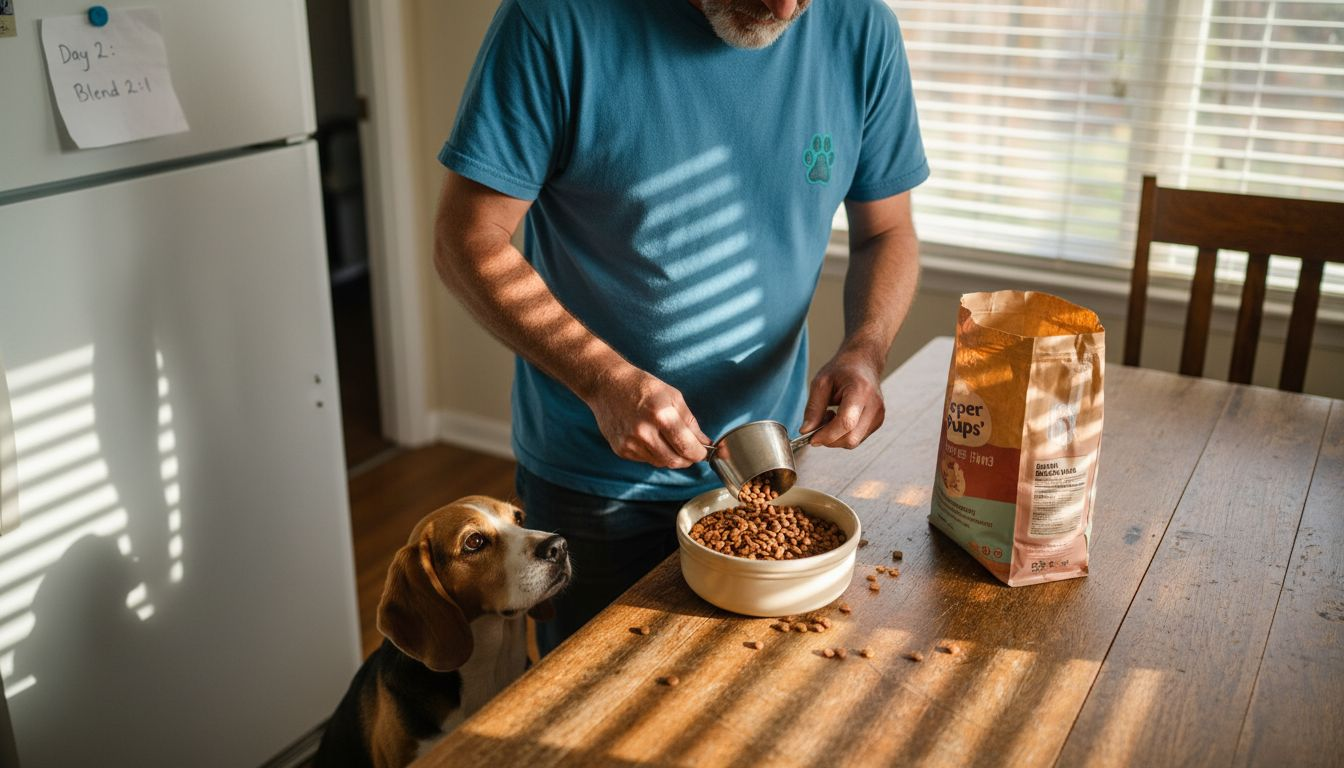
This gradual approach prevents common issues like diarrhoea, vomiting, and stomach discomfort. When you transition diet changes slowly, you’re giving your dog’s gut bacteria time to adjust to the new food composition.
Follow this straightforward schedule for a smooth transition.
- Days 1-3: Mix 25% grain-free food with 75% current food
- Days 4-6: Increase to 50% grain-free and 50% current food
- Days 7-9: Move to 75% grain-free and 25% current food
- Day 10 onwards: Transition fully to the new grain-free food
Measure portions carefully when mixing. If your dog normally eats 200 grams daily, the total amount stays the same; you’re just adjusting the ratio of old to new food. This prevents overfeeding and keeps calorie intake consistent.
Watch your dog’s digestion throughout this period. Slightly softer stools are normal during transition, but persistent diarrhoea or vomiting signals you should slow down the process. Some dogs need a gentler timeline, so extend each phase by a few extra days if needed.
Keep mealtimes consistent and separate the old and new food slightly in the bowl initially, allowing your dog to eat familiar food first if anxious. Once they’re eating confidently, mix everything together.
Make notes about your dog’s energy, appetite, and digestion as you progress. These observations help you spot exactly when their system adapts and whether the new food is working well for them.
A slower transition prevents digestive distress and helps you identify whether this new food truly suits your dog.
Pro tip: Keep the old food container accessible during the entire two-week window so you can adjust ratios upwards if you notice any digestive sensitivity, rather than forcing the transition timeline.
Step 4: Monitor your dog’s health and adjust as needed
Once your dog has fully transitioned to grain-free food, your job isn’t finished. The next four to eight weeks are crucial for observing how your dog responds to the new diet. This monitoring period tells you whether the switch was successful and if any adjustments are needed.
Watch for the physical signs that indicate your dog is thriving. Signs of a healthy dog include a glossy coat, clear eyes, steady energy levels, and consistent digestive health. Compare what you see now to your dog’s condition before the transition.
Track these key health markers throughout the first month on the new food.
- Coat quality: Improved shine, reduced flaking, and less shedding often appear within 3-4 weeks
- Digestive health: Consistent firm stools, regular bowel movements, and no bloating
- Energy and mood: Normal activity levels, enthusiasm at mealtimes, and stable behaviour
- Skin condition: Reduced itching, fewer rashes, and healthier ear appearance
- Body condition: Maintaining or reaching ideal weight without dietary changes
Some improvements appear quickly, whilst others take longer. Skin issues and coat quality typically show noticeable changes within 4-6 weeks, whereas digestive stability often improves within days.
If your dog shows ongoing digestive upset, itching, or lethargy after four weeks, consult your veterinarian. The grain-free food might not be the right fit, or your dog may need specific support. Don’t force a transition that isn’t working.
Continue taking notes about appetite, portion sizes, and any changes you observe. These records help your vet if issues arise and guide decisions about portion adjustments or recipe changes.
Remember that grain-free feeding is a long-term commitment. Once you’ve confirmed the food suits your dog, you’ll likely keep feeding it indefinitely. Consistency helps maintain digestive health and allows you to spot any changes quickly.
The transition is complete when your dog shows stable digestion, good energy, and overall wellbeing on the new food.
Pro tip: Take photographs of your dog’s coat and body condition at the start of the transition and again at the four-week mark, providing visual proof of dietary changes that are sometimes subtle day-to-day.
Take the Stress Out of Transitioning Your Dog to Grain Free Nutrition
Transitioning your dog to a grain-free diet can feel overwhelming with the risks of digestive upset and confusion over the best formula to choose. You want to ensure your dog thrives on a high-quality food that supports digestion, skin health and overall wellbeing. That is exactly why at Ultimate Pet Foods we offer premium natural grain-free options made from freshly prepared ingredients designed to suit different breeds and health needs.
Start your dog’s grain-free journey confidently by exploring our carefully crafted recipes that prioritise real proteins, prebiotics for gut health and transparent sourcing. Discover how easy it is to support your dog’s health with products tailored to specific conditions and life stages. Visit Ultimate Pet Foods now to find your ideal grain-free dog food and access expert guidance on feeding transitions to keep your dog happy and healthy.
Frequently Asked Questions
How do I know if my dog is ready for a grain-free diet?
To determine if your dog is ready for a grain-free diet, assess for any signs of grain allergies, digestive issues, or skin problems. Consult your veterinarian to confirm any diagnosed sensitivities and to discuss your dog’s nutritional needs.
What are the key features to look for in grain-free dog food?
When selecting grain-free dog food, prioritise real protein sources, whole ingredients, and the inclusion of prebiotics. Ensure that the first few ingredients are high-quality and avoid foods with vague terms like “meat meal.”
How should I introduce grain-free food to my dog’s diet?
Introduce grain-free food gradually over one to two weeks by mixing it with your dog’s current food. Start with a 25% grain-free to 75% current food ratio, and increase it by 25% every few days until fully transitioning.
What signs should I monitor once my dog is on a grain-free diet?
Monitor your dog’s coat quality, energy levels, digestive health, and skin condition for signs of improvement. Look for a shiny coat, firm stools, and consistent energy levels within four to eight weeks after the transition.
What should I do if my dog has digestive issues after switching to grain-free food?
If your dog experiences ongoing digestive upset after the transition, slow down the process or revisit your veterinarian for guidance. They can help determine if the current grain-free food is suitable or if a different approach is necessary.
How long should I keep a food diary for my dog during the transition?
Maintain a food diary for two weeks before and during the transition to grain-free food. Note any changes in digestion, energy levels, and symptoms so you have clear information to share with your veterinarian.
Recommended
- Transitioning to Grain Free: A Natural Dog Diet Guide
- Expert Tips for Transitioning Dog Foods Successfully
- Dog Meal Prep Ideas for Healthy Grain-Free Feeding
- Why a Grain-Free Diet is the Best Choice for Your Dog: Exploring the B
- Understanding Pet Safe Plumbing Tips For Your Home - Legacy Plumbing & Drain - Emergency Plumbers Of Sacramento