
Dog Meal Prep Ideas for Healthy Grain-Free Feeding
Most British dog owners want the best for their furry companions, yet over 60 percent still struggle to choose the most suitable meals. Understanding your dog’s unique dietary needs is essential for their long-term health and happiness. Discover how simple, safe steps and proper ingredient choices can make every meal nutritious while fitting seamlessly into your daily routine.
Table of Contents
- Stage 1: Assess Your Dog’s Dietary Needs
- Stage 2: Gather Premium Grain-Free Ingredients
- Stage 3: Prepare Balanced Meal Components Safely
- Stage 4: Portion Meals According to Feeding Guidelines
- Stage 5: Store And Serve Meals For Freshness
Quick Summary
| Key Point | Explanation |
|---|---|
| 1. Assess your dog’s dietary needs | Understand your dog’s specific nutritional requirements by evaluating their body condition and consulting your veterinarian for personalised guidance. |
| 2. Choose high-quality ingredients | Select fresh, whole protein sources and safe vegetables to ensure balanced meals. Avoid toxic ingredients and check for minimal processing. |
| 3. Prepare meals safely and correctly | Cook proteins thoroughly, use separate cutting boards for meats and vegetables, and maintain proper nutritional ratios in the meals. |
| 4. Portion meals based on guidelines | Follow recommended serving sizes related to your dog’s weight and activity level, potentially dividing portions into smaller meals. |
| 5. Store and serve meals properly | Use airtight containers for storage, refrigerate promptly, and serve at room temperature to maintain freshness and palatability. |
Stage 1: Assess your dog’s dietary needs
Successfully preparing grain-free meals for your dog begins with a comprehensive understanding of their individual nutritional requirements. Evaluating your dog’s body condition score provides crucial insights into their overall health and specific dietary needs.
Start by performing a physical assessment of your dog. Gently run your hands along their body to feel their ribcage. Ideally, you should be able to feel the ribs without pressing too hard, but they should not be visibly protruding. A healthy dog will have a noticeable waistline when viewed from above and a slight abdominal tuck when viewed from the side. The British Small Animal Veterinary Association recommends regularly monitoring body weight and condition to maintain optimal nutrition and health.
Consider additional factors like age, breed, activity level, and any specific health conditions. Puppies, senior dogs, working breeds, and dogs with medical issues will have unique nutritional requirements. Consult with your veterinarian to create a tailored dietary plan that addresses your dog’s specific needs.
Top Tip: Keeping a monthly log of your dog’s weight and body condition can help you quickly identify and adjust their nutritional intake to maintain their ideal health.
Stage 2: Gather premium grain-free ingredients
Preparing a nutritious grain-free meal for your dog requires carefully selecting high-quality, safe ingredients that support their overall health. Understanding the safe fruits and vegetables for dogs is an essential first step in creating balanced and wholesome meals.
Focus on sourcing fresh, whole protein sources like lean meats such as chicken, turkey, beef, or fish. Select organic options when possible to minimise potential chemical exposure. Include nutrient-dense vegetables like sweet potatoes, carrots, spinach, and pumpkin which provide essential vitamins and minerals. Avoid ingredients known to be toxic to dogs, such as onions, garlic, grapes, and avocados. Checking food safety guidelines from official sources can help prevent potential contamination risks when selecting ingredients.
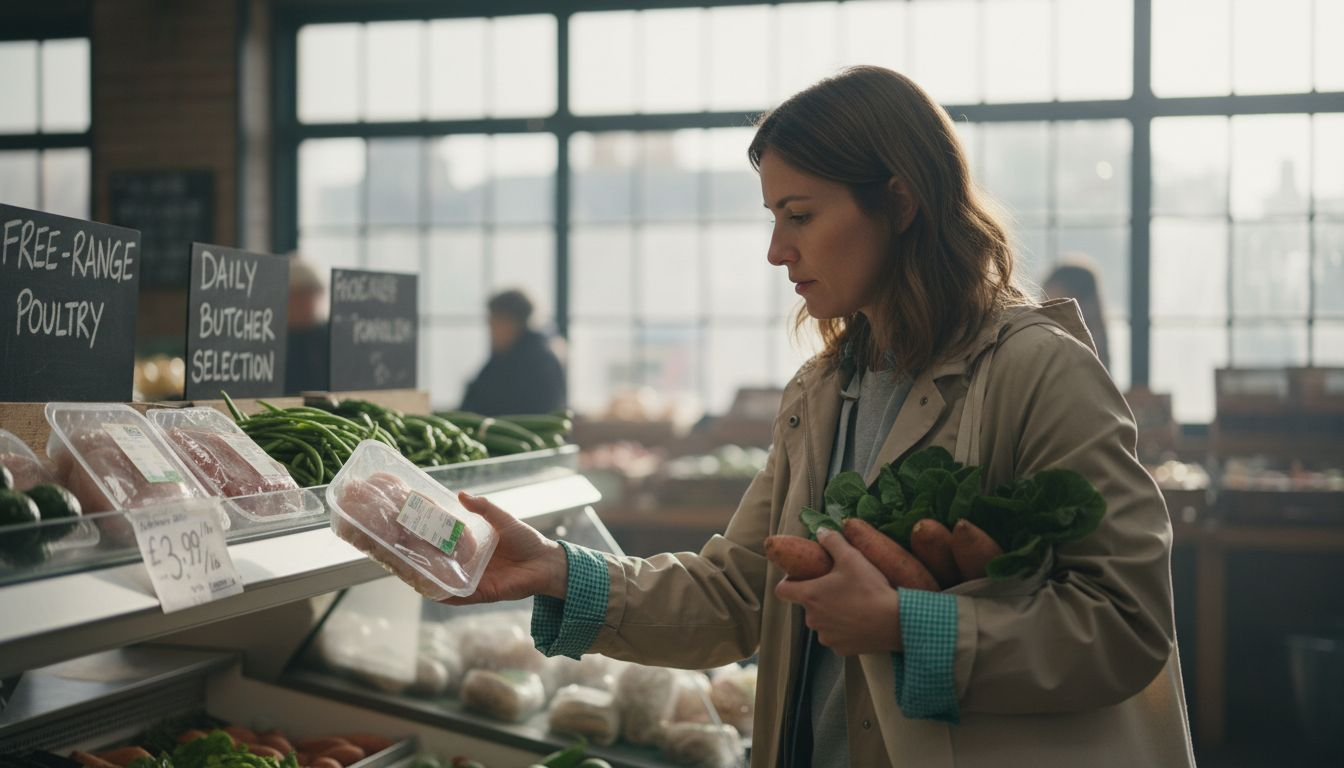
When purchasing ingredients, read labels carefully and choose products with minimal processing. Look for single-ingredient or limited-ingredient options that provide clear information about their nutritional content. Consider consulting with a veterinary nutritionist to ensure your homemade grain-free diet meets all of your dog’s specific nutritional requirements.
Top Tip: Always introduce new ingredients gradually and in small quantities to monitor your dog’s individual reaction and prevent potential digestive upset.
Here is a quick reference comparing common protein and vegetable choices for grain-free dog meals:
| Ingredient Type | Example Foods | Key Nutrients Provided | Notes on Use |
|---|---|---|---|
| Protein Source | Chicken, turkey, fish, beef | Amino acids, iron, B vitamins | Use fresh, lean cuts; cook thoroughly |
| Vegetable | Sweet potato, pumpkin, spinach, carrot | Fibre, vitamins A and C, potassium | Steam or boil to aid digestion |
| Fruit (occasional) | Blueberry, apple (seedless), pear | Antioxidants, vitamin C, fibre | Small portions only, avoid seeds |
| Healthy Fat | Salmon oil, flaxseed oil | Omega-3 fatty acids, vitamin E | Add sparingly for skin and coat health |
Stage 3: Prepare balanced meal components safely
Preparing a nutritionally complete and safe meal for your dog requires careful attention to detail and understanding of your pet’s specific dietary needs. Conducting a systematic food trial helps ensure that each ingredient supports your dog’s health and does not cause adverse reactions.
Start by cooking proteins thoroughly to eliminate potential harmful bacteria. Use separate cutting boards for raw meats and vegetables to prevent cross contamination. Measure ingredients precisely to maintain the correct nutritional balance, ensuring proteins comprise approximately 50 percent of the meal with vegetables and nutrient-dense additions making up the remainder. Following official welfare guidelines recommends providing fresh drinking water alongside every meal to support proper hydration and digestion.
Cook ingredients using minimal additional fats or oils, preferably steaming or boiling to preserve nutritional integrity. Allow cooked ingredients to cool completely before mixing to prevent potential burns and maintain optimal texture. Consider portioning meals in advance and storing them in airtight containers to streamline your meal preparation process.
Top Tip: Invest in a digital kitchen scale to precisely measure ingredients and maintain consistent nutritional proportions in your dog’s homemade meals.
Stage 4: Portion meals according to feeding guidelines
Determining the right portion size is crucial for maintaining your dog’s optimal health and preventing weight related issues. Understanding how to feed your dog based on breed, age, and lifestyle provides the foundation for creating balanced nutritional meals.
Start by consulting the recommended serving guidelines on your dog food packaging, which typically provide portion suggestions based on weight and activity level. Consider your dog’s specific characteristics such as age, breed, metabolism, and daily exercise routine. Active working dogs or highly energetic breeds will require more calories compared to senior or less active companions. Regular weight and body condition monitoring allows you to make precise adjustments to portion sizes, ensuring your dog maintains a healthy body weight.
Measure portions using a consistent method like a standardised measuring cup or kitchen scale to guarantee accuracy. Divide daily recommended portions into two or three smaller meals to support better digestion and maintain steady energy levels. Remember that homemade grain free meals might require slight modifications compared to commercial dog food portions, so consult with a veterinary nutritionist for personalised guidance.
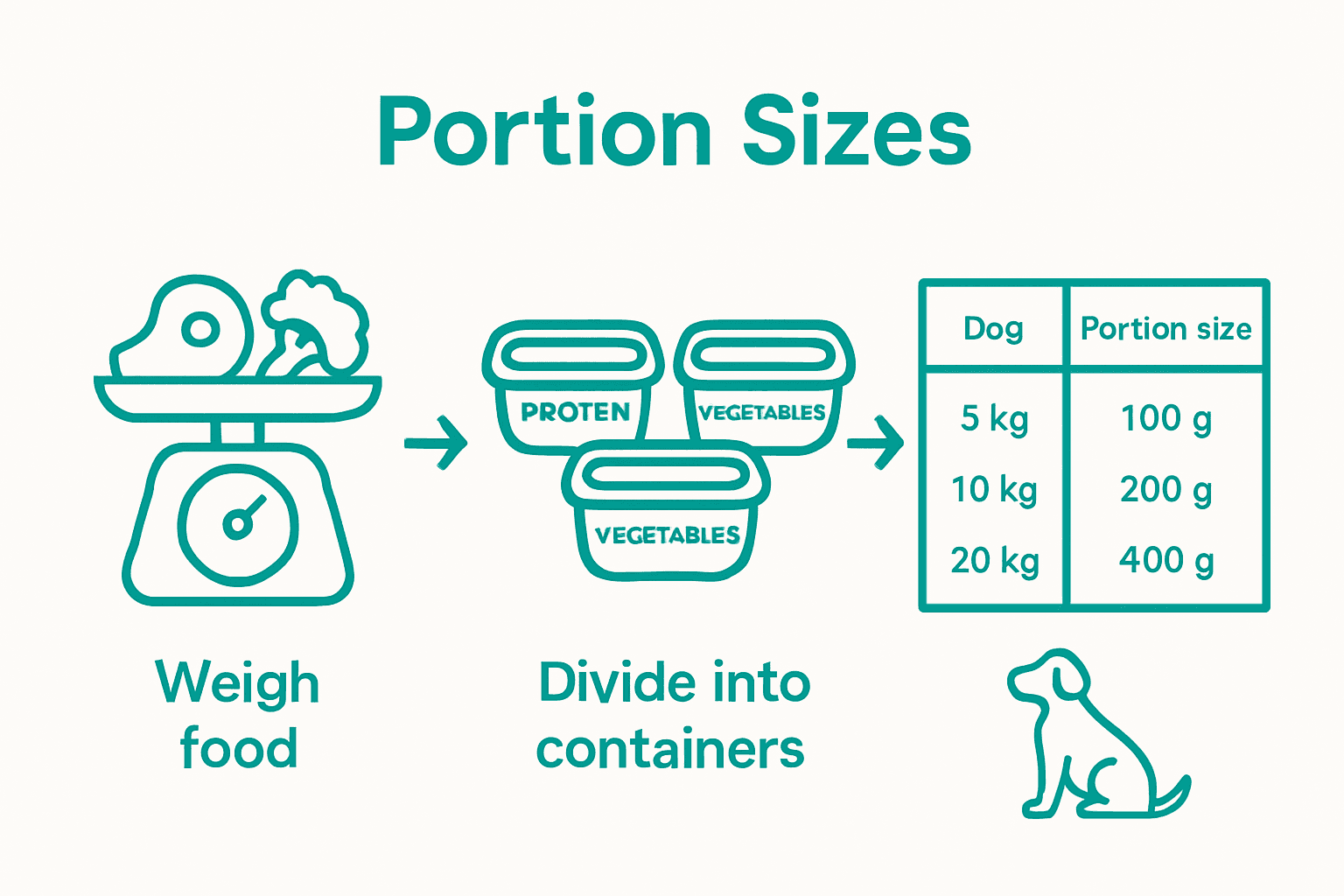
Top Tip: Create a weekly meal tracking chart to record your dog’s weight, portion sizes, and any observed changes in energy or health to help fine tune their nutritional intake.
Stage 5: Store and serve meals for freshness
Proper storage and serving techniques are essential to maintain the nutritional quality and safety of your homemade dog meals. Understanding comprehensive food safety guidelines helps ensure your dog receives meals that are both nutritious and safe.
Store prepared meals in airtight glass or BPA free plastic containers with secure lids. Refrigerate cooked meals immediately and consume within three to four days to prevent bacterial growth. Always label containers with preparation dates and divide larger batches into individual serving portions. When serving, remove meals from the refrigerator 10 to 15 minutes before mealtime to allow them to reach room temperature, which makes the food more appealing and easier to digest. Monitoring food storage practices helps maintain the nutritional integrity of homemade meals.
Freeze additional portions in portion controlled containers for longer term storage, being careful to leave some space at the top of each container to allow for expansion. Frozen meals can typically be stored for up to three months. When reheating, ensure the meal is thoroughly warmed but not scorching hot, and always check the temperature before serving to prevent potential burns.
Top Tip: Invest in a set of colour coded storage containers to separate different types of meals and prevent cross contamination during storage and preparation.
This summary outlines essential storage and serving tips for homemade dog meals:
| Aspect | Best Practice | Reason for Recommendation |
|---|---|---|
| Container Choice | Airtight, BPA free | Maintains freshness and safety |
| Refrigeration | Within 3-4 days | Prevents bacterial growth |
| Freezing | Up to 3 months | Preserves meal quality long-term |
| Serving Temp | Room temperature | More palatable for dogs |
Elevate Your Dog’s Grain-Free Meal Prep with Premium Nutrition
Preparing balanced and safe grain-free meals for your dog can feel overwhelming when trying to meet their unique dietary needs while ensuring quality and freshness. This article highlights common challenges such as assessing your dog’s nutritional requirements, sourcing wholesome ingredients, and calculating accurate portion sizes to maintain optimal health. At Ultimate Pet Foods, we understand these pain points and offer tailored solutions designed to simplify your grain-free feeding journey and support every stage of your dog’s life.
Discover our carefully crafted ranges like Try Our Grain Free Puppy Food - Optimal Health & Nutrition and Dry Dog Food | Grain-Free & Science-Backed Kibble – Ultimate Pet Foods that feature fresh ingredients, hypoallergenic formulas, and exactly the nutrients your dog needs for vitality and wellbeing.
Take the guesswork out of meal prep with our scientifically backed recipes and high-quality products. Visit Ultimate Pet Foods today to explore our full range and provide your dog with natural grain-free nutrition they deserve. Act now to support your dog’s health with trusted nutrition that makes every meal a success.
Frequently Asked Questions
What should I consider when assessing my dog’s dietary needs for grain-free meals?
To assess your dog’s dietary needs for grain-free meals, consider their body condition score, age, breed, activity level, and any specific health conditions. Start by evaluating their weight and physical appearance to determine if they require additional nutrients. Regularly monitor these factors to adjust their dietary intake as needed.
How can I gather safe ingredients for my dog’s grain-free meals?
Gather safe ingredients by focusing on high-quality proteins like chicken, beef, or fish, along with nutrient-dense vegetables such as sweet potatoes and spinach. Always avoid ingredients toxic to dogs, like onions and avocados. Check product labels for minimal processing and consider consulting a veterinary nutritionist for tailored advice.
What steps should I follow to prepare balanced meals for my dog?
When preparing balanced meals, cook proteins thoroughly to avoid harmful bacteria and use separate cutting boards for meats and vegetables to prevent cross contamination. Measure ingredients precisely, aiming for 50% protein with the remainder from vegetables and other nutrients. This ensures your dog’s meals are both nutritious and safe.
How do I determine the right portion sizes for my dog’s meals?
Determine portion sizes by consulting the feeding guidelines on your dog food packaging based on their weight and activity level. Adjust servings according to your dog’s specific needs, consistently measuring portions for accuracy. Split daily meals into two or three smaller servings to aid digestion and energy levels.
What are the best practices for storing my dog’s homemade meals?
Store your dog’s homemade meals in airtight, BPA-free containers and refrigerate them immediately. Ensure to consume meals within three to four days to prevent spoilage, and consider freezing extras for longer-term storage, ensuring they stay fresh for up to three months. Always reheat meals to a safe serving temperature before serving.
How can I track my dog’s weight and meal portions effectively?
Create a weekly tracking chart to log your dog’s weight, portion sizes, and any noticeable changes in their health or energy levels. This will allow you to make necessary adjustments to their diet and maintain their optimal weight. Regular monitoring can help you fine-tune their nutritional intake effectively.