
Tailored dog nutrition: give your dog the diet they need
TL;DR:
- Generic dog foods often fail to meet individual nutrient needs, especially in plant-based options.
- Tailored diets consider factors like age, breed, health, and activity for optimal health outcomes.
- Regular diet reviews and professional guidance ensure ongoing suitability and address micronutrient gaps.
Not all dogs thrive on the same bowl of food, and the science increasingly backs this up. Even carefully chosen premium options show that only 55% of plant-based dry foods meet all amino acid guidelines, with critical gaps in B vitamins and iodine that a general label simply cannot account for. Generic diets, no matter how well-marketed, often miss the precise nutritional targets your individual dog needs. Whether your dog is a senior Labrador with creaky joints, a working Spaniel burning serious calories, or a rescue with a sensitive stomach, what they eat should be built around them. This guide shows you exactly how to get there.
Table of Contents
- Why one-size-fits-all diets fall short
- What makes dog nutrition truly tailored?
- Evidence for tailored diets: health outcomes and special cases
- How to implement tailored nutrition for your dog 🐾
- What most owners miss about tailored dog nutrition
- Next steps: explore tailored nutrition for your dog
- Frequently asked questions
Key Takeaways
| Point | Details |
|---|---|
| No universal solution | Every dog has unique nutritional needs that generic diets often fail to meet. |
| Science drives personalisation | Leading UK brands now use science and vet input to craft breed- and health-specific diets. |
| Watch for gaps | Even premium or plant-based foods can lack vital micronutrients unless carefully balanced. |
| Review regularly | Your dog’s diet should be adapted over time, especially with health or age changes. |
Why one-size-fits-all diets fall short
Walk down any pet shop aisle and you will find bags boldly labelled “complete and balanced” for adult dogs. That phrase sounds reassuring, but it hides a wide range of variation. Research analysing 31 UK dry foods found notable gaps across nutritional profiles, particularly in plant-based options where iodine and B vitamin levels were consistently low. A food that meets the legal minimum for the average dog may still leave your particular dog wanting for key nutrients.
“Complete and balanced does not mean perfectly matched to your dog. It means meeting the minimum threshold for a population average, not for the individual animal in front of you.”
The problems are especially visible in certain categories:
- Plant-based dry foods often fall short on iodine and B vitamins, and only 24% meet all B vitamin guidelines
- Veterinary renal diets designed to protect the kidneys can inadvertently restrict protein to the point of amino acid deficiency
- Life-stage labelling (puppy, adult, senior) is broad, ignoring the fact that a six-year-old Border Collie and a six-year-old Bulldog have very different nutritional demands
- Marketing claims such as “natural,” “holistic,” or “grain-free” are not regulated in the same way as nutritional content, meaning they can mask formulation weaknesses
Understanding what makes a genuinely well-formulated food requires looking beyond the front of the bag. Our premium dog food guide breaks down exactly what separates a truly high-quality food from clever packaging. We also recommend checking our dry dog food comparison if you want to see how popular UK options actually stack up on the ingredients that matter.
With the limitations of store-bought and standard premium options exposed, we can now explore exactly what tailored nutrition means for your dog.
What makes dog nutrition truly tailored?
Tailored nutrition is not about buying a niche product with a fancy label. It is about genuinely adjusting what your dog eats based on factors that are specific to them. The key variables that any good personalised plan should account for include:
| Factor | Why it matters | Example |
|---|---|---|
| Age and life stage | Nutrient requirements shift at every stage | Puppies need higher calcium-to-phosphorus ratios |
| Breed and size | Metabolism, jaw structure, and breed-linked conditions vary | Dachshunds are prone to spinal issues; Boxers to heart problems |
| Activity level | Energy and protein demands change with exercise | Working sheepdogs need more calories and amino acids |
| Health conditions | Clinical conditions require specific adjustments | Diabetic dogs benefit from controlled carbohydrate intake |
| Coat and skin health | Fatty acid ratios affect coat quality and inflammation | Omega-3 to omega-6 balance is critical for itchy skin |
Science-driven brands have begun catching up with this complexity. Royal Canin and tails.com lead the UK market in personalised formulation, using breed-specific research and algorithm-driven profiling to create diets that go significantly beyond generic life-stage groupings. This kind of targeted approach is a step forward, though it still requires owner awareness and occasional supplementation, particularly for B vitamins and iodine in plant-based formulas.
We have written in detail about tailoring by life stage and nutrition by breed if you want to go deeper on either of those angles. For an overview of how nutritional science informs product development, our piece on science-backed premium nutrition is a good starting point.
Dynamic adjustment is also part of the picture. A personalised plan designed for your dog at age two should not look identical at age eight. As muscle mass, activity levels, and metabolic rates change, so should the diet.
Pro Tip: Ask your vet to include a body condition score assessment at every annual check-up. This simple tool measures whether your dog is at an ideal weight and muscle mass, giving you a practical prompt to reassess their food.
Knowing that tailored nutrition offers specific advantages, let’s see how it directly impacts health, especially for dogs with medical needs.
Evidence for tailored diets: health outcomes and special cases
The evidence for personalised feeding is particularly compelling when you look at dogs managing health conditions. This is where the difference between a broadly suitable food and a genuinely matched diet becomes measurable.
Diabetes and blood sugar control
One of the clearest examples comes from diabetic dogs. A clinical study found that a homemade moderate-fibre diet reduced the time above healthy glucose ranges by 22.5% compared with commercial high-fibre options. That is not a marginal difference. For a dog managing hyperglycaemia, that kind of control can reduce the need for insulin adjustments and improve day-to-day wellbeing noticeably. The key was that the homemade diet was carefully calibrated for that specific dog, rather than following a generalised diabetic formula.
Kidney disease and protein management
Veterinary renal diets are another important case. These diets intentionally restrict phosphorus and protein to reduce the workload on compromised kidneys. That approach is clinically sound, but there is a real risk: low-protein vet diets can leave dogs deficient in essential amino acids if the protein restriction is too aggressive or prolonged without monitoring. The solution is not to abandon veterinary guidance, but to ensure regular review and possible supplementation under professional oversight.
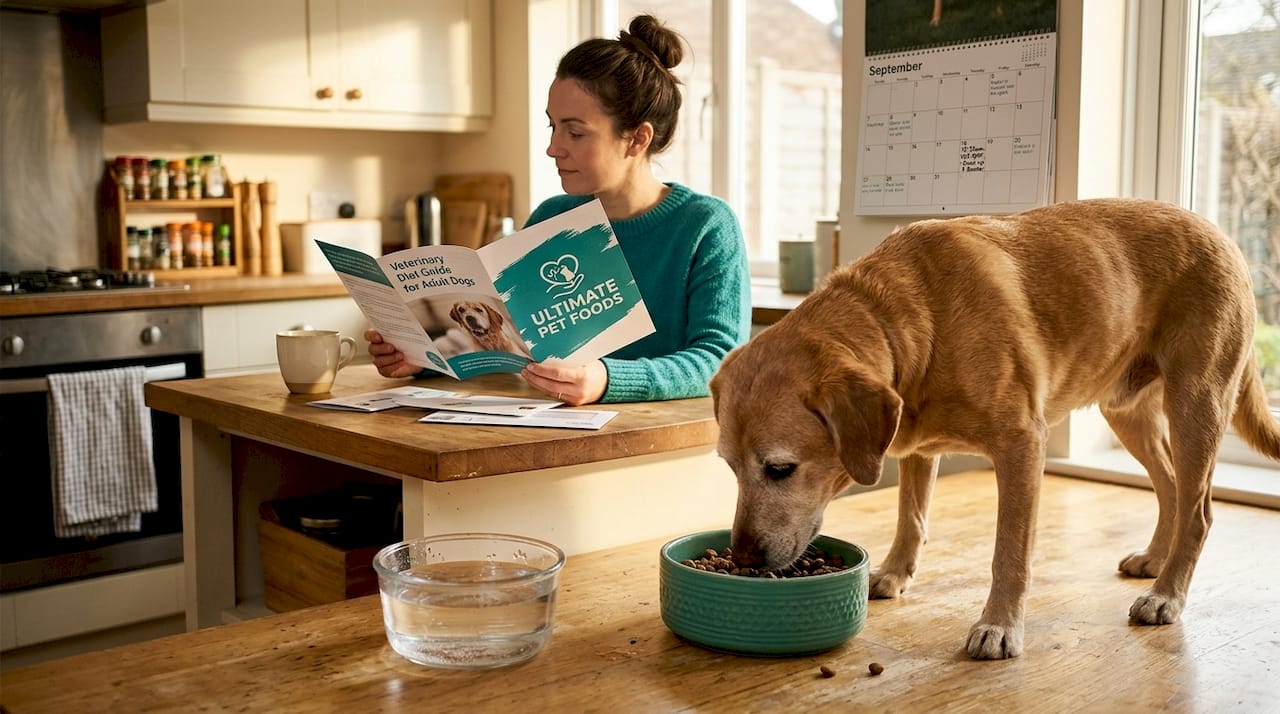
Here is a snapshot of how dietary adjustments affect specific health outcomes:
| Condition | Dietary adjustment | Measurable benefit |
|---|---|---|
| Diabetes | Moderate fibre, controlled carbohydrates | Improved glucose regulation |
| Kidney disease | Low phosphorus, controlled protein | Reduced disease progression |
| Food allergies | Single-protein or hydrolysed protein diets | Reduced skin and gut symptoms |
| Obesity | Lower calorie density, higher fibre | Sustained weight loss without hunger |
Steps to build an evidence-based tailored plan:
- Start with a full health assessment from your vet, including bloodwork where relevant
- Identify specific nutritional targets based on your dog’s condition, age, and activity level
- Choose a food format (commercial, homemade, or mixed) that can realistically hit those targets
- Supplement intelligently to fill identified gaps, especially B vitamins, iodine, and omega-3s
- Schedule a review at three to six months to measure outcomes, not just to check in
Plant-based diets deserve special mention here. They can be nutritionally viable, but they require careful planning. Our practical guide to plant-based diets covers how to avoid the most common deficiencies. For age-specific guidance, our life stage nutrition guide is equally useful.
With convincing evidence for specific tailoring, let’s focus on applying tailored nutrition in everyday UK dog owner scenarios.
How to implement tailored nutrition for your dog 🐾
Moving from principle to practice is where many owners get stuck. Here is a clear, realistic approach to making personalised feeding work in your household.
Work with the right professionals
Your starting point should always be your vet. For dogs with health conditions, a referral to a veterinary nutritionist is worth pursuing. These specialists can create a formal nutrition plan with specific feeding targets, which is particularly valuable for dogs with diabetes, kidney disease, or significant food allergies.
Evaluate your current food honestly
Many owners discover that what they believed was a well-suited food has significant gaps once they look at the ingredient breakdown and nutritional analysis carefully. Look for:
- Named meat or fish as the first ingredient (not “meat derivatives” or “animal by-products”)
- Visible fibre sources that suit your dog’s digestive tolerance
- Omega-3 and omega-6 fatty acid content listed clearly
- No reliance on artificial preservatives, colours, or flavour enhancers
Know your format options
Premium and science-driven brands now offer highly specific adjustment based on breed, age, and clinical condition, which makes them a strong starting point for most owners. Homemade diets can add flexibility but require significantly more planning to avoid inadvertently creating deficiencies. A mixed approach, using a quality commercial food as the base and supplementing thoughtfully, is often the most practical middle ground.
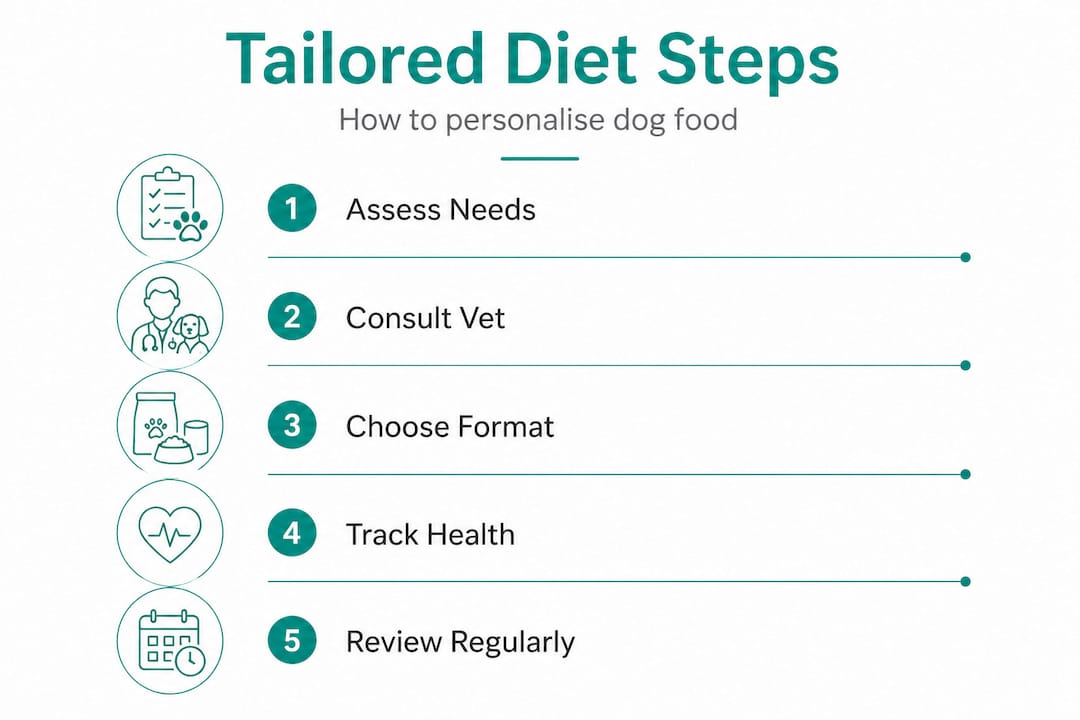
Monitor and adjust consistently
Personalised nutrition is not a one-time decision. Watch for changes in:
- Coat condition (dullness or excessive shedding can signal fatty acid or protein gaps)
- Stool quality (loose stools or excessive wind suggest digestive intolerance)
- Energy levels and lean body mass
- Skin health and itching frequency
Our resources on tailored diet for life stages and breed-specific nutritional needs give practical checklists you can use during these reviews.
Pro Tip: Keep a simple feeding diary for the first month after switching diets. Note stool quality, energy, and skin condition every few days. Patterns become very clear very quickly, and it gives your vet genuinely useful data at the next appointment.
With a clear understanding of personalisation in practice, let’s look more deeply at what most advice leaves out about tailored dog nutrition.
What most owners miss about tailored dog nutrition
Here is the uncomfortable truth we see repeated consistently: most owners focus intensely on choosing the right food, then leave that choice unchanged for years. The initial decision is only half the equation. Dynamic reassessment is where real long-term health is built or quietly lost.
We talk to owners whose dogs have been on the same food since puppyhood, now aged seven or eight, with no review of whether it still fits. A food that was perfectly matched for a young, energetic dog can be meaningfully wrong for an older animal with slower metabolism and developing joint stiffness.
Micronutrient gaps are another area that rarely gets the attention it deserves. Owners worry about protein sources and grain content, rightly so, but B vitamins and iodine are often overlooked entirely. These are not obscure trace elements. B vitamins support nerve function, energy metabolism, and cellular repair. Iodine is critical for thyroid function, which directly regulates metabolism and weight. A dog running low on either for months or years can show gradual, hard-to-attribute decline in health.
Even owners using reputable, science-backed brands should consider periodic supplementation checks. No commercial formula is a perfect fit forever. Raw diets are also worth addressing honestly here. Despite their popularity and passionate following, they carry documented contamination risks including Salmonella and E. coli that affect both dogs and their human households. The appeal of feeding “naturally” is understandable, but the evidence base for raw feeding does not yet outweigh the safety concerns for most households, especially those with children or immunocompromised individuals.
The most effective owners we see are those who treat their dog’s diet the way they would treat their own health plan: something to revisit, adjust, and evolve. If you want to understand what genuinely separates a premium food from a well-marketed one, that is the mindset to bring to it.
Next steps: explore tailored nutrition for your dog
If this guide has made one thing clear, it is that your dog deserves more than an average diet built for an average dog. At Ultimate Pet Foods, we believe every wag, bounce, and cuddle starts with food that genuinely fits the animal eating it.
We offer a range of premium, grain-free formulas designed around real health outcomes, from grain-free benefits explained clearly, to options sorted by breed-specific foods and a full comparison with supermarket brands so you can see exactly what you are getting. Whether your dog has a clinical condition, a sensitive stomach, or simply deserves better than the average shelf option, we are here to help you find the right fit. Browse our range, use our comparison tools, or get in touch with our nutrition team for personalised guidance.
Frequently asked questions
What is tailored dog nutrition and why does it matter?
Tailored dog nutrition means adjusting diet based on breed, life stage, activity level, and specific health needs for optimal wellbeing. Science-driven personalisation via breed and health targeting produces measurably better outcomes than generic commercial formulas.
Can homemade diets be healthier than commercial dog food?
For some health conditions, homemade diets can improve specific outcomes when carefully balanced and guided by a professional. In diabetic dogs, a homemade moderate-fibre diet reduced time above the healthy glucose range by 22.5% compared with commercial alternatives.
Are plant-based dog foods safe for all dogs?
Plant-based diets can work well but must be supplemented carefully to avoid deficiencies. Plant-based UK dry foods are generally lower in iodine and B vitamins, and only 24% meet all B vitamin guidelines, so targeted supplementation is essential.
Should I avoid raw dog food diets?
Raw dog food carries real contamination risks and is not recommended without careful management. The evidence base for raw diets does not currently outweigh the documented risks of bacterial contamination for most households.
How often should my dog’s diet be reviewed?
Reassess your dog’s diet at least annually, or whenever there is a significant life change such as a health diagnosis, change in activity level, or the transition between life stages. Regular reviews ensure the diet continues to match your dog’s evolving nutritional requirements.