

Dog superfoods: 2.5-year longevity boost for canine health

More dog owners than ever are asking a genuinely important question: can the right food actually change how long and how well their dog lives? The answer, backed by emerging research, is a resounding yes. Fresh, minimally processed diets rich in superfoods have been shown to improve metabolic resilience, antioxidant capacity, and immune markers in dogs. But with so many grain-free options and bold health claims filling the market, knowing what to choose and why can feel overwhelming. In this guide, we walk you through the science, the top superfoods, and how to match them to your dog’s breed and health needs.
Table of Contents
- What are superfoods and why do they matter for dogs?
- How to choose dog superfoods: Criteria for grain-free and tailored health
- Spotlight on top dog superfoods and their benefits
- Breed and health condition: Matching superfoods to your dog’s needs
- Fresh food vs kibble: Maximising the benefits of superfoods
- Common concerns: Grain-free, DCM, and the role of superfoods
- Find the perfect superfood blend for your dog
- Frequently asked questions
Key Takeaways
| Point | Details |
|---|---|
| Superfoods boost dog health | Antioxidant-rich, minimally processed ingredients help immunity, digestion, skin and coat. |
| Tailor for breed and condition | Grain-free superfoods especially help breeds and dogs with allergies or sensitivities. |
| Balance is critical | Nutrient variety and overall food quality matter more than whether it’s grain-free. |
| Fresh food gives extra benefits | Dogs fed fresh, superfood-rich diets enjoy greater longevity and improved metabolism. |
What are superfoods and why do they matter for dogs?
The term ‘superfood’ gets used a lot, but in canine nutrition it has a specific meaning. A dog superfood is any whole, minimally processed ingredient that delivers a concentrated dose of nutrients beyond basic caloric value. Think antioxidants, omega-3 fatty acids, soluble fibre, vitamins, and phytonutrients that actively support your dog’s body rather than simply fuelling it.
These nutrients matter most for dogs dealing with digestive sensitivity, skin conditions, or the natural effects of ageing. A dog whose gut is inflamed or whose immune system is under strain needs more than maintenance nutrition. Superfoods provide targeted support where it counts.
When we talk about understanding dog superfoods, we’re referring to ingredients like pumpkin, blueberries, salmon, and sweet potato that go beyond filling a bowl. Research confirms that metabolic resilience and longevity improve meaningfully when these ingredients feature in minimally processed diets.
🐾 Key nutrients to look for in dog superfoods include:
- Antioxidants (vitamins C and E, beta-carotene): protect cells from oxidative damage
- Omega-3 fatty acids: reduce inflammation, support coat and joint health
- Soluble fibre: feeds beneficial gut bacteria and supports digestion
- Phytonutrients: plant compounds with anti-inflammatory and immune-boosting properties
- B vitamins and potassium: support energy metabolism and heart function
The role of antioxidants for dogs is particularly well-documented. Oxidative stress accelerates ageing and worsens chronic conditions, so a diet rich in natural antioxidants is genuinely protective, not just a marketing claim.
How to choose dog superfoods: Criteria for grain-free and tailored health
Not every superfood suits every dog, and not every grain-free product deserves the label. Choosing well means looking beyond the packaging and asking the right questions about ingredients, sourcing, and processing.
Here’s what to prioritise when selecting superfood-rich food for your dog:
- High digestibility: nutrients are only useful if your dog can absorb them
- Proven antioxidant content: look for named ingredients, not vague ‘natural extracts’
- Appropriate fibre levels: too little or too much can disrupt digestion
- Omega-3 sources: oily fish like salmon or sardines, not just flaxseed
- Multiple superfoods: synergistic combinations outperform single-ingredient additions
On the grain-free question, it’s worth being clear-eyed. As research confirms, grain-free diets are not inherently superior for every dog. Balance and ingredient quality matter far more than simply removing grains. That said, dogs with skin sensitivities, digestive issues, or known grain intolerances often thrive on a well-formulated grain-free dog feeding guide approach.
Pro Tip: Always check where ingredients are sourced. Superfoods from whole, traceable sources retain far more nutritional value than those that have been heavily processed or stored for extended periods.
Spotlight on top dog superfoods and their benefits
Let’s look at the ingredients that consistently deliver results, and what makes each one worth including in your dog’s bowl. 🥕
- Pumpkin: Rich in soluble fibre, beta-carotene, and vitamin C, pumpkin supports digestive regularity, healthy skin, sharp vision, and immune function. It’s one of the most versatile superfoods for dogs of all ages.
- Blueberries: High in antioxidants and anti-inflammatory compounds, blueberries may also reduce muscle damage during hot weather or intense activity. They’re highly palatable too, so most dogs love them.
- Sweet potato: A grain-free energy source packed with vitamin C, potassium, and beta-carotene. Gentle on the gut and ideal for dogs who need sustained energy without grains.
- Salmon and sardines: The gold standard for omega-3 fatty acids. These support a glossy coat, reduce joint inflammation, and promote cardiovascular health.
- Carrots: Low in calories, high in beta-carotene and fibre. Great as a treat or food topper, supporting vision and immune health without adding unnecessary weight.
| Superfood | Key nutrients | Primary benefits |
|---|---|---|
| Pumpkin | Soluble fibre, beta-carotene, vitamin C | Digestion, skin, immune support |
| Blueberries | Anthocyanins, vitamin C, manganese | Antioxidant, anti-inflammatory, muscle recovery |
| Sweet potato | Vitamin C, potassium, beta-carotene | Grain-free energy, gut health |
| Salmon/sardines | Omega-3 (EPA/DHA), vitamin D | Coat, joints, cardiovascular health |
| Carrots | Beta-carotene, fibre, vitamin K | Vision, immune function, low-calorie treat |
Pro Tip: Rotate superfoods across the week where possible. Variety ensures your dog benefits from a broader spectrum of nutrients and reduces the risk of developing sensitivities to any single ingredient.
For a deeper look at how these ingredients work together, our guide to dog superfoods explained covers the science in plain language.
Breed and health condition: Matching superfoods to your dog’s needs
Not all dogs are the same, and their nutritional needs reflect that. Breed, age, and health condition all influence which superfoods will make the biggest difference.
Certain breeds are particularly well-suited to grain-free superfood diets. As our best breeds for grain-free guide highlights, Boxers, Poodles, Shih Tzus, and French Bulldogs frequently benefit from grain-free superfood blends due to their predisposition to digestive issues, skin sensitivity, and food allergies.
| Breed or condition | Key challenges | Recommended superfoods |
|---|---|---|
| French Bulldog | Gut sensitivity, flatulence, skin folds | Pumpkin, sweet potato, salmon |
| Boxer | Allergies, sensitive digestion | Blueberries, carrots, sardines |
| Shih Tzu | Skin and coat issues | Salmon, pumpkin, sweet potato |
| Poodle | Digestive sensitivity | Sweet potato, pumpkin, blueberries |
| Senior dogs | Joint stiffness, slower metabolism | Salmon, blueberries, carrots |
| Puppies | Rapid growth, immune development | Sweet potato, pumpkin, salmon |
| Dogs with allergies | Inflammation, itching, gut upset | Pumpkin, blueberries, sardines |
For dogs with skin or coat concerns, omega-3-rich foods like salmon are non-negotiable. For digestive issues, pumpkin and sweet potato provide the gentle fibre support that helps regulate gut function without irritation. Our grain-free for allergies resource offers further guidance on managing food sensitivities through diet.

Fresh food vs kibble: Maximising the benefits of superfoods
How food is processed matters as much as what goes into it. Superfoods lose a significant portion of their nutritional value when subjected to high-heat extrusion, which is the process used to make most kibble. Fresh and minimally processed formats preserve far more of the vitamins, antioxidants, and enzymes that make superfoods so effective.
Here’s how the two formats compare when it comes to superfood delivery:
- Nutrient retention: Fresh food retains heat-sensitive vitamins like C and B-complex that are largely destroyed during kibble production.
- Antioxidant activity: Minimally processed ingredients maintain higher antioxidant capacity, supporting immune function and cellular health.
- Digestibility: Fresh food is typically easier for dogs to digest, meaning more nutrients are actually absorbed rather than passed through.
- Metabolic impact: Dogs on fresh diets show measurably better metabolic markers, including healthier blood glucose and lipid profiles.
- Longevity: Fresh superfood diets have been linked to canine lifespans up to 2.5 years longer compared to standard processed diets.
🐾 “Dogs fed fresh, minimally processed diets showed significantly improved immune markers and metabolic resilience compared to those on conventional kibble.”
If fresh food isn’t always practical, look for cold-pressed or gently cooked kibble options that preserve more nutritional integrity. Our comparison of fresh dog food vs kibble and the fresh ingredient advantages guide can help you make the best choice for your lifestyle and your dog’s needs.
Common concerns: Grain-free, DCM, and the role of superfoods
One concern that understandably worries many dog owners is the suggested link between grain-free diets and dilated cardiomyopathy (DCM), a serious heart condition. It’s worth addressing this honestly.
The evidence, when examined carefully, does not establish a direct causal link between balanced grain-free diets and DCM. As current research indicates, the key factor is overall nutrient balance and ingredient quality, not the presence or absence of grains. Many of the implicated diets were poorly formulated, not simply grain-free.
🐾 “The focus should be on nutritional completeness and quality superfoods, regardless of whether a diet contains grains.”
Here’s how to keep your dog’s grain-free diet safe and balanced:
- Choose foods that meet FEDIAF or AAFCO nutritional standards for complete and balanced nutrition
- Ensure taurine-supporting ingredients (meat, fish, eggs) are prominent in the recipe
- Avoid diets where legumes or potatoes dominate the ingredient list
- Rotate protein sources to prevent nutritional gaps
- Consult your vet if your dog has a breed predisposition to heart conditions
For dogs with skin, digestive, or allergy challenges, a well-formulated grain-free superfood blend remains one of the most effective dietary approaches available. Explore the grain-free benefits and practical grain-free meal prep ideas to get started confidently.
Find the perfect superfood blend for your dog
Every wag, bounce, and bright-eyed morning starts with what goes into your dog’s bowl. We’ve built our range around exactly the principles covered in this guide: fresh, traceable ingredients, proven superfoods, and formulas tailored to breed and life stage.
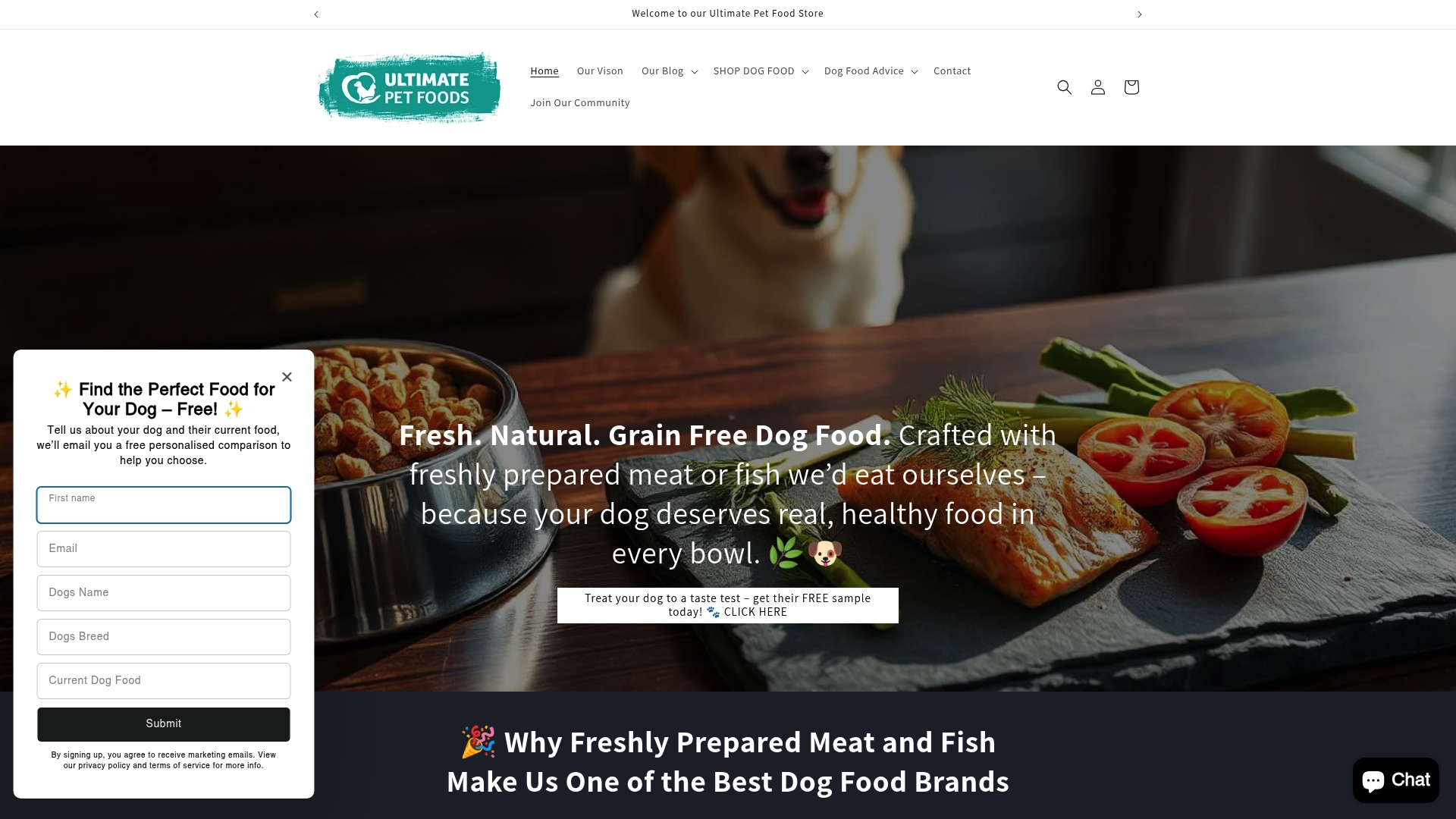
If you’re ready to see the difference a genuinely superfood-rich diet can make, explore the grain-free benefits of our approach, or take a closer look at Ultimate Superfood 65, one of our most loved formulas. Not sure where to begin? Our tailored dog food sample box lets you try before you commit, so your dog gets to have the final say. 🐶
Frequently asked questions
What are the safest superfoods for dogs with food sensitivities?
Pumpkin, blueberries, and sweet potato are widely recognised as safe for most sensitive dogs, offering gentle digestive support through soluble fibre, beta-carotene, and vitamin C. Introduce them gradually to monitor your dog’s response.
Is there a proven link between grain-free dog food and heart disease?
Current research finds no direct DCM link with balanced, nutrient-complete grain-free diets. The quality and completeness of the overall diet matters far more than grain content alone.
How can I tell if my dog would benefit from grain-free superfoods?
Dogs with frequent digestive upsets, skin allergies, or breeds like French Bulldogs often respond well. Frenchies and Boxers in particular show strong improvements in digestion and skin health on grain-free superfood diets.
Do fresh foods with superfoods really make dogs live longer?
Yes. Dogs on fresh, superfood-rich diets have been shown to live up to 2.5 years longer with measurably better immune and metabolic health compared to those on conventional processed diets.
Recommended
- Understanding Superfoods for Dogs: Benefits and Nutrients
- How to Boost Dog Immunity Naturally for Optimal Health
- 7 Best Foods for Senior Dogs: Top Options for Health
- Senior Dog Food Recipes - 5 Reasons Senior Dogs Require Special Food


