
Antioxidants in Dog Food – Why Quality Matters
Most british dog owners do not realise that over 60 percent of commercial dog foods contain synthetic additives linked to health concerns. With canine wellness becoming a top priority for families across the United Kingdom, understanding the difference between natural and synthetic antioxidants has never been more important. This guide unpacks what antioxidants truly mean for your dog’s health, helping you recognise quality nutrition that supports longevity and daily vitality.
Table of Contents
- Defining Antioxidants In Dog Nutrition
- Natural Versus Synthetic Antioxidant Sources
- How Antioxidants Support Dog Health
- Recognising Signs Of Antioxidant Deficiency
- Making Informed Choices For Your Dog
Key Takeaways
| Point | Details |
|---|---|
| Importance of Antioxidants | Antioxidants are essential for canine health, protecting cells from damage caused by free radicals. They contribute to immune function and overall wellness. |
| Natural versus Synthetic Sources | Natural antioxidants from whole food ingredients provide superior benefits compared to synthetic options, which may pose health risks. |
| Recognising Deficiency Signs | Signs of antioxidant deficiency include dull coats, fatigue, and increased susceptibility to infections, indicating a need for improved nutrition. |
| Informed Ingredient Choices | Evaluating dog food ingredients is crucial; prioritising natural antioxidants ensures better nutritional integrity and overall health for canines. |
Defining Antioxidants in Dog Nutrition
Antioxidants represent a critical component in supporting canine health, functioning as microscopic defenders that protect your dog’s cellular structures from potential damage. Comprehensive cellular protection begins with understanding how these powerful compounds work within your pet’s metabolic systems.
At their core, antioxidants are molecules capable of neutralising harmful free radicals produced during normal metabolic processes. These free radicals, if left unchecked, can cause significant cellular damage and potentially contribute to premature ageing and various health complications. Dogs, much like humans, generate these unstable molecules through everyday physiological functions such as metabolism, exercise, and exposure to environmental stressors.
The nutritional science behind antioxidants reveals their profound impact on canine wellness. By supporting immune system functionality, these compounds help maintain cellular integrity and promote optimal bodily functions. Key antioxidants found in high-quality dog nutrition include vitamins A, C, and E, alongside trace minerals like selenium and zinc, which work synergistically to combat oxidative stress.
Understanding the intricate role of antioxidants means recognising that not all dog foods are created equal. Premium nutrition involves carefully selected ingredients that naturally provide these protective compounds, ensuring your canine companion receives comprehensive nutritional support throughout every stage of life. Our freshly prepared meat and fish, gentle cooked at 82°C, are specifically designed to preserve these vital nutrients, delivering maximum nutritional benefit in every bite.
Natural Versus Synthetic Antioxidant Sources
The debate between natural and synthetic antioxidant sources is crucial in understanding optimal dog nutrition. Natural antioxidants offer a more holistic approach to cellular protection, deriving from whole food ingredients that provide comprehensive nutritional benefits beyond simple preservation.
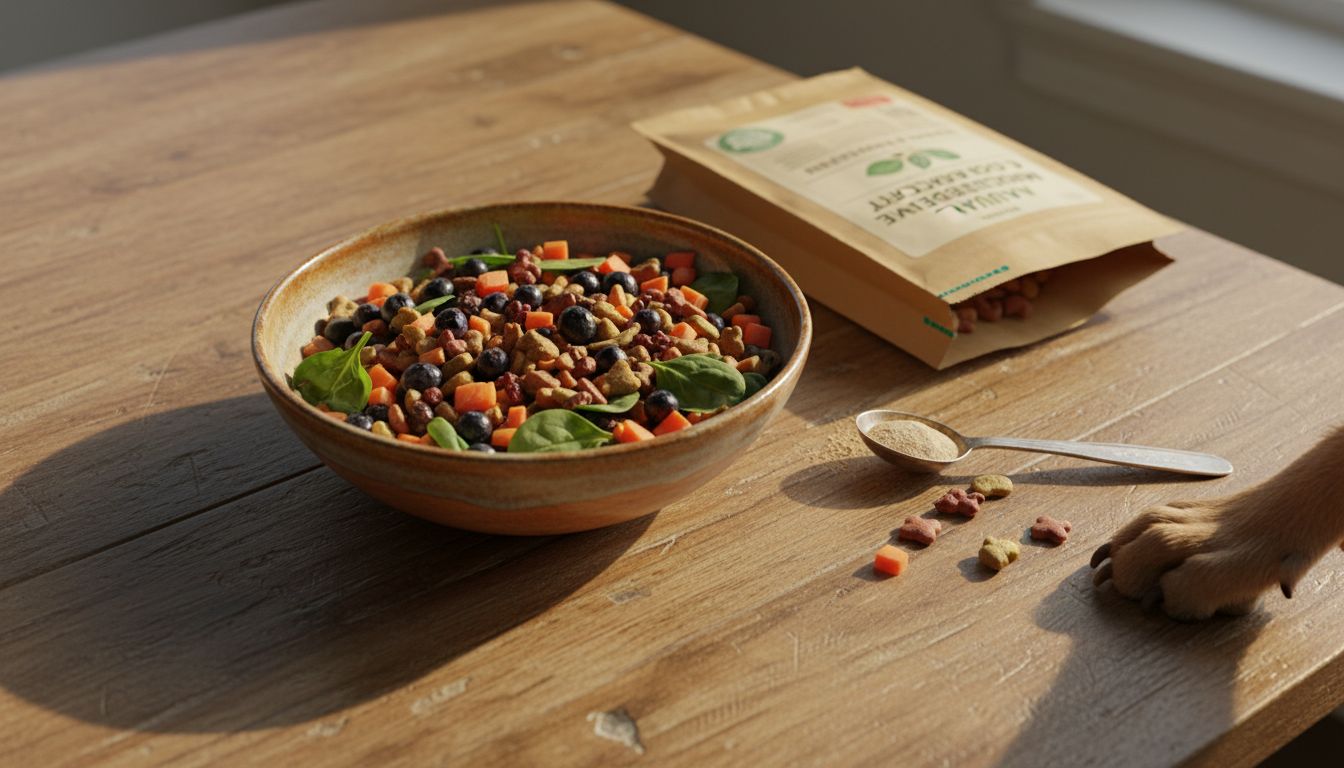
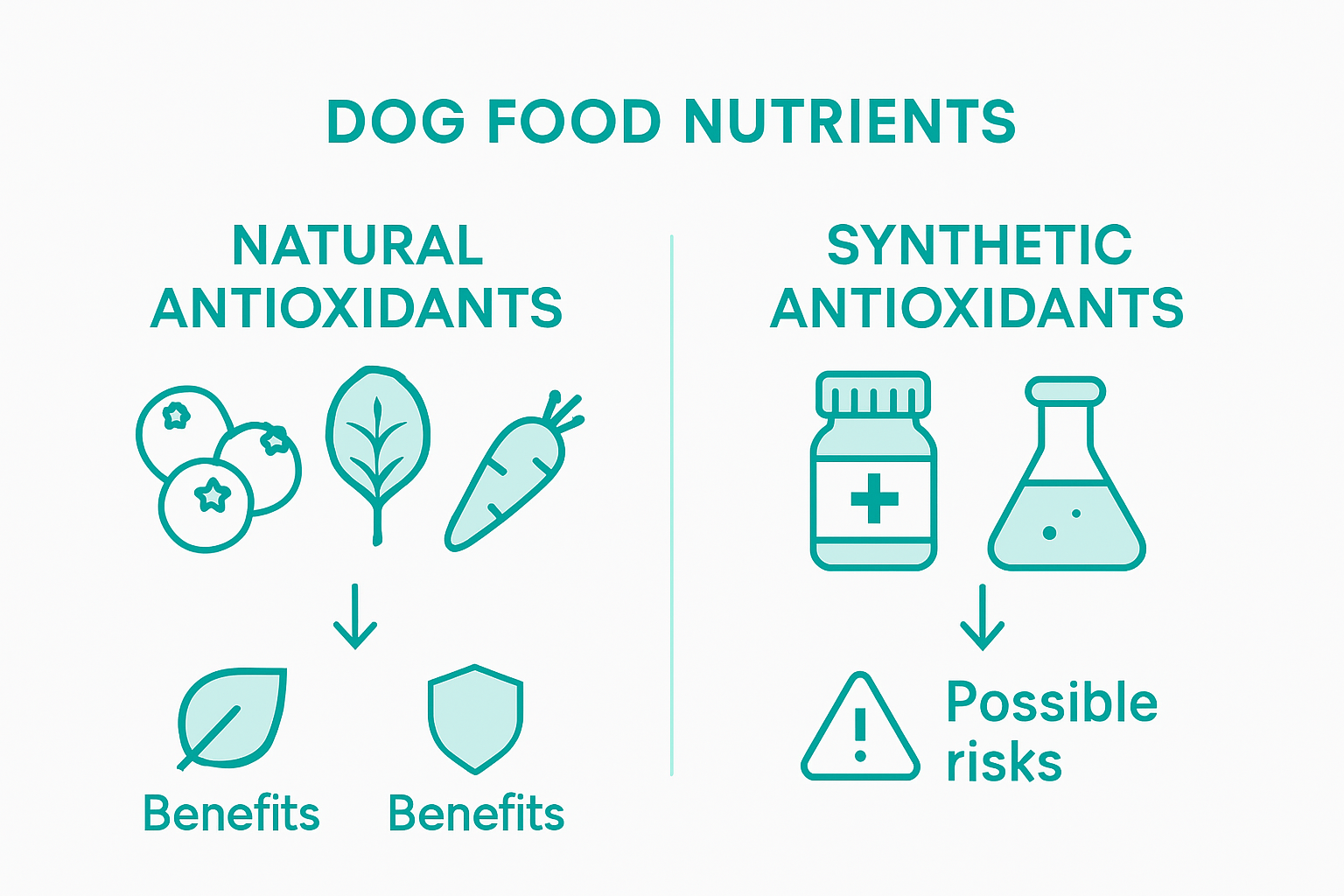
Natural antioxidant sources include a diverse range of ingredients that pack powerful nutritional punch. Whole food antioxidants such as vitamins C and E, found in ingredients like blueberries, spinach, and fish oils, provide not just preservation capabilities but also additional nutritional support. In contrast, synthetic antioxidants like BHA and BHT are chemically manufactured compounds primarily designed to extend food shelf life, with potential concerns about long-term health impacts.
The risks associated with synthetic antioxidants are significant. Research has suggested potential links between these chemical preservatives and serious health complications, including increased cancer risks and behavioural disruptions. Our commitment to canine wellness means prioritising natural preservation methods that protect both nutritional integrity and your dog’s long-term health. Our carefully prepared foods use gentle cooking techniques at 82°C to maintain nutrient density while incorporating natural antioxidant sources like rosemary extract and vitamin E.
Choosing natural antioxidant sources is more than a nutritional preference – it’s a fundamental approach to supporting your dog’s comprehensive health. By selecting foods with whole food antioxidants, you’re providing a natural defence system that supports cellular health, boosts immune function, and contributes to your pet’s overall vitality and longevity.
How Antioxidants Support Dog Health
Antioxidants play a fundamental role in maintaining your dog’s comprehensive wellness, acting as a sophisticated internal defence system that protects against cellular damage and supports overall health. Holistic dog nutrition recognises that these powerful compounds do far more than simply neutralise harmful free radicals.
Immune system support represents one of the most critical functions of antioxidants in canine health. These molecular guardians work tirelessly to strengthen your dog’s natural defence mechanisms, helping to combat potential infections and reduce inflammatory responses. By neutralising oxidative stress, antioxidants contribute to maintaining robust cellular integrity, which is essential for preventing premature ageing and supporting optimal physiological functions.
Beyond immune protection, antioxidants significantly impact various aspects of canine wellness. They play a crucial role in supporting cognitive function, potentially slowing age-related mental decline, and promoting healthy skin and coat condition. Nutritional strategies targeting coat health often incorporate antioxidant-rich ingredients to enhance external appearance while providing internal cellular protection.
Our carefully prepared foods are designed to maximise antioxidant benefits through gentle cooking techniques at 82°C, which preserve nutrient density and ensure optimal bioavailability. By selecting foods rich in natural antioxidants like vitamin E, beta-carotene, and selenium, dog owners can provide a powerful nutritional shield that supports their companion’s health from the inside out, promoting longevity, vitality, and overall well-being.
Recognising Signs of Antioxidant Deficiency
Identifying antioxidant deficiency in dogs requires careful observation of subtle yet significant changes in your pet’s overall health and appearance. Holistic dog nutrition emphasises the importance of recognising these early warning signs before they develop into more serious health complications.
Physical indicators of antioxidant deficiency can manifest in multiple ways. Dogs may experience premature ageing, demonstrated through dull and brittle coat quality, increased skin sensitivity, and slower wound healing. Chronic inflammation, persistent fatigue, and reduced muscle tone are additional red flags that suggest your dog’s cellular defence mechanisms might be compromised. Joint health strategies become particularly crucial when antioxidant levels are insufficient, as these compounds play a critical role in maintaining cellular integrity and reducing inflammatory responses.
Beyond physical symptoms, antioxidant deficiency can significantly impact your dog’s immune system and cognitive function. Weakened immune responses, increased susceptibility to infections, slower recovery from illnesses, and noticeable cognitive decline are potential consequences of prolonged antioxidant insufficiency. Older dogs may demonstrate more pronounced symptoms, including reduced mental alertness, decreased energy levels, and slower metabolic processes.
Our carefully prepared foods, gently cooked at 82°C, are specifically designed to provide a comprehensive antioxidant profile through natural, high-quality ingredients. By incorporating foods rich in vitamin E, selenium, and beta-carotene, we ensure that your dog receives a powerful nutritional shield that supports cellular health, boosts immune function, and promotes overall vitality throughout every life stage.
Making Informed Choices for Your Dog
Navigating the complex world of dog nutrition requires a strategic approach to understanding ingredient quality and nutritional value. How to read dog food ingredients becomes crucial when selecting the optimal nutritional profile for your canine companion.
Ingredient scrutiny is paramount when evaluating dog food options. Ingredients to avoid play a significant role in determining food quality, with particular attention needed to preservative types and antioxidant sources. Natural preservatives might offer shorter shelf life, but they provide substantially better nutritional integrity. When examining packaging, look for clearly listed natural antioxidants like vitamin E, rosemary extract, and selenium, which indicate a commitment to high-quality nutritional standards.
Making informed choices extends beyond merely reading labels. Understanding the nuanced differences between synthetic and natural preservatives requires careful consideration. Some manufacturers might employ legal loopholes, claiming ‘no added preservatives’ while still incorporating artificial additives. This complexity underscores the importance of selecting brands that prioritise transparent ingredient sourcing and comprehensive nutritional profiles.
Our carefully prepared foods, gentle-cooked at 82°C, represent a commitment to transparency and nutritional excellence. By prioritising freshly prepared meats, natural antioxidants, and human-grade ingredients, we ensure that every meal provides a comprehensive nutritional shield. Dog owners seeking optimal nutrition can trust our approach, which combines scientific understanding with a genuine commitment to canine health and well-being.
Unlock Superior Antioxidant Nutrition for Your Dog Today
Understanding the crucial role antioxidants play in protecting your dog’s cells and immune system is only the first step. The real challenge lies in sourcing dog food that truly delivers natural, high-quality antioxidants without relying on synthetic preservatives that could harm your pet’s long-term health. If you want to provide the very best support against oxidative stress and promote vitality at every life stage, premium nutrition made from fresh, natural ingredients is essential.
Explore our wide range of carefully crafted recipes in the collections – Ultimate Pet Foods where every formula uses gentle cooking methods at 82°C to preserve antioxidant potency. For older dogs, our specially designed Blends for our Senior Dogs – Ultimate Pet Foods offer targeted support to maintain cellular health and cognitive clarity. Visit https://ultimatepetfoods.co.uk now to choose nutrition that truly honours your dog’s well-being and invest in your companion’s longevity with every meal.
Frequently Asked Questions
What are antioxidants and why are they important in dog food?
Antioxidants are molecules that neutralise harmful free radicals produced during normal metabolic processes. They are important in dog food as they help protect cellular structures from damage, support immune function, and maintain overall health, preventing premature ageing and various health complications.
How can I recognise signs of antioxidant deficiency in my dog?
Signs of antioxidant deficiency may include premature ageing, a dull and brittle coat, increased skin sensitivity, slower wound healing, chronic inflammation, fatigue, and reduced muscle tone. Additionally, cognitive decline and weakened immune responses are indicators that your dog’s antioxidant levels may be insufficient.
Are natural antioxidants better than synthetic ones for my dog’s health?
Yes, natural antioxidants are generally preferred over synthetic ones. Natural sources, derived from whole food ingredients, not only provide antioxidant benefits but also additional nutritional support. In contrast, synthetic antioxidants may pose potential health risks, including links to increased cancer risks and behavioural changes.
How do I ensure my dog’s diet includes sufficient antioxidants?
To ensure your dog’s diet is rich in antioxidants, look for high-quality dog foods that list natural sources of antioxidants such as vitamins C and E, selenium, and beta-carotene among their ingredients. Whole food ingredients like fruits and vegetables can also be beneficial. Additionally, choose brands that prioritise transparent sourcing and nutrient density.
Recommended
- What Ingredients to Avoid in Dog Food for Healthier Pups – Ultimate Pet Foods
- Can Dogs Eat Eggs? | Safe, Healthy Tips – Ultimate Pet Foods
- How to Read Dog Food Ingredients: Make Informed Choices – Ultimate Pet Foods
- Understanding Common Dog Food Ingredients for Healthier Pups – Ultimate Pet Foods
- Freshness Indicators for Food: Complete Guide - Probe IT