
Benefits of grain free diets for dogs in 2026
Many dog owners believe grain-free diets automatically improve their pets’ health, but this assumption overlooks crucial nuances. Not every dog needs grain-free feeding, and the real benefits depend heavily on individual sensitivities, allergies, and health conditions. Understanding who truly benefits from grain-free diets helps you make informed choices that genuinely support your dog’s wellbeing rather than following trends that may not suit your pet’s specific needs.
Table of Contents
- How Grain-Free Diets Improve Digestion In Sensitive Dogs
- Reducing Allergy Symptoms With Grain-Free Feeding
- Glycaemic Control And Nutrient Density Benefits Of Grain-Free Diets
- Heart Health And Potential Risks Of Grain-Free Diets
- Explore Premium Grain-Free Dog Food Options
Key takeaways
| Point | Details |
|---|---|
| Targeted benefits | Grain-free diets mainly help dogs with specific grain sensitivities or allergies, not all dogs universally. |
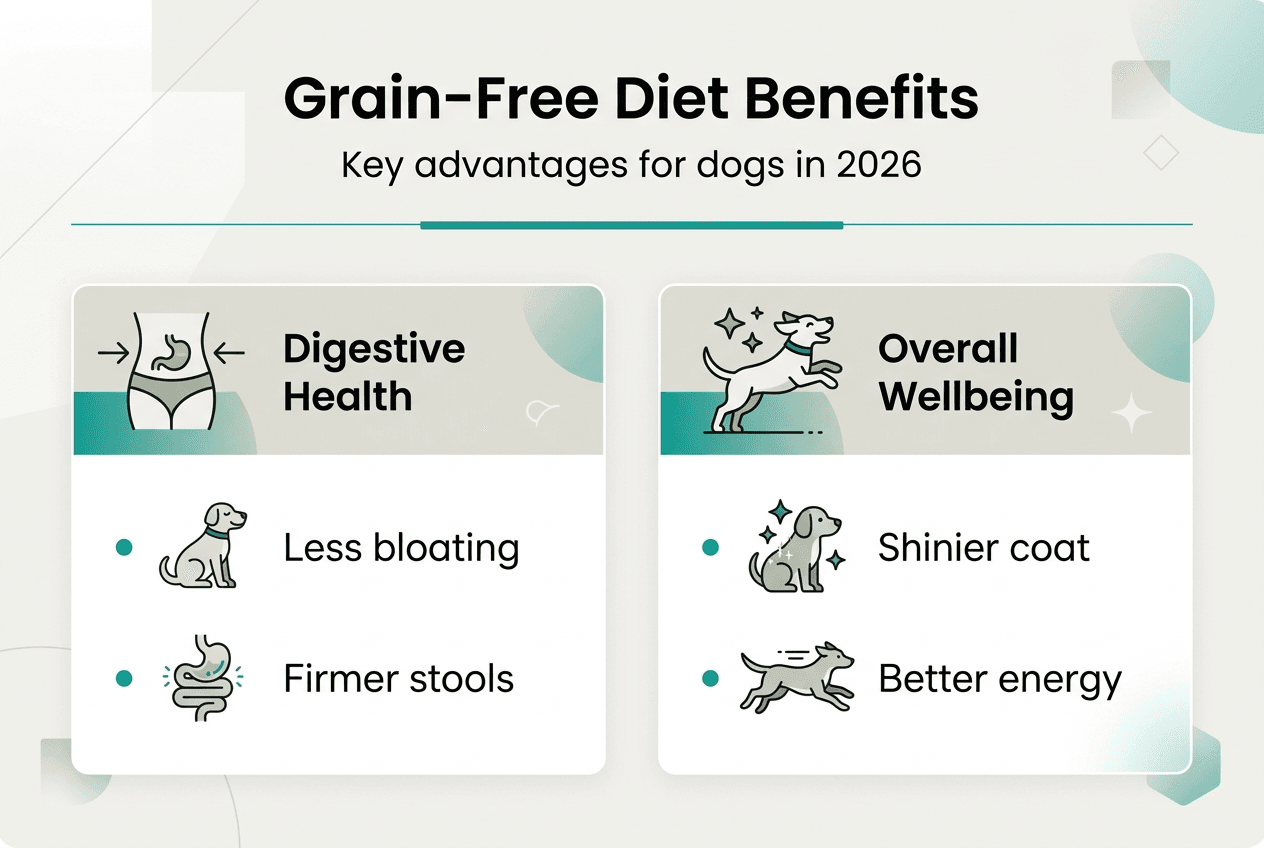
| Digestive improvements | Dogs with sensitivities often experience less gas, reduced bloating, and firmer stools when grain irritants are removed. |
| Blood sugar control | Lower carbohydrate content in grain-free foods can reduce postprandial glucose spikes, particularly benefiting diabetic dogs. |
| Heart health evidence | Balanced grain-free diets show no superiority or inferiority for heart function compared to grain-inclusive options over 18 months. |
| Veterinary guidance essential | Always consult your vet before switching diets and transition gradually over 7-10 days to minimise digestive upset. |
How grain-free diets improve digestion in sensitive dogs
Grain ingredients like wheat, corn, and soy can irritate sensitive canine digestive systems, causing discomfort that many owners mistake for normal ageing or breed characteristics. When these grains trigger inflammation in the gut lining, dogs experience gas, bloating, and inconsistent stool quality that disrupts their daily comfort and energy levels.
Grain-free formulations replace traditional grains with alternative carbohydrate sources that prove gentler on sensitive stomachs:
- Sweet potatoes provide complex carbohydrates with higher digestibility
- Peas offer protein and fibre without common grain allergens
- Tapioca delivers easily processed energy for dogs with severe sensitivities
- Chickpeas combine protein with prebiotic benefits for gut health
Grain-free diets may improve digestion, reduce gas, bloating, and produce firmer stools by eliminating grain irritants and using alternatives like sweet potatoes or peas. These improvements often appear within two to three weeks of consistent feeding, though individual responses vary based on the severity of sensitivity and overall gut health.
Real-life owner reports consistently describe noticeable changes after switching to grain-free feeding. Dogs previously struggling with soft stools or frequent digestive upset often stabilise within the first month, showing more consistent bowel movements and reduced flatulence. Anecdotal and practitioner guides note improvements in dogs’ digestive symptoms on grain-free diets, particularly when owners maintain consistent feeding schedules and avoid mixing grain-inclusive treats.
Pro Tip: Keep a daily log during the first month of grain-free feeding, noting stool consistency, energy levels, and any digestive symptoms. This record helps you identify genuine improvements versus placebo effects and provides valuable information for vet consultations.
“The shift to grain-free feeding transformed our Labrador’s chronic digestive issues. Within three weeks, his stools firmed up, gas reduced dramatically, and his energy levels improved noticeably during walks.”
The benefits of grain free diet extend beyond simple ingredient substitution. Alternative carbohydrates often contain higher levels of beneficial nutrients like beta-carotene and antioxidants, supporting overall health whilst addressing digestive sensitivities. However, these improvements only manifest in dogs with genuine grain sensitivities, not universally across all breeds and individuals.
Reducing allergy symptoms with grain-free feeding
Grain allergies affect fewer than 1% of dogs, but food sensitivities impact approximately 10% of the canine population, creating widespread confusion about symptoms and appropriate dietary responses. Understanding the difference between true allergies and sensitivities helps you identify whether grain-free feeding might genuinely benefit your dog.
True grain allergies trigger immune system responses that cause:
- Intense itching, particularly around paws, ears, and face
- Recurring skin infections requiring repeated antibiotic treatments
- Chronic ear inflammation with persistent discharge
- Gastrointestinal symptoms including vomiting and diarrhoea
Food sensitivities produce similar but typically milder symptoms without the immune system involvement characteristic of allergies. Grain allergies are rare, but food sensitivities are about 10%; grain-free diets can reduce itching, skin infections, and ear inflammation in affected dogs. This distinction matters because proteins like beef, chicken, and dairy actually cause allergies more frequently than grains, making elimination trials essential for accurate diagnosis.
Avoiding common grain allergens like wheat, corn, and soy helps affected dogs by removing potential triggers whilst maintaining nutritional adequacy through carefully selected alternatives. Wheat gluten particularly affects certain breeds, with Border Terriers showing documented sensitivity that manifests as paroxysmal dyskinesia alongside digestive symptoms.
Certain breeds demonstrate higher susceptibility to food sensitivities that may respond to grain-free feeding:
- West Highland White Terriers frequently develop skin allergies exacerbated by grain consumption
- Cocker Spaniels show increased rates of food sensitivity affecting ear health
- Boxers commonly experience digestive sensitivities to wheat and corn
- Golden Retrievers often develop skin conditions linked to dietary triggers
The grain free diet and allergy symptoms connection becomes clearer through proper elimination trials lasting 8-12 weeks. During this period, dogs consume only grain-free food without treats or table scraps, allowing you to observe whether symptoms genuinely improve or persist despite dietary changes.
“Elimination trials remain the gold standard for identifying food sensitivities. Grain-free feeding resolves symptoms in genuinely sensitive dogs whilst revealing that other ingredients cause problems in dogs whose owners assumed grain was the culprit.”
Remember that proteins cause allergies more frequently than carbohydrates, so if grain-free feeding doesn’t resolve symptoms within three months, your dog likely reacts to protein sources rather than grains. This reality underscores the importance of veterinary guidance rather than assumptions based on marketing claims or anecdotal reports from other owners.
Glycaemic control and nutrient density benefits of grain-free diets
Glypaemic response measures how quickly and dramatically blood glucose rises after meals, a factor particularly relevant for diabetic dogs requiring stable blood sugar levels throughout the day. Traditional grain-inclusive diets often contain higher carbohydrate percentages that trigger sharper glucose spikes compared to grain-free alternatives.

Grain-free diets result in lower postprandial blood glucose concentrations, helpful for diabetic dogs managing insulin requirements and energy stability. This advantage stems from reduced overall carbohydrate content and slower-digesting alternative sources that release glucose more gradually into the bloodstream.
| Nutrient Component | Grain-Inclusive Diet | Grain-Free Diet |
|---|---|---|
| Carbohydrate percentage | 45-55% | 25-35% |
| Protein percentage | 22-28% | 30-40% |
| Fat percentage | 12-18% | 18-25% |
| Fibre content | 3-5% | 4-7% |
| Glycaemic impact | Moderate to high | Low to moderate |
The nutritional profile differences create tangible effects beyond blood sugar control. Higher protein and fat percentages in grain-free formulations provide:
- Enhanced satiety, reducing begging behaviours between meals
- Improved muscle maintenance, particularly important for active and senior dogs
- Richer energy density, allowing smaller portion sizes for weight management
- Better coat condition through increased omega fatty acid availability
Owners report improved coat quality and energy with higher nutrient density diets, observing shinier fur, reduced shedding, and more sustained activity levels during exercise. These improvements typically appear within six to eight weeks of consistent grain-free feeding, though individual responses vary based on baseline health and specific formulation quality.
Pro Tip: Monitor your dog’s body condition score monthly when switching to grain-free feeding. Higher fat content means you may need to reduce portion sizes by 10-15% compared to grain-inclusive foods to maintain ideal weight.
The grain-free diet glycaemic benefits prove particularly valuable for dogs with diabetes, Cushing’s disease, or obesity-related metabolic concerns. Lower carbohydrate intake reduces insulin demand, potentially allowing diabetic dogs to maintain stable blood glucose with lower medication doses under veterinary supervision.
Dogs recovering from pancreatitis may also benefit from grain-free formulations with moderate fat content, though extremely high-fat versions require caution. The key lies in selecting appropriately balanced grain-free foods rather than assuming all grain-free options automatically suit every health condition.
Energy levels often improve noticeably when dogs transition from grain-heavy diets to protein-rich grain-free alternatives. Owners frequently report reduced afternoon lethargy, increased playfulness, and better stamina during walks, reflecting more stable blood sugar and improved nutrient utilisation throughout the day.
Heart health and potential risks of grain-free diets
Concerns about grain-free diets causing dilated cardiomyopathy dominated veterinary discussions between 2018 and 2023, creating widespread anxiety among dog owners who had switched to grain-free feeding. Recent research provides crucial clarity that challenges earlier assumptions and helps you make evidence-based decisions.
Balanced grain-free diets support heart function similarly to grain-inclusive diets over 18 months, with no evidence of superiority for either approach in healthy dogs. This randomised controlled trial examined cardiac biomarkers, echocardiographic measurements, and taurine levels in dogs fed carefully formulated grain-free versus grain-inclusive diets, finding no clinically significant differences between groups.
The taurine connection requires understanding to contextualise risk properly:
- Taurine is an amino acid essential for cardiac function
- Dogs typically synthesise sufficient taurine from dietary protein
- Certain ingredients may interfere with taurine absorption or synthesis
- Legume-heavy formulations raised initial DCM concerns
- Balanced grain-free diets maintain adequate taurine levels
- Breed predisposition matters more than diet type alone
Border Terriers with paroxysmal dyskinesia or gluten sensitivity may benefit; caution for breeds predisposed to DCM if diets high in legumes or peas dominate the ingredient list. This nuanced guidance reflects current understanding that formulation quality matters far more than simple grain presence or absence.
| Risk Factor | Grain-Inclusive Diet | Grain-Free Diet |
|---|---|---|
| DCM risk in healthy dogs | Baseline breed risk | Baseline breed risk |
| Taurine adequacy | Typically adequate | Adequate when balanced |
| Predisposed breed caution | Standard monitoring | Enhanced monitoring recommended |
| Legume percentage concern | Not applicable | Relevant above 40% of formula |
| Veterinary oversight need | Routine checkups | Routine plus cardiac screening for at-risk breeds |
Breeds requiring enhanced monitoring when fed grain-free diets include Doberman Pinschers, Boxers, Great Danes, Irish Wolfhounds, and Cocker Spaniels due to genetic DCM predisposition unrelated to diet. For these breeds, regular veterinary cardiac assessments provide appropriate safeguards regardless of diet type.
Practical steps to mitigate any potential risk when choosing grain-free feeding:
- Select formulations with named meat proteins as primary ingredients
- Avoid foods where peas or lentils dominate the first five ingredients
- Choose brands that conduct feeding trials rather than relying solely on formulation
- Request taurine level testing during annual veterinary examinations
- Monitor for early DCM symptoms like exercise intolerance or coughing
- Maintain open communication with your vet about diet choices
“Current evidence shows that well-formulated grain-free diets pose no inherent cardiac risk for healthy dogs. The key lies in choosing quality formulations and maintaining appropriate veterinary oversight for breeds with genetic predispositions.”
The grain-free diet heart health evidence continues evolving as researchers conduct longer-term studies with larger sample sizes. Present data reassures owners that balanced grain-free feeding doesn’t create cardiac problems in dogs without pre-existing genetic vulnerabilities or formulation-specific taurine deficiencies.
Explore premium grain-free dog food options
Now that you understand both benefits and evidence-based safety considerations, you can confidently explore grain-free options tailored to your dog’s specific needs. Quality matters enormously in grain-free formulations, with premium products using carefully selected proteins, beneficial alternative carbohydrates, and balanced nutrient profiles that support overall health.
Consult your veterinarian before making dietary changes, particularly if your dog has existing health conditions or belongs to breeds requiring enhanced cardiac monitoring. Transition gradually over 7-10 days, mixing increasing proportions of grain-free food with your current diet to minimise digestive upset and allow proper adaptation.
Our grain-free diet benefits guide explores specialised formulas designed for skin and coat health, digestive support, and weight management. Understanding grain-free dog food ingredients helps you evaluate quality and select appropriate options. For dogs with specific dermatological needs, advanced grain-free skin and coat care formulations provide targeted nutritional support alongside general health benefits.
Frequently asked questions
Are grain-free diets suitable for all dogs?
Grain-free diets are not universally necessary or beneficial for all dogs. They primarily help dogs with documented grain sensitivities, allergies, or specific health conditions like diabetes requiring blood sugar control. Healthy dogs without sensitivities thrive equally well on quality grain-inclusive diets, making veterinary consultation essential before switching.
How should I transition my dog to a grain-free diet?
Mix grain-free gradually with current food over 7-10 days to minimise digestive issues, starting with 25% grain-free on days one to three, then 50% on days four to six, 75% on days seven to nine, and 100% by day ten. Monitor your dog’s stool consistency, energy levels, and appetite throughout the transition period. If digestive upset occurs, slow the transition timeline and maintain each ratio for additional days before progressing.
Can grain-free diets help dogs with diabetes?
Lower carbohydrate content in grain-free formulations can reduce postprandial blood glucose spikes, potentially benefiting diabetic dogs by creating more stable daily blood sugar patterns. However, diabetic diet management requires veterinary oversight to adjust insulin doses appropriately and monitor glucose levels during dietary transitions. Never change a diabetic dog’s diet without professional guidance, as insulin requirements may change substantially.
Are there risks of heart disease with grain-free diets?
No significant difference in heart health exists between balanced grain-free and grain-inclusive diets over 18 months in healthy dogs without genetic predispositions. Certain breeds predisposed to dilated cardiomyopathy should receive regular veterinary cardiac monitoring regardless of diet type. Choose grain-free formulations with named meat proteins as primary ingredients and avoid those dominated by legumes to further minimise any theoretical risk.