
Why grain free diets benefit sensitive dogs in 2026
Many owners assume grains harm all dogs, yet only about 2% of dogs have true grain allergies. Grain-free diets deliver real benefits for the minority of dogs with diagnosed sensitivities, improving digestion, skin health, and overall wellbeing. This guide explains the science behind grain sensitivity, the tangible health improvements you can expect, and how to choose balanced, vet-approved nutrition for your sensitive dog.
Table of Contents
- Understanding Grain Sensitivity In Dogs
- How Grains Affect Sensitive Dogs’ Digestion And Immune Systems
- Benefits Of Grain-Free Diets For Sensitive Dogs
- Nutritional Considerations And Alternatives To Grains
- Common Misconceptions About Grain-Free Diets
- Potential Risks And Monitoring When Feeding Grain-Free Diets
- Choosing The Right Vet-Approved Grain-Free Diet For Your Sensitive Dog
- Find Premium Grain Free Dog Food Tailored To Sensitive Dogs
Key takeaways
| Point | Details |
|---|---|
| Definition and causes | Grain sensitivity affects 10-15% of dogs with food allergies, commonly triggered by wheat, corn, and soy. |
| Digestive and immune impact | Grain proteins activate immune responses causing inflammation, diarrhoea, and reduced nutrient absorption in sensitive dogs. |
| Health benefits | Grain-free diets reduce allergenic load, with 82% of owners reporting improved coat condition and less itching within weeks. |
| Nutritional balance | Hypoallergenic alternatives like sweet potatoes and peas provide complete nutrition, reducing allergenic proteins by 40-60%. |
| Selection guidance | Choose vet-approved diets meeting AAFCO standards, monitor health responses, and maintain regular veterinary consultations. |
Understanding grain sensitivity in dogs
Grain sensitivity differs from true allergy but still triggers uncomfortable reactions in affected dogs. Unlike the immediate immune response of an allergy, sensitivity develops gradually through repeated exposure to specific grain proteins. About 10-15% of dogs with food allergies react to grains, making proper diagnosis essential before switching diets.
Common reactive grains that trigger sensitivities include wheat, corn, and soy. These grains contain proteins that some dogs struggle to digest or tolerate. The immune system recognises these proteins as threats, initiating inflammatory responses that manifest as visible symptoms.
Typical symptoms of grain sensitivity present as:
- Chronic digestive upset including vomiting, diarrhoea, or excessive gas
- Persistent skin inflammation with redness, itching, or hot spots
- Ear infections that recur despite treatment
- Poor coat quality with excessive shedding or dullness
- Behavioural changes due to discomfort or digestive pain
Proper veterinary diagnosis prevents unnecessary dietary changes. Many symptoms overlap with other conditions, so elimination trials under vet supervision confirm whether grains truly cause your dog’s issues. Guessing without professional guidance wastes time and money whilst your dog continues suffering.
How grains affect sensitive dogs’ digestion and immune systems
When sensitive dogs consume grains, their immune systems mount defensive responses against grain proteins they perceive as harmful. This immune activation releases inflammatory compounds throughout the digestive tract, damaging the intestinal lining and disrupting normal digestive function. The resulting inflammation causes the diarrhoea, vomiting, and discomfort many owners observe.

Gut inflammation creates a cascade of health problems beyond immediate digestive upset. The damaged intestinal lining loses its ability to absorb nutrients efficiently, even from high-quality foods. Vitamins, minerals, and proteins pass through without proper absorption, gradually depleting your dog’s nutritional reserves. This malabsorption explains why some sensitive dogs lose weight or develop dull coats despite eating adequate amounts.
Research demonstrates the dramatic impact of removing grains from sensitive dogs’ diets:
- Intestinal inflammation markers decreased by 50% after six weeks on grain-free formulations
- Up to 70% of dogs showed symptom improvement within eight weeks of grain elimination
- Nutrient absorption rates returned to normal ranges as gut healing progressed
- Immune system activation declined measurably once allergenic proteins were removed
“The reduction in inflammatory markers we observed in grain-sensitive dogs switching to grain-free diets was clinically significant. Their intestinal health improved markedly, allowing proper nutrient absorption to resume.” — Veterinary Nutrition Research, 2024
The immune system’s constant activation in grain-sensitive dogs drains energy that should support normal growth, healing, and activity. Chronic inflammation keeps the body in a perpetual state of alert, explaining why some sensitive dogs seem lethargic or irritable. Removing the trigger allows the immune system to rest and refocus on genuine threats rather than harmless food proteins.
Benefits of grain-free diets for sensitive dogs
Grain-free diets eliminate the allergenic proteins triggering immune reactions in sensitive dogs. Without these inflammatory triggers, the digestive system heals and normal function resumes. Owners typically notice improvements within four to eight weeks, though some dogs respond faster depending on sensitivity severity.
Documented health improvements from switching grain-sensitive dogs to grain-free nutrition include:
- Resolved digestive issues with formed stools and eliminated vomiting
- Significantly reduced skin inflammation and itching
- Improved coat quality with increased shine and reduced shedding
- Higher energy levels as nutrient absorption improves
- Reduced reliance on anti-inflammatory medications for skin conditions
An impressive 82% of owners report improved coat condition and less itching after transitioning to grain-free formulations. The skin improvements often appear first, followed by digestive normalisation as the gut lining repairs itself. These visible changes reflect internal healing that benefits your dog’s overall health and longevity.
Transitioning gradually maximises success and minimises digestive upset during the switch. Mix increasing amounts of grain-free food with your dog’s current diet over 7-10 days, allowing the digestive system to adapt. This gradual approach prevents the temporary diarrhoea that abrupt food changes often cause. Follow proven transition protocols for the smoothest dietary shift.
Pro tip: photograph your dog’s coat and skin weekly during the transition to document improvements you might otherwise miss. These visual records help you objectively assess whether the grain-free diet delivers the expected benefits.
The broader advantages of grain-free feeding extend beyond symptom relief. Dogs eating appropriate diets for their sensitivities experience better quality of life, more comfortable digestion, and the energy to enjoy activities they previously avoided. These improvements justify the investment in premium, tailored nutrition for sensitive dogs.
Nutritional considerations and alternatives to grains
Grain-free diets maintain complete nutrition by substituting grains with hypoallergenic carbohydrate sources that sensitive dogs tolerate well. Sweet potatoes, peas, lentils, and chickpeas provide the energy and fibre dogs need whilst avoiding the allergenic proteins found in wheat, corn, and soy. These alternatives deliver excellent nutritional value without triggering immune reactions.
The allergenic protein content differs dramatically between traditional grains and grain-free alternatives. Sweet potatoes and legumes contain 40-60% lower allergenic protein levels compared to wheat or corn. This reduction directly translates to fewer immune triggers and calmer digestive systems in sensitive dogs.
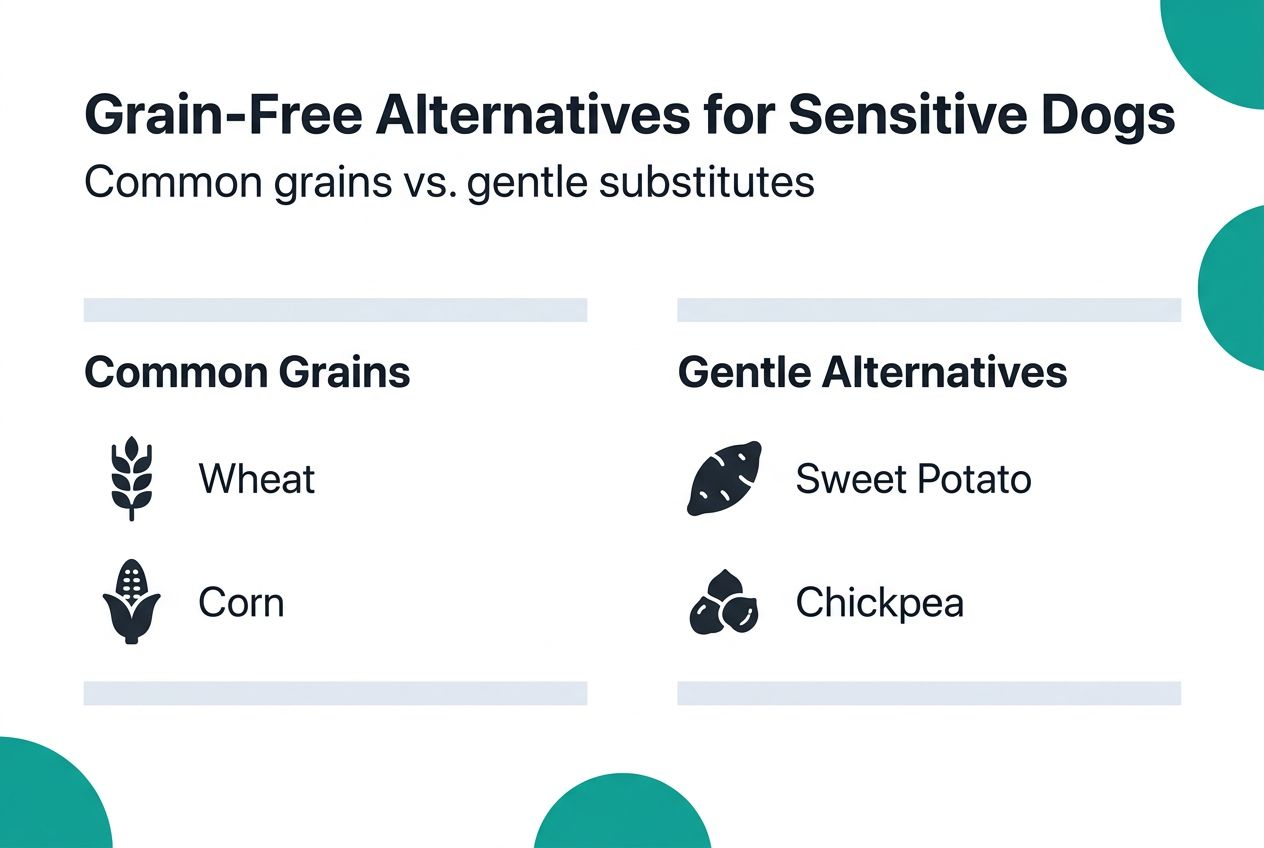
| Carbohydrate Source | Allergenic Protein Content | Digestibility | Suitable for Sensitive Dogs |
|---|---|---|---|
| Wheat | High | Moderate | No |
| Corn | High | Moderate | No |
| Sweet Potato | Low | High | Yes |
| Peas | Low | High | Yes |
| Lentils | Very Low | High | Yes |
Most vet-approved grain-free diets meet AAFCO or FEDIAF nutritional standards, ensuring your dog receives complete, balanced nutrition despite grain elimination. These standards guarantee adequate protein, fat, vitamins, and minerals for your dog’s life stage. Quality grain-free formulations replace grains without compromising nutritional completeness.
Understanding grain-free ingredients helps you evaluate product labels and select genuinely hypoallergenic options. Look beyond marketing claims to examine actual ingredient lists, ensuring the primary carbohydrate sources suit sensitive dogs. Avoid products relying excessively on single ingredients like peas, which can create their own problems in unbalanced formulations.
Pro tip: check that protein sources complement the grain-free carbohydrates. Novel proteins like duck, venison, or fish work brilliantly for dogs with multiple sensitivities, reducing overall allergenic load whilst providing essential amino acids.
Common misconceptions about grain-free diets
The grain-free trend has spawned numerous myths that confuse owners seeking the best nutrition for their dogs. The most persistent misconception suggests all grains harm all dogs, when evidence shows only about 2% of dogs have confirmed grain allergies. The remaining 98% tolerate grains perfectly well, making grain-free feeding unnecessary for most dogs.
Key myths about grain-free diets debunked:
- Myth: grains are inherently unhealthy for dogs. Reality: grains provide valuable nutrients and energy for dogs without sensitivities.
- Myth: all dogs benefit from grain-free diets. Reality: only dogs with diagnosed grain sensitivities require grain-free nutrition.
- Myth: grain-free automatically means healthier. Reality: poorly formulated grain-free foods can lack essential nutrients or contain excessive legumes.
- Myth: grain-free diets suit all life stages equally. Reality: growing puppies and active adults have different nutritional needs requiring tailored formulations.
Not all grains provoke reactions even in sensitive dogs. Some dogs tolerate rice or oats whilst reacting to wheat or corn. Elimination trials identify the specific grains causing problems, potentially allowing some grain varieties whilst removing problematic ones. This targeted approach prevents unnecessarily restrictive diets.
| Diet Type | Best For | Nutritional Profile | Cost |
|---|---|---|---|
| Grain-Inclusive | Dogs without sensitivities | Complete, varied nutrients | Moderate |
| Grain-Free | Dogs with diagnosed grain sensitivities | Complete with alternative carbs | Higher |
| Limited Ingredient | Dogs with multiple food sensitivities | Simplified, hypoallergenic | Highest |
Comparison reveals that grain-inclusive diets suit the vast majority of dogs without allergies or sensitivities. Grain-free feeding becomes appropriate only after veterinary diagnosis confirms grain sensitivity. This targeted approach prevents unnecessary dietary restrictions and expense for dogs that tolerate grains well.
Potential risks and monitoring when feeding grain-free diets
Grain-free diets carry potential risks when formulated improperly or fed without veterinary oversight. The most significant concern involves excessive pea and legume content, which some research has linked to dilated cardiomyopathy (DCM) in certain dog breeds. Formulations exceeding 50% pea or legume content may contribute to this serious heart condition, though research continues exploring the precise mechanisms.
Critical risks requiring attention when feeding grain-free include:
- Nutritional imbalances if formulations lack proper vitamin and mineral supplementation
- Excessive legume content potentially linked to heart health issues
- Inadequate protein quality if plant proteins dominate without sufficient animal protein
- Taurine deficiency in breeds predisposed to DCM
- Unnecessary dietary restriction if grain sensitivity was misdiagnosed
Long-term grain-free feeding demands veterinary oversight and regular health monitoring. Annual check-ups should include cardiac assessments for breeds at DCM risk, particularly large breeds like Golden Retrievers and Dobermanns. Blood work monitors taurine levels and overall nutritional status, catching deficiencies before they cause serious problems.
“Whilst grain-free diets benefit truly sensitive dogs, we recommend cardiac monitoring for large breed dogs eating these formulations long-term. The precaution helps us detect any emerging issues early whilst maintaining the digestive benefits these dogs need.” — Veterinary Cardiology Review, 2025
Balanced ingredient sourcing prevents the nutritional shortfalls some early grain-free formulations exhibited. Modern premium brands diversify carbohydrate sources beyond just peas, incorporating sweet potatoes, lentils, and other alternatives. This variety reduces reliance on any single ingredient whilst maintaining hypoallergenic properties. Resources explaining whether grains harm dogs provide additional context for informed decisions.
Owners should track symptoms meticulously during grain-free feeding. Note changes in energy, stool quality, coat condition, and behaviour weekly. Worsening symptoms or new problems warrant immediate veterinary consultation. This monitoring catches adverse reactions quickly, allowing prompt dietary adjustments before serious health consequences develop.
Choosing the right vet-approved grain-free diet for your sensitive dog
Selecting appropriate grain-free nutrition requires evaluating formulations against established nutritional standards and your dog’s specific needs. Quality matters enormously, as poorly designed grain-free foods can create new problems whilst attempting to solve grain sensitivity. The following criteria help you identify genuinely beneficial options.
- Verify the food meets AAFCO or FEDIAF standards for complete and balanced nutrition at your dog’s life stage
- Examine ingredient lists for diverse hypoallergenic carbohydrate sources, not excessive reliance on peas or single legumes
- Confirm adequate animal protein content from quality sources like chicken, fish, or novel proteins
- Look for veterinary formulation input or endorsement from qualified pet nutritionists
- Check that the brand conducts regular feeding trials and quality testing
- Assess whether the protein and carbohydrate sources suit your dog’s specific sensitivities
Prefer foods featuring varied carbohydrate sources rather than formulations dominated by peas or lentils alone. This diversity reduces the risk of excessive legume intake whilst maintaining hypoallergenic properties. Sweet potatoes paired with smaller amounts of peas and lentils create better nutritional balance than single-source carbohydrate formulations.
Veterinary endorsement signals that qualified nutritionists reviewed the formulation for completeness and safety. Brands employing veterinary nutritionists or conducting AAFCO feeding trials demonstrate commitment to evidence-based nutrition rather than marketing trends. These quality indicators help you distinguish genuinely beneficial products from grain-free foods capitalising on trends without proper nutritional foundation.
Pro tip: request samples before committing to large bags, allowing you to assess your dog’s acceptance and initial response. Most premium brands offer trial sizes that let you evaluate digestibility and palatability before significant investment.
Monitor your dog’s health response closely during the first eight weeks on grain-free nutrition. Track stool quality, skin condition, energy levels, and coat appearance weekly. Improvements should appear gradually as the digestive system heals and inflammation subsides. Lack of improvement or worsening symptoms indicates the diet may not suit your dog despite grain elimination.
Maintain regular veterinary consultations throughout grain-free feeding. Annual check-ups should include nutritional assessments and cardiac monitoring for at-risk breeds. Your vet can adjust recommendations based on your dog’s response, ensuring the grain-free diet continues meeting health needs safely. Guidance on choosing grain-free nutrition provides additional selection criteria for confident decisions.
Find premium grain free dog food tailored to sensitive dogs
Navigating grain-free options feels overwhelming when your sensitive dog needs relief now. Ultimate Pet Foods simplifies this process by offering vet-approved, balanced grain-free diets specifically formulated for dogs with sensitivities. Each product meets rigorous nutritional standards whilst eliminating common allergenic grains that trigger uncomfortable reactions.
Our grain-free range features diverse hypoallergenic carbohydrate sources and quality proteins tailored to sensitive digestion. Whether your dog needs novel protein options or specific ingredient restrictions, our selection provides solutions backed by veterinary nutritional science. Sample boxes let you trial options risk-free, finding the perfect match for your dog’s unique needs.
Explore dog food tailored for your furry friend through our sample programme, or review our comprehensive guide on choosing grain-free nutrition for confident selection. Discover the complete grain-free diet benefits our formulations deliver for sensitive dogs seeking lasting digestive comfort and improved wellbeing.
Frequently asked questions
What symptoms indicate my dog might be sensitive to grains?
Common symptoms include chronic digestive upset like vomiting and diarrhoea, persistent skin inflammation with itching or hot spots, and recurring ear infections. Some dogs also develop poor coat quality or behavioural changes from discomfort. Veterinary consultation remains essential for accurate diagnosis since these symptoms overlap with other conditions.
Can grain-free diets cause nutritional deficiencies in dogs?
Properly balanced grain-free diets meeting AAFCO or FEDIAF standards provide complete nutrition without deficiencies. Problems arise only from poorly formulated products lacking essential vitamins, minerals, or amino acids. Selecting vet-approved brands and maintaining regular health monitoring prevents nutritional shortfalls in grain-free fed dogs.
How long does it take to see improvements after switching to grain-free food?
Most owners notice initial improvements within four to eight weeks of switching to grain-free nutrition. Skin conditions often improve first, followed by digestive normalisation as gut inflammation subsides. Monitoring symptoms weekly and maintaining veterinary guidance during this transition period ensures optimal results and catches any unexpected reactions.
Are all grains bad for dogs with sensitivities?
No, only specific grains trigger reactions in sensitive dogs. Wheat, corn, and soy commonly provoke sensitivities, whilst some dogs tolerate rice or oats well. Elimination trials under veterinary supervision identify which grains cause problems, potentially allowing some grain varieties whilst removing problematic ones for less restrictive nutrition.