
Senior dog nutrition guide: grain-free diets 2026
If your senior dog struggles with joint pain and digestion, switching to the right grain-free diet can improve their health in weeks. This guide walks you through scientifically backed nutrition principles, safe transition protocols, and premium product selection to enhance your older dog’s quality of life. You’ll learn to identify essential nutrients, avoid common mistakes, and monitor measurable health improvements tailored for dogs aged seven and older in the UK.
Table of Contents
- Introduction To Senior Dog Nutrition
- Prerequisites: What You Need Before Starting
- Safe Transition Protocols To Grain-Free Senior Dog Food
- Essential Nutrients And Supplements For Senior Dogs
- Selecting Premium Grain-Free Products In The UK Market
- Common Mistakes And Troubleshooting
- Expected Results And Outcomes: What To Monitor And When
- Cost Considerations And Budgeting For Premium Senior Nutrition
- Why Choose Our Premium Grain-Free Senior Dog Food For Your Companion?
- Frequently Asked Questions
Key takeaways
| Point | Details |
|---|---|
| Senior dogs aged 7+ need tailored nutrition to support ageing joints, kidneys, and digestion. | |
| Gradual dietary transitions over 7-10 days prevent digestive upset in up to 30% of cases. | |
| Premium grain-free diets deliver joint support, reduced allergens, and improved coat condition. | |
| Monitor weight, mobility, and coat quality within 4-8 weeks to confirm diet effectiveness. | |
| Avoid abrupt diet changes and nutrient deficiencies by consulting your vet and supplementing wisely. |
Introduction to senior dog nutrition
Senior dogs, typically those aged seven years and older in the UK, face distinct physiological changes that demand tailored nutrition. As dogs age, their metabolism slows, digestive efficiency declines, and joint cartilage deteriorates. These shifts create challenges including compromised kidney function, reduced mobility, sensitive digestion, and thinning coats.
Grain-free diets address these concerns by eliminating wheat, corn, and other grains that can trigger inflammation or allergies. Instead, they prioritise natural animal proteins, wholesome vegetables, and functional fibres. Senior dogs require diets lower in phosphorus and higher in joint-supporting nutrients like glucosamine to counteract kidney and joint degradation common in ageing canines.
Benefits of grain-free senior nutrition include:
- Improved digestion through easily absorbed proteins and prebiotics
- Reduced allergen exposure by removing common grain irritants
- Targeted nutrients supporting joint health, kidney function, and coat vitality
- Enhanced palatability encouraging consistent feeding in fussy older dogs
For a broader overview of nutritional principles, explore our dog food for older dogs guide. Understanding these foundations prepares you to make informed choices that directly impact your senior dog’s wellbeing.
Prerequisites: what you need before starting
Before transitioning your senior dog to grain-free nutrition, gather essential information and tools to ensure safety and success. A veterinary health assessment is non-negotiable. Your vet will screen for conditions like kidney disease, diabetes, or food sensitivities that influence dietary decisions. They’ll also establish baseline metrics for weight, blood work, and joint mobility.
Understand your dog’s breed-specific needs. Larger breeds like Labradors may require extra joint support, whilst smaller breeds might need calorie-dense formulas to maintain weight. Review your current diet’s ingredient list and nutrient profile to identify gaps or problematic ingredients you’re eliminating.
Equip yourself with practical monitoring tools:
- Digital scales to track weekly weight fluctuations
- Health journal or app to log appetite, energy levels, and stool quality
- Body condition score chart to assess fat coverage and muscle tone
- Mobility checklist noting ease of standing, climbing stairs, or jumping
Pro Tip: Photograph your dog’s coat and posture before starting the transition. Visual comparisons after four weeks reveal subtle improvements you might otherwise miss.
For detailed guidance on managing dietary changes, visit our resource on how to transition dogs to grain free naturally. Preparation reduces risks and positions you to recognise positive outcomes quickly.
Safe transition protocols to grain-free senior dog food
Rapid dietary changes cause gastrointestinal distress in up to 30% of senior dogs. A structured, gradual transition minimises this risk whilst allowing your dog’s digestive system to adapt to new ingredients. Follow this proven 7-10 day protocol to ensure a smooth changeover.
- Days 1-2: Mix 25% new grain-free food with 75% current food. Serve at normal mealtimes and monitor stool consistency.
- Days 3-4: Adjust ratio to 50% new food and 50% old food. Watch for signs of acceptance or hesitation.
- Days 5-6: Increase to 75% new food with 25% old food. Most dogs adapt comfortably by this stage.
- Days 7-10: Serve 100% new grain-free food. Extend the timeline if digestive upset occurs.
Signs of intolerance requiring immediate attention include:
- Vomiting or persistent diarrhoea beyond 24 hours
- Loss of appetite lasting more than two meals
- Excessive itching, redness, or ear infections
- Lethargy or reluctance to move
If symptoms appear, slow the transition by reverting to the previous ratio for an additional 2-3 days. Some senior dogs need 14 days to fully adjust. Consult your vet if issues persist beyond two weeks.
Pro Tip: Keep fresh water available at all times during the transition. Increased hydration aids digestion and helps your dog process new protein sources more efficiently.
For additional strategies, review our guides on transitioning dog foods successfully, grain free dog feeding guide, and how to transition dogs to grain free naturally. Patience and observation are your greatest tools.
Essential nutrients and supplements for senior dogs
Ageing dogs require precise nutrient profiles to maintain health and vitality. Grain-free diets must deliver targeted support for kidneys, joints, digestion, and coat condition. Understanding these requirements prevents deficiencies and optimises your senior dog’s wellbeing.
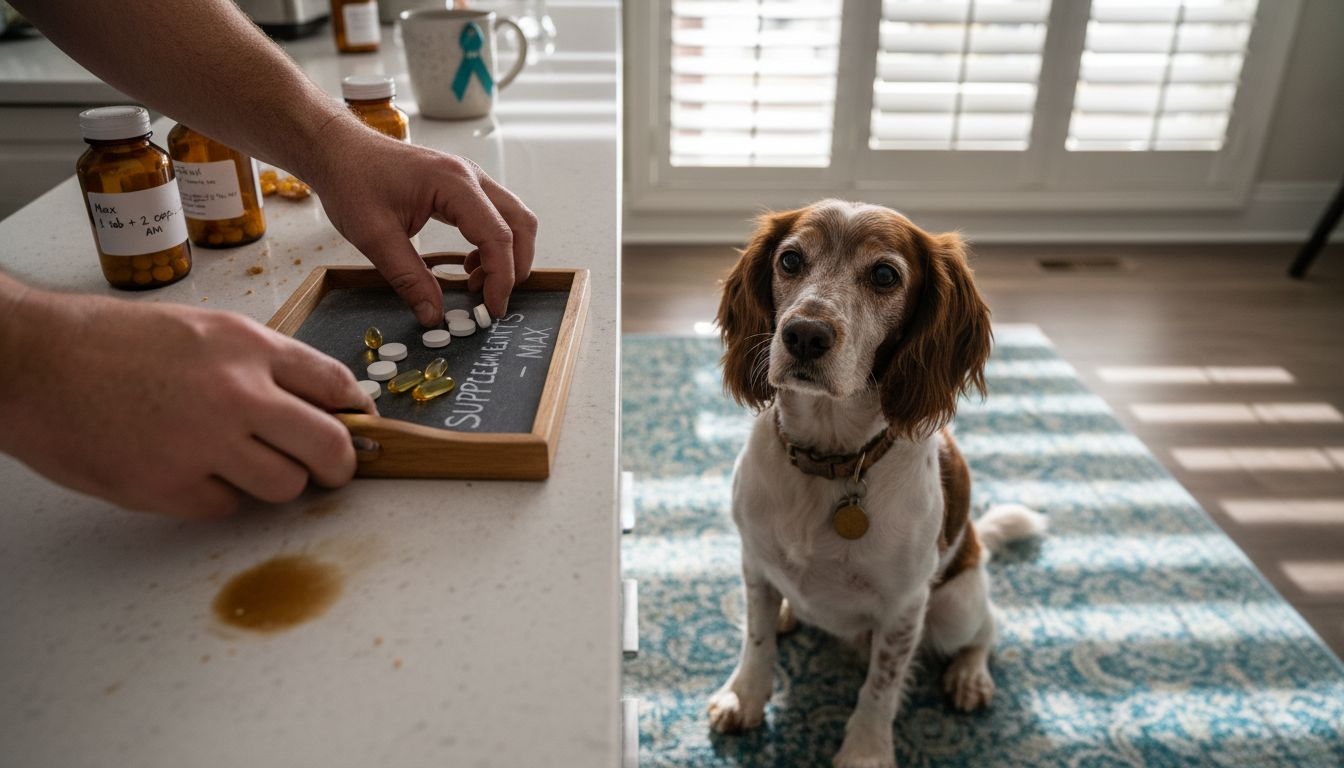
Phosphorus restriction is critical for kidney health. Senior dogs require diets lower in phosphorus to slow kidney degradation, typically aiming for 0.3%-0.5% phosphorus content. High-quality animal proteins provide essential amino acids without excessive phosphorus loads.
Joint support depends on glucosamine and omega-3 fatty acids. Glucosamine doses of 500-1000 mg daily help rebuild cartilage, whilst omega-3s from fish oil reduce inflammation. These nutrients work synergistically to improve mobility and decrease stiffness.
Digestive health thrives with prebiotics and probiotics. These beneficial bacteria support gut flora, enhance nutrient absorption, and reduce bloating. Look for diets containing chicory root, beet pulp, or added probiotic strains.
Vitamins and minerals maintain immune function and coat quality:
- Vitamin E acts as an antioxidant protecting cells from age-related damage
- Zinc supports skin integrity and wound healing
- B vitamins sustain energy metabolism in slower metabolisms
| Nutrient | Daily Target | Primary Sources |
|---|---|---|
| Phosphorus | 0.3%-0.5% | Controlled in premium formulas |
| Glucosamine | 500-1000 mg | Green-lipped mussel, supplements |
| Omega-3 | 1000-2000 mg | Salmon oil, flaxseed |
| Vitamin E | 50-100 IU | Sunflower oil, almonds |
| Probiotics | 1-5 billion CFU | Fermented ingredients |
Pro Tip: Always consult your vet before adding supplements to avoid nutrient imbalances or interactions with medications. Blood tests confirm whether your dog needs specific supplementation based on individual health status.
Selecting premium grain-free products in the UK market
Choosing the right grain-free senior dog food requires evaluating quality markers that separate premium options from generic alternatives. UK pet owners benefit from transparent labelling regulations, but knowing what to prioritise saves time and ensures optimal nutrition.
Premium grain-free foods feature natural, UK-sourced ingredients with minimal processing. Look for named animal proteins like “deboned chicken” or “salmon meal” as the first ingredient, not vague terms like “meat derivatives.” Hypoallergenic formulas avoid common allergens including soy, dairy, and artificial additives.
Verified nutrient balance tailored for seniors is non-negotiable. Check guaranteed analysis panels for appropriate protein (22-28%), moderate fat (10-15%), controlled phosphorus (under 0.5%), and added joint support. Certifications from veterinary nutritionists add credibility.
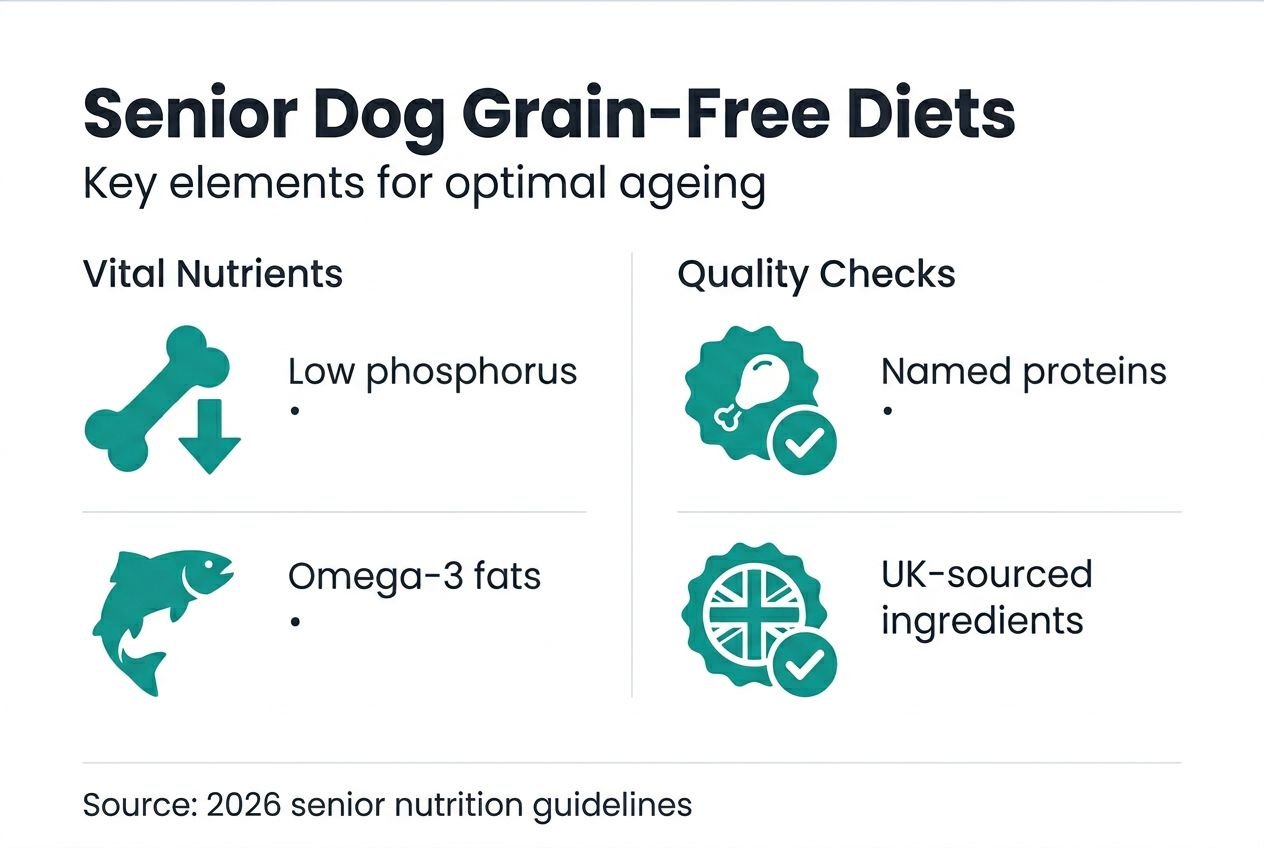
High-quality natural ingredients enhance palatability and nutrient absorption in senior dogs, improving feeding compliance by 40% compared to generic grain-free diets. If your dog refuses meals, even the best nutrition fails.
Key selection criteria include:
- Ingredient transparency with clear sourcing information
- Clinical feeding trials demonstrating safety and effectiveness
- Positive feeding acceptance rates above 85%
- Vet endorsements or FEDIAF compliance for complete nutrition
- Responsive customer service for dietary questions
| Feature | Premium Grain-Free | Generic Grain-Free |
|---|---|---|
| Protein source | Named meats, UK-sourced | Vague “meat meal” |
| Nutrient profile | Senior-tailored, vet-approved | General adult formula |
| Palatability | 85%+ acceptance | 60-70% acceptance |
| Transparency | Full ingredient disclosure | Minimal details |
| Price per kg | £4-8 | £1.50-3 |
Explore our curated senior dog food UK collection for options meeting these standards. Our guides on 7 best food for senior dogs and dog food for senior dogs naturally offer additional product insights.
Common mistakes and troubleshooting
Even well-intentioned owners make errors during senior diet transitions that compromise results. Recognising and avoiding these pitfalls ensures your dog benefits fully from grain-free nutrition.
Abrupt diet switches remain the most common mistake. Changing food overnight causes digestive upset in 30% of cases, leading to vomiting, diarrhoea, and refusal to eat. Always use the 7-10 day gradual transition protocol outlined earlier.
Ignoring breed-specific needs creates nutritional gaps. Giant breeds need extra joint support and controlled calories to prevent obesity, whilst toy breeds require energy-dense formulas in smaller kibble sizes. Research your breed’s particular vulnerabilities before selecting a product.
Failing to supplement adequately on grain-free diets risks deficiencies. Whilst premium foods are nutritionally complete, individual dogs may need extra glucosamine, omega-3s, or vitamins based on health conditions. Blood tests identify specific needs.
Missing early intolerance signs allows problems to escalate:
- Persistent vomiting or diarrhoea beyond 48 hours
- Sudden weight loss or gain exceeding 5% body weight
- Chronic itching, hot spots, or ear infections
- Lethargy, reluctance to exercise, or mood changes
If symptoms appear, revert to a 50/50 food mix and slow the transition. Document all observations for your vet. Persistent issues may indicate an underlying health condition unrelated to diet, requiring medical intervention.
Reevaluate your chosen product if problems continue past two weeks. Not every grain-free formula suits every dog. Switching protein sources or trying a different brand often resolves incompatibility issues.
Expected results and outcomes: what to monitor and when
Transitioning to premium grain-free nutrition delivers measurable health improvements within specific timeframes. Tracking these outcomes validates your dietary choices and motivates continued adherence.
Weight stability and healthy body condition appear within six weeks. Senior dogs prone to weight gain on grain-heavy diets often shed excess pounds, whilst underweight dogs gain muscle mass. Aim for a visible waist and palpable ribs without excessive fat coverage.
Regular monitoring of body weight and coat condition can reveal the effectiveness of senior dog nutritional changes within six weeks. Weigh your dog weekly and adjust portions if weight fluctuates beyond 3%.
Enhanced joint mobility and decreased stiffness become noticeable after 6-8 weeks. Dogs climb stairs more easily, play longer, and show less reluctance to stand after rest. Glucosamine and omega-3s require time to rebuild cartilage and reduce inflammation.
Coat glossiness and skin condition improve visibly by four weeks. Dull, brittle fur transforms into shiny, soft coats as essential fatty acids nourish hair follicles. Reduced flaking and itching signal better skin hydration.
Digestive and allergy symptoms diminish within one month:
- Firmer, more consistent stools indicate improved nutrient absorption
- Reduced gas and bloating reflect better digestive enzyme activity
- Fewer ear infections and skin irritations show decreased allergen exposure
Premium grain-free diets improve feeding compliance by 40% compared to generic options. Your dog’s enthusiasm at mealtimes confirms palatability and satisfaction, crucial for long-term dietary success.
Document changes in your health journal, comparing weekly photos and notes. Share progress with your vet during check-ups to fine-tune the diet as needed.
Cost considerations and budgeting for premium senior nutrition
Premium grain-free senior dog food costs more than standard diets, but the investment pays dividends in health outcomes and reduced veterinary expenses. Understanding the financial commitment helps you budget sustainably without compromising quality.
Expect to pay £4-8 per kilogramme for premium grain-free options versus £1.50-3 for basic supermarket brands. A 15 kg senior dog consuming 300g daily requires approximately 9 kg monthly, totalling £36-72 in food costs. Generic diets might cost £13.50-27, creating a £22.50-45 monthly premium.
However, improved health reduces vet bills significantly. Preventing obesity-related conditions, managing allergies naturally, and supporting joint health can save hundreds of pounds annually in medications, treatments, and emergency visits. One avoided veterinary consultation for digestive upset or skin infection offsets weeks of premium food costs.
Budgeting tips for premium nutrition:
- Buy in bulk during sales to reduce per-kilogramme costs by 15-20%
- Subscribe to autoship programmes offering 10-15% discounts
- Compare cost per serving, not just package price, to identify true value
- Invest in preventive nutrition early to avoid expensive treatments later
Balancing cost and quality means prioritising essential features. Focus on named proteins, senior-specific nutrients, and proven palatability rather than trendy ingredients with unproven benefits. Our guide on what makes dog food premium clarifies which features justify higher prices.
Consider the cost-benefit in terms of extended healthspan. Dogs thriving on optimal nutrition enjoy more active, comfortable years, enhancing quality time together. That emotional value, whilst intangible, often outweighs financial considerations for devoted owners.
Why choose our premium grain-free senior dog food for your companion?
After learning how to optimise your senior dog’s nutrition, you might wonder where to find products meeting these exacting standards. Ultimate Pet Foods specialises in premium grain-free ranges designed specifically for ageing dogs.
Our senior formulas feature natural, UK-sourced ingredients with veterinary-approved nutrient profiles tailored to support joints, kidneys, and digestion. Every recipe undergoes rigorous testing for palatability and nutritional completeness, ensuring your dog eagerly consumes meals whilst receiving targeted health benefits. Hypoallergenic formulations eliminate common irritants, making our foods suitable even for sensitive seniors.
We understand choosing new food feels uncertain. That’s why we offer grain free dog food free samples so your dog can try before you commit. Our nutrition experts provide personalised guidance, answering questions about transition protocols, portion sizes, and health monitoring.
Explore the science behind our approach in why a grain free diet is the best choice and browse our senior dog food UK collection today. Your senior dog deserves nutrition that supports their golden years with vitality and comfort.
Frequently asked questions
What age is considered senior for dogs in the UK?
Dogs generally enter their senior years at seven years old, though this varies by breed and size. Large and giant breeds like Great Danes or Mastiffs may be considered senior as early as five to six years due to shorter lifespans and faster ageing processes. Smaller breeds such as Chihuahuas often don’t reach senior status until eight to ten years.
How long does it take to see health improvements after switching to a grain-free diet?
Observable improvements in coat glossiness and weight stability become measurable after 4-6 weeks of nutritional changes. Joint mobility benefits typically appear by 6-8 weeks as glucosamine and omega-3s accumulate in tissues. Digestive symptoms like bloating or irregular stools often reduce within the first month, signalling improved gut health and nutrient absorption.
What are common signs my senior dog is not tolerating the new diet?
Vomiting, diarrhoea, or decreased appetite lasting beyond 48 hours indicate intolerance requiring immediate attention. Skin reactions like itchiness, redness, or hot spots suggest allergic responses to specific ingredients. Lethargy, stiff movement, or reluctance to play may signal digestive discomfort or nutrient imbalances. If any symptoms persist past one week despite slowing the transition, consult your vet to rule out underlying health issues or identify ingredient sensitivities.