
Guide to grain free diets for dogs with allergies
Choosing the right diet for a dog with allergies can feel overwhelming, especially when grain-free options flood the market with conflicting claims. Many owners wonder whether eliminating grains will truly help their pet or simply follow a trend without substance. The reality is that grain-free diets can benefit certain dogs, but only when chosen carefully with veterinary guidance and proper nutritional balance. This guide cuts through the confusion, explaining what grain-free diets actually are, when they genuinely help allergic or sensitive dogs, and how to implement them safely whilst avoiding common pitfalls that could harm your pet’s health.
Table of Contents
- Key takeaways
- Understanding grain-free diets and dog nutrition basics
- When and why to choose grain-free diets for dogs with allergies
- Potential risks and considerations with grain-free diets
- How to implement and monitor a grain-free diet safely
- Premium grain-free dog food options for healthy pets
- FAQ
Key Takeaways
| Point | Details |
|---|---|
| What grain free is | Grain free diets exclude traditional cereals and rely on alternatives such as peas and sweet potatoes while still supplying complete nutrition. |
| Alternative carbohydrate sources | These substitutes provide energy and fibre while avoiding the proteins found in cereal grains that some dogs find hard to digest. |
| Vet guidance essential | Veterinary guidance is crucial before switching to grain free to ensure the diet remains balanced and tailored to the dog. |
| Not for all dogs | Only dogs with diagnosed sensitivities or grain related issues are likely to benefit from grain free feeding. |
| No heart risk increase | When properly formulated and monitored, balanced grain free diets do not increase heart disease risk in healthy dogs according to studies. |
Understanding grain-free diets and dog nutrition basics
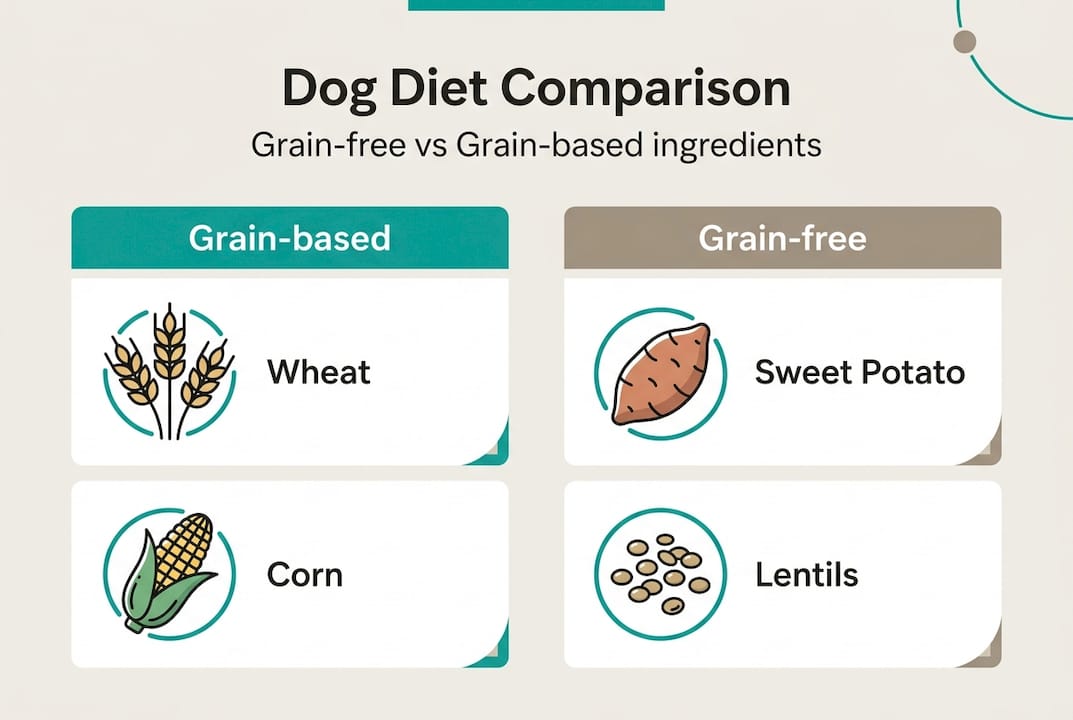
Grain-free dog food excludes traditional grains like wheat, corn, rice, and barley, replacing them with alternative carbohydrate sources such as peas, lentils, sweet potatoes, and chickpeas. These substitutes provide energy and fibre whilst avoiding the proteins found in cereal grains that some dogs struggle to digest. The formulations still require complete nutrition, meaning they must supply all essential amino acids, fatty acids, vitamins, and minerals your dog needs for optimal health.
The shift from grain to alternative carbohydrates changes more than just ingredient labels. Sweet potatoes and peas offer different glycaemic responses compared to rice or oats, potentially affecting blood sugar stability and satiety. Legumes like lentils bring higher protein content than many grains, which can benefit muscle maintenance but may alter the overall protein balance if not carefully formulated. Understanding these differences helps you evaluate whether a grain-free option genuinely suits your dog’s needs or simply swaps one carbohydrate for another without meaningful benefit.
Common grain-free ingredients and their nutritional roles:
- Sweet potatoes: complex carbohydrates, fibre, beta-carotene for immune support
- Peas: plant protein, B vitamins, moderate fibre content
- Lentils: high protein, iron, folate for cellular function
- Chickpeas: protein, resistant starch for gut health
- Tapioca: easily digestible carbohydrate, hypoallergenic starch source
| Ingredient type | Grain-based example | Grain-free alternative | Nutritional comparison |
|---|---|---|---|
| Carbohydrate | Brown rice | Sweet potato | Similar energy; sweet potato adds more vitamin A |
| Fibre source | Oats | Peas | Peas provide more protein alongside fibre |
| Binding agent | Wheat gluten | Tapioca | Tapioca hypoallergenic but lower protein |
| Energy density | Corn | Chickpeas | Chickpeas offer higher protein, lower glycaemic load |
Fibre remains crucial regardless of grain presence, supporting digestive health and regular bowel movements. Grains naturally provide soluble and insoluble fibre, but quality grain-free foods match this through vegetables, legumes, and added prebiotics. Vitamins and minerals must be carefully balanced too, since grains contribute B vitamins and certain minerals that alternatives may lack without fortification. Checking for compliance with WSAVA or AAFCO standards ensures the grain free dog food basics guide 2026 meets complete nutrition requirements.
Pro Tip: Always verify that grain-free formulas include added taurine, an amino acid critical for heart health that may be lower in legume-heavy diets. Look for brands that conduct feeding trials and employ veterinary nutritionists, ensuring the recipe supports long-term health rather than just meeting minimum standards.
When and why to choose grain-free diets for dogs with allergies
True grain allergies affect fewer than 1% of dogs with food sensitivities, making them far less common than many owners assume. Most canine food reactions stem from animal proteins like beef, chicken, or dairy rather than cereal grains. Symptoms suggesting a potential grain allergy include persistent skin irritation, chronic ear infections, gastrointestinal upset, and excessive paw licking, but these signs overlap with numerous other conditions. Jumping to grain-free diets without proper diagnosis wastes time and money whilst potentially missing the actual culprit behind your dog’s discomfort.

Veterinary diagnosis separates genuine grain sensitivities from seasonal allergies, environmental triggers, or protein intolerances masquerading as grain issues. Your vet may recommend intradermal skin testing or blood panels to identify specific allergens, though elimination diets remain the gold standard for confirming food sensitivities. Hydrolyzed protein diets using salmon or poultry feather work effectively in elimination trials, requiring over four weeks for cutaneous adverse food reactions to show improvement. Rushing this process or switching foods too quickly prevents accurate identification of triggers.
Grain-free diets benefit dogs with confirmed grain sensitivities by removing the inflammatory trigger, allowing skin and digestive systems to heal. You might notice reduced scratching, clearer skin, firmer stools, and improved coat quality within weeks of eliminating problematic grains. However, these improvements only occur when grains were genuinely causing issues, not when you’re chasing trends or responding to marketing claims. Understanding grain allergies in dogs explained helps distinguish between real needs and unnecessary dietary changes.
Signs that warrant grain allergy testing:
- Persistent itching despite flea control and seasonal allergy treatment
- Recurring ear infections with no bacterial or yeast cause identified
- Chronic soft stools or intermittent vomiting unrelated to other illness
- Hot spots or skin lesions that heal slowly or return frequently
- Excessive paw licking creating redness or hair loss between toes
Pro Tip: Elimination diets require patience and strict adherence, meaning absolutely no treats, table scraps, or flavoured medications during the trial period. Even tiny amounts of grain-containing foods can trigger reactions and invalidate your results, forcing you to start the entire process again from scratch.
Potential risks and considerations with grain-free diets
Dilated cardiomyopathy concerns emerged when the FDA investigated potential links between grain-free diets high in legumes and heart disease in dogs, particularly certain breeds predisposed to DCM. The investigation found insufficient evidence to establish direct causality, but the uncertainty created widespread concern amongst owners and veterinarians. Recent research provides reassurance: an 18-month study showed no cardiac changes in 60 healthy dogs fed balanced grain-free diets containing potatoes and peas, with normal taurine levels and echocardiographic measurements throughout.
Breed-specific risks require careful consideration when choosing grain-free options. Golden Retrievers, Doberman Pinschers, Boxers, and Cocker Spaniels carry genetic predispositions to DCM regardless of diet, making any potential dietary contribution more concerning for these breeds. If your dog belongs to a DCM-prone breed, discuss grain-free diets thoroughly with your vet before making changes. They may recommend regular cardiac monitoring, taurine supplementation, or alternative diet strategies that avoid both grains and high legume content.
Key considerations when evaluating grain-free diets:
- Breed predisposition: Research whether your dog’s breed faces elevated DCM risk requiring extra caution
- Taurine levels: Verify the food contains adequate taurine or consider supplementation under vet guidance
- Veterinary oversight: Schedule regular check-ups including cardiac assessment if feeding grain-free long-term
- Cost implications: Premium grain-free options typically cost more than grain-inclusive foods of similar quality
- Nutritional balance: Choose brands that conduct feeding trials rather than just meeting minimum standards
| Factor | Grain-free diets | Grain-inclusive diets |
|---|---|---|
| DCM-prone breeds | Higher caution needed; monitor cardiac health | Lower concern; standard monitoring sufficient |
| Taurine content | May require supplementation or verification | Typically adequate in quality formulas |
| Digestive tolerance | Better for grain-sensitive dogs only | Suitable for most dogs without sensitivities |
| Cost per serving | Generally 20-40% higher for equivalent quality | More economical for long-term feeding |
| Ingredient variety | Limited to non-grain carbohydrates | Broader range of carbohydrate sources |
“Grain-free diets are not inherently dangerous, but they’re also not necessary for most dogs. The key is choosing nutritionally complete formulas from reputable manufacturers and maintaining open communication with your veterinarian, especially if your dog belongs to a breed with elevated cardiac risks.”
Balanced grain-free diets from manufacturers following WSAVA guidelines demonstrate that these foods can support canine health when properly formulated. The problems arise with poorly designed recipes that substitute grains with excessive legumes without addressing amino acid profiles or adding necessary supplements. Understanding grain free dog food pros cons helps you weigh whether the potential benefits for your specific dog outweigh the additional costs and considerations.
How to implement and monitor a grain-free diet safely
Starting a grain-free diet requires methodical planning and veterinary collaboration to ensure your dog transitions smoothly whilst maintaining optimal nutrition. Rushing the process or making abrupt changes can trigger digestive upset, mask underlying health issues, or create new nutritional imbalances that harm rather than help your pet. Following a structured approach protects your dog’s health whilst giving you clear data on whether grain-free feeding genuinely improves their condition.
Step-by-step implementation process:
- Consult your veterinarian to confirm grain sensitivity through testing or elimination diet protocols before purchasing grain-free food
- Select a grain-free formula meeting WSAVA standards with added taurine and appropriate protein sources for your dog’s life stage
- Transition gradually over 7-10 days, mixing increasing proportions of grain-free food with current diet to prevent digestive upset
- Document baseline measurements including skin condition, stool quality, energy levels, and any allergy symptoms before starting
- Monitor changes weekly for the first month, noting improvements or new concerns to discuss with your vet
- Schedule follow-up appointments at 4-6 weeks and 3-6 months to assess overall health and cardiac function if relevant
Monitoring goes beyond simply watching your dog eat. You need systematic observation of multiple health markers to determine whether grain-free feeding benefits your specific dog or creates unexpected issues. Keep a simple log tracking skin condition, digestive patterns, energy levels, and any behavioural changes that might indicate nutritional deficiencies or improvements. This documentation proves invaluable during veterinary consultations, providing concrete data rather than vague impressions.
Critical monitoring points during grain-free feeding:
- Skin health: reduced scratching, healing of hot spots, improved coat texture and shine
- Digestive function: stool consistency, frequency, presence of gas or bloating
- Energy levels: sustained activity, appropriate weight maintenance, normal exercise tolerance
- Cardiac indicators: breathing patterns, exercise stamina, coughing (especially in DCM-prone breeds)
- Veterinary assessments: regular check-ups including cardiac evaluation if feeding long-term
Pro Tip: Supplement taurine at 500-1000mg daily for medium to large dogs on grain-free diets, particularly those containing high legume content. Choose grain-free foods where legumes appear lower in the ingredient list, with animal proteins dominating the first five ingredients for better amino acid profiles.
Cost considerations matter for sustainable long-term feeding, especially since premium grain-free options typically cost 20-40% more than equivalent grain-inclusive foods. Calculate monthly feeding costs based on your dog’s weight and activity level before committing to grain-free nutrition. Some owners find that rotating between grain-free and carefully selected grain-inclusive foods provides variety whilst managing expenses, though this approach only works if your dog lacks true grain allergies.
Understanding grain free dog food ingredients guide helps you evaluate labels effectively, identifying quality formulations versus those simply capitalising on trends. Look for named animal proteins as primary ingredients, moderate legume content, added taurine, omega fatty acids for skin health, and complete vitamin and mineral supplementation. Following grain free diet safety steps ensures you implement changes responsibly whilst protecting your dog’s long-term wellbeing.
Premium grain-free dog food options for healthy pets
Choosing grain-free nutrition becomes simpler when you partner with manufacturers prioritising veterinary science and quality ingredients over marketing trends. Ultimate Pet Foods offers carefully formulated grain-free ranges built around high-quality animal proteins, balanced carbohydrates from sweet potatoes and vegetables, and essential supplements including taurine for cardiac health. Each recipe meets WSAVA and AAFCO standards through rigorous testing and nutritional analysis, ensuring your dog receives complete nutrition without unnecessary fillers or questionable ingredients.
Our grain-free selections cater to dogs with genuine sensitivities whilst supporting overall health through thoughtful ingredient selection and precise nutrient ratios. Whether your dog requires allergy management, breed-specific nutrition, or simply thrives on grain-free feeding, you’ll find options designed with veterinary guidance and real-world feeding trials. Explore grain free diet benefits to understand how quality formulations support skin health, digestive function, and sustained energy. Review our grain free dog food ingredients guide for detailed breakdowns of what makes effective grain-free nutrition, or compare options through our dry dog food comparison to find the perfect match for your dog’s needs.
FAQ
What signs indicate my dog has a grain allergy?
Persistent skin irritation, chronic ear infections, gastrointestinal upset including soft stools or vomiting, and excessive paw licking suggest potential food sensitivities. However, these symptoms overlap with environmental allergies and protein intolerances, requiring veterinary testing through elimination diets or allergy panels to confirm grain involvement. True grain allergies remain rare, affecting fewer than 1% of dogs with food sensitivities, so proper diagnosis prevents unnecessary dietary changes. Visit grain allergies signs and solutions for detailed symptom identification.
How long should I try a grain-free diet before seeing results?
Elimination diets require minimum 4-6 weeks for skin-related food sensitivities to show improvement, with some cases needing 8-12 weeks for complete resolution. Digestive improvements may appear within 2-3 weeks if grains were causing gastrointestinal upset. Maintain strict adherence during this period, avoiding all treats, table scraps, or flavoured medications containing grains. Document changes weekly to track progress and share concrete data with your veterinarian during follow-up appointments.
Are grain-free diets safe for all dog breeds?
Balanced grain-free diets prove safe for most healthy dogs when properly formulated with adequate taurine and quality protein sources. However, breeds predisposed to dilated cardiomyopathy including Golden Retrievers, Doberman Pinschers, Boxers, and Cocker Spaniels require extra caution and veterinary monitoring. Recent 18-month studies show no cardiac damage in healthy dogs fed balanced grain-free diets, but genetic predispositions warrant regular cardiac assessments. Consult your veterinarian before switching DCM-prone breeds to grain-free nutrition.
Should I supplement taurine when feeding grain-free dog food?
Taurine supplementation provides extra insurance for dogs on grain-free diets, particularly formulas high in legumes that may affect taurine absorption or synthesis. Medium to large dogs benefit from 500-1000mg daily, whilst smaller breeds need proportionally less based on weight. Choose grain-free foods already fortified with taurine and featuring animal proteins as primary ingredients for better amino acid profiles. Your veterinarian can assess whether your specific dog requires supplementation based on breed, diet composition, and cardiac risk factors.