
Why choose natural dog treats for your dog
TL;DR:
- Natural dog treats retain more nutrients and lack harmful additives compared to processed options, supporting canine health.
- Choosing treats with named ingredients, natural preservatives, and low-temperature processing helps maintain their nutritional value and safety.
Natural dog treats are minimally processed snacks made from simple, real-food ingredients, offering better nutrition and fewer harmful additives than conventional alternatives. If you’ve stood in a pet shop aisle squinting at a label full of unpronounceable preservatives, you’re not alone. More UK dog owners are asking the right question: why choose natural dog treats when the shelves are full of cheaper, flashier options? The answer lies in ingredient transparency, nutrient preservation, and the long-term wellbeing of your dog. At Ultimatepetfoods, we believe every treat your dog receives should support the same wholesome philosophy as their daily meals.
Why are natural dog treats healthier than processed ones?
Natural dog treats are healthier because they preserve more of the nutrients your dog actually needs, while avoiding the additives that can cause harm over time. Processing method is the single biggest factor most owners overlook entirely.

A 2024 systematic review confirms that minimally processed foods retain significantly more vitamins and proteins than extruded or baked alternatives. This matters because the majority of conventional treats are produced through high-heat extrusion, a method that can strip away heat-sensitive nutrients before the treat even reaches your dog’s bowl.
The chemistry gets more concerning from there. A 2022 Animals journal study found that extrusion reduces nutrient bioavailability and forms advanced glycation end products (AGEs), compounds associated with canine diseases including inflammation and organ stress. Air-drying or gentle cooking avoids this problem entirely by keeping temperatures low enough to preserve protein integrity.
Artificial preservatives are another serious concern. The WHO classifies BHA as a suspected carcinogen, and the EU lists BHT as an endocrine disruptor. Natural treats use safer alternatives such as rosemary extract and mixed tocopherols (vitamin E) to maintain freshness without the chemical risk.
Beyond preservatives, the benefits of natural dog treats extend to digestion, coat condition, and allergy management. Dogs fed treats with shorter, recognisable ingredient lists tend to have more consistent stools, less itching, and better coat shine. These are not minor cosmetic improvements. They are signals of improved gut health and reduced systemic inflammation.
Pro Tip: When reading a treat label, count the ingredients. Genuinely natural treats typically list five or fewer recognisable items. If you see “meat and animal derivatives” without a named species, put it back on the shelf.
Here is what to look for on a quality natural treat label:
- Named protein source: chicken, salmon, or venison rather than “meat derivatives”
- Natural preservatives: rosemary extract, mixed tocopherols, or vitamin C
- No artificial colours: caramel colouring and titanium dioxide serve no nutritional purpose
- Short ingredient list: five or fewer items is a strong indicator of genuine simplicity
- Processing method: air-dried or gently cooked treats are preferable to baked or extruded
Understanding harmful ingredients to avoid in both treats and daily food is one of the most practical steps you can take for your dog’s long-term health.
Natural vs organic dog treats: what is the difference?
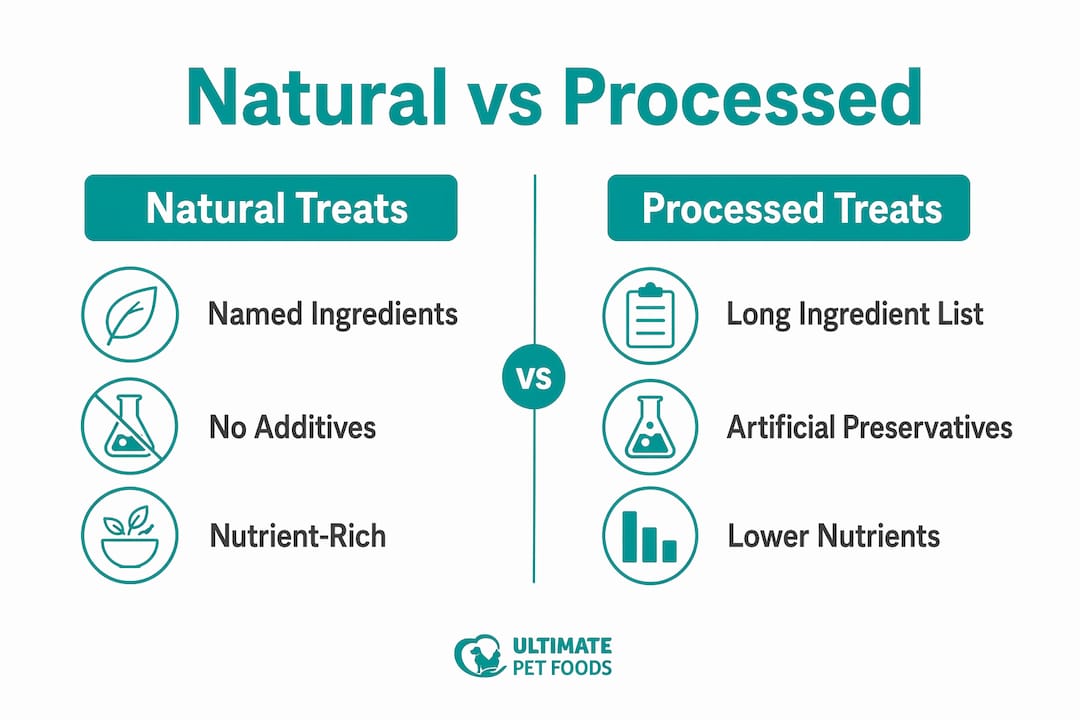
Natural and organic are not interchangeable terms, and confusing them can lead to poor purchasing decisions. Natural treats focus on ingredient clarity and the absence of artificial additives. Organic treats go a step further by requiring certified farming standards, meaning no synthetic pesticides, herbicides, or growth hormones in the production chain.
Organic certification reduces chemical exposure and supports better digestion, particularly for puppies, senior dogs, and those with known allergies. This makes organic treats a strong choice for dogs with heightened sensitivities, though they typically carry a higher price point. Natural treats, by contrast, are more accessible and well-suited to dogs without specific sensitivities or those on rotational diets.
The table below compares natural and organic treats across the factors that matter most to health-conscious owners:
| Factor | Natural treats | Organic treats |
|---|---|---|
| Ingredient clarity | Named, recognisable ingredients | Named ingredients with certified sourcing |
| Certification required | No formal certification | USDA or equivalent organic certification |
| Artificial additives | Absent | Absent |
| Pesticide exposure | Not regulated at farm level | Minimised through certified farming |
| Cost | Generally more affordable | Higher due to certification costs |
| Best suited for | Most dogs, rotational diets | Puppies, seniors, allergic dogs |
Conventional treats sit at the other end of the spectrum entirely. They typically contain longer ingredient lists, artificial colourings, synthetic preservatives, and heavier processing. For dogs with no known sensitivities, an occasional conventional treat may cause no visible harm. Over time, however, the cumulative effect of repeated additive exposure is worth taking seriously.
How to choose genuinely natural dog treats
Choosing a truly natural treat requires more than trusting the front-of-pack marketing. The word “natural” carries no legal definition in UK pet food labelling, which means any brand can use it regardless of what is actually inside the bag.
Follow these steps to make a genuinely informed choice:
- Read the full ingredient list. The first ingredient should be a named protein: chicken, duck, beef, or salmon. If the first ingredient is a grain, starch, or vague “meat meal,” the treat is not primarily protein-based.
- Check the preservative type. Rosemary extract, mixed tocopherols, and ascorbic acid (vitamin C) are safe, natural options. BHA, BHT, and ethoxyquin are red flags.
- Look for processing method clues. Labels that state “air-dried” or “gently cooked” indicate lower-temperature processing. “Baked” and “extruded” suggest higher heat and greater nutrient loss.
- Calculate treat calories. AAHA guidelines recommend treats make up no more than 10% of your dog’s daily caloric intake. A 10kg dog eating 400 calories per day should receive no more than 40 calories from treats.
- Rotate protein sources. Feeding the same protein repeatedly can increase the risk of developing a sensitivity over time. Rotating between chicken, fish, and novel proteins like venison or kangaroo reduces this risk.
Pro Tip: If you enjoy making treats at home, our grain-free treat recipes use simple, natural ingredients you can source from your kitchen. Homemade natural dog treats give you complete control over every ingredient.
Ultimatepetfoods dry dog food is made with freshly prepared meat or fish, gently cooked at 82°C to lock in nutrients and freshness. Pairing that kind of nutritional foundation with genuinely natural treats creates a consistent, health-supporting diet from morning meal to evening reward.
Do natural treats help dogs with allergies or digestive issues?
Natural treats are particularly valuable for dogs with allergies or digestive sensitivities because their simpler ingredient profiles make it far easier to identify and avoid specific triggers. A 2026 review found that owners of sensitive dogs are switching to natural treats specifically because shorter ingredient lists make allergen evaluation straightforward.
Single-ingredient natural treats are the gold standard for hypoallergenic diets. A dried chicken strip with one ingredient leaves no ambiguity. A conventional treat with 18 ingredients makes it nearly impossible to pinpoint which one is causing a reaction.
Here is how natural treats support dogs with sensitivities:
- Fewer allergen sources: single-protein treats eliminate the guesswork in elimination diets
- No artificial colours or flavourings: synthetic additives are a common but underappreciated trigger for skin flare-ups and digestive upset
- Better digestibility: fewer fillers and lower-temperature processing means the gut has less work to do
- Consistent stools: dogs transitioning to natural treats often show improved stool quality within two to three weeks
- Reduced itching and ear issues: many owners report visible improvements in skin and coat condition after removing artificial additives from the diet
For dogs with ongoing sensitivities, the Ultimatepetfoods Ultimate+ Functional Health range offers targeted everyday support using hydrolysed proteins, which are broken down to a size that minimises immune reactions. The range covers Digestive Care, Skin & Coat Care, Weight Control & Joint Care, Dental Care, and Healthy Living, making it a natural companion to a treat regime built around simplicity and transparency. You can also explore our guide to hypoallergenic dog treats for sensitive pups.
Key takeaways
Natural dog treats deliver genuine health benefits when chosen carefully, but label literacy and portion control are what separate a smart treat choice from a marketing-driven one.
| Point | Details |
|---|---|
| Processing method matters | Air-dried and gently cooked treats preserve more protein and vitamins than extruded alternatives. |
| Avoid harmful preservatives | BHA and BHT carry carcinogenic and endocrine-disrupting risks; choose rosemary extract or tocopherols instead. |
| Apply the 10% rule | Treats should not exceed 10% of daily caloric intake to maintain a balanced diet and healthy weight. |
| Natural and organic are different | Natural treats prioritise ingredient clarity; organic treats add certified farming standards for reduced pesticide exposure. |
| Single-protein treats suit sensitive dogs | Named, single-ingredient treats eliminate allergen ambiguity and support easier digestion. |
What I’ve learnt from years of watching dogs thrive on better treats
Here is something most treat guides won’t tell you: the label is only half the story. The other half is watching your dog. I’ve seen owners switch to genuinely natural treats, tick every label box, and then undo all the good work by overfeeding. A bag of air-dried salmon treats is still a calorie source, and overfeeding even natural treats leads to weight gain and digestive upset just as surely as a bag of synthetic chews.
The dogs I’ve seen thrive are the ones whose owners treat the treat as part of the diet, not separate from it. They count the calories, rotate the proteins, and pair the treats with a nutritionally complete daily meal. That combination, quality treats alongside a gently cooked, balanced kibble, is where the real difference shows up. You see it in the coat first, then in the energy levels, and eventually in the vet bills.
My honest advice: start with one change. Swap your current treat for a single-ingredient, air-dried option with a named protein. Give it four weeks. Watch your dog’s coat, stools, and energy. The results tend to speak for themselves, and once you see them, you won’t go back.
— Glenn
Try Ultimatepetfoods alongside your natural treat choices
If you’re building a healthier treat routine, it makes sense to match it with an equally thoughtful daily meal. At Ultimatepetfoods, our dry dog food is made with human-grade, freshly prepared meat or fish, gently cooked at 82°C to preserve nutrients and lock in natural flavour. Every recipe includes added prebiotics MOS and FOS to support digestion and gut health from the inside out. Our recipes are complete and balanced, suitable for all breeds and life stages, designed for lifelong everyday feeding rather than short-term fixes. For dogs with specific needs, our Ultimate+ Functional Health range uses hydrolysed proteins to support Digestive Care, Skin & Coat Care, Weight Control & Joint Care, Dental Care, and Healthy Living. Try a sample box and see the difference a genuinely natural foundation makes.
FAQ
What makes a dog treat genuinely natural?
A genuinely natural dog treat contains named, recognisable ingredients, uses no artificial preservatives, colours, or flavourings, and is produced using low-temperature methods such as air-drying or gentle cooking. Short ingredient lists with a named protein as the first item are the clearest indicator of quality.
Are natural dog treats healthier than conventional ones?
Natural treats are healthier because they retain more vitamins and proteins through lower-temperature processing and avoid additives like BHA and BHT, which the WHO and EU have flagged as potential health risks. Dogs with sensitivities in particular tend to show measurable improvements in digestion and coat condition when switching to natural options.
How many natural treats can I give my dog each day?
Treats of any kind should not exceed 10% of your dog’s daily caloric intake, as recommended by AAHA guidelines. For a 10kg dog on a 400-calorie daily diet, that means no more than 40 calories from treats, regardless of how natural they are.
What is the difference between natural and organic dog treats?
Natural treats focus on ingredient clarity and the absence of artificial additives, while organic treats additionally require certified farming standards that prohibit synthetic pesticides and growth hormones. Organic treats are particularly beneficial for puppies, senior dogs, and those with known allergies.
Can natural treats help a dog with food allergies?
Single-ingredient natural treats are recommended for dogs on hypoallergenic diets because they eliminate allergen ambiguity entirely. Fewer ingredients mean fewer potential triggers, making it much easier to identify and manage the cause of a reaction.
Recommended
- Homemade Dog Treat Recipes: Easy, Healthy, and Natural Ideas
- How to choose natural dog food for your dog’s unique needs
- Understanding Natural Dog Food Ingredients for Healthier Pets
- Why choose natural dog food for your dog’s health in 2026