
Why choose natural dog food for your dog's health in 2026
Many dog owners mistakenly believe ‘natural’ automatically means grain-free, creating confusion when selecting premium dog food. The reality is more nuanced. Finding truly natural, breed-specific dog food that matches your dog’s needs requires understanding definitions, ingredients, and health benefits. This guide cuts through marketing claims to help you choose the right natural dog food for your dog in 2026.
Table of Contents
- Understanding Natural Dog Food: Definition And Standards
- Health Benefits Of Natural Dog Food For Dogs
- Grain-Free Diets And Their Role In Canine Health
- Breed-Specific Nutrition: Tailoring Natural Dog Food To Your Dog
- Common Misconceptions About Natural Dog Food
- Transitioning To Natural Dog Food: Practical Guidance
- Explore Premium Natural And Grain-Free Dog Food Options
- Frequently Asked Questions
Key takeaways
| Point | Details |
|---|---|
| Natural dog food definitions vary | No standardised UK regulations exist, making ingredient verification essential for quality assurance. |
| Health benefits are measurable | Natural diets reduce artificial additives, improving digestion, skin condition, and energy levels within weeks. |
| Grain-free suits specific needs | Ideal for dogs with diagnosed sensitivities, but not universally required for all breeds. |
| Breed-tailored nutrition matters | Customised formulas address size-specific metabolism, joint health, and genetic predispositions effectively. |
| Gradual transitions prevent issues | A 7-10 day mixing period minimises digestive upset and supports successful diet changes. |
Understanding natural dog food: definition and standards
No official legal definition exists for ‘natural’ dog food in the UK. This regulatory gap allows brands to interpret ‘natural’ differently, creating confusion for owners seeking genuine quality. Unlike organic certification with strict agricultural standards, natural claims lack universal oversight.
Typical natural dog foods prioritise fresh meats, vegetables, and whole ingredients whilst excluding synthetic preservatives, artificial colours, and chemical flavour enhancers. These products often feature recognisable ingredients like chicken, sweet potato, and carrots. However, natural dog food lacks a universal regulatory definition, leading to varied ingredient quality across brands.
The distinction between natural, organic, and conventional dog foods matters for informed purchasing:
- Natural dog food: Uses minimally processed ingredients, avoiding synthetic additives but without mandatory third-party certification
- Organic dog food: Requires certified organic agriculture practices, strict chemical-free farming, and regulatory compliance
- Conventional dog food: May contain processed proteins, artificial preservatives, synthetic vitamins, and unspecified meat sources
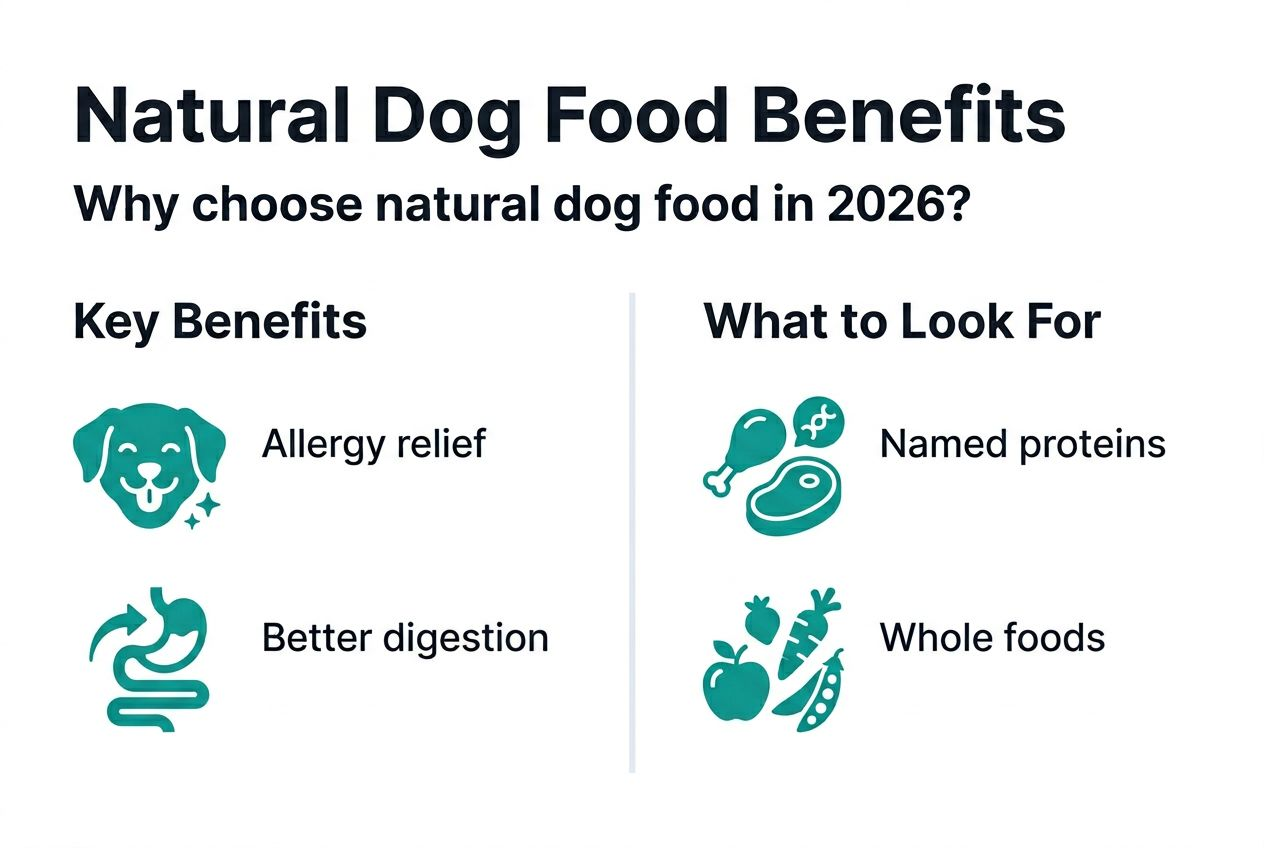
Reading ingredient lists carefully remains your strongest defence against misleading marketing. Look for named meat sources (chicken, not poultry meal), recognisable vegetables, and minimal chemical additives. Premium natural foods list specific ingredients first, not vague terms like animal derivatives or meat by-products.
Pro Tip: Check if the first three ingredients are high-quality proteins and whole foods. This indicates nutrient density and reflects true natural formulation rather than marketing spin.
Health benefits of natural dog food for dogs
Natural dog foods reduce exposure to artificial additives linked to food allergies, lowering allergy incidents by 30%. This reduction stems from eliminating synthetic preservatives, artificial colours, and chemical flavour enhancers that trigger immune responses in sensitive dogs.
Digestion improves significantly when dogs consume higher-quality proteins and natural fibres. Fresh meat sources provide bioavailable amino acids that conventional processed proteins cannot match. Natural vegetable fibres support gut health, promoting beneficial bacteria and regular bowel movements. Owners typically notice firmer stools and reduced gas within two weeks of transition.
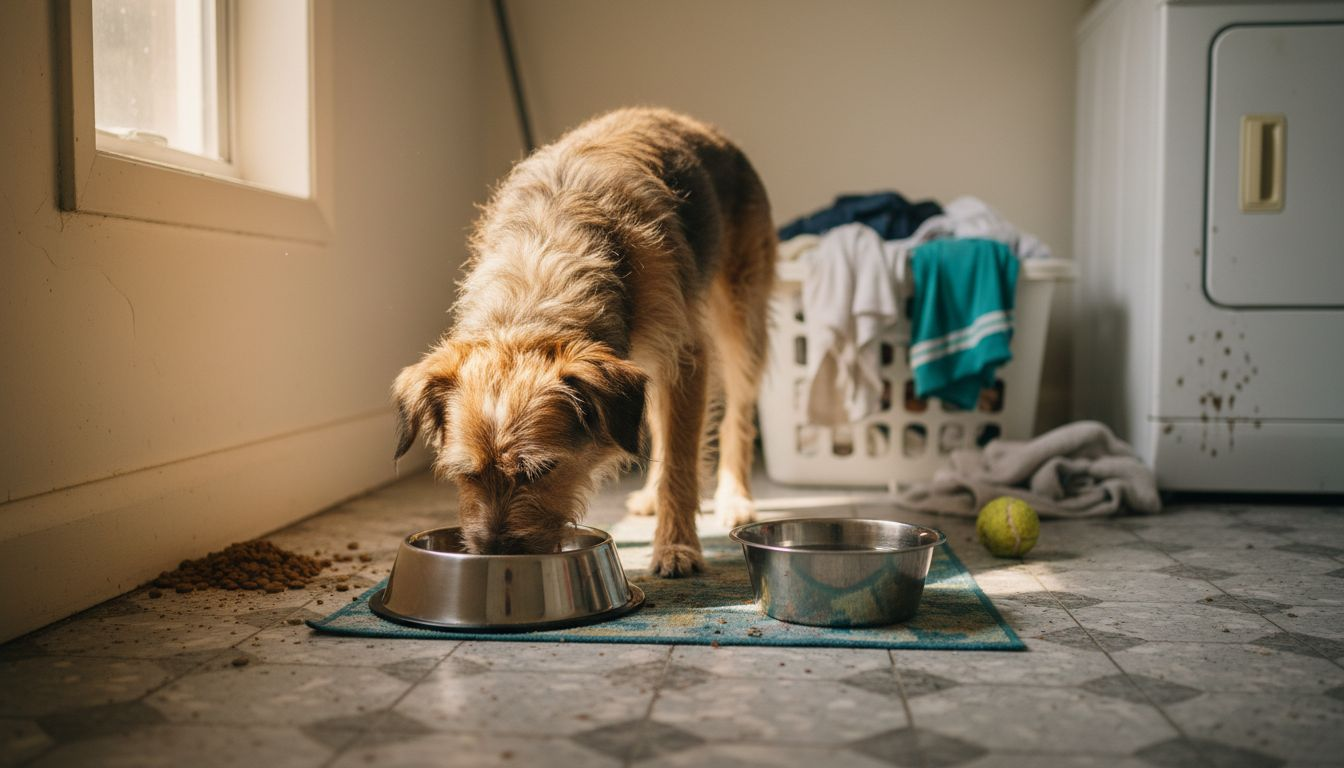
Skin and coat condition often transforms within four to six weeks on natural diets. Essential fatty acids from quality ingredients like salmon oil and flaxseed nourish skin cells and strengthen hair follicles. Dogs suffering from dull coats, excessive shedding, or dry skin experience visible improvements as their bodies absorb nutrients more efficiently.
Energy and vitality increase when dogs receive optimal nutrition. Natural diets provide sustained energy from complex carbohydrates and quality proteins, avoiding the sugar spikes caused by cheap fillers. Active dogs maintain stamina longer, whilst senior dogs often regain playfulness as inflammation decreases.
Key health improvements include:
- Reduced scratching and skin irritation from lower allergen exposure
- Improved stool quality and digestive comfort from natural fibres
- Shinier coats and healthier skin from bioavailable nutrients
- Enhanced immune function from antioxidant-rich whole foods
- Better weight management from nutrient-dense, satisfying meals
Pro Tip: Photograph your dog’s coat before switching to natural food, then compare after six weeks. The visual difference often surprises owners who thought their dog’s dull coat was just ageing.
Grain-free diets and their role in canine health
Grain-free foods exclude common grains like wheat, barley, corn, and rice, replacing them with alternative carbohydrates such as sweet potato, peas, or lentils. Grain-free diets support dogs with grain sensitivities, reducing inflammation and digestive discomfort in affected animals.
Ideal candidates for grain-free diets include dogs diagnosed with gluten intolerance, wheat allergies, or chronic digestive issues linked to grain consumption. These sensitivities manifest through persistent itching, ear infections, diarrhoea, or excessive flatulence. Eliminating grains often resolves these symptoms within three to four weeks.
Digestive comfort improves in sensitive dogs when grains are removed. Inflammation decreases as the immune system stops reacting to problematic proteins found in wheat and barley. Some dogs experience reduced joint pain and improved mobility as systemic inflammation drops. However, are grains bad for dogs explores how healthy dogs without sensitivities may actually benefit from wholesome grains.
Not all dogs require grain-free diets. Unnecessary grain exclusion can reduce access to beneficial nutrients like B vitamins, fibre, and certain minerals found in whole grains. Dogs without diagnosed sensitivities thrive on balanced natural diets containing quality grains like oats or brown rice.
| Feature | Grain-containing natural food | Grain-free natural food |
|---|---|---|
| Carbohydrate sources | Oats, brown rice, barley | Sweet potato, peas, lentils |
| Best for | Healthy dogs without sensitivities | Dogs with diagnosed grain allergies |
| Fibre content | High from whole grains | Moderate from vegetables |
| Cost | Generally lower | Typically higher |
| Nutrient profile | B vitamins, minerals from grains | Alternative nutrient sources required |
Pro Tip: Request a grain-free sample before committing to large bags. Your dog’s response during a two-week trial reveals whether grain exclusion benefits their specific health needs.
Breed-specific nutrition: tailoring natural dog food to your dog
Different breeds have unique nutrient requirements related to size, metabolism, and genetic predispositions. Breed-tailored diets can improve nutrient absorption by up to 15%, lowering disease risk linked to generic feeding. This improvement stems from matching macronutrient ratios and mineral content to breed-specific metabolic rates.
Large breeds like German Shepherds and Labradors require controlled calcium and phosphorus ratios to support joint health whilst preventing developmental bone issues. These dogs benefit from glucosamine and chondroitin supplements integrated into natural formulas. Moderate protein levels prevent excessive growth rates that stress developing joints.
Small breeds including Chihuahuas and Yorkshire Terriers need higher calorie density due to faster metabolisms. Their smaller kibble size aids chewing and digestion. Natural foods for toy breeds often contain increased fat content to sustain energy levels throughout active days.
Breed-specific natural dog food formulas target common health vulnerabilities:
- Brachycephalic breeds (Bulldogs, Pugs): Easily digestible proteins and omega fatty acids for skin fold health
- Working breeds (Border Collies, Belgian Malinois): Higher protein and fat for sustained energy and muscle maintenance
- Giant breeds (Great Danes, Mastiffs): Controlled growth formulas with joint support and cardiac nutrients
- Prone to allergies (West Highland Terriers, Boxers): Limited ingredient formulas with novel proteins and hypoallergenic carbohydrates
Tailored nutrition delivers better health outcomes and potentially extends lifespan. Dogs receiving breed-appropriate diets show lower incidences of breed-related conditions. Joint problems decrease in large breeds, whilst small breeds maintain healthier dental condition and weight.
Matching your dog’s breed to appropriate natural food formulas prevents nutritional imbalances. Generic one-size-fits-all approaches miss opportunities to address specific vulnerabilities through targeted nutrition.
Common misconceptions about natural dog food
Natural does not automatically mean grain-free. Many premium natural recipes include wholesome grains like oats, quinoa, or brown rice that provide excellent nutrition for dogs without sensitivities. Natural dog food lacks a universal regulatory definition, leading to varied ingredient quality, so grain inclusion depends entirely on brand formulation choices.
Grain-free dog foods are not inherently healthier for all dogs. Healthy dogs without diagnosed grain sensitivities often thrive on balanced diets containing quality grains. The grain-free trend emerged from human dietary fads rather than canine nutritional science. Only dogs with specific health conditions benefit from grain exclusion.
Natural dog foods may cost more due to ingredient quality, but price alone does not guarantee superiority. Some expensive brands use marketing to justify premium pricing whilst offering similar ingredient quality to mid-range options. Conversely, some affordable natural brands deliver excellent nutrition by minimising packaging and advertising costs.
Common misconceptions that confuse owners include:
- Believing all natural foods are organic (they are not; organic requires certification)
- Assuming grain-free prevents all allergies (chicken and beef cause more reactions than grains)
- Thinking natural means raw (natural can include cooked, gently processed foods)
- Expecting immediate health transformations (most benefits appear over 4-6 weeks)
- Trusting front-of-package claims without reading ingredient lists (marketing often exaggerates)
Ingredient lists must be read carefully to understand true contents and benefits. The order matters; ingredients appear by weight, so the first five items dominate the formula. Look beyond attractive packaging to verify named meat sources, recognisable vegetables, and minimal chemical additives.
Understanding these distinctions empowers informed purchasing decisions. Question marketing claims, verify ingredient quality, and match food choices to your dog’s actual health needs rather than dietary trends.
Transitioning to natural dog food: practical guidance
A gradual transition spanning seven to ten days prevents digestive upset and supports adaptation. A gradual 7-10 day diet transition reduces digestive upset and supports adaptation by allowing gut bacteria to adjust to new ingredients progressively.
Follow this structured approach for smooth diet changes:
- Days 1-2: Mix 25% natural food with 75% current food, maintaining regular feeding times
- Days 3-4: Increase to 50% natural food and 50% current food, monitoring stool consistency
- Days 5-6: Progress to 75% natural food and 25% current food, watching for energy changes
- Days 7-10: Complete transition to 100% natural food, adjusting portions based on body condition
Watch for symptoms indicating digestive issues during transition. Mild loose stools during the first few days are normal as gut bacteria adjust. However, persistent diarrhoea, vomiting, lethargy, or appetite loss requires slowing the transition or consulting your vet. Some dogs need 14 days for complete adaptation.
Consult your vet before diet changes if your dog has existing conditions like diabetes, kidney disease, or food allergies. Medical conditions may require specific nutrient profiles that not all natural foods provide. Veterinary guidance ensures new diets support rather than compromise treatment plans.
How to transition dogs to grain-free naturally offers additional strategies for dogs moving from grain-containing to grain-free natural formulas, including managing potential detoxification symptoms.
Pro Tip: Keep a food diary documenting daily portions, stool quality, energy levels, and any symptoms during transition. This record helps identify patterns and provides valuable information if veterinary consultation becomes necessary.
Explore premium natural and grain-free dog food options
Applying this knowledge starts with exploring formulas designed specifically for your dog’s needs. Ultimate Pet Foods offers expertly formulated natural dog foods tailored to breed size, life stage, and dietary sensitivities. Each recipe prioritises fresh, recognisable ingredients whilst excluding artificial additives that compromise health.
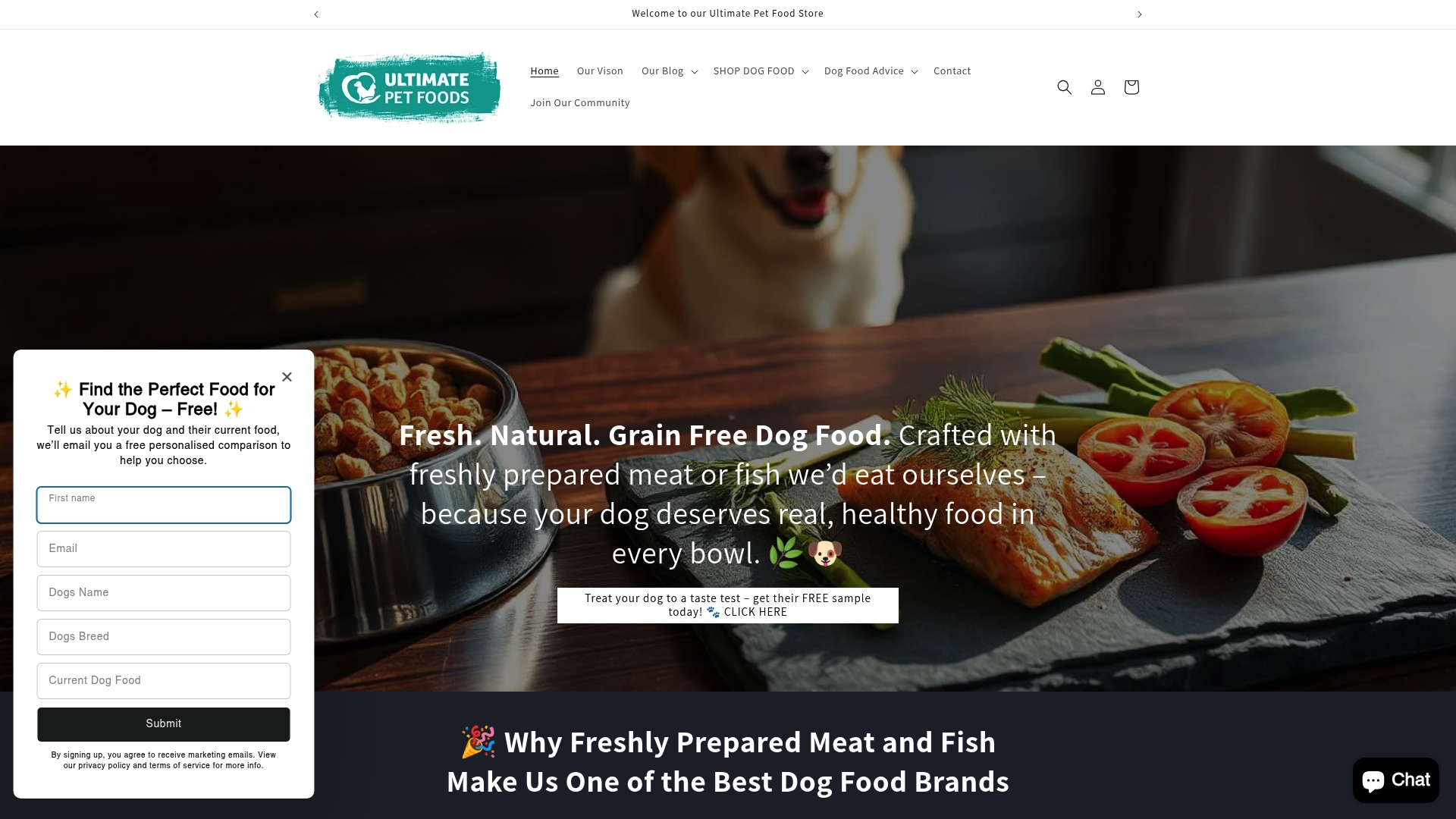
Unsure which formula suits your dog best? Grain-free dog food free samples UK allow confident trial before committing to full-size bags. Testing different proteins and formulations reveals your dog’s preferences whilst you observe health responses.
Comprehensive guides explain grain-free diet benefits and ingredient quality standards that distinguish premium natural foods from supermarket alternatives. The dog food comparison tool helps you evaluate options based on protein content, ingredient sourcing, and nutritional completeness. Making informed choices becomes straightforward when you understand what your dog truly needs.
Frequently asked questions
Is grain-free natural dog food suitable for all dogs?
Grain-free dog food works best for dogs with diagnosed sensitivities or allergies to wheat, barley, or corn. Healthy dogs without these issues may actually benefit from wholesome grains providing B vitamins, fibre, and sustained energy. Are grains bad for dogs explains when grain exclusion helps versus when it unnecessarily limits nutrition. Always consult your vet before switching to ensure the change supports your dog’s specific health needs.
How can I tell if my dog has a food allergy or intolerance?
Symptoms include persistent itching, skin irritation, ear infections, digestive upset, and excessive paw licking. These signs often appear gradually and worsen over time with continued exposure to trigger ingredients. Veterinary diagnosis through elimination diets or allergy testing provides accurate identification of problem ingredients. Home guessing rarely succeeds because multiple factors can cause similar symptoms, so professional guidance ensures correct treatment.
What is the best approach to change my dog’s diet to a natural food?
Gradually mix natural food with your current diet over seven to ten days, increasing natural food portions whilst decreasing old food proportions. This method allows digestive enzymes and gut bacteria to adapt without causing stomach upset. Monitor your dog’s stool quality, energy levels, and appetite throughout the process, adjusting the pace if any concerns arise. Expert tips for transitioning dog foods successfully provides detailed schedules and troubleshooting guidance for smooth changes.
How long before I see health improvements from natural dog food?
Most owners notice improved stool quality and reduced gas within two weeks of switching. Skin and coat improvements typically appear after four to six weeks as cellular regeneration occurs. Energy level changes may manifest sooner, often within the first week. Patience matters because nutritional benefits accumulate over time, with maximum improvements visible after three months of consistent feeding.
Does natural dog food cost significantly more than conventional options?
Premium natural foods typically cost 20-40% more than supermarket brands due to higher-quality ingredients and ethical sourcing practices. However, better nutrient density often means smaller portions achieve the same caloric intake, partially offsetting higher per-bag costs. Long-term health improvements may reduce veterinary expenses related to diet-related conditions. Evaluate cost per feeding rather than per bag to understand true value.