
Natural Dog Diet Guide 2026: 30% Allergy Reduction Proven
Switching your dog to a natural grain-free diet can dramatically improve their health, but 25% to 30% of dogs experience digestive upset from rapid diet changes. This guide provides you with proven prerequisites, a step-by-step transition plan, ingredient selection advice, and troubleshooting tactics to safely transform your dog’s nutrition and achieve measurable health benefits like reduced allergy symptoms and improved coat quality.
Table of Contents
- Prerequisites: What You Need Before Starting a Natural Dog Diet
- Transitioning to a Natural Diet: Step-by-Step Guidance
- Ingredient Selection and Nutritional Requirements
- Tailoring Diets to Specific Needs and Health Issues
- Common Mistakes and Troubleshooting in Natural Diets
- Health Benefits and Measurable Outcomes
- Alternative Approaches and Tradeoffs
- Discover Tailored Natural Grain-Free Dog Foods Today
- FAQ
Key Takeaways
| Point | Details |
|---|---|
| Safe transition | Gradual 7 to 14 day switching reduces digestive upset risk by up to 30%. |
| Allergy relief | Grain-free diets can lower skin allergy symptoms by up to 30% within 8 weeks. |
| Vet consultation | Professional health screening before diet change ensures safety and identifies sensitivities. |
| Ingredient quality | Choose highly digestible proteins like salmon and lamb to optimize nutrition. |
| Monitor progress | Keep a diet log tracking stool quality, coat condition, and energy levels. |
Prerequisites: What You Need Before Starting a Natural Dog Diet
Before you introduce any new food, understanding your dog’s current health status is essential. Consulting a veterinarian before diet change is critical for health screening to identify allergies, digestive sensitivities, or underlying conditions. Your vet can recommend blood tests or allergy panels if your dog shows signs like persistent itching or loose stools.
Next, gather the right products and tools. Research UK-available natural grain-free dog foods that match your dog’s life stage and health needs. You can choose grain-free dog food naturally by checking ingredient labels for whole meat proteins, healthy fats, and digestible carbohydrates like sweet potato. Purchase measuring cups, airtight storage containers, and set up a consistent feeding schedule to maintain routine.
Keep a detailed diet and health log from day one. Record daily food portions, stool consistency, energy levels, coat appearance, and any adverse reactions. This log helps you track progress and provides valuable data if you need to consult your vet during the transition.
Essential Checklist:
- Complete vet health screening and allergy testing
- Select appropriate grain-free food for your dog’s age and health condition
- Prepare measuring tools and storage containers
- Establish consistent feeding times and portion sizes
- Start a daily health and diet log
| Item | Purpose | Example |
|---|---|---|
| Vet consultation | Identify health issues and allergies | Blood test, allergy panel |
| Grain-free food | Primary nutrition source | Salmon with sweet potato formula |
| Measuring tools | Accurate portion control | Digital scale, measuring cups |
| Storage containers | Preserve food freshness | Airtight bins for kibble |
| Health log | Track progress and symptoms | Notebook or mobile app |
Pro Tip: Take photos of your dog’s coat and skin condition before starting the diet. These baseline images help you objectively measure improvements after 6 to 8 weeks.
Transitioning to a Natural Diet: Step-by-Step Guidance
A gradual transition over 7 to 14 days reduces digestive upset seen in 25% to 30% of dogs. Rushing this process triggers vomiting, diarrhea, and refusal to eat. Follow this proven schedule to minimize risks.
7 to 14 Day Transition Plan:
- Days 1 to 3: Mix 25% new grain-free food with 75% current food. Observe stool consistency and energy levels closely.
- Days 4 to 6: Increase to 50% new food and 50% old food. Monitor for any signs of intolerance like excessive gas or soft stools.
- Days 7 to 9: Shift to 75% new food with 25% old food. Watch for improvements in coat shine and reduced scratching.
- Days 10 to 14: Complete the switch to 100% grain-free food. Assess overall health markers and adjust portions if needed.
Combine wet and dry grain-free options during transition to ease digestion. Wet food adds moisture, making it gentler on sensitive stomachs. If your dog shows persistent loose stools, slow the transition by staying at the current ratio for an extra 2 to 3 days.
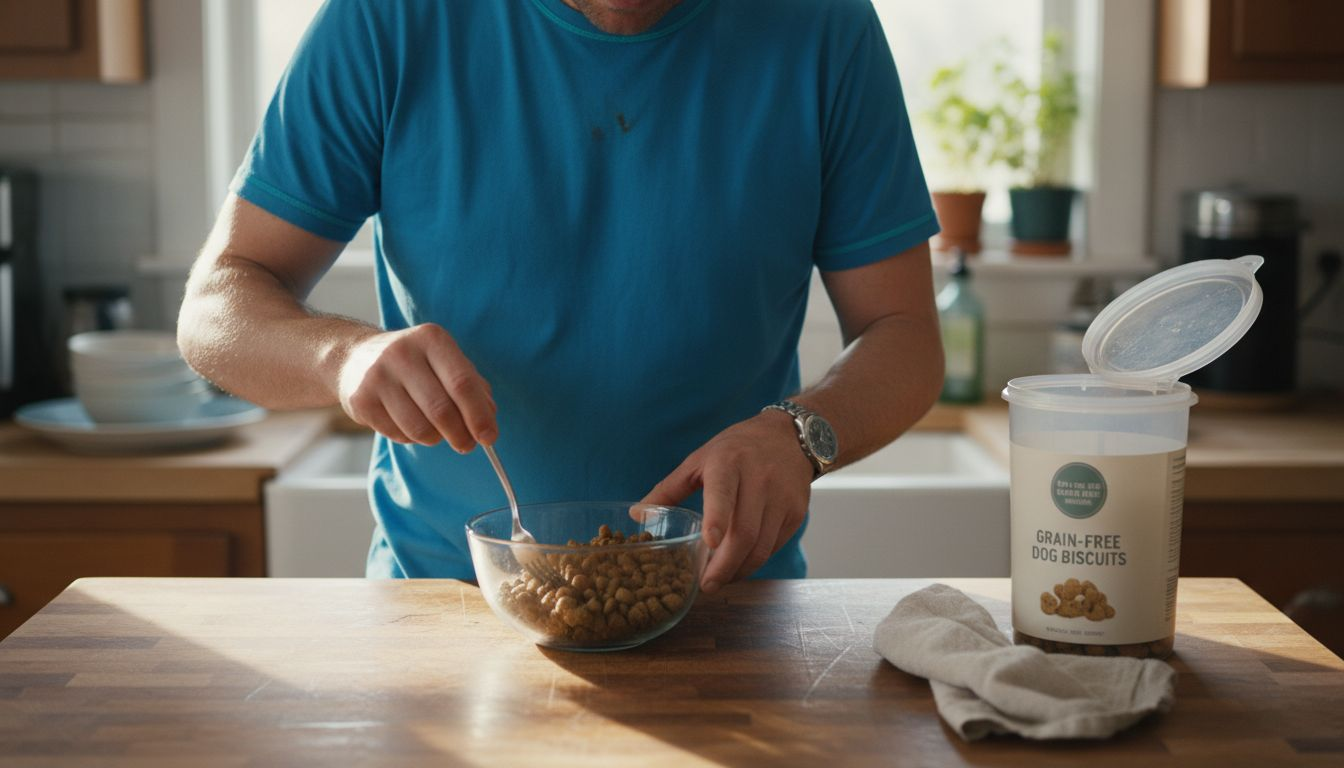
Adjust feeding portions based on your dog’s body condition and activity level. Active dogs may need 10% to 15% more calories, while senior or less active dogs require smaller portions. You can find expert tips for transitioning dog foods to refine your approach.
Pro Tip: Feed your dog at the same times each day. Routine helps regulate digestion and makes it easier to spot changes in appetite or stool quality.
Ingredient Selection and Nutritional Requirements
Quality ingredients form the foundation of any successful natural diet. Avoid filler grains like wheat, corn, and soy that trigger allergies and provide minimal nutritional value. These ingredients can cause inflammation and digestive distress in sensitive dogs.
Balance proteins, fats, and carbohydrates to meet energy and health needs. Salmon and lamb are highly digestible animal protein sources beneficial in grain-free diets. Proteins should comprise 25% to 35% of the diet for adult dogs, while healthy fats like omega-3 and omega-6 fatty acids support skin and coat health at 12% to 18% levels.
Include natural vitamins and minerals from UK-sourced ingredients. Look for added supplements like glucosamine for joint health, probiotics for digestion, and antioxidants from fruits and vegetables. You can explore comprehensive grain-free dog feeding guidance to understand optimal nutrient ratios.
Key Ingredients to Prioritize:
- Fresh meat proteins: salmon, lamb, turkey, chicken
- Digestible carbohydrates: sweet potato, peas, lentils
- Healthy fats: fish oil, flaxseed, chicken fat
- Natural supplements: probiotics, glucosamine, vitamins E and C
- Avoid: wheat, corn, soy, artificial preservatives, meat by-products
| Ingredient | Digestibility | Allergy Risk | Primary Benefit |
|---|---|---|---|
| Salmon | High | Low | Omega-3 for skin and coat |
| Lamb | High | Low | Hypoallergenic protein |
| Sweet potato | High | Very Low | Digestible energy source |
| Peas | Medium | Low | Fiber and plant protein |
| Chicken | High | Medium | Lean protein, common allergen |
Tailoring Diets to Specific Needs and Health Issues
Customizing your dog’s diet addresses individual health challenges effectively. Use elimination diets for dogs with suspected food allergies. Elimination diet trials require 8 to 12 weeks to identify allergies effectively, during which you feed a single novel protein and carbohydrate source. Gradually reintroduce other ingredients one at a time to pinpoint triggers.
Adjust protein levels for dogs with kidney issues or sensitive digestion in consultation with your vet. Lower protein diets around 18% to 22% may benefit senior dogs with compromised kidney function, while young active dogs thrive on 28% to 35% protein.
Choose life stage specific grain-free formulas. Puppies need higher calories and calcium for growth, adults require balanced maintenance nutrition, and seniors benefit from reduced calories with joint support supplements. Recognizing when to seek vet reassessment is crucial. Persistent itching, digestive upset lasting beyond two weeks, or sudden weight loss demand immediate professional evaluation.
Health Condition Adjustments:
- Skin allergies: Novel protein sources, omega-3 rich foods, hypoallergenic dog food benefits
- Sensitive digestion: Limited ingredient diets, probiotics, easily digestible carbohydrates
- Weight management: Lower fat content at 8% to 12%, increased fiber
- Joint health: Added glucosamine and chondroitin, omega-3 fatty acids
- Kidney issues: Reduced protein at 18% to 22%, lower phosphorus content
Common Mistakes and Troubleshooting in Natural Diets
Avoiding frequent errors ensures a smooth transition. Never switch foods abruptly. Rapid diet changes cause digestive upset in up to 30% of dogs, leading to vomiting and diarrhea that can discourage both you and your pet.
Watch hydration levels carefully. Dry kibble contains only 10% moisture compared to 75% in wet food. If transitioning to dry grain-free food, ensure your dog drinks plenty of fresh water. Mixing wet and dry foods helps maintain hydration while easing digestion.
Never ignore warning symptoms. Lethargy, persistent itching, loose stools lasting more than 48 hours, or loss of appetite signal problems requiring attention. Consult your vet immediately if adverse signs persist beyond two weeks. You can review grain-free safety considerations to understand potential risks.
Rushing the diet transition is the single most common cause of digestive upset. Always follow the 7 to 14 day gradual mixing schedule to protect your dog’s gut health.
Red Flags Requiring Vet Consultation:
- Vomiting or diarrhea persisting beyond 48 hours
- Complete loss of appetite for more than 24 hours
- Severe lethargy or weakness
- Excessive scratching with visible skin inflammation
- Blood in stool or vomit
Health Benefits and Measurable Outcomes
Switching to a natural grain-free diet produces visible improvements within weeks. Coat condition improves noticeably within 6 to 8 weeks as omega fatty acids nourish skin and fur. You’ll see increased shine, reduced shedding, and softer texture.
Grain-free diets reduce skin allergy symptoms by 30% within 8 weeks for many dogs. Scratching frequency decreases, hot spots heal, and overall skin inflammation subsides. Better digestion becomes evident during transition, with firmer stools, reduced gas, and improved nutrient absorption.
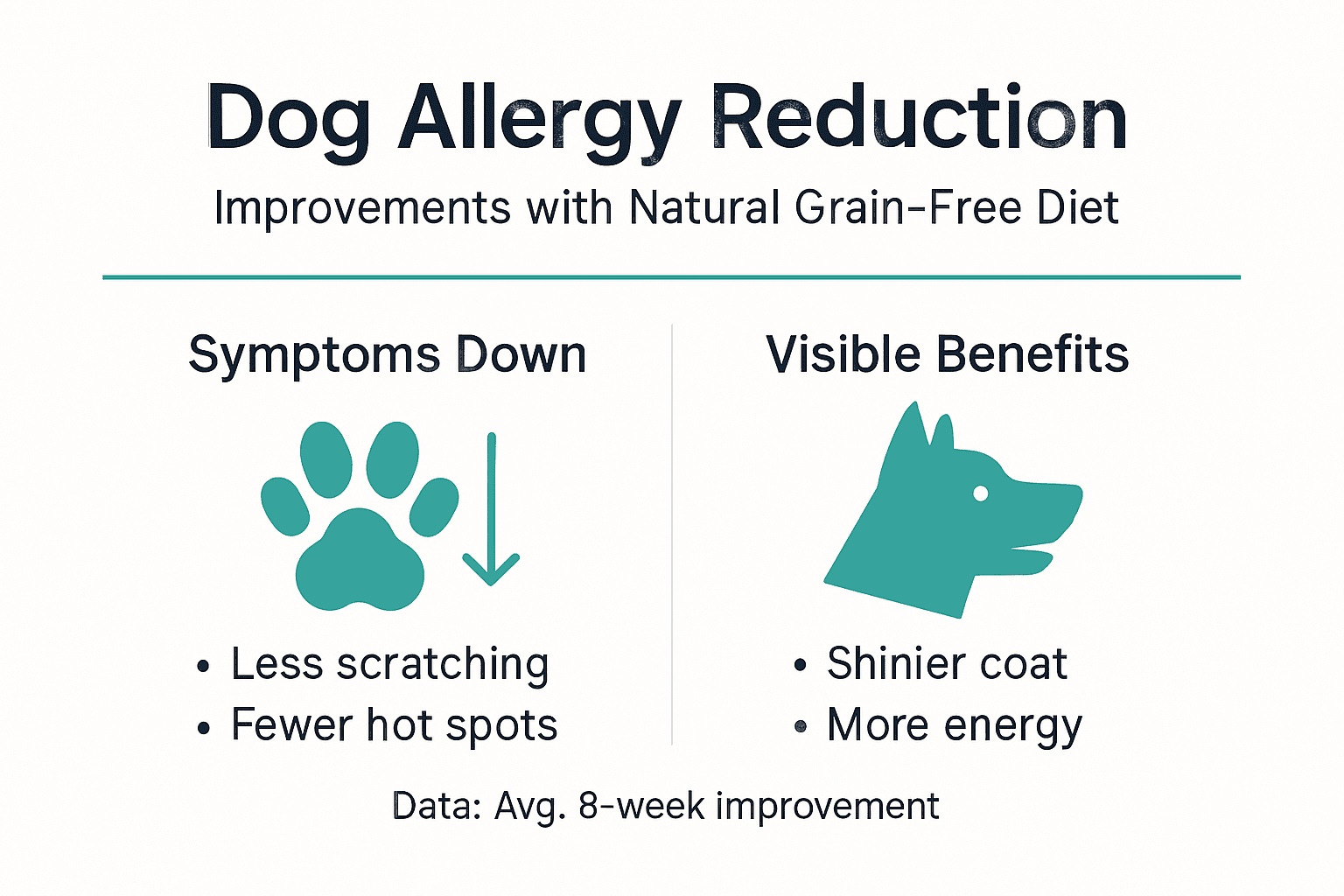
Track these success indicators: consistent stool quality, increased energy levels, healthy weight maintenance, reduced allergy symptoms, and improved coat appearance. If improvements stall or reverse after initial progress, consult your vet to rule out underlying health issues. You can explore comprehensive benefits of grain-free dog diets for deeper insights.
| Health Marker | Before Diet Change | After 8 Weeks | Expected Improvement |
|---|---|---|---|
| Coat condition | Dull, dry, excessive shedding | Shiny, soft, reduced shedding | 60% to 70% improvement |
| Skin allergies | Frequent scratching, hot spots | Reduced itching, healing skin | 25% to 30% symptom reduction |
| Stool quality | Soft, irregular, excessive volume | Firm, regular, smaller volume | 50% to 60% improvement |
| Energy levels | Lethargic, low activity | Active, playful, sustained energy | 40% to 50% increase |
| Weight management | Overweight or underweight | Healthy body condition score | Gradual normalization |
Alternative Approaches and Tradeoffs
Elimination diets serve as diagnostic tools for identifying specific allergens. These require strict adherence to a single protein and carbohydrate source for 8 to 12 weeks, then systematically reintroducing ingredients. While effective, they demand patience and careful monitoring.
Hypoallergenic veterinary formulas may be necessary for dogs with severe sensitivities. These prescription diets use hydrolyzed proteins broken down to prevent immune reactions. They cost more but provide guaranteed hypoallergenic nutrition for the most sensitive cases.
Premium grain-free diets cost 20% to 35% more than conventional foods but offer veterinary tested formulations and higher quality ingredients. Balancing cost, convenience, and health benefits requires honest assessment of your budget and dog’s needs. You can understand what makes dog food premium to justify the investment.
Diet Comparison:
| Diet Type | Cost Range per Month | Convenience | Best For | Key Tradeoff |
|---|---|---|---|---|
| Natural grain-free | £50 to £90 | High | Most dogs, allergy prone | Higher cost for quality ingredients |
| Hypoallergenic prescription | £80 to £140 | Medium | Severe allergies | Most expensive, requires vet prescription |
| Homemade natural | £60 to £100 | Low | Control-focused owners | Time intensive, requires nutritional knowledge |
| Elimination diet | £70 to £110 | Low | Diagnosing allergies | Strict protocol, limited variety |
Key Tradeoff Considerations:
- Cost versus health benefits: Premium foods prevent expensive vet bills long term
- Convenience versus control: Homemade diets offer customization but require significant time
- Diagnosis versus maintenance: Elimination diets identify problems, grain-free diets maintain health
Discover Tailored Natural Grain-Free Dog Foods Today
Now that you understand how to safely transition your dog to a natural diet, putting this knowledge into action becomes simple with the right products. Ultimate Pet Foods offers vet formulated, natural grain-free dog foods made from fresh UK sourced ingredients that align perfectly with the guidance in this article.
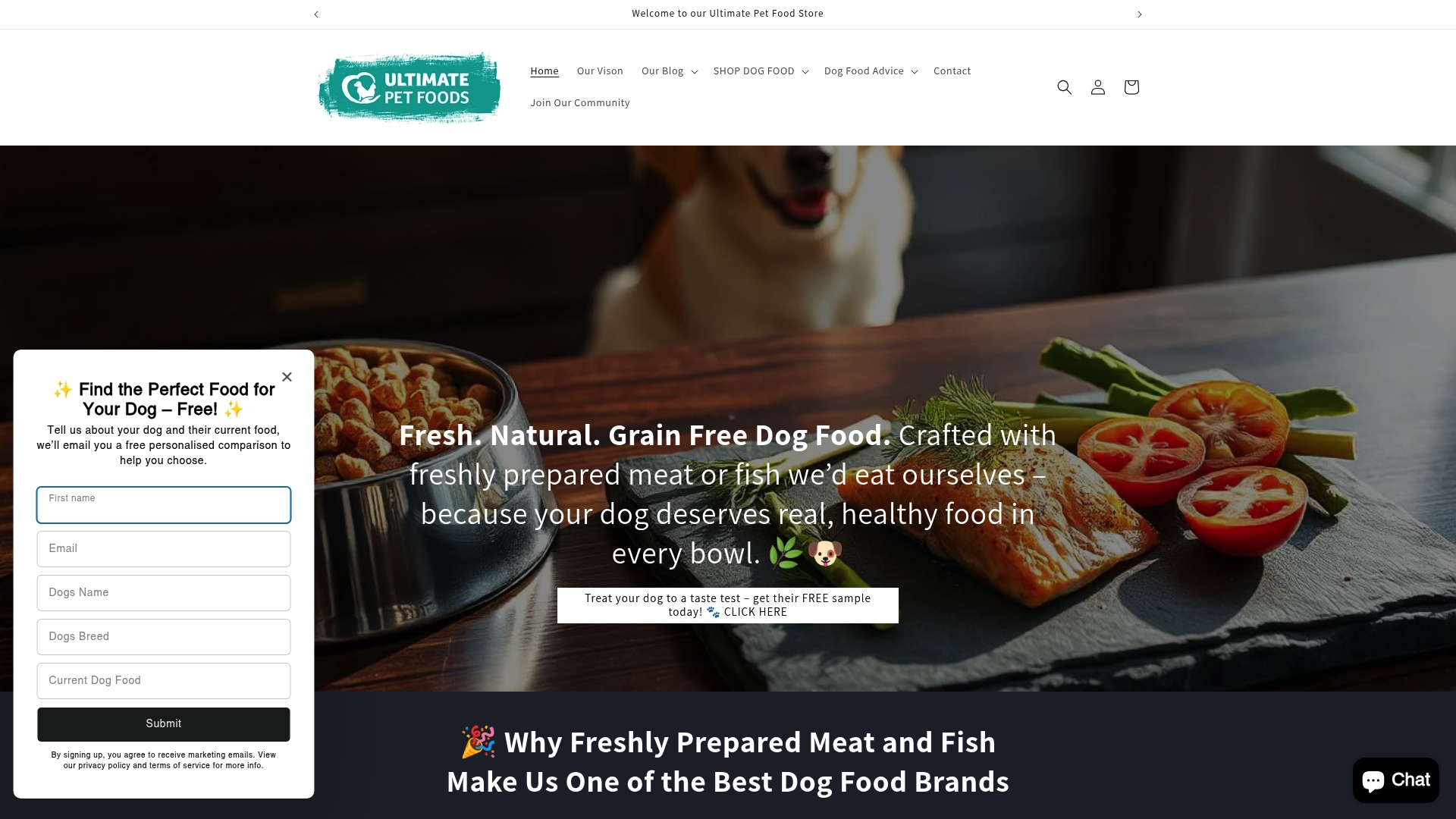
Our range includes formulas tailored for sensitive digestion, skin allergies, weight management, and life stage specific needs. You can try dog food tailored for your dog through convenient sample boxes that let you test different proteins and formulas before committing to larger quantities. Each recipe provides complete nutritional balance with digestible proteins like salmon and lamb, healthy fats for coat health, and natural supplements supporting overall wellness. Discover why a grain-free diet is best for your dog’s long term health and vitality.
FAQ
What Are the Best Natural Proteins for a Grain-Free Dog Diet?
Salmon and lamb are highly digestible and hypoallergenic proteins recommended for UK dogs transitioning to natural diets. Turkey and venison also work well for dogs with chicken sensitivities. Choose single protein sources initially to identify any reactions before introducing variety.
How Long Does It Take to See Improvements in My Dog’s Coat and Allergies?
Visible coat shine usually improves within 6 to 8 weeks, while skin allergy symptom reduction often appears within 8 weeks. Individual results vary based on your dog’s health condition and consistency with the new diet. Track progress with photos and a health log to measure objective improvements. Explore comprehensive grain-free dog diet benefits for detailed timelines.
What Should I Do If My Dog Has Digestive Upset During Transition?
Slow the transition pace by staying at the current food ratio for 2 to 3 extra days. Mix wet with dry food to ease digestion and maintain hydration, as moisture helps sensitive stomachs process new ingredients. Consult your vet if upset persists beyond two weeks, as this may indicate an ingredient intolerance. Find practical tips for transitioning dog foods to troubleshoot common issues.
Can Puppies and Senior Dogs Eat Grain-Free Diets Safely?
Yes, both life stages benefit from grain-free nutrition when formulas match their specific needs. Puppies require higher calories and calcium for growth, while seniors need reduced calories with joint support supplements. Always choose age appropriate formulas and consult your vet before making changes, especially for puppies under 12 weeks or seniors with health conditions.
How Do I Know If My Dog Has a Food Allergy Versus Intolerance?
Food allergies trigger immune responses causing persistent itching, skin inflammation, ear infections, and sometimes digestive upset. Intolerances cause primarily digestive symptoms like diarrhea, vomiting, or gas without immune involvement. An elimination diet trial lasting 8 to 12 weeks under vet supervision definitively identifies allergens. Blood tests and intradermal testing can also help diagnose true allergies.
Recommended
- Understanding Dog Food for Allergies: A Comprehensive Guide
- Natural Remedies for Dog Allergies: Lasting Relief
- Complete Guide to Hypoallergenic Dog Diets
- 7 Expert Tips for Choosing Allergen Free Dog Foods
- Sensitiv Balance PREMIUM-Katzenfutter mit Geflügel & Reis