
Natural Preservatives: Safeguarding Dog Food Naturally
Finding nutritionally safe options for your dog can feel daunting, especially when dietary sensitivities are involved. With growing concerns about synthetic additives, British pet owners are prioritising natural preservatives for their dogs’ food to support optimal health. Natural preservatives like vitamin E, vitamin C, and rosemary extract provide gentler protection against spoilage while offering significant health benefits. Discover how these ingredients can safeguard freshness and nutrition, helping you make informed choices for your dog’s wellbeing.
Table of Contents
- What Are Natural Preservatives in Dog Food
- Key Types of Natural Preservatives Used Today
- How Natural Preservatives Work to Keep Food Fresh
- Safety, Regulations, and Labelling in the UK
- Comparing Natural and Synthetic Preservatives
Key Takeaways
| Point | Details |
|---|---|
| Natural Preservatives | Utilising natural ingredients like Vitamin E and rosemary extract can enhance dog food shelf life while preserving nutritional quality. |
| Health Benefits | Natural preservatives reduce the risk of food spoilage and offer additional health advantages, such as improved immune function. |
| Regulatory Standards | The UK has stringent regulations ensuring safety and transparency in pet food, encouraging the use of natural ingredients. |
| Consumer Preference | There is a growing trend towards natural preservatives in dog food, reflecting health-conscious choices among pet owners. |
What Are Natural Preservatives in Dog Food
Natural preservatives are specialised ingredients added to dog food to extend shelf life and prevent spoilage while maintaining nutritional integrity. Unlike synthetic chemical additives, these natural compounds work to protect food quality through gentle, health-conscious mechanisms. Natural antioxidants for dogs play a crucial role in this preservation process.
These preservatives primarily function by preventing fat oxidation, which causes rancidity in dog food. Common natural preservatives include:
- Vitamin E (mixed tocopherols)
- Vitamin C (ascorbic acid)
- Rosemary oil extract
- Green tea extract
- Citric acid
The primary goal of natural preservatives is protecting food from bacterial growth and maintaining the nutritional value of ingredients. Preservative free dog food research indicates these ingredients typically provide shorter preservation periods compared to synthetic alternatives, but offer significant health benefits.
Natural preservatives are derived directly from whole food ingredients, ensuring minimal processing and maximum nutritional retention. Unlike artificial preservatives, they support overall canine health while preventing food degradation. These compounds work synergistically to maintain food quality, offering a holistic approach to dog nutrition.
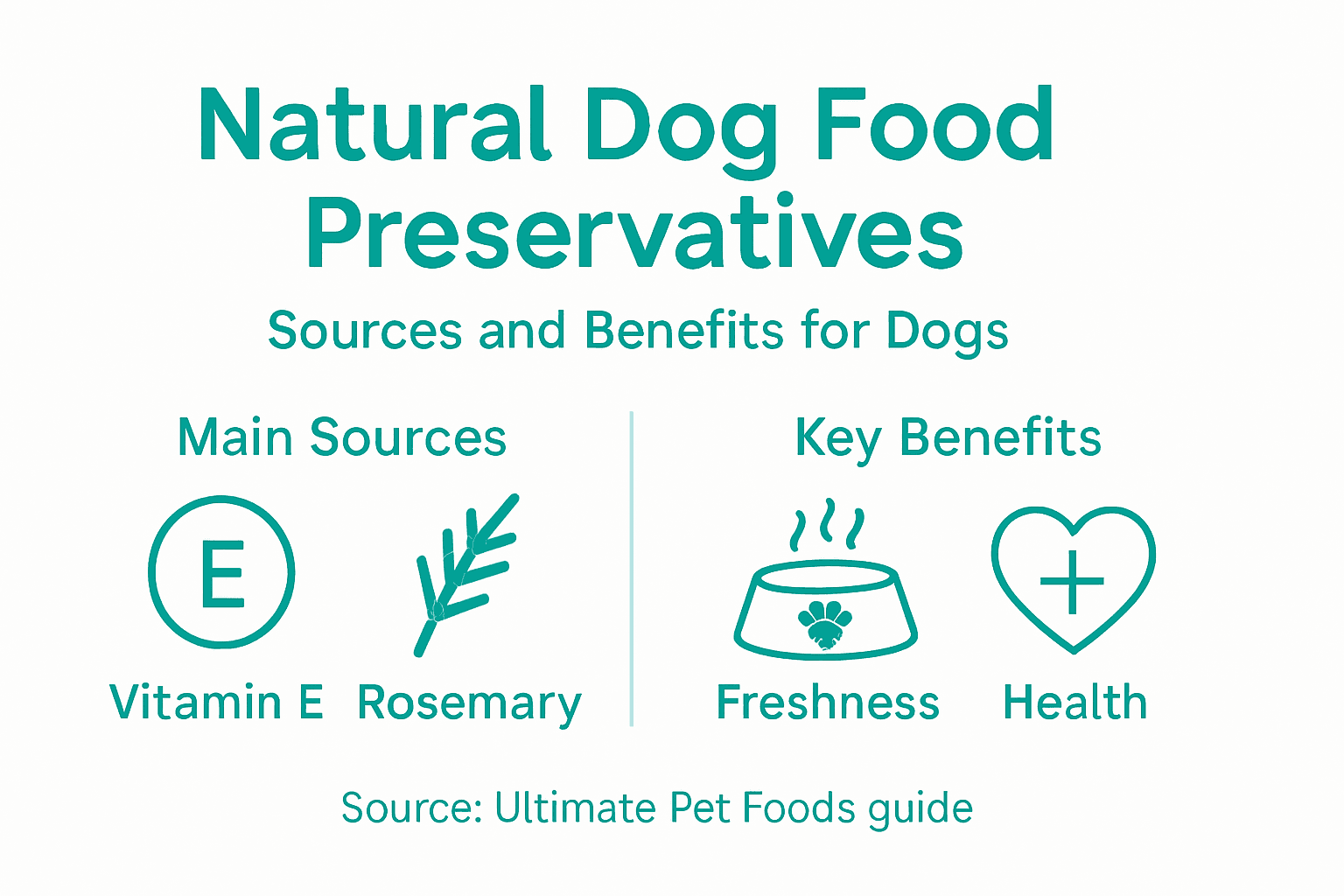
Here’s a quick overview of how natural preservatives impact both dog food quality and canine health:
| Benefit | Impact on Food Quality | Impact on Dog Health |
|---|---|---|
| Reduced oxidation | Maintains freshness and flavour | Lowers risk of digestive issues |
| Nutrient retention | Preserves vitamins and nutrients | Supports immune system |
| Minimal processing | Limits chemical exposure | Reduces allergy risk |
| Trace micronutrients | Enhances overall nutritional value | Provides antioxidants and minerals |
Pro tip: Always check dog food labels for specific natural preservative ingredients to ensure optimal nutritional protection and freshness.
Key Types of Natural Preservatives Used Today
Natural preservatives represent a sophisticated approach to maintaining dog food quality without relying on synthetic chemicals. Common natural food preservatives offer a range of protective mechanisms that safeguard nutritional integrity while supporting canine health.
Key natural preservative categories include:
-
Antioxidant Vitamins
- Vitamin E (mixed tocopherols)
- Vitamin C (ascorbic acid)
-
Plant Extracts
- Rosemary extract
- Green tea extract
- Citrus-based extracts
-
Fruit-Derived Compounds
- Dried blueberry powder
- Dried cranberry powder
- Citric acid from fruit sources
These natural compounds work through multiple mechanisms to prevent food degradation. Antioxidant vitamins neutralise harmful free radicals, while plant extracts provide additional protection against microbial growth and oxidation. The synergistic effect of these ingredients helps maintain food freshness without compromising nutritional value.
Natural preservatives differ significantly from synthetic alternatives by offering broader health benefits. They not only extend shelf life but also contribute additional nutritional advantages, such as supporting immune function and providing trace micronutrients that benefit overall canine wellness.
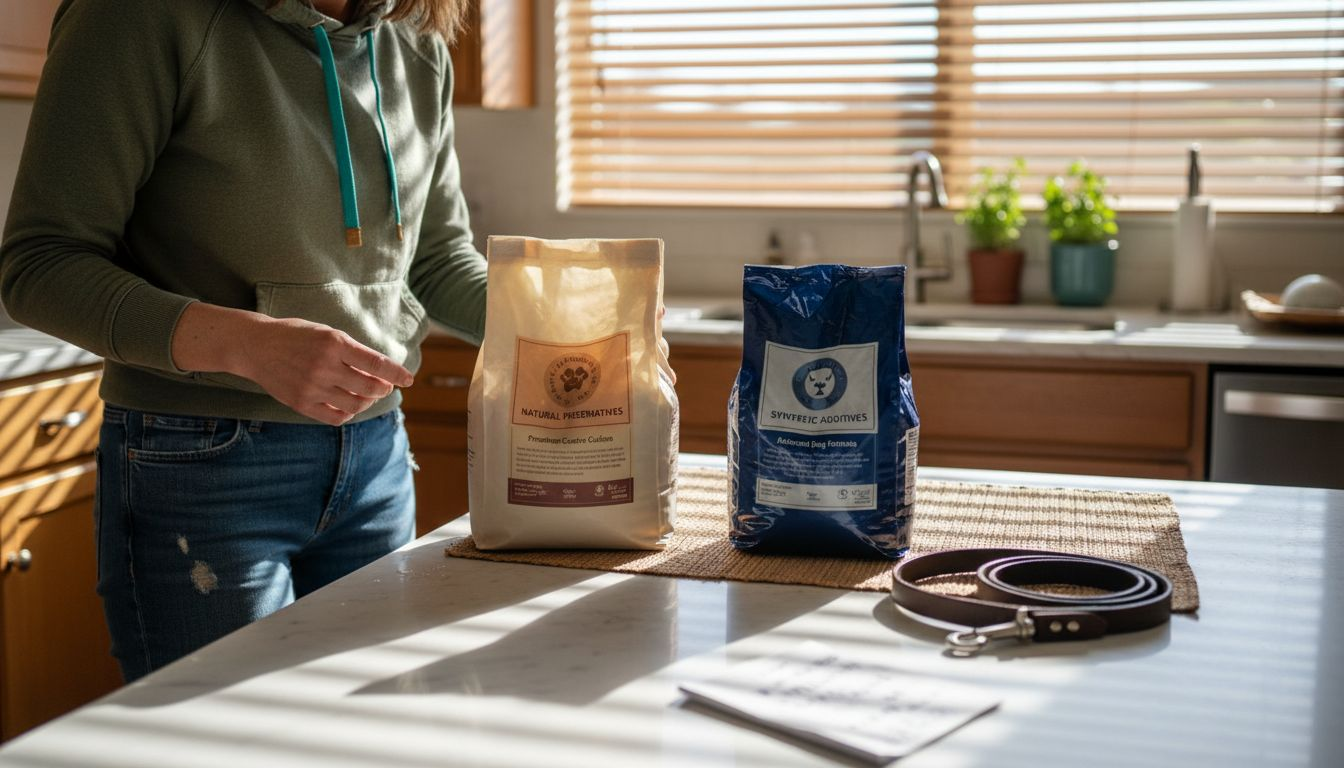
Pro tip: When selecting dog food, prioritise brands that clearly list natural preservatives and their specific sources to ensure maximum nutritional protection.
How Natural Preservatives Work to Keep Food Fresh
Natural preservatives employ sophisticated mechanisms to protect dog food from spoilage and maintain nutritional quality. Advanced preservation technologies have revolutionised how we approach food safety without relying on synthetic chemicals.
Key protective mechanisms include:
-
Antioxidant Action
- Neutralising free radicals
- Preventing lipid oxidation
- Protecting vitamin integrity
-
Antimicrobial Protection
- Inhibiting bacterial growth
- Preventing microbial contamination
- Reducing spoilage risks
These natural compounds work through complex biochemical interactions. Polyphenols, flavonoids, and terpenoids play crucial roles in maintaining food stability by creating hostile environments for harmful microorganisms while preserving essential nutrients.
Modern preservation techniques like nanoencapsulation enhance the effectiveness of natural preservatives. These innovative approaches improve compound stability, ensuring longer-lasting protection without compromising the food’s nutritional profile. The result is a more natural approach to maintaining dog food quality that supports overall canine health.
Pro tip: Look for dog foods that specify the exact natural preservative sources to ensure maximum nutritional protection and freshness.
Safety, Regulations, and Labelling in the UK
The United Kingdom maintains rigorous standards for pet food safety and labelling, ensuring consumers receive transparent and accurate information about their dog’s nutrition. Pet food manufacturing regulations provide comprehensive guidelines that protect both animal and human health.
Key regulatory requirements include:
-
Ingredient Declarations
- Complete listing of food components
- Precise nutritional content breakdown
- Clear origin of ingredients
-
Safety Standards
- Hazard analysis protocols
- Traceability systems
- Contamination prevention measures
The Food Standards Agency oversees these regulations, mandating strict compliance for pet food manufacturers. This includes comprehensive checks on preservative usage, ensuring that both natural and synthetic additives meet stringent safety criteria.
Post-Brexit, UK regulations continue to align closely with established European standards, maintaining high-quality control mechanisms. Manufacturers must implement Hazard Analysis and Critical Control Points (HACCP) systems, which systematically identify and mitigate potential food safety risks throughout the production process.
Pro tip: Always examine dog food labels carefully, looking for clear ingredient lists and authorised preservative declarations to ensure maximum safety and transparency.
Comparing Natural and Synthetic Preservatives
Choosing between natural and synthetic preservatives involves carefully weighing multiple factors affecting dog food quality and safety. Preservative health risks highlight significant differences between these two preservation approaches that every conscientious dog owner should understand.
Comparative Characteristics:
-
Natural Preservatives
- Derived from whole food sources
- Shorter shelf life
- Minimal processing
- Lower potential health risks
-
Synthetic Preservatives
- Chemically manufactured
- Extended shelf stability
- Consistent performance
- Potential long-term health concerns
Synthetic preservatives like BHA, BHT, and ethoxyquin effectively extend food longevity but have been associated with potential health risks, including possible carcinogenic effects and hormone disruption. Natural alternatives such as vitamin E, rosemary extract, and vitamin C offer a gentler approach to maintaining food freshness while supporting overall nutritional integrity.
This table clarifies the differences between natural and synthetic preservatives used in dog foods:
| Characteristic | Natural Preservatives | Synthetic Preservatives |
|---|---|---|
| Source | Plants & whole foods | Laboratory manufactured |
| Shelf Life Extension | Usually short-term | Long-term |
| Health Profile | Often beneficial, low risk | Potential risks, long-term effects |
| Processing Level | Minimal, gentle extraction | Intensive, chemical processes |
Consumer preferences are increasingly shifting towards natural preservation methods, driven by growing awareness of potential health implications. This trend reflects a broader movement towards transparency and minimally processed nutrition in pet food, prioritising ingredient quality and safety over extended shelf life.
Pro tip: Select dog foods that clearly list natural preservative sources and prioritise brands demonstrating commitment to transparent, health-conscious ingredient selection.
Protect Your Dog’s Health with Naturally Preserved Nutrition
Understanding the importance of natural preservatives is the first step to safeguarding your dog’s food from oxidation and harmful chemicals. The article highlights how ingredients like vitamin E, rosemary extract, and vitamin C not only prolong freshness but also support your dog’s immune system and reduce allergy risks. If you want to avoid synthetic additives and prioritise health, choosing dog food made with carefully selected natural preservatives is essential.
Explore our premium range of grain-free dog foods at Ultimate Pet Foods crafted using fresh, natural ingredients and proven natural preservation methods. Our formulas focus on nutrition that supports digestion, skin, coat, and overall wellbeing without compromising on quality or safety. Don’t wait until spoilage affects your pet’s meal quality. Visit Ultimate Pet Foods now and provide your dog with health-conscious food packed with natural antioxidants and nutrients. Take control of your dog’s diet today by choosing products that clearly list natural preservative sources and embrace the best in canine nutrition.
Frequently Asked Questions
What are natural preservatives in dog food?
Natural preservatives are ingredients added to dog food to extend shelf life and prevent spoilage while maintaining nutritional quality. Unlike synthetic chemicals, these natural compounds help protect food through gentle, health-conscious methods.
How do natural preservatives benefit my dog’s health?
Natural preservatives help maintain the freshness and nutritional integrity of dog food, which can reduce the risk of digestive issues, support the immune system, and lower exposure to harmful chemicals, ultimately contributing to your dog’s overall health and wellness.
What are some common examples of natural preservatives used in dog food?
Common natural preservatives include Vitamin E (mixed tocopherols), Vitamin C (ascorbic acid), rosemary oil extract, green tea extract, and citric acid. These ingredients prevent oxidation and spoilage while providing additional health benefits.
How do natural preservatives compare to synthetic preservatives?
Natural preservatives are derived from whole food sources and maintain lower health risks, while synthetic preservatives are chemically manufactured and may pose potential long-term health concerns. Natural options typically offer shorter shelf lives but provide significant nutritional advantages.
Recommended
- Preservative Free Dog Food: Complete Guide for Owners
- Understanding Natural Dog Food Ingredients for Healthier Pets – Ultimate Pet Foods
- 7 Natural Antioxidants for Dogs and Their Health Benefits
- How to Store Dog Food Naturally for Freshness and Safety – Ultimate Pet Foods
- Antioxidative Lebensmittel: Die besten Tipps für mehr Gesundheit und s – mybody®x
- OPC – Was ist das Besondere am Traubenkernextrakt?