
Protein Allergies in Dogs – Identifying the Triggers
Watching your beloved dog struggle with itchy skin or digestive issues can feel overwhelming, especially when you want nothing more than to help them thrive. For many health-minded pet owners across the United Kingdom, recognising a protein allergy in their dog is the first step to meaningful relief. With common meat proteins like beef, chicken, and lamb acting as frequent culprits, finding the right hypoallergenic diet can make a remarkable difference in your dog’s comfort and long-term wellbeing.
Table of Contents
- What Are Protein Allergies in Dogs?
- Leading Causes and Common Allergens Identified
- Recognising Symptoms and Signs in Your Dog
- Diagnosing Protein Allergies in UK Dogs
- Managing Allergies With Hypoallergenic Diets
- Mistakes to Avoid When Addressing Allergies
Key Takeaways
| Point | Details |
|---|---|
| Understanding Protein Allergies | Protein allergies in dogs involve inappropriate immune responses to certain dietary proteins, resulting in various health issues. Common allergens include Beef, Chicken, and Dairy proteins. |
| Diagnosis and Management | Diagnosing protein allergies requires a systematic elimination diet protocol to identify specific triggers. Careful dietary management and hypoallergenic diets can help mitigate symptoms. |
| Symptoms to Monitor | Common symptoms include persistent skin itching, gastrointestinal disturbances, and chronic ear infections. Observing and documenting these symptoms is essential for effective diagnosis. |
| Avoiding Common Mistakes | Pet owners should follow veterinary guidance, maintain strict elimination diets, and avoid self-diagnosing to improve their dog’s health outcomes. |
What Are Protein Allergies in Dogs?
Dog owners are increasingly recognising protein allergies as a complex immune system response that can significantly impact their pet’s health. A protein allergy occurs when a dog’s immune system mistakenly identifies certain dietary proteins as harmful, triggering an inappropriate inflammatory reaction.
Proteins from common meat sources are frequently responsible for these allergic responses. Immune-mediated adverse reactions can develop at any stage of a dog’s life, even after years of consuming the same food. The most prevalent protein triggers include:
- Beef
- Chicken
- Lamb
- Dairy proteins
- Egg proteins
Unlike simple food intolerances, protein allergies involve a complex immunological process. The dog’s immune system produces specific antibodies - typically immunoglobulin E (IgE) - which cause clinical symptoms like persistent skin irritation and digestive disturbances. Food allergies in dogs can manifest through various symptoms, making diagnosis challenging for pet owners.
Key characteristics of protein allergies include their potential to develop suddenly and their ability to cause chronic health issues. Dogs might experience symptoms ranging from mild skin inflammation to severe gastrointestinal problems. While these allergies cannot be permanently cured, they can be effectively managed through careful dietary modifications.
Pro tip: Work closely with your veterinarian to conduct an elimination diet and systematically identify your dog’s specific protein allergens.
Leading Causes and Common Allergens Identified
Understanding the complex landscape of protein allergies in dogs requires careful examination of the most prevalent dietary triggers. Common protein allergens present significant challenges for canine health, with certain protein sources more likely to provoke immune responses than others.
The most frequent protein allergens that impact dogs include:
- Beef
- Chicken
- Lamb
- Dairy proteins
- Eggs
- Wheat
- Soy
- Gluten
Dogs can develop allergies after prolonged exposure to these proteins, with some breeds demonstrating higher susceptibility. Food allergies in dogs typically manifest through persistent symptoms that challenge both pet owners and veterinarians in identifying precise triggers.

Veterinarians often recommend novel protein sources as alternative dietary options to mitigate allergic reactions. These include less common proteins such as venison, duck, rabbit, fish, and even kangaroo. By introducing these alternative proteins, pet owners can potentially reduce the likelihood of triggering an immune response while maintaining nutritional balance.
Pro tip: Consider working with a veterinary nutritionist to develop a comprehensive elimination diet strategy that systematically identifies and manages your dog’s specific protein sensitivities.
Recognising Symptoms and Signs in Your Dog
Protein allergies in dogs can manifest through a complex array of symptoms that challenge even experienced pet owners. Food allergy symptoms often present as a combination of dermatological and gastrointestinal reactions that require careful observation.
The most common symptoms of protein allergies include:
- Persistent skin itching, especially around:
- Ears
- Feet
- Face
- Belly
- Red or inflamed skin patches
- Recurring skin rashes
- Excessive licking or chewing of body parts
- Saliva staining on fur
- Chronic ear infections
- Gastrointestinal disturbances such as:
- Vomiting
- Diarrhoea
- Stomach discomfort
- Excessive flatulence
Canine food allergies can be particularly tricky to diagnose, as symptoms may persist year-round or fluctuate unpredictably. These reactions can also overlap with other allergic conditions, making precise identification challenging for both pet owners and veterinarians.
Pet owners should monitor their dogs closely and document any recurring symptoms. Tracking the frequency, duration, and specific characteristics of these reactions can provide crucial information for veterinary diagnosis and potential dietary interventions.
Pro tip: Maintain a detailed symptom diary with dates, specific reactions, and potential dietary triggers to help your veterinarian develop a targeted diagnostic strategy.
Diagnosing Protein Allergies in UK Dogs
Food allergy diagnosis represents a complex and meticulous process that requires careful veterinary investigation. Unlike other canine health conditions, protein allergies demand a systematic and patient approach to accurately identify the specific dietary triggers.
The diagnostic process typically involves several crucial steps:
- Comprehensive medical history review
- Ruling out alternative health conditions
- Conducting an elimination diet trial
- Systematic protein reintroduction
- Monitoring and documenting symptoms
Elimination Diet Protocols are considered the gold standard for diagnosis. Veterinary diagnostic methods recommend a strict 8-12 week trial using either:
- Novel protein diets featuring uncommon protein sources
- Hydrolysed protein diets with broken-down protein molecules
During this period, dogs are fed exclusively the selected diet, with absolutely no additional treats, table scraps, or alternative food sources. Veterinarians carefully track symptom changes, looking for significant improvements that indicate a potential protein allergy.
Importantly, current veterinary science does not support reliable blood or skin testing for food allergies. The elimination diet remains the most effective diagnostic approach, requiring patience and precision from both veterinary professionals and pet owners.
Pro tip: Maintain a detailed daily symptom log during the elimination diet, noting changes in skin condition, digestive health, and overall behaviour to support your veterinarian’s diagnostic process.
Managing Allergies With Hypoallergenic Diets
Managing protein allergies requires a strategic approach to dietary management that prioritises your dog’s nutritional needs while minimising allergic reactions. Hypoallergenic diets represent a specialised nutritional strategy designed to reduce inflammatory responses and support overall canine health.
Three primary approaches to hypoallergenic diets include:
- Novel protein diets featuring uncommon protein sources
- Hydrolysed protein diets with molecularly broken-down proteins
- Amino acid-based formulations that eliminate whole protein molecules
Key considerations when selecting a hypoallergenic diet involve:
- Consulting with a veterinary nutritionist
- Identifying specific protein triggers
- Gradually transitioning to the new diet
- Monitoring symptom changes
- Ensuring complete nutritional balance
Hypoallergenic diets often incorporate unique protein sources such as venison, duck, rabbit, or fish to minimise potential allergic responses. These alternative proteins provide essential nutrients while reducing the likelihood of triggering an immune system reaction.
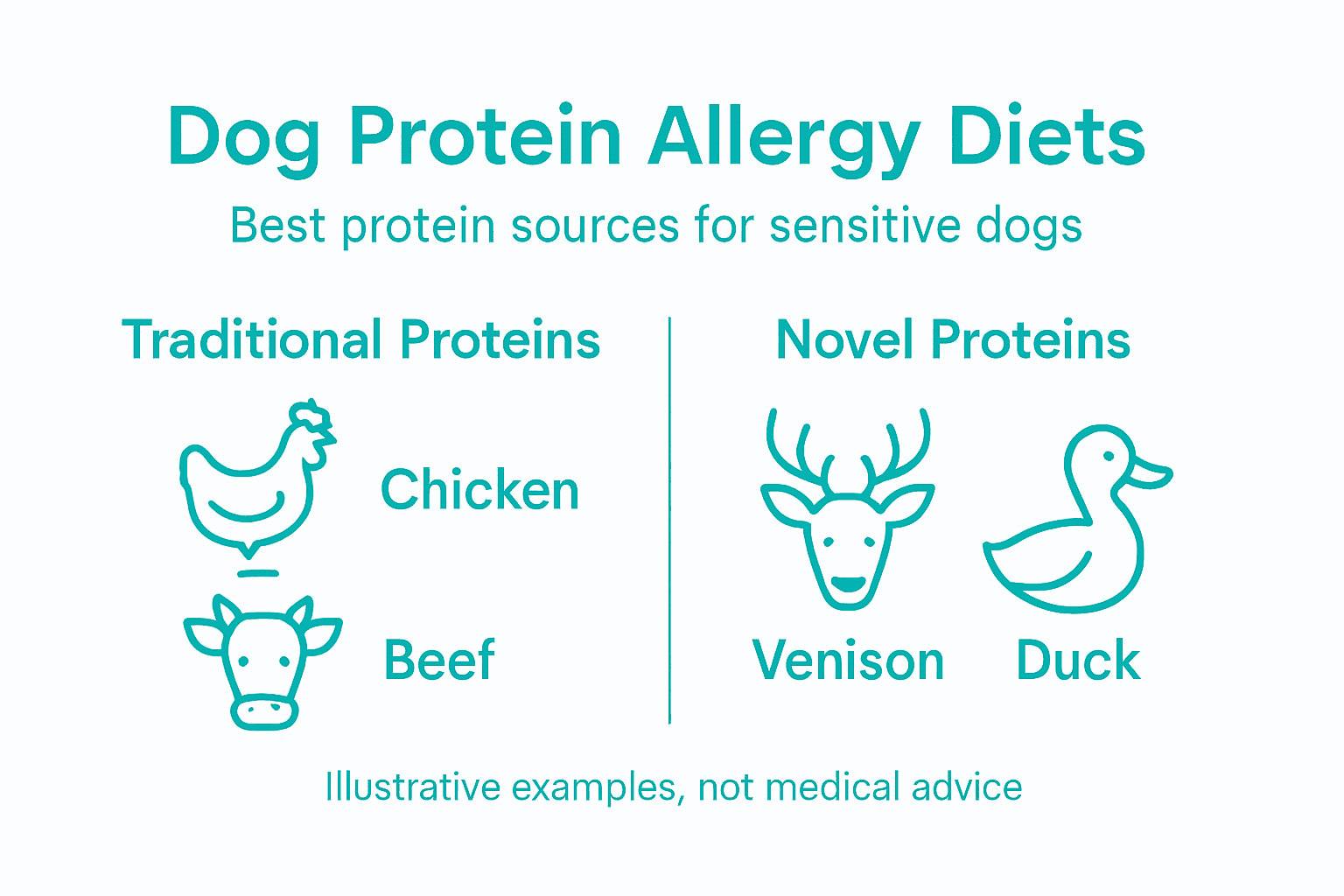
Here’s a quick comparison of the main types of hypoallergenic diets for managing protein allergies in dogs:
| Diet Type | Key Protein Source | How It Works |
|---|---|---|
| Novel protein | Venison, duck, rabbit, fish | Uses uncommon proteins to avoid triggers |
| Hydrolysed protein | Chemically broken-down meats | Reduces immune reaction by altering size |
| Amino acid-based | Free amino acids | Eliminates whole proteins completely |
Pro tip: Introduce new hypoallergenic diets incrementally, mixing the new food with existing diet and monitoring your dog’s response carefully to ensure smooth dietary transition and minimal digestive disruption.
Mistakes to Avoid When Addressing Allergies
Food allergies in dogs require careful management and strategic approaches to effectively identify and address dietary triggers. Understanding common pitfalls can significantly improve your dog’s health and treatment outcomes.
Critical mistakes dog owners frequently make include:
- Ignoring veterinary professional guidance
- Inconsistent elimination diet protocols
- Feeding random treats during diagnostic periods
- Self-diagnosing without professional assessment
- Rotating foods without changing protein sources
- Misinterpreting allergy symptoms
Common protein allergy management errors often stem from a lack of understanding about the complex nature of canine dietary sensitivities. Dog owners might unknowingly perpetuate allergic reactions by not strictly adhering to recommended dietary protocols.
A comprehensive approach requires meticulous attention to dietary details, including complete elimination of potential trigger foods, maintaining detailed symptom logs, and working closely with veterinary nutritionists to develop targeted management strategies.
The table below summarises the most effective strategies for preventing common mistakes when addressing dog food allergies:
| Mistake to Avoid | Prevention Strategy | Benefit to Your Dog |
|---|---|---|
| Ignoring veterinary advice | Follow all professional guidance | Accurate diagnosis and treatment |
| Inconsistent diet trial | Maintain strict, documented protocol | Reliable allergy identification |
| Offering untreated food or treats | Give only approved food during trials | Minimises false test results |
Pro tip: Create a comprehensive symptom tracking spreadsheet documenting your dog’s diet, reactions, and environmental factors to provide your veterinarian with precise diagnostic information.
Support Your Dog’s Health with Tailored Nutrition for Protein Allergies
Living with a dog affected by protein allergies can be frustrating and worrying. Identifying specific protein triggers like beef, chicken, or dairy is only the first step towards easing their discomfort. To truly make a difference, choosing the right hypoallergenic diet that avoids common allergens and supports skin and digestive health is essential. At Ultimate Pet Foods, we understand the challenges of managing these allergies and offer carefully formulated options that deliver natural, grain-free nutrition without compromising on quality.
Discover our Dry Dog Food | Grain-Free & Science-Backed Kibble which includes novel protein sources designed to reduce allergic reactions while maintaining optimal nutrition. Complement this with our range of Dog Treats - Healthy & Natural with Functional Benefits that provide safe, nourishing snacks for sensitive dogs. Take the next step in managing your dog’s protein allergies by visiting Ultimate Pet Foods today and giving your pet the gift of balanced, irritation-free nutrition.
Frequently Asked Questions
What are the common symptoms of protein allergies in dogs?
Protein allergies in dogs can manifest as persistent skin itching, red or inflamed skin patches, excessive licking, chronic ear infections, vomiting, diarrhoea, and excessive flatulence.
How are protein allergies diagnosed in dogs?
Diagnosis typically involves a comprehensive medical history review, ruling out other health conditions, conducting an elimination diet trial, and systematically reintroducing proteins while monitoring symptoms. Elimination diets are considered the gold standard for identifying specific dietary triggers.
What types of diets are recommended for dogs with protein allergies?
Hypoallergenic diets are recommended, which may include novel protein sources such as venison, duck, or rabbit, hydrolysed protein diets, or amino acid-based formulations to minimise allergic reactions while providing essential nutrients.
What mistakes should be avoided when managing a dog’s protein allergies?
Common mistakes include ignoring veterinary guidance, feeding random treats during elimination diets, inconsistent dietary protocols, and misinterpreting allergy symptoms. It’s essential to follow a strict elimination diet and monitor your dog’s reactions closely.
Recommended
- 7 Expert Tips for Choosing Allergen Free Dog Foods
- Understanding Dog Food for Allergies: A Comprehensive Guide – Ultimate Pet Foods
- Understanding the Best Dog Food for Sensitive Dogs – Ultimate Pet Foods
- Natural Remedies for Dog Allergies: Lasting Relief