
Dog hydration and nutrition: a complete owner's guide
TL;DR:
- Proper dog hydration and nutrition depend on daily water intake and a balanced diet tailored to their life stage.
- Understanding how food moisture content influences water needs helps prevent unnecessary concern about bowl drinking behavior.
Dog hydration and nutrition is the combination of adequate daily water intake and a balanced diet providing the essential nutrients your dog needs at every life stage. These two elements are inseparable. A dog that eats well but drinks too little, or drinks plenty but eats a nutritionally poor diet, will not thrive. Standards set by organisations like AAFCO (Association of American Feed Control Officials) and the NRC (National Research Council) define minimum nutrient requirements, while veterinary guidelines establish clear thresholds for healthy water consumption. Understanding both gives you the tools to make genuinely informed decisions for your dog.
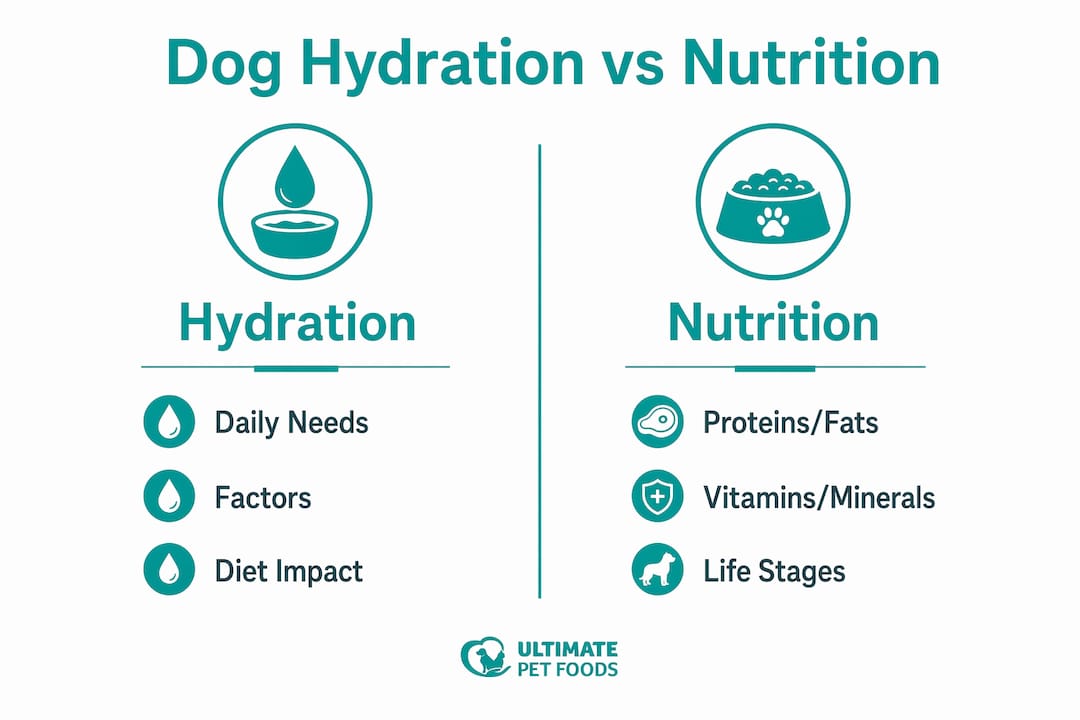
How much water does a dog need each day?
Dogs require 50–60 mL of water per kilogram of body weight daily for basic maintenance. That means a 20 kg Labrador needs roughly one to 1.2 litres per day under normal conditions. This figure is your baseline, not a rigid target, but it gives you a practical reference point.
Intake above 90–100 mL per kilogram per day is classified as polydipsia, a clinical term for excessive drinking that warrants a veterinary consultation. Polydipsia can signal kidney disease, diabetes mellitus, Cushing’s disease, or the side effects of medications such as steroids or diuretics. Catching this early matters enormously.
Several factors push water needs above the baseline. Heat, exercise, pregnancy, and certain medications can sometimes double or triple daily intake requirements. A Border Collie working on a warm summer day needs far more water than the same dog resting indoors in January. Age also plays a role: puppies and senior dogs are both more vulnerable to dehydration than healthy adults.
Dr Brian Collins notes that significant changes from a dog’s individual baseline are more meaningful than rigid numerical thresholds. In practice, this means you should know what is normal for your dog specifically, not just what is average for dogs generally.
Pro Tip: Fill your dog’s water bowl from a measured jug each morning and check what remains at the same time the next day. Tracking daily water consumption over 24 to 48 hours gives your vet genuinely useful pre-symptomatic diagnostic information, particularly for conditions like early kidney disease.
Does diet type affect how much water your dog drinks?
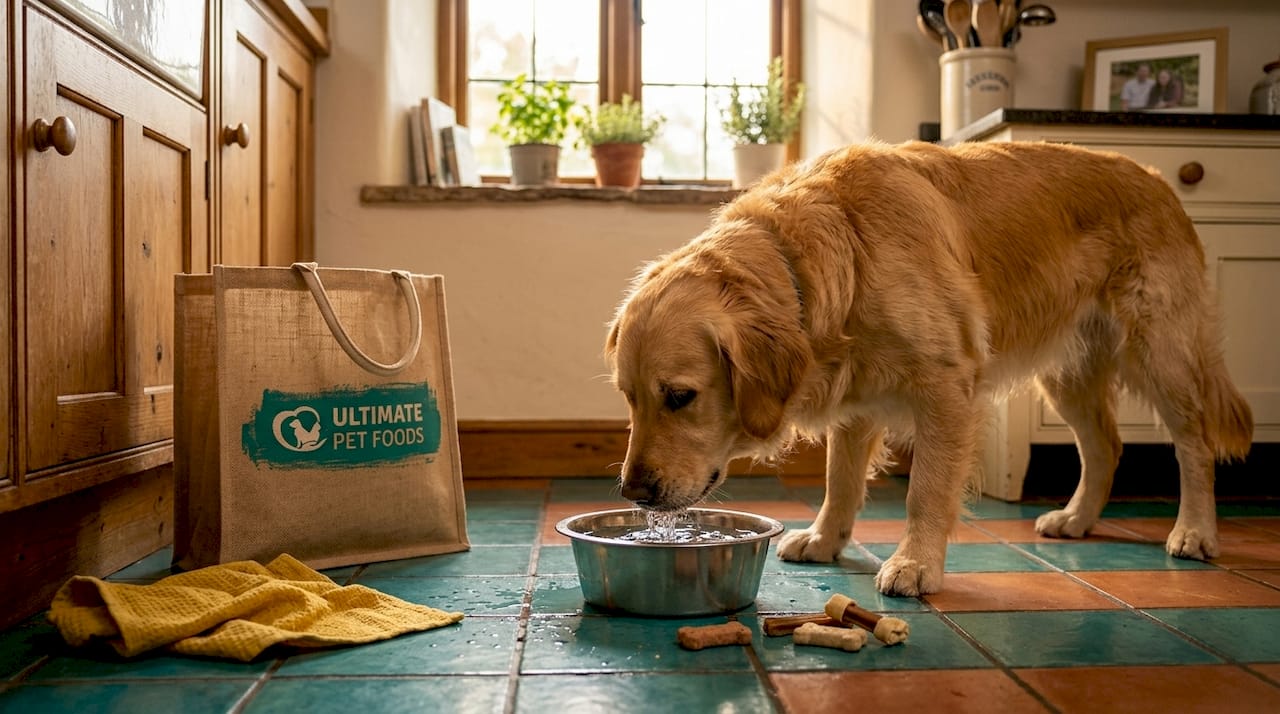
The moisture content of your dog’s food has a direct and significant effect on how much water they voluntarily drink from the bowl. This is one of the most misunderstood aspects of dog diet and hydration tips, and it causes unnecessary worry for many owners.
| Food type | Moisture content | Effect on water bowl use |
|---|---|---|
| Dry kibble | 8–10% | Dog drinks significantly more water |
| Wet or canned food | 70–80% | Dog drinks noticeably less water |
| Fresh or gently cooked | 70–80% | Dog drinks noticeably less water |
Dry kibble contains just 8–10% moisture, while wet and fresh foods provide 60–80%. A dog eating wet food is already consuming a large proportion of their daily water requirement through their meals. This is entirely normal and, in fact, dogs on wet or raw food naturally drink less from the bowl, which supports urinary tract health by maintaining consistent urine dilution.
The practical implication is straightforward: if you switch your dog from dry to wet food and notice they are barely touching the water bowl, do not panic. Low voluntary drinking in dogs on wet or fresh foods is a healthy, expected behaviour, not a sign of poor hydration. The reverse is equally true. A dog eating dry kibble who suddenly reduces their water intake deserves attention.
High-moisture diets also tend to support better stool consistency and smoother digestion, as water plays a central role in nutrient absorption and waste transit through the gut. For dogs prone to urinary crystals or recurrent urinary tract infections, a higher-moisture diet is often one of the first dietary adjustments a vet will recommend.
Pro Tip: If your dog is on dry kibble and you want to enhance your dog’s hydration without switching food entirely, add a small amount of warm water or low-sodium bone broth to the bowl at mealtimes. It increases moisture intake and often makes meals more appealing.
What are the key nutritional needs for dogs?
Nutrition for dogs is built on six categories: proteins, fats, carbohydrates, vitamins, minerals, and water. Each serves a distinct physiological function, and the balance between them changes depending on your dog’s age, breed, size, and health status.
Protein and fat requirements
AAFCO sets the minimum protein level at 18% for adult dogs on a dry matter basis, rising to 22% for puppies and pregnant or lactating females. These figures represent the floor, not the ideal. Many high-quality diets exceed these minimums to support muscle maintenance, immune function, and enzyme production. Protein and fat are the two most vital macronutrients for dogs: protein drives tissue repair and hormone synthesis, while fat enables the absorption of fat-soluble vitamins A, D, E, and K and supports healthy skin and coat condition. Fat requirements sit at approximately 8.5% or above for growing dogs.
Vitamins, minerals, and the calcium-to-phosphorus ratio
Vitamins A, D, E, K, and the full B complex are all required for normal canine metabolic function. Minerals including calcium, phosphorus, and zinc are equally non-negotiable. The calcium-to-phosphorus ratio deserves particular attention: an imbalance, especially in large-breed puppies, is directly linked to developmental orthopaedic disease. This is one reason why homemade dog diets risk serious nutrient imbalance, with nearly 40 essential nutrients requiring precise ratios to prevent long-term metabolic and skeletal harm.
Life stage and breed size adjustments
Nutritional needs shift considerably across a dog’s life. Puppies need more protein, fat, calcium, and phosphorus to support rapid growth. Senior dogs often benefit from adjusted protein levels and added joint-supporting nutrients. Large and giant breeds have specific calcium and phosphorus requirements during growth that differ from small breeds. A life stage feeding guide helps you match food choices to your dog’s actual developmental needs rather than guessing.
Pro Tip: If you are considering a homemade diet, seek advice from a board-certified veterinary nutritionist before starting. Experts highlight the complexity of balancing homemade diets correctly, and the long-term risks of getting it wrong include irreversible metabolic and orthopaedic disease.
Practical feeding and hydration strategies that actually work
Getting the theory right is one thing. Applying it consistently in daily life is where most dog owners need practical support. These strategies work across breeds and life stages.
- Always provide fresh water in multiple locations. Dogs drink more when water is easily accessible. Place bowls in the kitchen, garden, and any room where your dog spends significant time. Pet water fountains encourage drinking through movement and filtration, which many dogs prefer.
- Choose a complete, balanced dry food made with freshly prepared ingredients. Ultimatepetfoods recipes are made with freshly prepared meat or fish, gently cooked at 82°C to lock in nutrients and natural flavour. Human-grade ingredients mean your dog benefits from the same quality standards applied to food prepared for people.
- Look for added prebiotics. Ultimatepetfoods recipes include MOS (mannan-oligosaccharides) and FOS (fructo-oligosaccharides), two prebiotic fibres that support a healthy gut microbiome and improve digestive efficiency. A well-functioning gut absorbs nutrients more effectively, which means your dog gets more from every meal.
- Consider the Ultimate+ Functional Health range for targeted support. If your dog has specific health needs, Ultimatepetfoods’ Ultimate+ range uses hydrolysed proteins and is formulated for everyday targeted support across five areas: Digestive Care, Skin & Coat Care, Weight Control & Joint Care, Dental Care, and Healthy Living. These are not short-term fixes. They are designed for consistent, lifelong feeding.
- Add moisture to dry meals when needed. Warm water or low-sodium broth added to kibble increases total fluid intake and can be particularly helpful for dogs that are reluctant drinkers, recovering from illness, or living in warmer climates.
- Monitor hydration behaviour as a health indicator. Changes in drinking patterns, whether a sudden increase or a noticeable drop, are often the first observable sign of an underlying health issue. Tracking your dog’s intake regularly means you will notice deviations early, when they are most treatable.
Key takeaways
Proper dog hydration and nutrition requires matching daily water intake to body weight, choosing food with appropriate moisture content, and meeting life-stage-specific nutrient requirements through a complete, balanced diet.
| Point | Details |
|---|---|
| Daily water baseline | Dogs need 50–60 mL per kg of body weight daily; above 90–100 mL/kg warrants vet advice. |
| Diet moisture matters | Dry kibble provides 8–10% moisture; wet and fresh foods provide 60–80%, reducing bowl drinking. |
| Protein minimums | Adult dogs need at least 18% protein; puppies and pregnant dogs need 22% or more. |
| Monitor patterns, not just numbers | Changes from your dog’s individual baseline are more telling than absolute daily totals. |
| Prebiotics support absorption | MOS and FOS prebiotics in quality dry food improve gut health and nutrient uptake. |
What I have learned from years of watching dogs eat and drink
The most common mistake I see dog owners make is treating hydration and nutrition as two separate concerns. They are not. The food you choose determines how much water your dog actually needs, how efficiently their gut absorbs nutrients, and how their kidneys function over time. These systems are connected at every level.
I have also noticed that owners who switch to a high-quality, gently cooked dry food with balanced macronutrients often report visible improvements within weeks: better coat condition, firmer stools, more consistent energy. That is not coincidence. It reflects what happens when a dog’s nutritional needs are genuinely met rather than approximately met.
The advice I would give any owner is this: stop chasing perfect numbers and start watching your dog. Learn what normal looks like for them specifically. How much do they typically drink on a cool day versus a warm one? How does their water intake change after a long walk? Once you know their baseline, deviations become obvious and informative rather than alarming and confusing.
Homemade diets are where I urge the most caution. The intention is always good, but the execution is genuinely difficult without professional formulation. The problems with homemade dog food are not always visible in the short term, which makes them more dangerous, not less. A complete, balanced commercial diet from a brand that uses human-grade ingredients and transparent formulation is, for most dogs, the most reliable foundation you can provide.
— Glenn
Discover Ultimatepetfoods: nutrition and hydration in every bowl
If this guide has prompted you to look more closely at what goes into your dog’s bowl, we think you will find Ultimatepetfoods worth exploring. Our dry dog food is made with freshly prepared meat or fish, gently cooked at 82°C to preserve natural nutrients, and formulated to be complete and balanced for everyday, lifelong feeding.
Every recipe includes MOS and FOS prebiotics to support gut health from the inside out. Our Ultimate+ Functional Health range offers targeted everyday support for digestion, skin and coat, weight and joints, dental health, and general wellbeing, all using hydrolysed proteins for maximum digestibility. For dogs that thrive on a grain-free diet, our recipes are crafted to deliver the nutritional balance your dog deserves, every single day.
FAQ
How much water should a dog drink per day?
Dogs need 50–60 mL of water per kilogram of body weight daily. A 10 kg dog needs approximately 500–600 mL, though diet type, activity level, and temperature all influence this figure.
Why is my dog drinking less water than usual?
If your dog has recently moved to a wet or fresh food diet, reduced water bowl use is normal and expected. Wet food provides 70–80% moisture, significantly reducing the need to drink separately. If no diet change has occurred, consult your vet.
What nutrients do dogs need most?
Dogs require protein (minimum 18% for adults), fat (approximately 8.5% or above), fat-soluble vitamins A, D, E, and K, B vitamins, and minerals including calcium, phosphorus, and zinc. A balanced diet for dogs from a complete, quality food source covers all of these.
Is dry kibble bad for hydration?
Dry kibble is not bad for hydration, but it does require dogs to drink more water separately since it contains only 8–10% moisture. Choosing a high-quality kibble and always providing fresh water ensures your dog stays well hydrated.
When should I worry about my dog’s water intake?
Seek veterinary advice if your dog’s intake exceeds 90–100 mL per kilogram per day, or if you notice a sudden and unexplained change from their usual drinking pattern. Both excessive and reduced intake can signal underlying health conditions.