
Does grain free prevent allergies in dogs?
TL;DR:
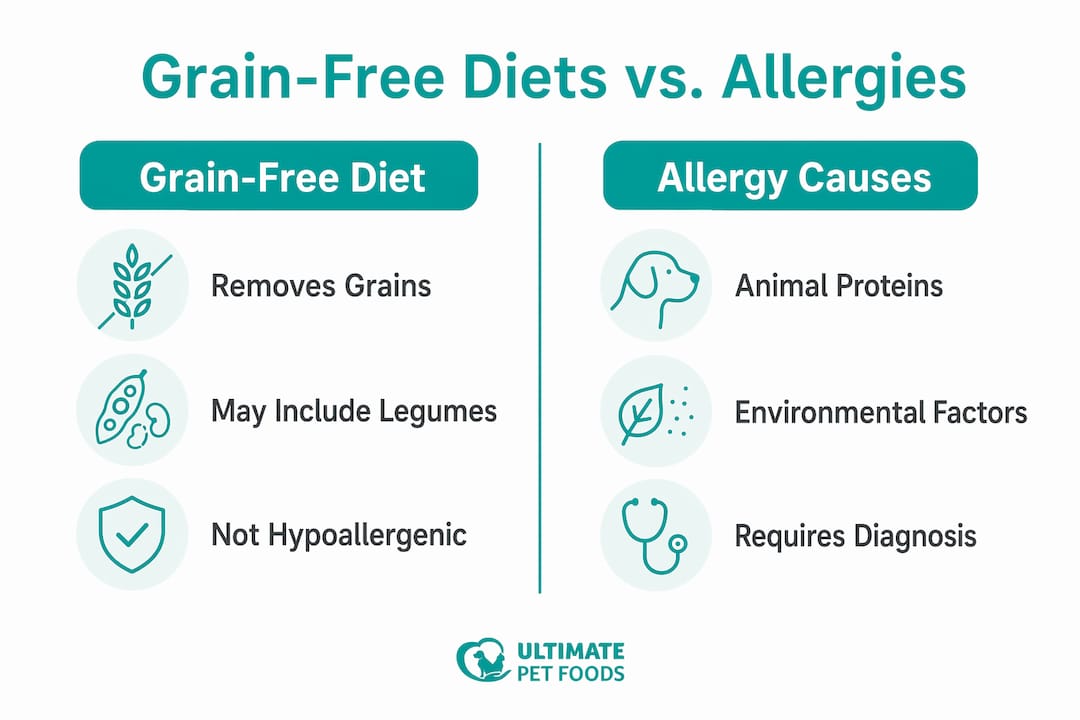
- Grain allergies in dogs are rare; most food allergies are caused by proteins like beef and chicken.
- Switching to grain-free diets does not prevent allergies unless a grain allergy has been specifically confirmed through testing.
If your dog is scratching constantly, developing skin rashes, or suffering from recurring digestive upsets, it is natural to wonder whether their food is to blame. The question of whether does grain free prevent allergies comes up more than almost any other in conversations about canine nutrition. Many owners switch to a grain-free diet hoping it will put an end to the itching and discomfort. The reality, however, is more nuanced. Grain allergies in dogs are actually quite rare, and understanding what truly drives allergic reactions can save your dog months of unnecessary discomfort.
Key takeaways
| Point | Details |
|---|---|
| Grain allergies are uncommon | Animal proteins like beef and chicken are the most frequent triggers, not grains. |
| Grain-free is not hypoallergenic | Removing grains only helps when a grain allergy has been specifically confirmed. |
| Elimination trials take time | Proper food allergy diagnosis requires 8 to 12 weeks of strict dietary control. |
| Environmental factors matter | Many itchy dogs react to pollen, dust mites, or fleas, not food at all. |
| Balanced nutrition stays central | Any long-term diet, grain-free or otherwise, must be complete and nutritionally sound. |
What actually causes food allergies in dogs
Understanding canine food allergies starts with recognising what the immune system is actually reacting to. A food allergy occurs when your dog’s immune system misidentifies a protein molecule as a threat and mounts a defensive response. The symptoms you see, including itchy skin, paw chewing, ear infections, loose stools, and red eyes, are the visible result of that internal reaction.
Here is what the evidence consistently shows triggers those reactions:
- Animal proteins such as beef, chicken, dairy, and eggs are the most common culprits
- Fish and lamb can also provoke reactions in sensitised dogs
- Soy appears as a trigger in a smaller number of cases
- Wheat and corn do feature, but grain allergies are rare compared to protein-driven reactions
The pattern here matters enormously. Most dogs develop sensitivities to proteins they have been exposed to repeatedly over time, not to carbohydrate sources like wheat or barley. That is why a dog eating chicken-based kibble for three years may eventually react to chicken, regardless of whether that food contained grains.
Veterinary diagnosis is the only reliable way to identify the specific trigger. An elimination diet trial, followed by deliberate re-introduction of individual ingredients, remains the gold standard. Guessing, or simply switching to a trendy food, rarely produces clear answers.
Pro Tip: Keep a daily symptom diary when your dog is experiencing reactions. Note what they ate, any treats or supplements given, and the severity of symptoms. This information is genuinely valuable for your vet when designing a proper elimination trial.
What grain-free dog food actually is
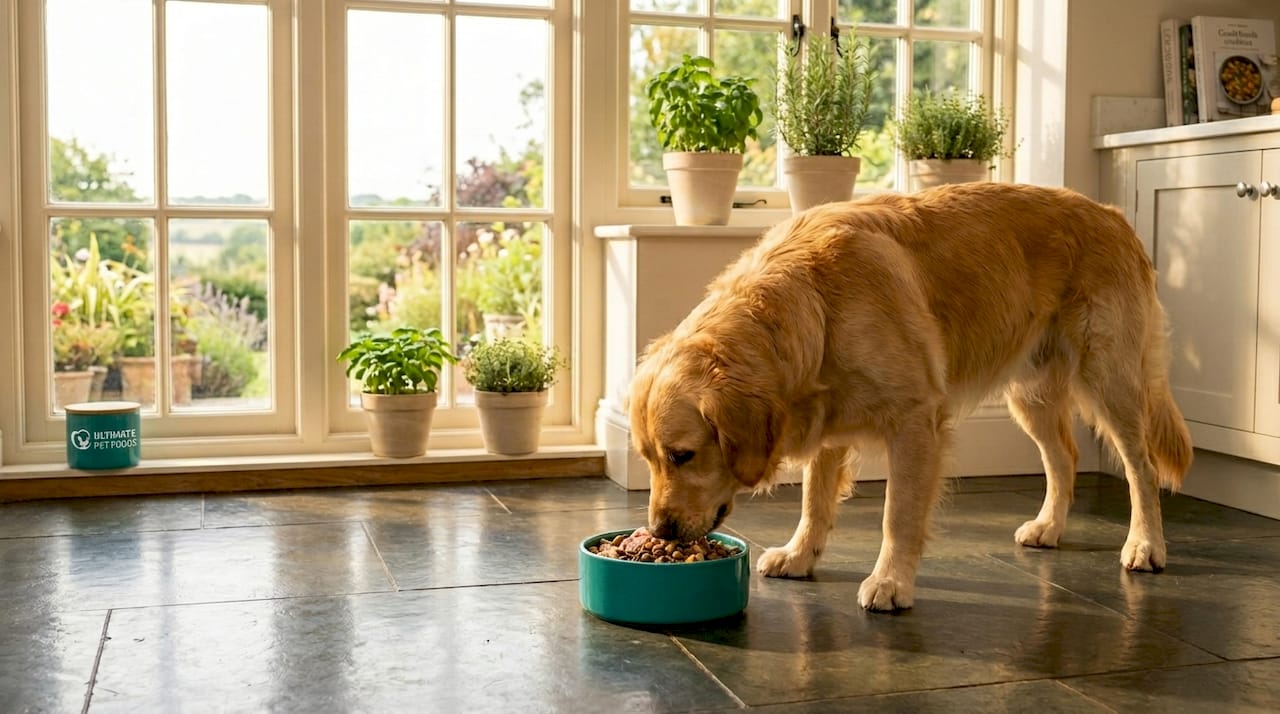
The term grain-free dog food refers to any recipe that excludes cereal grains like wheat, corn, rice, barley, and oats. But understanding what grain-free dog food is goes beyond just knowing what it leaves out. The carbohydrate portion of the recipe still needs to come from somewhere, and manufacturers typically replace grains with alternatives such as sweet potato, peas, lentils, chickpeas, or tapioca.
This distinction matters for allergy management. Here is how grain-free compares to other diet categories you may encounter:
| Diet type | What it removes | Primary use |
|---|---|---|
| Grain-free | Cereal grains only | Dogs with confirmed grain sensitivity |
| Novel protein | Familiar proteins (e.g. chicken, beef) | Dogs with suspected protein allergy |
| Hydrolysed protein | N/A, proteins are broken into fragments | Confirmed food allergy diagnosis |
| Hypoallergenic (therapeutic) | Multiple common allergens | Vet-supervised allergy management |
A grain-free diet and a hypoallergenic diet are not the same thing. Grain-free differs from hypoallergenic diets in a fundamental way: removing grains does nothing to reduce exposure to animal proteins, which are the far more likely allergen. A grain-free kibble that contains chicken, beef, and dairy is still full of the very ingredients most likely to cause a reaction.
There is also a nutritional consideration worth noting. Grain-free diets heavy in legumes like peas and lentils may trigger digestive upset in some sensitive dogs, and ongoing research has examined potential links between high-legume diets and dilated cardiomyopathy in certain breeds. This is not a reason to avoid grain-free entirely, but it does reinforce the importance of choosing a carefully formulated, complete recipe rather than selecting a food based on a single marketing claim.
Does grain free prevent allergies? The evidence
The short answer is: not for most dogs. The veterinary consensus is clear. Animal proteins trigger the majority of canine food allergies, and grain is rarely the source of the problem.
Here is what the science actually supports when it comes to grain-free diets and allergy management:
- Grain-free helps only when grains are the problem. If your dog has been diagnosed with a true wheat or barley allergy through a proper elimination trial, removing grains will produce clear improvement. Without that confirmation, you are making a change with no guaranteed benefit.
- Environmental triggers are frequently overlooked. Atopic dermatitis in dogs is often triggered by fleas, dust mites, mould spores, and seasonal pollen. Switching to grain-free does not address any of these. Many owners report no change after switching foods precisely because the trigger was never dietary.
- Delayed diagnosis is a real risk. Switching to grain-free may mask the true source of symptoms by providing a partial change that blurs the clinical picture. Your vet needs clear information to make an accurate diagnosis.
- Protein identity inside grain-free recipes often goes unexamined. A dog switching from a grain-inclusive chicken recipe to a grain-free chicken recipe is still eating the same protein. The underlying trigger has not changed.
- Comprehensive allergy management extends beyond food. Skin barrier support, flea prevention, antihistamines in some cases, and environmental controls all play important roles alongside any dietary adjustments.
“Grain-free is best understood as removing a single ingredient category, not as a treatment. Identifying the exact allergen is what actually resolves the problem.”
Diagnosing atopic dermatitis requires a multifactorial approach that often extends well beyond dietary changes. That context is not a reason to feel discouraged. It is a reason to approach your dog’s symptoms with proper care and the right professional support.
Practical steps for managing suspected allergies
If you suspect your dog has a food allergy, here is how to approach it in a way that actually produces useful answers.
The process begins with a strict elimination diet trial. Veterinary elimination diet trials require 8 to 12 weeks of feeding a single, novel protein and carbohydrate source that your dog has never eaten before. Venison and sweet potato, or salmon and potato, are common starting points. Nothing else passes their lips during this period. Not flavoured toothpaste, not treats, not table scraps.
This is where many trials fail. Adding unapproved treats or supplements during the trial period invalidates the results entirely, leaving you no clearer than when you started. One flavoured chew is enough to skew eight weeks of careful observation.
Once the trial period ends, individual ingredients are re-introduced one at a time. If a reaction appears within days of re-introducing chicken, you have your answer. If nothing changes, the search continues.
Things to track during any elimination trial:
- Skin condition: redness, itching intensity, and paw licking frequency
- Coat quality and texture
- Ear health: discharge, smell, and scratching behaviour
- Stool consistency and frequency
- General energy levels and mood
When a grain-free diet is appropriate, we believe it should still be nutritionally complete, made from quality ingredients, and formulated for long-term daily feeding. At Ultimatepetfoods, our grain-free recipes are made with freshly prepared meat and fish, gently cooked at 82°C to help lock in nutrients, using human-grade ingredients and added prebiotics MOS and FOS to support your dog’s gut health and digestion every day.
Pro Tip: Before starting any elimination trial, photograph your dog’s skin, coat, and paws. Objective visual comparison across the 12-week period is far more reliable than memory alone.
For a clear picture of how to feed grain-free correctly, the grain-free feeding guide from Ultimatepetfoods is a useful starting point.
Comparing diet types for allergy management
Not all allergy-focused diets work in the same way, and veterinary dermatologists prioritise hydrolysed and novel protein diets for allergy diagnosis rather than grain-removal alone. Here is a clear comparison to help you understand the options:
| Diet type | How it works | Best suited for |
|---|---|---|
| Grain-free | Removes cereal grains, keeps proteins intact | Confirmed grain sensitivity |
| Novel protein | Uses a protein source the dog has not encountered | Suspected protein allergy |
| Hydrolysed protein | Proteins broken into tiny fragments the immune system cannot recognise | Confirmed or complex food allergy |
| Ultimate+ Functional Health | Hydrolysed proteins with targeted nutritional support | Everyday skin, coat, digestive, and joint care |
Hydrolysed protein diets use enzymatic breakdown to reduce the immunogenicity of proteins, meaning the immune system is less likely to react to them. This makes them particularly effective for dogs with confirmed food allergies where the specific trigger has not yet been identified.
The Ultimatepetfoods Ultimate+ Functional Health range sits in this space, offering hydrolysed protein formulas designed for targeted everyday support across Skin & Coat Care, Digestive Care, Weight Control & Joint Care, Dental Care, and Healthy Living. These are not short-term solutions. They are complete, balanced recipes built for dogs that benefit from that extra layer of gentle nutritional support every single day.
My honest take on grain-free and allergies
I have seen a lot of dogs put on grain-free diets by well-meaning owners who genuinely believed they were solving the problem. In many cases, the scratching continued, the ear infections came back, and months passed without real answers.
The honest truth is that grain-free is not a cure. It is a dietary category, and a useful one for the right dog, but it has been marketed so enthusiastically that it has taken on a meaning it was never meant to have. I have watched owners spend considerable money cycling through grain-free brands when the actual issue was a chicken allergy or seasonal atopy that required a completely different approach.
What I find works is this: treat a suspected allergy like a proper investigation, not a shopping decision. Work with your vet, commit to the elimination trial properly, and resist the urge to add extras “just this once.” Every shortcut costs you weeks.
I also think the best grain-free foods earn their place not because they are grain-free, but because they are genuinely well-made. Freshly prepared proteins, careful cooking, nutritional completeness, and gut-supporting prebiotics matter far more than simply removing wheat from the ingredient list. The grain-free label is a starting point, not the whole story.
— Glenn
Feed your dog well, every single day
If your dog is showing signs of sensitivity and you are ready to make a thoughtful change, Ultimatepetfoods is here to help you do it properly.
Our grain-free recipes are made with freshly prepared meat and fish, gently cooked at 82°C to lock in natural goodness, using human-grade ingredients your dog deserves. Added prebiotics MOS and FOS support healthy digestion from the inside out. For dogs needing extra care, our Ultimate+ Functional Health range provides targeted everyday support for skin, coat, digestion, joints, and more, using hydrolysed proteins designed to be gentle on sensitive systems. These are complete, balanced recipes built for lifelong daily feeding. Explore the full grain-free benefits and find the right recipe for your dog today.
FAQ
Does grain free dog food prevent allergies?
No. Grain-free dog food only prevents allergic reactions if grain is the confirmed allergen. Animal proteins are far more commonly responsible for canine food allergies than grains, so removing grains alone rarely resolves symptoms.
What are the most common food allergens for dogs?
Beef, chicken, dairy, and eggs are the most frequently identified food allergens in dogs. Grains such as wheat and corn appear much less often as triggers.
How long does a food allergy elimination trial take?
A proper elimination diet trial takes 8 to 12 weeks of strict feeding, followed by a controlled re-introduction of individual ingredients to confirm the specific allergen.
Can environmental factors cause allergy symptoms in dogs?
Yes. Atopic dermatitis caused by fleas, dust mites, pollen, and mould is common and cannot be resolved through dietary changes alone, regardless of whether the diet is grain-free.
What is the difference between grain-free and hypoallergenic dog food?
Grain-free food removes cereal grains but keeps all proteins intact. Hypoallergenic or therapeutic diets use novel or hydrolysed proteins specifically to reduce immune reactions, making them more effective for confirmed food allergies.