
8–12 Week Elimination Diet for Dogs Prone to Yeast: Dog Food That Helps
Diet can support prevention and management of yeast infections, but it rarely cures an active flare-up on its own. Yeast dermatitis is almost always secondary to something else, such as an allergy, a hormonal problem, or a damaged skin barrier, so veterinary diagnosis matters more than any single food swap. The strongest results come from combining proper veterinary treatment with a consistent, evidence-based diet, not from chasing an “anti-yeast” label on a bag.
TL;DR:
- Eliminating trigger factors like allergies or hormonal issues is essential, as diet alone cannot cure existing yeast infections.
- A strict elimination diet should last at least 8 to 12 weeks, using novel or hydrolysed proteins with no treats or flavored chews.
- Dietary support is most effective when combined with veterinary diagnosis and treatment, including topical or systemic antifungals if needed.
- Carbohydrate restriction or grain-free foods do not reliably treat yeast overgrowth because Malassezia feeds on skin lipids, not blood sugar.
- Using high-quality, complete diets with omega-3s, zinc, and prebiotics supports the skin barrier and long-term management of yeast-prone dogs.
Table of Contents
- What causes Malassezia overgrowth and the signs to watch for
- Can diet treat or cure a yeast infection? The evidence and its limits
- Practical dietary strategies for dogs prone to yeast
- Diets and remedies to avoid or treat with caution
- When to see the vet and what a combined plan looks like
- How Ultimate Pet Foods fits into an evidence-led maintenance strategy
- Author perspective: practical priorities and realistic expectations
- Try Ultimate Pet Foods for everyday maintenance and elimination trials
- Sources
- FAQ
What causes Malassezia overgrowth and the signs to watch for
Malassezia pachydermatis lives on healthy dog skin all the time. It only becomes a problem when something disrupts the skin’s normal defences, letting the yeast multiply far beyond its usual numbers. That “something” is the part most owners miss, and it’s the part that actually needs treating.
Several things tip the balance. Allergies, whether to food or something in the environment, are the most common trigger, alongside endocrine conditions like an underactive thyroid. Moisture trapped in skin folds, and a history of antibiotics or steroids, can also disturb the balance of organisms living on the skin, giving Malassezia room to overgrow.
You’ll usually notice the signs before your vet does. Watch for:
- Intense itching, especially around the ears, paws, groin, and skin folds
- A distinctive sour or “yeasty” smell coming from the skin or ears
- Greasy, darkened, or thickened patches of skin
- Recurrent brown or waxy ear discharge
- Paw licking and redness between the toes (interdigital infection)
If more than one of these is happening at once, particularly the odour combined with itching, that’s a fairly reliable sign of Malassezia rather than a one-off skin irritation.
Can diet treat or cure a yeast infection? The evidence and its limits
No. Veterinary consensus is consistent on this point: yeast dermatitis is a secondary condition, and the underlying cause has to be identified and treated for any improvement to last. Diet plays a real, supportive role, but it works by calming inflammation and supporting the skin barrier, not by “starving” the yeast directly.
Where diet genuinely helps:
- A strict elimination trial can identify a food allergy driving the skin problem
- Hydrolysed diets reduce the antigenic potential of dietary protein, making them a recognised tool when food allergy is suspected
- Omega-3 fatty acids and adequate zinc support skin health, though trial results vary and dosing should be vet-guided
The limit that matters most: there’s no solid clinical evidence that cutting carbohydrates or switching to grain-free food reliably clears an active yeast infection. Malassezia feeds on skin lipids, not blood sugar, so “starving” it through carb restriction is a physiological myth, not a treatment.
Diet is one part of a combined plan. It’s rarely the whole plan.
Practical dietary strategies for dogs prone to yeast
If your vet suspects food allergy is part of the picture, here’s how a proper trial actually works, step by step:
- Choose a novel or hydrolysed protein. Pick a protein source your dog has never eaten before, or use a hydrolysed diet where the protein is broken down small enough to avoid triggering an immune response.
- Cut out everything else. No treats, no table scraps, no flavoured chews. Even a small exposure can undo weeks of progress and confound the results.
- Commit to 8 to 12 weeks. This is the minimum window most dogs need to show a genuine response to an elimination diet. Anything shorter, and you’re guessing.
- Re-challenge under veterinary supervision. Once symptoms settle, your vet may reintroduce the old diet briefly to confirm the food was the trigger, rather than a coincidence.
Hydrolysed diets tend to suit food-allergic dogs particularly well, and while a vet-prescribed hydrolysed formula is sometimes used for the strict diagnostic phase, Ultimate+ hydrolysed dog food offers a non-prescription route for ongoing maintenance once a diagnosis is clear.
Beyond protein choice, supplements can support the skin from the inside out. Marine-derived omega-3s (EPA and DHA) help calm skin inflammation, while zinc and a full spread of vitamins, delivered through a complete daily diet rather than isolated supplements, support barrier resilience over time. Prebiotics such as MOS and FOS also earn their place here: a healthier gut lining tends to go hand in hand with a healthier skin barrier.
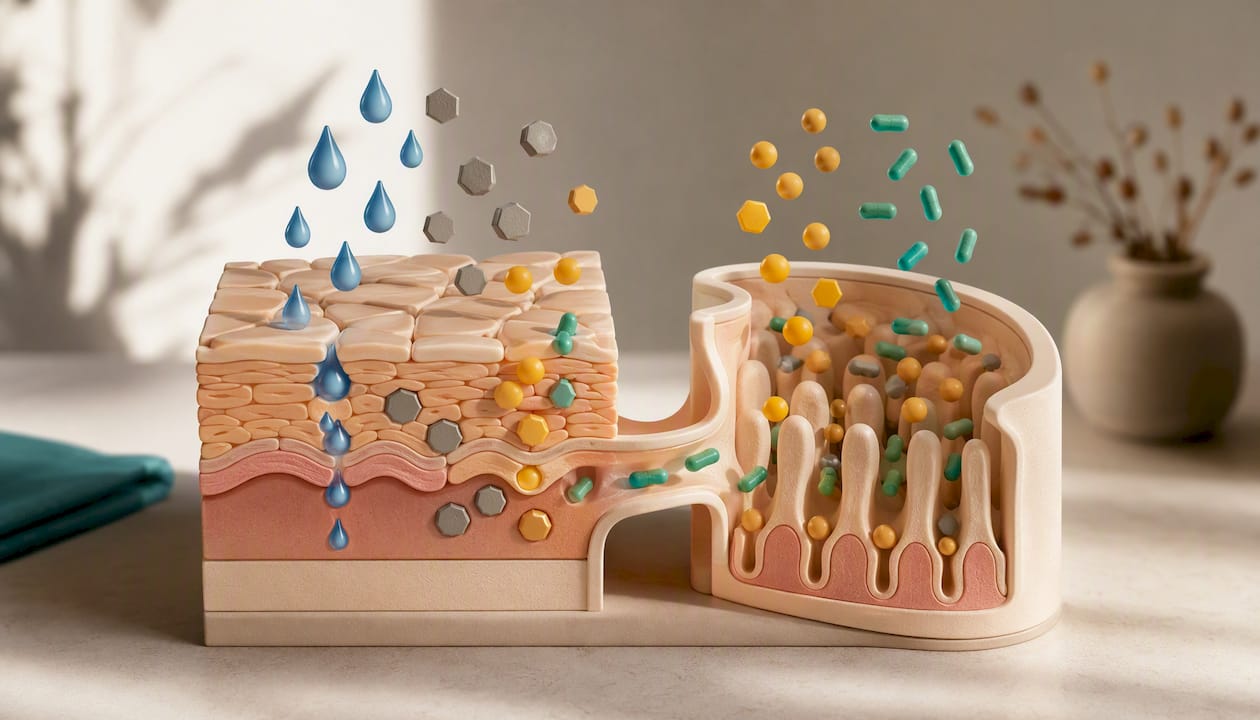
Pro Tip: Keep a simple food and skin diary during any trial. Note what your dog eats, when itching flares, and what the skin looks like each week. Patterns that feel invisible day to day often jump out clearly after a month on paper.
Consistency beats novelty. Swapping foods every few weeks searching for a magic formula almost always backfires, because it never gives any single diet the time it needs to prove itself.
Diets and remedies to avoid or treat with caution
A lot of what circulates online about “anti-yeast” dog food sounds convincing and lacks real backing. Some of it carries genuine risk.
- Blanket grain-free or “anti-yeast” claims: there’s no strong clinical evidence that a food marketed this way clears yeast on its own, and some low-quality grain-free formulas have been associated with reported cases of dilated cardiomyopathy, so ingredient quality matters more than the grain-free label itself.
- Raw feeding as a “cure”: raw diets carry food-safety risks for both dogs and the humans handling their bowls, and there’s no reliable evidence they resolve Malassezia overgrowth.
- Coconut oil: widely recommended online, but there’s no clinical evidence it delivers a meaningful systemic effect on skin yeast, whatever the anecdotes suggest.
- Apple cider vinegar and plain yoghurt: occasionally used as topical rinses or dietary add-ins, but evidence for either is thin, and vinegar applied to broken or inflamed skin can sting and worsen irritation.
None of these are treatments. At best, some might offer marginal comfort; at worst, they delay a proper diagnosis while the underlying problem keeps ticking along untreated.
When to see the vet and what a combined plan looks like
Some signs need a vet visit now, not after a few weeks of trying a new food.
- Severe, widespread, or rapidly worsening skin lesions
- Ear infections with visible discharge or a strong odour
- Symptoms that keep recurring despite previous treatment
- Any sign of systemic illness, such as lethargy or appetite loss alongside the skin problem
Once you’re at the vet, expect a fairly structured diagnostic path. Skin cytology confirms the yeast overgrowth itself, while allergy testing or endocrine screening may follow if your dog’s history points that way. Consensus veterinary guidance typically recommends topical antifungal shampoos or wipes, often containing miconazole and chlorhexidine, used two to three times weekly for two to three weeks. More severe or resistant cases sometimes need systemic antifungal medication.
Pro Tip: Don’t stop topical treatment the moment symptoms look better. Yeast can look controlled on the surface while the deeper infection is still active, and stopping early is one of the most common reasons for a quick relapse.
Once the active infection clears, maintenance nutrition and good hygiene take over, keeping the skin barrier strong so the cycle doesn’t start again.
How Ultimate Pet Foods fits into an evidence-led maintenance strategy
Once the active infection is under control, the everyday diet becomes the long-term safeguard. Ultimatepetfoods builds every complete, grain-free kibble from freshly prepared meat or fish, gently cooked at 82°C to help lock in freshness and nutrients, using human-grade ingredients where relevant.
- Complete and balanced recipes suitable for daily feeding, across all breeds and life stages where stated
- Added MOS and FOS prebiotics to support digestion and gut health, which ties directly into skin barrier resilience
- The Ultimate+ Functional Health range, including hydrolysed Skin & Coat Care formulas designed for targeted everyday support
- Consistent, everyday nutrition designed for ongoing feeding once the right dietary path has been confirmed.
This is groundwork, not a treatment claim: steady nutrition that supports the skin your dog already has, day after day.
Author perspective: practical priorities and realistic expectations
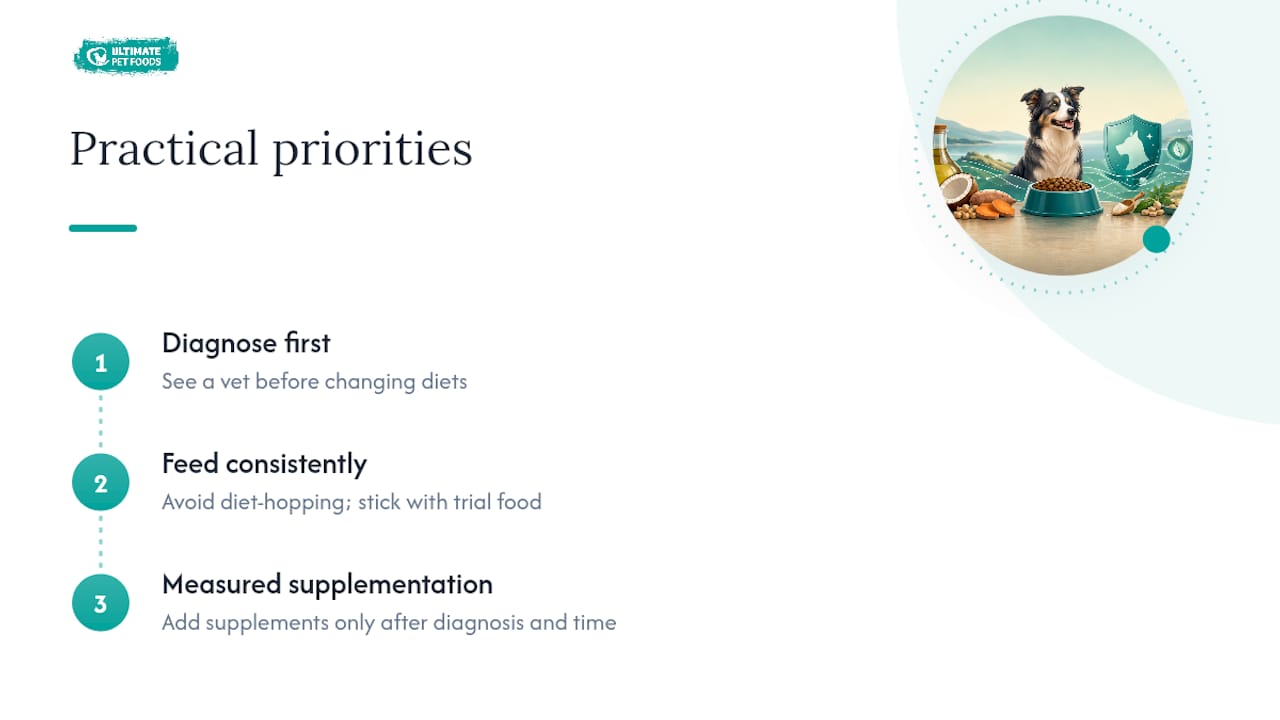
The mistake I see most often isn’t choosing the wrong food. It’s diet-hopping. Owners switch brands every few weeks chasing a cure that diet was never designed to deliver alone, when the real answer usually lies in a vet visit that never happened. Diagnosis first, then consistent feeding, then measured supplementation, in that order.
Keep a food and skin diary if you’re running an elimination trial, and loop your vet in early rather than after months of guessing. Improvement is often gradual, and recurrence is common whenever the underlying cause goes unaddressed.
— Glenn
Try Ultimate Pet Foods for everyday maintenance and elimination trials
If you’re mid-elimination trial or simply want a steady, evidence-aligned diet for a yeast-prone dog, starting small makes sense before committing to a full bag. Ultimatepetfoods is built for exactly this kind of cautious, methodical feeding, with recipes made from freshly prepared meat or fish, gently cooked at 82°C, and complete nutrition designed for daily feeding rather than a short-term fad.

For dogs where food allergy is suspected, the hydrolysed dog food for sensitive stomachs offers a non-prescription option that suits a strict trial without needing a vet’s prescription pad first, though a conversation with your vet before changing diet for a medical condition is still the sensible first step. Every recipe carries MOS and FOS prebiotics for gut support, alongside the full Ultimate+ range covering Digestive Care, Skin & Coat Care, Weight Control & Joint Care, Dental Care, and Healthy Living. Browse the grain-free ingredient range to find the formula that matches your dog’s current stage of care.
Sources
- Yeast skin infections in dogs | Animal Trust Vets
- Biology, diagnosis and treatment of Malassezia dermatitis in dogs and cats – WAVD consensus (Bond et al. 2020)
- Impact of nutritional supplementation on canine dermatological disorders
- Diet & dog yeast infections: what science says – Vetified
FAQ
What is the best dog food for dogs prone to yeast infections?
There’s no single “best” food, but a complete, balanced diet with adequate omega-3s, zinc, and prebiotics supports skin resilience; hydrolysed formulas suit dogs with a confirmed or suspected food allergy driving the yeast.
What naturally kills yeast in dogs?
Nothing in the diet reliably kills Malassezia outright. Topical antifungal treatment, prescribed by a vet, does the direct work, while diet supports the skin barrier and addresses underlying triggers like food allergy.
Does Greek yoghurt help dogs with yeast infections?
There’s no solid clinical evidence that yoghurt affects skin yeast levels in dogs, and it shouldn’t replace proper diagnosis or antifungal treatment.
What triggers yeast infections in dogs?
Allergies (food or environmental), hormonal conditions like hypothyroidism, trapped moisture in skin folds, and previous antibiotic or steroid use are the most common triggers behind Malassezia overgrowth.
How long does a dietary elimination trial take to show results?
Most dogs need 8 to 12 weeks on a strict novel or hydrolysed protein diet, with no treats or table scraps, before a vet can judge whether food allergy is genuinely part of the problem.