

Omega Fatty Acids for Dogs: Supporting Skin Health

Choosing the right diet for your dog can feel like a challenge, especially when so many british pet owners want the best for their furry companions. With more than 60 percent of dogs in the United Kingdom developing skin or coat issues at some point, nutrition matters more than ever. Discover how omega fatty acids from premium grain-free dog foods play a key role in supporting your pet’s skin health, comfort, and overall wellness.
Table of Contents
- Omega Fatty Acids Explained For Dogs
- Different Types: Omega-3, Omega-6, Omega-9
- Benefits For Skin, Coat And Wellness
- Best Natural Sources And Grain-Free Diets
- Risks, Balance And Dosing For Safety
Key Takeaways
| Point | Details |
|---|---|
| Omega Fatty Acids Are Essential | Dogs must obtain omega-3 and omega-6 fatty acids from their diet to support skin, coat, and overall health. |
| Dietary Balance Is Crucial | Maintaining the right ratio of omega-6 to omega-3, ideally between 5:1 and 10:1, is important to prevent health issues. |
| Choose Quality Sources | Select dog foods with natural omega-3 sources like fish or flaxseed for better nutritional support. |
| Consult With Professionals | Always seek advice from a veterinary nutritionist to tailor omega fatty acid supplementation based on your dog’s specific needs. |
Omega fatty acids explained for dogs
Omega fatty acids represent an essential nutritional component for canine health, particularly in supporting skin and coat wellness. These special nutrients are critical because dogs cannot produce them naturally and must obtain them through diet. Molecular research on fatty acid metabolism highlights their profound importance in maintaining overall physiological functions.
Dogs require two primary omega fatty acid families: omega-3 and omega-6. While omega-6 fatty acids are typically abundant in most dog foods and support inflammation responses, omega-3 fatty acids play a crucial role in reducing inflammatory processes. The most beneficial omega-3 variants include EPA (eicosapentaenoic acid), DHA (docosahexaenoic acid), and ALA (alpha-linolenic acid), which contribute significantly to cellular health and immune system regulation.
The dietary sources of these essential fatty acids vary, with fish oils, marine algae, and specific plant-based ingredients serving as excellent providers. Polyunsaturated fatty acids support canine cellular functions by maintaining cell membrane flexibility, promoting healthy skin barrier function, and modulating inflammatory responses. This makes omega fatty acids particularly important for dogs experiencing skin conditions, allergies, or those requiring enhanced immune support.
Pro tip: When selecting dog food, look for recipes that include natural omega-3 sources like salmon, sardines, or fish oil to ensure comprehensive nutritional support.
Different types: omega-3, omega-6, omega-9
Understanding the nuanced differences between omega-3, omega-6, and omega-9 fatty acids is crucial for optimising canine nutrition. Omega fatty acid biochemical properties reveal distinct roles that each type plays in maintaining a dog’s overall health and physiological functioning.
Omega-3 fatty acids are renowned for their anti-inflammatory properties and include three primary variants: ALA (alpha-linolenic acid), EPA (eicosapentaenoic acid), and DHA (docosahexaenoic acid). These essential nutrients are particularly important for reducing inflammation, supporting brain function, and promoting healthy skin and coat. Omega-6 fatty acids, conversely, can be pro-inflammatory and include linoleic acid (LA) and arachidonic acid (AA), which are vital for normal cellular functions but require careful dietary balance.

Biochemical structures of omega fatty acids demonstrate that omega-9 fatty acids are non-essential, meaning dogs can produce them internally. While not as critically important as omega-3 and omega-6, omega-9 fatty acids still contribute to overall health by supporting cardiovascular function and helping to reduce bad cholesterol levels. The key is maintaining an appropriate dietary balance between these different fatty acid types to support optimal canine wellness.
Pro tip: Consult with a veterinary nutritionist to determine the ideal omega fatty acid ratio for your dog’s specific breed, age, and health conditions.
Here’s a summary of the main omega fatty acids for dogs and their unique roles:
| Fatty Acid Type | Key Variants | Core Functions | Typical Sources |
|---|---|---|---|
| Omega-3 | EPA, DHA, ALA | Reduces inflammation, supports brain | Cold-water fish, flaxseed |
| Omega-6 | LA, AA | Promotes cell growth, regulates inflammation | Poultry, vegetable oils |
| Omega-9 | Oleic acid | Supports heart health, lowers cholesterol | Olive oil, nuts |
Benefits for skin, coat and wellness
Omega fatty acids play a transformative role in supporting canine skin, coat, and overall wellness. Omega-3 supplementation impacts dog health by addressing multiple physiological systems, providing comprehensive nutritional support that goes far beyond simple dietary requirements.
The most remarkable benefits of omega fatty acids are observed in skin and coat health. Dogs with adequate omega-3 intake typically demonstrate reduced inflammation, decreased itching, and improved coat lustre. Specific fatty acids like EPA and DHA work at the cellular level to combat skin irritations, reduce excessive shedding, and promote a smooth, shiny coat. Nutritional strategies for canine skin health reveal that these nutrients help manage conditions such as dry skin, allergic reactions, and chronic inflammatory responses that can compromise a dog’s comfort and appearance.
Beyond skin and coat improvements, omega fatty acids contribute to broader wellness by supporting immune function, cognitive health, and joint mobility. They help regulate inflammatory responses, potentially reducing age-related complications and supporting overall vitality. This makes omega fatty acids crucial not just for aesthetic improvements, but for long-term canine health maintenance and quality of life.
Pro tip: Introduce omega-rich foods gradually and monitor your dog’s response to ensure optimal absorption and minimal digestive disruption.
Best natural sources and grain-free diets
Dogs require diverse natural sources of omega fatty acids to support optimal health, with specific attention to grain-free nutritional approaches. Benefits of grain-free dog diets demonstrate how targeted nutrition can enhance overall wellness and support essential fatty acid absorption.
The most potent natural omega fatty acid sources include cold-water fish like salmon, mackerel, and sardines, which provide high concentrations of EPA and DHA. Plant-based alternatives such as flaxseed, chia seeds, and algal oils offer valuable omega-3 options for dogs with specific dietary requirements. Grass-fed meats, particularly lamb and beef, also contribute additional omega fatty acids, with the added benefit of being naturally grain-free and minimally processed.
Grain-free diets can be particularly beneficial for dogs with specific nutritional sensitivities, as they eliminate potential inflammatory grains while focusing on nutrient-dense protein sources. These diets often incorporate novel protein sources and carefully selected ingredients that naturally support omega fatty acid intake, helping to promote skin health, reduce inflammation, and support overall canine vitality. By prioritising high-quality, minimally processed ingredients, grain-free diets can provide a comprehensive approach to nutritional support.
Pro tip: Rotate protein sources and omega-rich ingredients to ensure a broad spectrum of nutritional benefits and prevent potential dietary sensitivities.
The following comparison highlights the benefits of grain-free diets versus conventional diets for omega fatty acid intake:
| Diet Type | Omega Source Variety | Skin & Coat Benefit | Common Protein Sources |
|---|---|---|---|
| Grain-free | Wide (fish, seeds) | Reduced inflammation, shine | Lamb, salmon, beef |
| Conventional | Moderate (mostly oils) | May support, less targeted | Chicken, wheat-based proteins |
Risks, balance and dosing for safety
Omega fatty acid supplementation requires careful consideration to ensure optimal canine health. Safety protocols for omega supplementation emphasise the critical importance of maintaining precise nutritional balance and avoiding potential risks associated with inappropriate dosing.
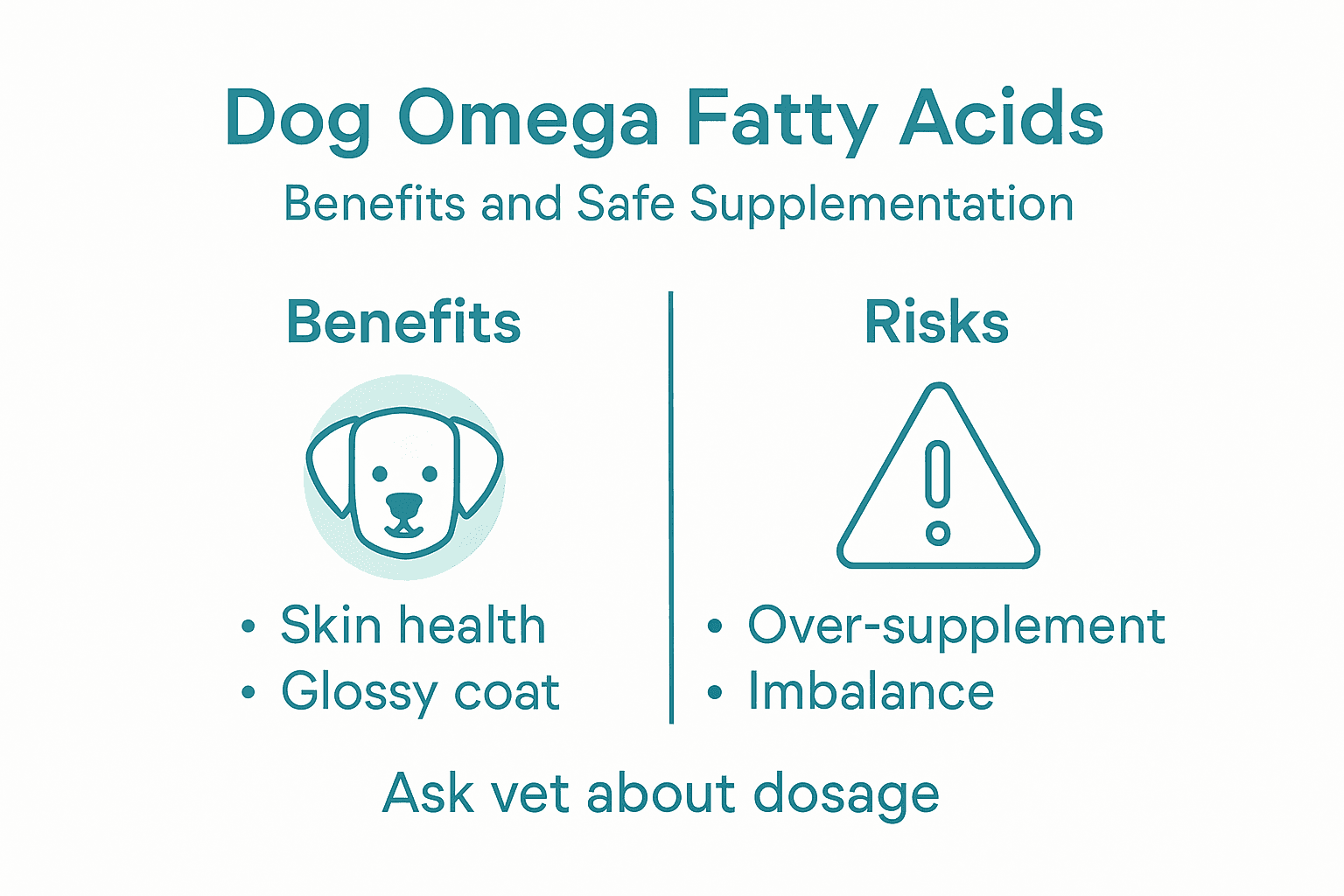
Imbalanced omega fatty acid intake can lead to significant health complications. Excessive omega-3 supplementation may potentially cause platelet dysfunction, immune system suppression, and altered metabolic responses. Veterinary nutritionists recommend maintaining an appropriate omega-6 to omega-3 ratio, typically between 5:1 and 10:1, to support natural inflammatory responses and prevent potential adverse effects. Dogs with pre-existing health conditions, such as blood clotting disorders or compromised immune systems, require particularly careful monitoring.
Dosing recommendations vary based on the dog’s size, age, breed, and specific health requirements. Generally, veterinarians suggest approximately 20-55 mg of combined EPA and DHA per kilogram of body weight daily. However, individual variations exist, and factors such as existing health conditions, diet composition, and specific nutritional needs can significantly impact the appropriate supplementation strategy. Professional guidance becomes crucial in determining the precise omega fatty acid requirements for each individual dog.
Pro tip: Always consult with a veterinary professional before starting any omega fatty acid supplementation to ensure safe and tailored nutritional support.
Enhance Your Dog’s Skin Health with Natural Omega-Rich Nutrition
Struggling to support your dog’s skin and coat health naturally Be sure to explore our range of Dry Dog Food | Grain-Free & Science-Backed Kibble – Ultimate Pet Foods specially formulated to include natural sources of omega fatty acids like salmon and sardines that help reduce inflammation and promote a shiny, healthy coat
Give your dog the nutrition they deserve with recipes crafted for optimal omega balance and grain-free purity Discover how targeted nutrition can alleviate skin conditions and enhance overall wellness Explore our full range at Ultimate Pet Foods and start transforming your dog’s health today Remember to consult our educational blog for feeding tips so you can tailor your dog’s diet perfectly and see real improvements now
Frequently Asked Questions
What are omega fatty acids, and why are they important for dogs?
Omega fatty acids are essential nutrients that support various aspects of canine health, including skin and coat wellness. Dogs cannot produce these acids naturally, so they must obtain them through their diet to maintain overall physiological functions.
What is the difference between omega-3 and omega-6 fatty acids for dogs?
Omega-3 fatty acids are anti-inflammatory and beneficial for skin, brain function, and immune health, while omega-6 fatty acids, though important for cellular functions, can be pro-inflammatory and must be consumed in balance with omega-3s to maintain optimal health.
How can I include omega fatty acids in my dog’s diet?
You can include omega fatty acids by choosing dog foods that contain natural sources such as cold-water fish (like salmon and sardines), flaxseed, or algal oil. Additionally, consider using supplements specifically designed for dogs if recommended by a veterinarian.
What are the risks of excessive omega fatty acid supplementation in dogs?
Excessive omega-3 supplementation can lead to health issues such as platelet dysfunction and immune suppression. It is crucial to maintain a proper ratio of omega-6 to omega-3, typically between 5:1 and 10:1, to support healthy physiological functions.
Recommended
- 7 Natural Dog Food Tips for a Shiny, Healthy Coat
- Understanding Dog Food for Skin Issues – Ultimate Pet Foods
- 7 Ways Natural Dog Food Helps Skin Problems
- Skin and Coat Dog Food: Transforming Canine Health
- Τι Είναι Skin Soothing: Ολοκληρωμένος Οδηγός | B Woman
- Para que es el omega 3: Comprendiendo sus beneficios


