
Working dog grain free food: the complete UK guide
TL;DR:
- Most active dogs can safely eat well-formulated grain-free kibble with named meat, high protein, and added prebiotics. For dogs with sensitivities or specific needs, hydrolysed formulas offer a safer alternative, and portion adjustments should be based on body condition and activity level. Proper formulation and gradual transition are essential for maintaining health and performance during demanding training or work seasons.
For most active and working dogs, the right grain-free food is a high-protein, complete kibble made with a named meat or fish source, moderate-to-high fat content, and added MOS and FOS prebiotics to support gut health through demanding training seasons. That is the short answer. The longer one depends on your dog’s workload, any sensitivities they carry, and whether a standard grain-free formula or a hydrolysed option is the better fit.
Here is what to look for when choosing:
- High protein and controlled calorie density. Working dogs need at least 25% protein (dry matter) and enough kcal per 100g to sustain output without overfeeding volume. For dogs with confirmed grain sensitivity or protein-triggered reactions, a hydrolysed formula removes the guesswork entirely.
- Complete and balanced formulation with named ingredients. A complete kibble that lists freshly prepared chicken, salmon, or another named meat as the primary ingredient tells you exactly what your dog is eating. Ultimatepetfoods recipes are gently cooked at 82°C to lock in freshness and nutrients, include MOS and FOS prebiotics, and are formulated for everyday, lifelong feeding rather than short-term fixes.
Table of Contents
- Is grain-free food safe for working dogs? What UK owners need to know
- What do working dogs actually need from their food?
- How to choose a grain-free kibble for a working dog
- Which Ultimatepetfoods grain-free products suit working dogs?
- How to transition your working dog to a grain-free kibble
- When should you consult your vet about your dog’s diet?
- Key takeaways
- A note from Glenn on grain-free feeding for working dogs
- Ultimatepetfoods grain-free kibble for working dogs
- Useful sources
- FAQ
Is grain-free food safe for working dogs? What UK owners need to know
The honest answer is: for most dogs, yes, when the formula is well-constructed. There is currently no proven causal link between grain-free labelling and dilated cardiomyopathy (DCM), though veterinarians rightly advise individual assessment rather than blanket reassurance.
Grain-free diets are genuinely appropriate when a vet has diagnosed a grain intolerance, when a dog shows protein-triggered skin or digestive reactions, or when better post-prandial glucose control is a clinical goal. The decision should rest on formulation quality and safety standards, not on the grain-free label alone. A poorly formulated grain-free kibble is no better than a poorly formulated standard one.
The ingredient detail that does warrant attention is legume concentration. Early DCM-linked research identified metabolite differences in diets with high concentrations of peas and lentils; causation remains unproven, but choosing a formula where named meat sits firmly at the top of the ingredient list, with legumes as a secondary carbohydrate source rather than a filler, is a sensible precaution.
Red flags to monitor in any working dog on a new diet:
- Breathlessness or rapid tiring during familiar exercise
- Sudden exercise intolerance or reluctance to work
- Persistent lethargy between sessions
- Abdominal bloating or marked changes in stool consistency
Pro Tip: Ask your vet to check taurine levels and run a cardiac screen if your dog is a breed with known DCM predisposition (Dobermann, Boxer, Cocker Spaniel) before switching to any grain-free diet. Bring your dog’s current food packaging and a three-day feeding diary to the appointment.
One clear benefit from controlled research: a PubMed trial with working Labradors found that grain-free, high-protein diets produced 10% higher apparent protein digestibility and 33% less faecal bulk compared with high-grain diets. For kennelled or field-working dogs, that reduction in faecal volume is a practical advantage, not just a nutritional footnote.
What do working dogs actually need from their food?
Energy demand in working dogs varies enormously, from a spaniel doing two hours of flushing to a sled dog covering 100 miles. The macronutrient targets shift accordingly.
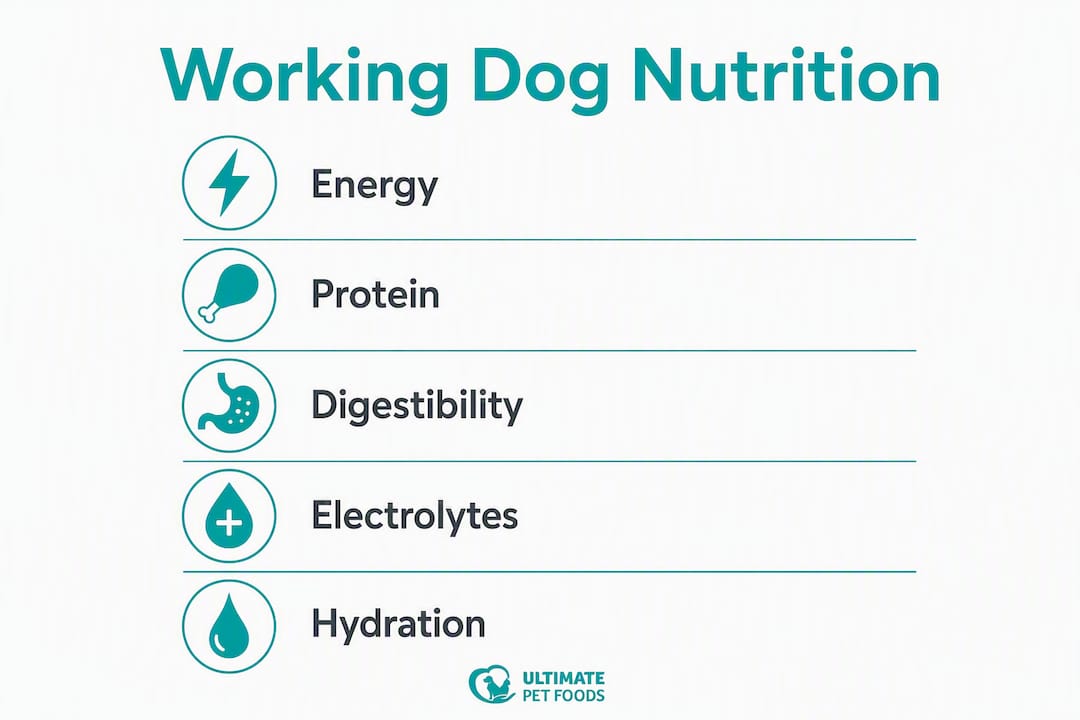
Protein drives muscle repair and prevents training-induced anaemia. According to Royal Canin Academy’s veterinary nutrition guidance, dogs in high-intensity and short-duration moderate-intensity roles need 24–28% protein (dry matter) from high-quality sources, while those in long-duration or low-intensity roles benefit from above 30% protein (DM). Fat is the primary fuel for sustained, lower-intensity endurance work; digestible carbohydrates matter more for high-intensity glycogen-dependent activity, where replenishing stores after exercise supports next-day performance.

Digestibility is the underrated variable. A dry matter digestibility above 80% means your dog extracts more nutrition from less food, producing less waste and placing less digestive burden during hard work periods. Higher digestibility also means you can feed slightly smaller portions without compromising energy supply, which is useful for dogs that work better on a lighter stomach.
Electrolytes and hydration deserve a mention too. Fresh water should be available before, during, and after exercise wherever possible. Micronutrients, particularly B vitamins and trace minerals, are often adequate in a complete commercial kibble but can fall short in home-prepared or heavily supplemented diets.
| Activity class | Protein % (DM) | Fat % (DM) | Approx. kcal per 100g kibble |
|---|---|---|---|
| High intensity (sprint/gundog) | 24–28% | 15–25% | — |
| Moderate intensity (patrol/agility) | 24–28% | — | — |
| Low intensity (light work/pet-level) | 24–28% | 10–15% | — |
Figures are guideline ranges based on veterinary nutrition literature. Always calibrate to your dog’s Body Condition Score.
How to choose a grain-free kibble for a working dog
Label reading is a skill worth developing. Here is what to check in order:
- Complete and balanced statement. The label must state the food is complete and balanced for the relevant life stage. This is the non-negotiable baseline.
- Named meat or fish source as the first ingredient. “Chicken,” “salmon,” or “freshly prepared turkey” tells you what you are buying. “Meat and animal derivatives” does not.
- Guaranteed analysis. Check protein %, fat %, crude fibre, and moisture. Cross-reference with the kcal per 100g figure (usually on the back panel or brand website).
- Protein percentage relative to workload. Match the protein and fat levels to the activity table above.
- Calorie density versus portion size. A higher kcal-per-100g kibble means smaller portions for the same energy, which suits dogs working on a light stomach.
- MOS and FOS prebiotics. These support gut microbiome balance, which matters during the physiological stress of heavy training.
- Taurine or named amino acid precursors. Particularly relevant for breeds with DCM predisposition.
Red flags to avoid:
- “Meat meal” or “animal derivatives” as the sole protein description
- Peas or lentils listed in the first three ingredients with no named meat above them
- No feeding trial reference or complete-and-balanced statement
- Missing or vague guaranteed analysis
- No kcal per 100g figure anywhere on the packaging or website
Where a dog has a confirmed food sensitivity, an elimination diet using a hydrolysed formula removes intact proteins that trigger reactions. The Ultimate+ Functional Health range from Ultimatepetfoods is designed for exactly this: targeted, everyday support for dogs with digestive, skin, or other specific needs, without requiring a prescription. You can also explore top protein sources for dogs to understand ingredient quality before you buy.
Which Ultimatepetfoods grain-free products suit working dogs?
Ultimatepetfoods offers grain-free kibble options that cover the full spectrum of working-dog needs, from high-intensity field dogs to those with complex sensitivities.
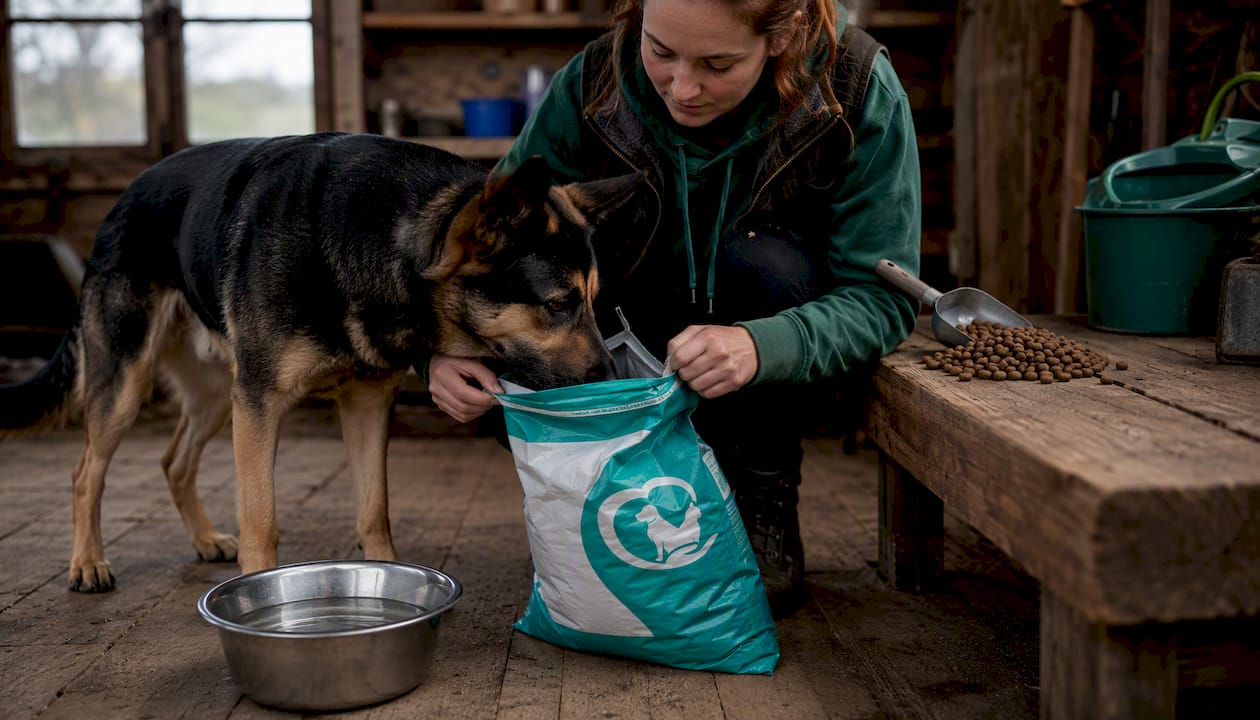
Ultimate Superfoods 80 is the high-protein flagship. With 80% freshly prepared chicken as the named meat source, it delivers the protein density and calorie profile that gundogs, working spaniels, and other high-output breeds need during active seasons. The recipe uses human-grade ingredients, gently cooked at 82°C, and includes MOS and FOS prebiotics for gut support. It is complete and balanced for daily feeding across all life stages. View the Ultimate Superfoods 80 product page for full guaranteed analysis and pack sizes.
Ultimate+ Digestive Care (Hydrolysed) suits working dogs with confirmed food sensitivities or those undergoing an elimination trial. Hydrolysed proteins are broken into fragments too small to trigger an immune response, making this the clinically preferred option when protein-triggered reactions are suspected. Clinicians recommend hydrolysed formulas for elimination trials precisely because they reduce cross-reactivity risk.
Ultimate+ Skin & Coat Care addresses working dogs that show coat dullness, itching, or skin irritation alongside their activity demands. It supports the skin barrier from within, using targeted nutrients alongside the brand’s standard complete-and-balanced formulation.
| Product | Best for | Protein source | Special formulation | Pack sizes |
|---|---|---|---|---|
| Ultimate Superfoods 80 | High-intensity gundogs, active working breeds | 80% freshly prepared chicken | MOS/FOS prebiotics, 82°C gentle cooking | Multiple sizes; check website |
| Ultimate+ Digestive Care (Hydrolysed) | Elimination diets, protein-sensitive dogs | Hydrolysed protein | Reduced cross-reactivity, targeted gut support | Multiple sizes; check website |
| Ultimate+ Skin & Coat Care | Working dogs with skin/coat concerns | Named meat source | Targeted skin-barrier nutrients, MOS/FOS | Multiple sizes; check website |
- Sample packs are available for all key recipes, letting you trial a formula before committing to a full bag.
- Subscription options are available for UK buyers, useful for kennels or owners managing consistent seasonal feeding.
- All products ship across the UK; full pack sizes and current pricing are listed on the working dog nutrition page.
How to transition your working dog to a grain-free kibble
A rushed diet switch is one of the most common causes of digestive upset in working dogs. A gradual transition over 10–14 days gives the gut microbiome time to adjust.
- Days 1–3: Replace 25% of the current food with the new grain-free kibble.
- Days 4–6: Move to a 50/50 split.
- Days 7–9: Increase to 75% new food, 25% old.
- Days 10–14: Complete the switch to 100% new formula.
If loose stools or reduced appetite appear at any stage, hold at that ratio for an extra two to three days before progressing. Slow is always better than fast here.
Feeding by workload, not just weight:
| Dog weight | Activity level | Approx. daily portion |
|---|---|---|
| — | High intensity | — |
| — | Moderate | — |
| — | Light/rest day | — |
Always calibrate to your dog’s Body Condition Score rather than fixed bag-label amounts. BCS is the most reliable, repeatable metric for managing feed across seasons.
Monitoring checklist during and after transition:
- Stool consistency (aim for firm, well-formed stools within 7–10 days)
- Energy levels and willingness to work
- Coat condition and skin appearance
- Appetite and interest in food
- Body weight and BCS every two weeks
During peak season, high-intensity dogs may need a 10–15% calorie increase. In the off-season, reduce portions proportionally and reassess BCS monthly. For endurance events lasting multiple days, a small carbohydrate boost within 30 minutes of finishing exercise can help replenish glycogen stores more quickly, per Royal Canin Academy’s veterinary guidance.
Pro Tip: Use our grain-free feeding guide for a printable transition tracker you can keep at the kennel.
When should you consult your vet about your dog’s diet?
Some signs need professional attention rather than a feeding adjustment. Seek veterinary review promptly if your dog shows any of the following:
- Exercise intolerance or collapse during familiar activity
- Persistent vomiting or diarrhoea lasting more than 48 hours
- Marked lethargy that does not resolve with rest
- Abdominal distension or signs of discomfort after eating
- Rapid weight loss despite adequate food intake
What a vet will typically do:
- Take a full dietary history, including brand, formula, portion size, and any supplements.
- Conduct a physical examination, including body weight and BCS assessment.
- Order blood work if nutritional deficiency or organ involvement is suspected.
- Arrange cardiac screening (echocardiogram) if DCM risk factors are present.
- Recommend an elimination trial using a hydrolysed formula if a food allergy is suspected.
Food allergies in dogs are more commonly triggered by proteins such as beef, dairy, and chicken more often than by grains. Food allergies in dogs are more often triggered by beef (34%), dairy (17%), and chicken (15%), while wheat accounts for a smaller share (13%) of reported cases. This matters because switching to a grain-free food will not resolve a reaction to chicken if chicken remains in the new formula.
When to ask for a veterinary nutritionist referral: if your dog has a complex history (multiple allergies, cardiac concerns, or performance-related weight issues), a specialist can build a precise feeding plan. Bring your dog’s full diet history for the past six months, BCS records, and an activity log covering training frequency and intensity.
Key takeaways
For working dogs, grain-free kibble with a named meat source, at least 25% protein (DM), and added MOS/FOS prebiotics is the most practical starting point, with hydrolysed options reserved for confirmed sensitivities.
| Point | Details |
|---|---|
| Grain-free safety | No proven causal link to DCM exists, but choose formulas low in high-legume concentrates and monitor for cardiac red flags. |
| Protein targets | High-intensity dogs need 24–28% protein (DM); long-duration or low-intensity workers benefit from above 30% (DM). |
| BCS over bag labels | Calibrate portions to Body Condition Score and adjust by training season, not fixed feeding tables. |
| Hydrolysed for sensitivities | Use a hydrolysed formula for elimination trials or confirmed protein-triggered reactions to reduce cross-reactivity risk. |
| Ultimatepetfoods | Ultimate Superfoods 80 and the Ultimate+ Functional Health range offer complete, gently cooked grain-free options for working dogs at every activity level. |
A note from Glenn on grain-free feeding for working dogs
The conversation around grain-free diets has generated more heat than light over the past few years, and I think that has left a lot of working-dog owners genuinely confused about what to do. The evidence, read carefully, tells a more measured story: grain-free is not a magic bullet, but it is also not the danger some headlines implied. The real question has always been about formulation quality, not the grain-free label itself.
What I find most compelling about the research is the digestibility data. A controlled trial with working Labradors showed 33% less faecal bulk and 10% higher protein digestibility on a grain-free, high-protein diet. For anyone managing a working dog through a demanding season, that is a meaningful practical difference. Less waste, better nutrient uptake, and a dog that is not carrying unnecessary digestive load into a day’s work.
The brands and formulas that earn trust are the ones that lead with named meat sources, publish their guaranteed analysis openly, and invest in cooking methods that preserve nutritional integrity. Ultimatepetfoods’ approach of gently cooking at 82°C with freshly prepared meat and fish, and including MOS and FOS prebiotics, reflects exactly the kind of formulation thinking that matters here. If your dog has a complex history or you are seeing signs that worry you, please do speak to your vet. A good diet and good veterinary care are not alternatives to each other.
Ultimatepetfoods grain-free kibble for working dogs
Working dogs deserve food that keeps pace with their output, and Ultimatepetfoods has built its grain-free range around exactly that. Every recipe uses freshly prepared meat or fish, gently cooked at 82°C to lock in nutrients, with MOS and FOS prebiotics included as standard to support gut health through the demands of training and competition.
For high-intensity working breeds, Ultimate Superfoods 80 delivers 80% freshly prepared chicken in a complete, balanced kibble designed for daily feeding. For dogs with sensitivities or undergoing an elimination trial, the Ultimate+ Functional Health range offers hydrolysed options including Digestive Care, Skin & Coat Care, Weight Control & Joint Care, Dental Care, and Healthy Living, all without a prescription. Sample packs let you try before you commit, and subscription delivery keeps your kennel stocked without the hassle. Browse the full range and find the right fit for your dog’s workload today.
Useful sources
| Source | Why it is useful |
|---|---|
| Grain-free diets for utility dogs (PubMed) | Controlled trial data on digestibility, faecal output, and feed requirements in working Labradors on grain-free diets. |
| Grain-free diets and pet health (Improve International) | Clinical summary of DCM evidence, legume concerns, and formulation guidance from veterinary practitioners. |
| Practical nutrition for working dogs (Royal Canin Academy) | Veterinary-level macronutrient targets, BCS guidance, and energy-source recommendations by activity class. |
| Food allergies in dogs (Veterinary Skin & Ear) | Protein-trigger frequency data and guidance on elimination trials for allergic dogs. |
| How to feed an active working dog (Vet Help Direct) | Practical BCS-based feeding advice and seasonal adjustment guidance for working-dog owners. |
| Grain-free dog food overview (Vetstreet) | Balanced overview of when grain-free is and is not appropriate, with current veterinary consensus. |
| Working dog nutrition guide (Ultimatepetfoods) | Brand resource covering energy matching, grain-free suitability, and product guidance for active breeds. |
| Hydrolysed dog food for sensitive stomachs (Ultimatepetfoods) | Product page for the Ultimate+ Digestive Care hydrolysed formula, relevant for elimination diets and sensitive dogs. |
FAQ
Is grain-free food good for working dogs?
Yes, for most working dogs a well-formulated grain-free kibble with a named meat source, at least 25% protein (DM), and added prebiotics supports performance and digestibility. A controlled trial with working Labradors found 10% higher protein digestibility and 33% less faecal bulk on grain-free, high-protein diets compared with high-grain alternatives.
Why do vets sometimes advise caution with grain-free dog food?
Early research identified metabolite differences in some grain-free diets high in peas and lentils that were associated with DCM cases, though no causal link has been proven. Vets recommend individual assessment, particularly for breeds with known cardiac predisposition, and choosing formulas where named meat is the primary ingredient rather than legumes.
What is the best food for working dogs?
A complete, high-protein grain-free kibble made with freshly prepared named meat, moderate-to-high fat, and added MOS and FOS prebiotics covers the needs of most working breeds. Ultimatepetfoods’ Ultimate Superfoods 80 is formulated specifically for this profile, with 80% freshly prepared chicken, gently cooked at 82°C, and suitable for daily lifelong feeding.
Can I feed my non-working dog a working dog formula?
You can, but monitor Body Condition Score closely. Working-dog formulas tend to be calorie-dense; a less active dog fed the same portions may gain weight. Reduce portions to match actual energy output and reassess BCS every two weeks.
When should I use a hydrolysed formula instead of standard grain-free?
Use a hydrolysed formula when your dog has a confirmed food sensitivity, is undergoing an elimination trial, or shows persistent digestive or skin reactions that standard grain-free has not resolved. The Ultimate+ Digestive Care formula from Ultimatepetfoods uses hydrolysed proteins to minimise cross-reactivity, and no prescription is required.