
Optimise dog nutrition for small breeds with grain-free
Many owners worry grain-free diets harm small dogs’ hearts, but recent studies found no increased DCM risk in small breeds on balanced grain-free diets over 2 years. Small breed dogs need specific, tailored nutrition that matches their unique metabolisms and physical characteristics. This guide helps UK owners confidently choose and manage premium grain-free diets that support their small dogs’ health, energy, and longevity.
Table of Contents
- Understanding The Unique Nutritional Needs Of Small Breed Dogs
- Why Choose Grain-Free Diets For Small Breed Dogs?
- Managing Food Sensitivities And Allergies In Small Breeds
- Special Dietary Considerations: Dental Health And Coat Support
- Comparing Premium Grain-Free Dog Food Options For Small Breeds In The UK
Key takeaways
| Point | Details |
|---|---|
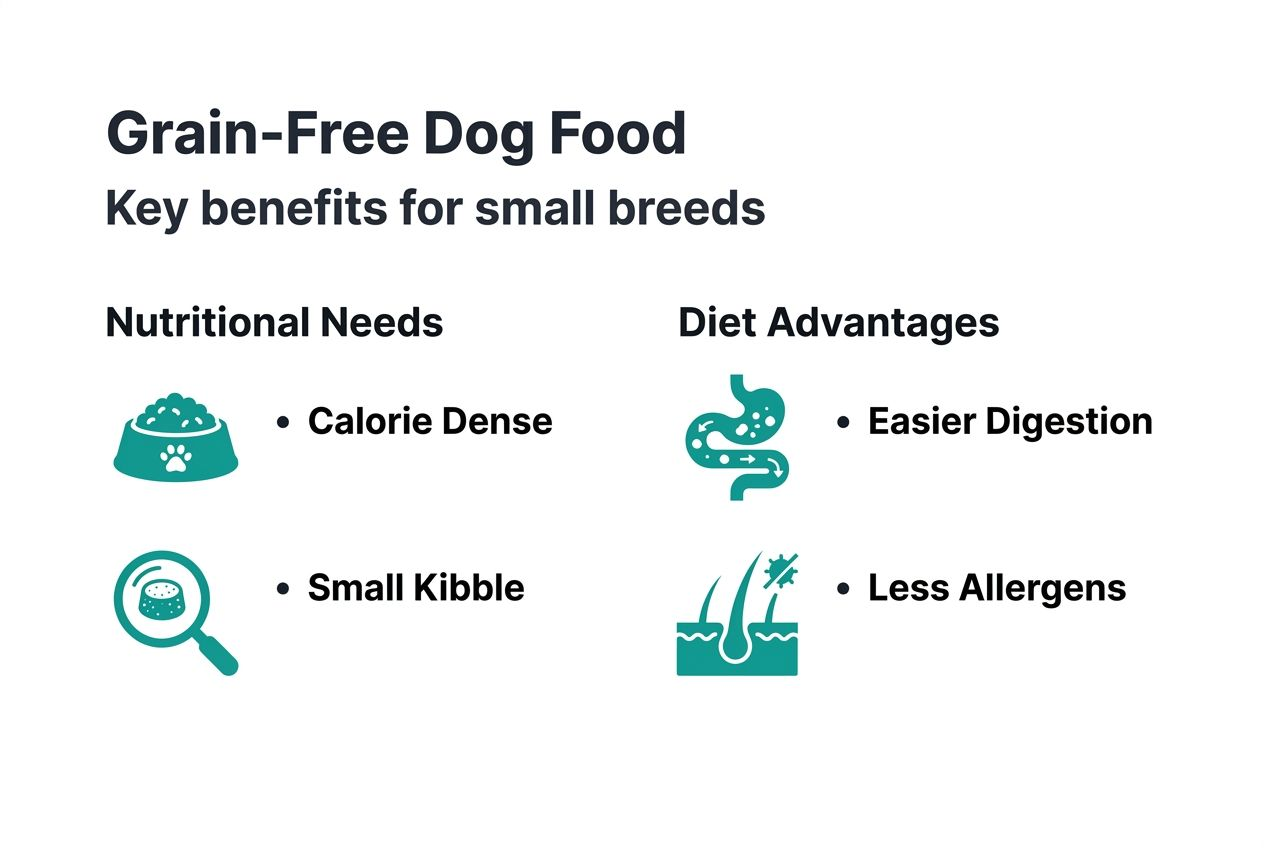
| Metabolic differences | Small breeds require calorie-dense, small kibble diets tailored to their faster metabolism. |
| Allergy reduction | Grain-free diets reduce allergic reactions and support digestive health in sensitive small breeds. |
| Targeted health support | Specific nutrients and kibble design improve dental health and coat quality. |
| Heart health safety | Properly balanced grain-free diets pose no increased heart disease risk. |
| Personalised feeding | Custom feeding plans optimise health outcomes and overall wellbeing. |
Understanding the unique nutritional needs of small breed dogs
Your Chihuahua or Yorkshire Terrier isn’t just a miniature version of a Labrador. Small breed dogs possess fundamentally different metabolisms that demand specialised nutrition. Small breeds require up to 35% more calories per pound of body weight than their larger counterparts to fuel their faster metabolic rates.
This metabolic intensity means small dogs burn energy rapidly and need calorie-dense foods to maintain healthy weight and vitality. Standard large-breed formulas simply won’t deliver enough energy per bite for your pocket-sized companion. Small breeds also face unique health vulnerabilities including dental disease, hypoglycaemia, and joint problems that proper nutrition can prevent or manage.
Kibble size matters tremendously for small mouths and throats. Oversized pieces cause choking risks and discourage eating, leading to nutritional gaps. Small-breed formulas feature appropriately sized kibble that encourages chewing, supports dental cleaning, and aids proper digestion.
Key nutritional considerations for small breeds include:
- Energy density delivering 400+ kcal per cup for sustained vitality
- High-quality protein sources supporting lean muscle mass
- Smaller kibble dimensions matching jaw size and bite force
- Joint-supporting nutrients like glucosamine for active lifestyles
- Dental-friendly textures reducing plaque and tartar buildup
Tailoring your dog’s diet to these specific size-related needs optimises energy levels, maintains healthy weight, and prevents common small-breed health issues. For expert tips for small dogs, understanding these fundamentals guides smarter feeding decisions.
Why choose grain-free diets for small breed dogs?
Grain-free nutrition offers distinct advantages for small breeds prone to food sensitivities. Many small dogs struggle with grain-based ingredients that trigger allergic reactions, digestive discomfort, and skin problems. Removing grains eliminates common allergens whilst maintaining complete, balanced nutrition.

Clinical research demonstrates that 74% of small dogs with diagnosed sensitivities show marked improvement when switched to properly formulated grain-free diets. These improvements include reduced skin irritation, fewer digestive upsets, and better nutrient absorption. The high digestibility of grain-free formulas means your small dog extracts maximum nutrition from smaller portions.
Grain-free doesn’t mean carbohydrate-free. Premium grain-free foods substitute grains with nutrient-dense alternatives like sweet potato, chickpeas, and lentils that provide sustained energy without triggering sensitivities. These ingredients deliver complex carbohydrates, fibre, and essential vitamins whilst being gentler on sensitive digestive systems.
Key benefits of grain-free diets for small breeds:
- Reduced allergic reactions including itching and inflammation
- Improved digestive comfort and stool quality
- Enhanced nutrient absorption from highly digestible ingredients
- Better weight management through controlled carbohydrate sources
- Increased energy levels from quality protein and fat sources
74% of sensitive small dogs improve on grain-free diets within 8 weeks of switching
Proper formulation remains essential. Not all grain-free foods meet small breed nutritional requirements, so choosing veterinary-approved options ensures your dog receives complete, balanced nutrition. The benefits of grain-free diets extend beyond allergy management to support overall health and vitality.
Managing food sensitivities and allergies in small breeds
Recognising food sensitivity symptoms helps you address problems before they become chronic. Small breeds frequently display sensitivities through persistent itchy skin, particularly around paws, ears, and face. You might notice excessive scratching, red inflamed skin, or hair loss in affected areas.
Digestive symptoms include recurring soft stools, intermittent vomiting, or excessive gas. Chronic ear infections that resist treatment often signal food sensitivities rather than simple bacterial problems. These symptoms can appear individually or together, creating significant discomfort for your dog.
Grain-free elimination diets systematically identify problem ingredients:
- Transition to a simple grain-free formula with novel protein sources your dog hasn’t eaten previously
- Feed this limited ingredient diet exclusively for 8 to 12 weeks, allowing symptoms to resolve
- Gradually reintroduce one ingredient at a time, monitoring for symptom recurrence
- Document reactions to identify specific allergens requiring permanent avoidance
- Work with your veterinarian throughout the process for proper diagnosis and guidance
Veterinary support proves essential for accurate diagnosis. What appears as food sensitivity might actually indicate parasites, infections, or other health conditions requiring different treatment. Your vet can perform allergy testing and ensure the elimination diet provides complete nutrition during the trial period.
Pro Tip: Keep a daily symptom diary noting your dog’s skin condition, stool quality, energy levels, and any unusual behaviours during elimination trials. This documentation helps identify patterns your vet needs for accurate diagnosis.
Early dietary adjustments prevent sensitivities from developing into chronic inflammatory conditions affecting quality of life. Addressing food sensitivities promptly reduces veterinary costs and keeps your small dog comfortable and healthy.
Special dietary considerations: dental health and coat support
Small breeds face disproportionately high dental disease rates, with over 80% showing signs by age three. Their tiny mouths create tooth crowding that traps food particles and encourages plaque buildup. Without intervention, this leads to painful gum disease, tooth loss, and systemic health problems.
Kibble texture and size directly impact dental health. Premium grain-free formulas designed for small breeds feature kibble that encourages chewing rather than swallowing whole. The mechanical action of crunching properly textured kibble scrapes away plaque before it hardens into tartar. Avoid mushy or overly small kibble that provides no dental benefit.
Coat quality reflects internal health and nutritional status. Small breeds with luxurious coats like Maltese and Shih Tzus need specific nutrients to maintain shine and prevent skin problems. Omega-3 fatty acids from fish oils reduce inflammation, support skin barrier function, and promote glossy coats. Antioxidants including vitamin E protect skin cells from oxidative damage.
Nutritional strategies supporting dental and coat health:
- Appropriately sized, textured kibble promoting effective chewing
- Omega-3 fatty acids at 0.3% minimum for skin and coat condition
- Antioxidant-rich ingredients like blueberries and spinach
- High-quality protein providing amino acids for hair growth
- Zinc and biotin supporting skin cell turnover
Pro Tip: Supplement kibble with occasional raw carrots or apple slices as natural dental cleaners. The fibrous texture mechanically removes debris whilst providing vitamins and satisfying your dog’s chewing instinct.
Nutrition complements but doesn’t replace proper dental hygiene. Regular tooth brushing, dental chews, and veterinary cleanings work alongside diet to maintain oral health. For coat support, omega fatty acids for dogs provides detailed guidance on therapeutic dosing. Following dental health tips ensures comprehensive preventative care.
Comparing premium grain-free dog food options for small breeds in the UK
Navigating grain-free options requires understanding what distinguishes premium formulas from budget alternatives. Quality ingredients, manufacturing standards, and nutritional completeness vary dramatically across brands. This comparison helps you evaluate options available to UK small breed owners.
| Feature | Ultimate Pet Foods | Competitor A | Competitor B |
|---|---|---|---|
| Kibble size | Extra small, breed-specific | Standard small | Medium (too large) |
| Primary protein | Fresh British meat 50%+ | Meat meal 28% | Mixed meals 25% |
| Digestibility | 89% apparent digestibility | 78% digestibility | 72% digestibility |
| Additives | Natural preservatives only | Synthetic antioxidants | Artificial colours/flavours |
| Allergen transparency | Full ingredient traceability | Limited transparency | Generic descriptions |
| Veterinary endorsement | Nutritionist-formulated | No endorsement listed | Marketing claims only |
| Price per kg | Premium £8-10 | Mid-range £6-8 | Budget £4-6 |
Premium grain-free options prioritise fresh, named meat sources rather than generic meals or by-products. Ultimate Pet Foods uses British-sourced fresh meat as the primary ingredient, delivering superior protein quality and palatability. Lower-quality brands rely heavily on rendered meat meals with unclear sourcing.
Digestibility directly impacts how much nutrition your dog actually absorbs. Higher digestibility means smaller feeding portions, less waste, and better nutrient utilisation. Premium formulas achieve 85%+ digestibility through careful ingredient selection and gentle processing methods.
Transparency matters for managing allergies and sensitivities. Premium brands provide complete ingredient traceability, allowing you to verify protein sources and avoid known triggers. Budget brands often use vague terms like