
How to prevent common dog food issues at home
TL;DR:
- Most dog food problems, such as allergies, digestion issues, and contamination, can be prevented with consistent feeding practices and careful food selection. Choosing food with transparent, verifiable ingredients and following proper transition and hygiene routines is essential for maintaining your dog’s health. Using evidence-based formulas like hydrolysed protein diets and practicing early symptom detection can effectively manage and avoid common dietary issues.
Most dog food problems, including allergies, digestive upset, and contamination, are preventable through consistent feeding practices and careful food selection. The term “dog food problems” covers a wide range of issues: nutritional imbalance, ingredient intolerances, bacterial contamination, and poor-quality formulations that fail to meet your dog’s daily needs. Every wag, bounce, and cuddle starts with great gut health, and that health depends on what goes into the bowl. At Ultimatepetfoods, we believe that to prevent common dog food issues, you need three things working together: quality ingredients, proper hygiene, and a consistent routine. Our freshly prepared, gently cooked kibble, made with human-grade meat or fish at 82°C and enriched with prebiotics MOS and FOS, is built around exactly that principle.
How to prevent common dog food issues through smart label reading
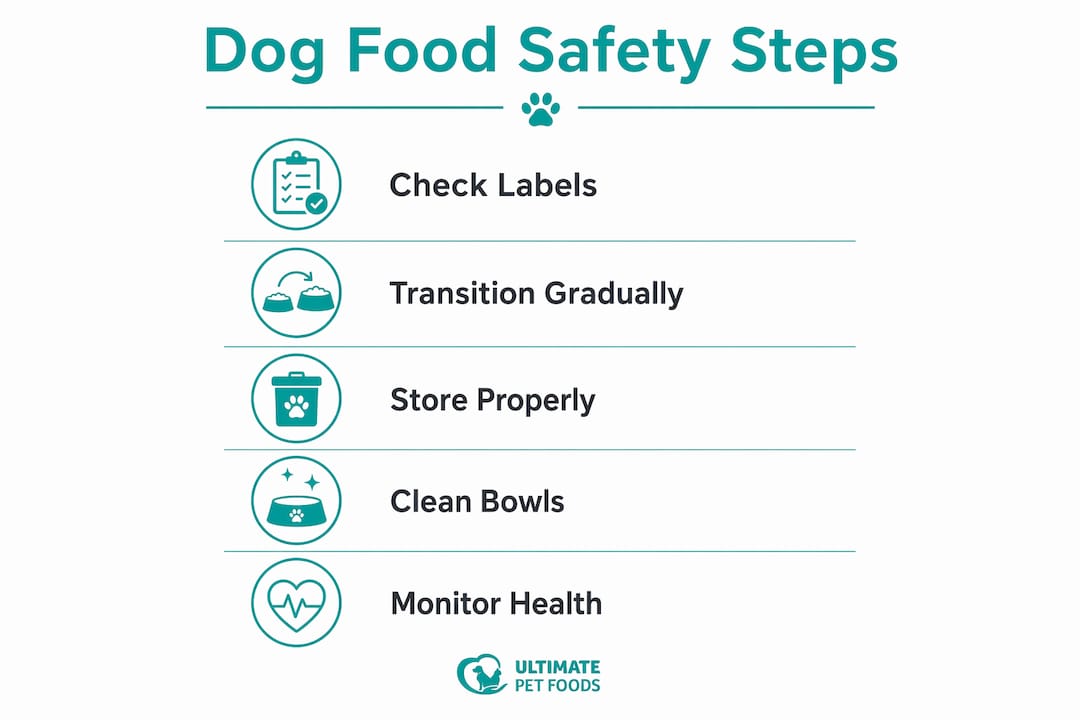
The single most reliable way to avoid dog food problems is to choose food with transparent, verifiable ingredients. A quality dog food label should show a named animal protein as the first ingredient, AAFCO feeding-trial substantiation, and clear manufacturer contact details. That 30-second label scan tells you more about a product’s trustworthiness than any marketing claim on the front of the bag.
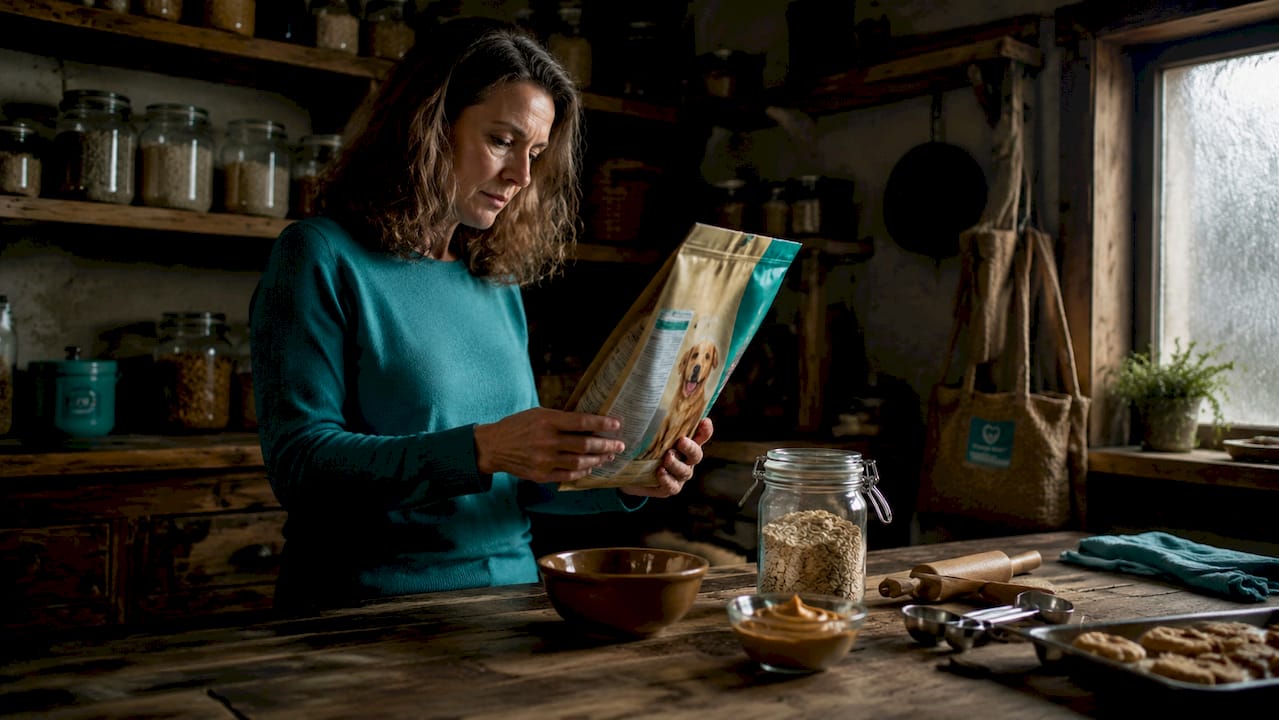
Beyond the first ingredient, look at the top five collectively. Moisture content skews ingredient weight placement on labels, so assessing top ingredients on a dry matter basis gives you a truer picture of actual protein density. A food that lists “fresh chicken” first but follows it with four carbohydrate sources may contain far less protein than it appears.
Ingredient traceability is another marker of quality that most owners overlook. The best manufacturers publish supplier names, farm locations, and batch numbers, going well beyond regulatory requirements. Ultimatepetfoods uses freshly prepared meat and fish, gently cooked at 82°C to lock in nutrients, with full ingredient transparency so you know exactly what your dog is eating every day.
What the WSAVA guidelines say about dog food selection
The WSAVA Global Nutrition Guidelines are the gold standard for evaluating pet food manufacturers. They recommend prioritising brands that employ qualified veterinary nutritionists and conduct real feeding trials rather than relying on calculated nutrient profiles alone. Marketing language like “ancestral diet” or “biologically appropriate” carries no regulatory weight.
Grain-free diets are a common area of confusion. Avoiding grains without medical need is unnecessary and potentially counterproductive. Unless your dog has a diagnosed grain allergy, grain-free is not inherently healthier. If you want to understand the evidence behind grain-free feeding, the Ultimatepetfoods guide on grain-free diet benefits explains when it is genuinely appropriate and when it is simply a trend.
Pro Tip: Check whether the manufacturer lists a phone number or email address on the packaging. Brands confident in their ingredients welcome direct questions.
How do you transition your dog to new food safely?
A 7–10 day gradual transition is the standard recommendation for switching dog food without causing digestive upset. This period allows the gut microbiome to adjust to new protein sources, fibre types, and ingredient profiles. Skipping this step is one of the most common causes of preventable vomiting and diarrhoea in otherwise healthy dogs.
Follow this transition schedule to protect your dog’s digestive health:
- Days 1–2: Feed 75% old food and 25% new food.
- Days 3–4: Move to a 50/50 split.
- Days 5–6: Feed 25% old food and 75% new food.
- Days 7–10: Transition fully to the new food.
Watch for loose stools, reduced appetite, or excessive gas during each stage. These signs suggest the transition is moving too quickly. Slow it down by an extra two to three days at the previous ratio before progressing.
The most common mistakes owners make during transitions include switching abruptly after running out of old food, moving between very different formulas (for example, a high-grain kibble to a raw diet) without an extended adjustment period, and ignoring mild symptoms until they become serious. If digestive issues persist beyond 10 days, consult your vet before continuing.
Ultimatepetfoods provides detailed guidance on switching dog diets safely for owners moving to our complete grain-free range or the Ultimate+ Functional Health line.
Pro Tip: Keep a simple feeding diary during the transition. Note stool consistency, appetite, and energy levels daily. This record is genuinely useful if you need to speak to your vet.
What food safety practices prevent contamination at home?
Food safety at home is one of the most overlooked areas of dog nutrition. Validated cooking temperatures between 160–190°F eliminate pathogens such as Salmonella and Listeria in fresh dog food. Reputable manufacturers like Ultimatepetfoods use low-heat cooking within this range to protect your dog without destroying nutrients.
At home, your hygiene habits matter just as much as the manufacturing process. Follow these practices consistently:
- Thaw food in the fridge only. Room-temperature thawing allows bacteria to multiply rapidly on the outer layers of food while the centre remains frozen.
- Wash bowls after every meal. Dog bowls form biofilms that harbour bacteria. Rinsing is not enough. Use hot, soapy water and allow bowls to dry fully.
- Store dry kibble in a sealed container. Exposure to air and moisture degrades fats and vitamins and creates conditions for mould growth.
- Avoid cross-contamination. Use separate utensils for your dog’s food and keep preparation surfaces clean.
- Measure portions accurately. Scheduled meals with correct portions prevent overeating, reduce digestive stress, and support predictable bowel movements.
Proper storage and hygiene are critical and often overlooked factors in preventing dog food-related illness. Refrigerating thawing food and cleaning bowls thoroughly are two of the simplest, highest-impact habits you can build.
For more on keeping food fresh from bag to bowl, the Ultimatepetfoods guide on storing dog food safely covers every step in detail.
How do you recognise dog food-related health issues early?
Early detection of food-related health issues prevents minor intolerances from becoming chronic conditions. The most common signs that your dog’s food may be causing a problem include:
- Skin irritation or itching, particularly around the paws, ears, and belly
- Recurring ear infections with no identified environmental cause
- Vomiting or diarrhoea that occurs consistently after meals
- Excessive gas or bloating following feeding
- Reduced appetite or reluctance to eat a previously enjoyed food
- Dull coat or flaky skin, which can indicate a nutritional gap or intolerance
These symptoms overlap with environmental allergies, so veterinary diagnosis is the only reliable way to confirm a food-related cause. An elimination diet trial, conducted under veterinary supervision, typically runs for 8–12 weeks using a single novel protein source or a hydrolysed protein formula.
Hydrolysed protein diets are specifically designed to reduce the immune response that triggers food intolerances. The Ultimate+ Digestive Care formula from Ultimatepetfoods uses hydrolysed proteins tailored for everyday digestive support, making it a practical option for sensitive dogs that need long-term dietary management rather than a short-term fix.
Treats and human food scraps are a frequently underestimated trigger. Many owners manage their dog’s main diet carefully but introduce allergens through treats. Keep treats to no more than 10% of daily calorie intake and choose options with the same ingredient transparency you apply to main meals.
Pro Tip: Photograph your dog’s skin or coat condition weekly during a diet trial. Visual comparisons over 4–6 weeks reveal patterns that are easy to miss day to day.
Key takeaways
Preventing dog food problems requires consistent food quality, proper hygiene, and gradual diet management working together every day.
| Point | Details |
|---|---|
| Read labels carefully | Choose food with a named animal protein first, AAFCO feeding-trial substantiation, and clear manufacturer contact details. |
| Transition diets gradually | A 7–10 day phased switch prevents digestive upset by allowing the gut microbiome to adjust. |
| Practise strict food hygiene | Wash bowls with hot, soapy water after every meal and always thaw food in the fridge, not at room temperature. |
| Recognise symptoms early | Skin irritation, recurring ear infections, and digestive upset after meals are key signs of a food-related issue. |
| Choose functional support when needed | Hydrolysed protein diets like Ultimate+ Digestive Care offer targeted everyday support for sensitive dogs. |
What i have learned from years of watching dogs thrive and struggle
After years of working closely with dog nutrition, the pattern I see most often is this: owners invest in a genuinely good food, then undermine it with inconsistent habits. They buy quality kibble but store it in an open bag. They choose a hypoallergenic formula but give high-allergen treats. They switch foods abruptly when the bag runs out, then wonder why their dog has an upset stomach.
The dogs that do best are not necessarily eating the most expensive food. They are eating consistently, from clean bowls, with measured portions, and their owners notice changes early. That last point matters more than most people realise. A dog that develops a food intolerance at age three can live comfortably for another decade if the issue is caught and managed well. The same dog, left unmanaged, cycles through vomiting, skin flares, and vet visits that are stressful for everyone.
I am also sceptical of trend-based feeding. Raw diets, grain-free formulas, and novel protein rotations all have their place, but they are not universally better. What the WSAVA guidelines tell us, and what I have seen confirmed in practice, is that feeding-trial substantiation and veterinary nutritionist involvement matter far more than ingredient fashions. A complete, balanced kibble made with freshly prepared meat, gently cooked to preserve nutrients, and enriched with prebiotics like MOS and FOS, is a genuinely sound foundation for most dogs across every life stage.
The functional health ranges that have emerged in recent years, particularly hydrolysed protein formulas for digestive and skin support, represent real progress. They give owners a practical, evidence-based tool for managing common pet food issues without resorting to prescription diets or constant dietary experimentation.
— Glenn
How Ultimatepetfoods helps you get this right every day
At Ultimatepetfoods, we have built our entire range around the principles in this article. Every recipe starts with freshly prepared protein sources, gently cooked at 82°C using human-grade meat or fish to lock in freshness and nutrients. Added prebiotics MOS and FOS support gut health from the inside out, making our kibble gentle on the inside and strong on the outside.
Our complete, balanced recipes are suitable for all breeds and life stages, designed for everyday lifelong feeding rather than short-term fixes. For dogs with specific needs, the Ultimate+ Functional Health range offers targeted support across Digestive Care, Skin & Coat Care, Weight Control & Joint Care, Dental Care, and Healthy Living, all using hydrolysed proteins for maximum digestibility. Try our dog food sample box to find the right recipe for your dog, with no commitment and full ingredient transparency from the very first bowl.
FAQ
What are the most common dog food problems to watch for?
The most common dog food problems are food intolerances, digestive upset, nutritional imbalance, and bacterial contamination from poor storage or hygiene. Symptoms include skin irritation, vomiting, diarrhoea, and recurring ear infections.
How long should a dog food transition take?
A 7–10 day gradual transition is recommended, mixing old and new food in increasing ratios to allow the gut microbiome to adjust without causing digestive upset.
Is grain-free dog food better for sensitive stomachs?
Grain-free food is not inherently better unless your dog has a diagnosed grain allergy. Veterinary guidance and feeding-trial substantiated formulas are more reliable indicators of suitability than grain-free marketing claims.
How often should i wash my dog’s food bowl?
Wash your dog’s bowl with hot, soapy water after every single meal. Dog bowls form bacterial biofilms quickly, and rinsing alone is insufficient to prevent contamination.
What is a hydrolysed protein diet and when is it needed?
A hydrolysed protein diet uses proteins broken down into tiny fragments that are less likely to trigger an immune response. It is recommended for dogs with confirmed food intolerances or during elimination diet trials under veterinary supervision.