

Dog Training at Home: Achieve Calm, Obedient Companions

More than 30 percent of British dog owners now choose grain-free diets for their pets, reflecting a growing focus on nutrition and health. For those caring for dogs with sensitive stomachs and special dietary needs, finding reliable at-home training methods is just as important as picking the right food. This guide reveals practical, science-backed steps for creating a positive home environment where even the most food-sensitive companions can thrive and learn without unnecessary stress.
Table of Contents
- Step 1: Prepare a Positive Home Training Environment
- Step 2: Select Healthy Grain-Free Rewards Strategically
- Step 3: Establish Clear, Consistent Training Cues
- Step 4: Practise and Reinforce Desired Behaviours Daily
- Step 5: Assess Progress and Troubleshoot Common Issues
Quick Summary
| Key Insight | Explanation |
|---|---|
| 1. Create a Positive Learning Space | Designate a quiet area for training with minimal distractions to foster an enjoyable environment for your dog. |
| 2. Choose High-Quality Training Treats | Select small, soft, grain-free rewards that are nutritious and appealing to keep your dog motivated during sessions. |
| 3. Establish Consistent Cues | Use clear verbal and physical signals for commands, ensuring everyone uses the same signals to avoid confusion for your dog. |
| 4. Practice Regularly with Reinforcement | Integrate short training sessions throughout the day and use varied reinforcement strategies to strengthen learned behaviours. |
| 5. Assess and Adapt Training Progress | Evaluate your dog’s responses and adjust methods as needed, maintaining a calm tone to encourage a positive learning atmosphere. |
Step 1: Prepare a Positive Home Training Environment
Creating an effective dog training environment starts with understanding how your furry friend learns and feels most comfortable. Your home should become a welcoming space where learning feels like a fun, rewarding experience rather than a chore. Positive reinforcement training techniques are key to building trust and encouraging good behaviour.
Start by designating a quiet, distraction free area in your home specifically for training. This space should have minimal noise, plenty of room for movement, and be free from other pets or family members who might interrupt your session. Remove potential distractions like toys, food bowls, or other stimulating objects that could take your dog’s attention away from learning. Choose a time of day when your dog is calm but alert, typically after exercise when they have released initial energy but are not exhausted. Keep training sessions short typically 10 to 15 minutes and always end on a positive note with plenty of praise and a favourite reward.
Consistent communication and patience are crucial. Dogs learn through clear, repetitive signals and immediate rewards. Use a calm, encouraging tone of voice and select high value treats that your dog finds truly motivating. Understanding your dog’s specific motivations will help you create training sessions that feel more like playtime than work.
Professional Advice: Select training treats that are small, soft, and incredibly appealing to maintain your dog’s focus and excitement during learning sessions.
Step 2: Select Healthy Grain-Free Rewards Strategically
Choosing the right training treats is a crucial element in creating an effective dog training strategy. Not all rewards are created equal, and understanding how to select the most appropriate options will significantly enhance your training success. Selecting strategic training treats requires careful consideration of size, texture, and nutritional value.
When picking treats for training, prioritise small, soft morsels that can be quickly consumed. This allows your dog to stay focused and motivated during training sessions. Opt for grain-free options that align with nutritional guidelines for canine diets, ensuring you are providing high quality nutrition while reinforcing good behaviour. Consider treats that are rich in protein, low in unnecessary fillers, and packed with flavour to maintain your dog’s interest. Different training scenarios might require varying treat values rotate between standard rewards and extra special treats for more challenging tasks.
Remember that treats are not just about taste but also about maintaining your dog’s overall health and engagement. Look for options that are nutrient dense, made with natural ingredients, and specifically designed to support your training goals. Variety is key keeping your dog excited and responsive during learning sessions.
Professional Advice: Always keep multiple treat types on hand and observe which ones generate the most enthusiasm and focus from your dog.
Here’s a summary of common training reward types and their impact:
| Reward Type | Nutritional Benefits | Motivation Level | Best Usage Scenario |
|---|---|---|---|
| Grain-free Treats | High protein, low fillers | Very motivating | Intensive learning sessions |
| Healthy Chews | Supports dental health | Moderately appealing | End-of-training relaxation |
| Praise/Attention | No calories, builds bond | Variable | Reinforcing simple commands |
| Play (Toys/Games) | Stimulates mental activity | Highly engaging | Rewarding complex behaviours |
Step 3: Establish Clear, Consistent Training Cues
Successful dog training hinges on communicating effectively through precise, consistent verbal and physical signals. Your goal is to develop a shared language with your canine companion that transcends simple commands and builds genuine understanding. Basic command training requires patience, repetition, and a strategic approach to help your dog comprehend and respond to your instructions.
Begin by selecting a core set of fundamental commands such as sit, stay, come, down, and heel. Each command should have a distinct verbal cue paired with a specific hand signal to reinforce learning. Consistency is paramount ensure that every household member uses identical words and gestures to avoid confusing your dog. Practice these commands in short, focused sessions of five to ten minutes, always using the same tone of voice and body language. Reward successful responses immediately with high value treats and enthusiastic praise, which helps your dog associate the correct behaviour with positive outcomes.
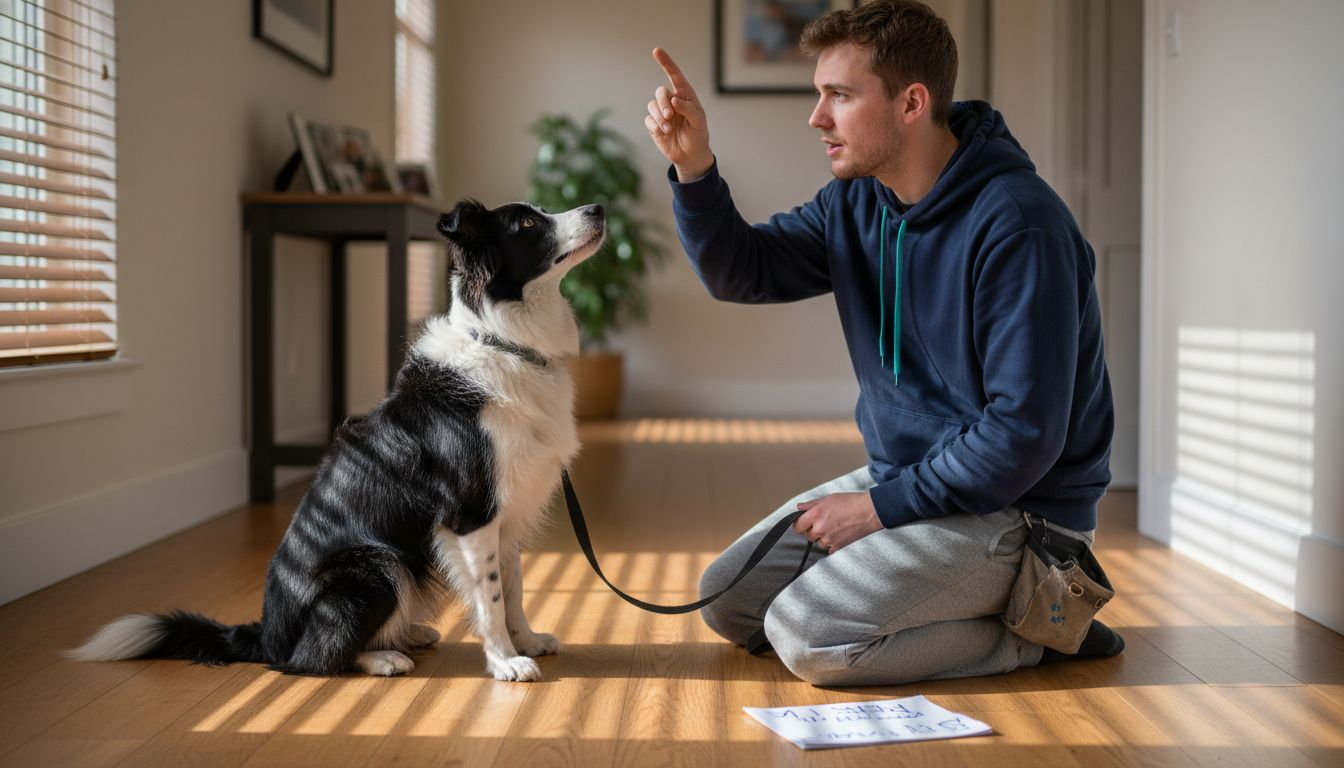
Remember that learning takes time and every dog progresses at their own pace. Some commands might click quickly while others require more repetition. Maintain a calm, patient demeanour and never show frustration. Your emotional state significantly influences your dog’s ability to learn and remain receptive to training. Create a supportive environment where mistakes are seen as opportunities for learning rather than failures.
Professional Advice: Record your training sessions on video to analyse your hand signals, tone, and consistency from an objective perspective.
Step 4: Practise and Reinforce Desired Behaviours Daily
Building a well-trained dog requires consistent daily practice and strategic reinforcement of positive behaviours. Your commitment to regular training will transform sporadic commands into reliable, ingrained responses that become second nature to your canine companion. Reinforcement schedules play a crucial role in developing long lasting obedience and communication.
Start by integrating short training moments throughout your daily routine. These can be brief five to ten minute sessions embedded within regular activities like mealtime, walks, or playtime. Focus on reinforcing commands your dog already knows while gradually introducing slight variations to challenge their learning. Positive reinforcement techniques suggest using a mix of rewards such as treats, praise, and play to maintain your dog’s motivation. Initially, reward every correct response to build confidence, then gradually transition to intermittent reinforcement to prevent treat dependency and encourage intrinsic motivation.
Remember that consistency is about more than just frequent practice. It involves maintaining the same expectations across different environments and situations. Practice commands in various locations with increasing levels of distraction to help your dog generalise learned behaviours. Pay attention to your dog’s energy levels and emotional state choosing optimal times for training when they are alert but not overstimulated.
Professional Advice: Create a training log to track your dog’s progress and identify patterns in their learning and response.
Compare how different reinforcement schedules affect dog behaviour:
| Reinforcement Schedule | Example Use | Benefits | Long-term Impact |
|---|---|---|---|
| Continuous Reinforcement | Reward every correct action | Builds initial confidence | May cause treat dependency |
| Intermittent Reinforcement | Random rewards after correct | Encourages persistence | Promotes lasting obedience |
| Variable Interval | Rewards at unpredictable times | Maintains motivation | Reduces extinction of behaviour |
Step 5: Assess Progress and Troubleshoot Common Issues
Tracking your dog’s training progress requires a thoughtful and patient approach that goes beyond simple observation. Understanding the nuanced signals of learning and potential obstacles will help you adapt your training strategy effectively. Expert training tips suggest that consistent evaluation is key to successful behaviour modification.
Begin by establishing clear benchmarks for each command and behaviour you are teaching. Notice subtle changes in your dog’s response time, confidence, and consistency across different environments. When your dog struggles with a particular command, resist labelling them as ‘stubborn.’ Understanding apparent canine stubbornness often reveals deeper communication challenges. Investigate whether your instructions are truly clear, if the rewards are sufficiently motivating, or if external distractions are interfering with their ability to focus. Consider breaking complex commands into smaller, more manageable steps and ensure you are using high value rewards that genuinely excite your dog.
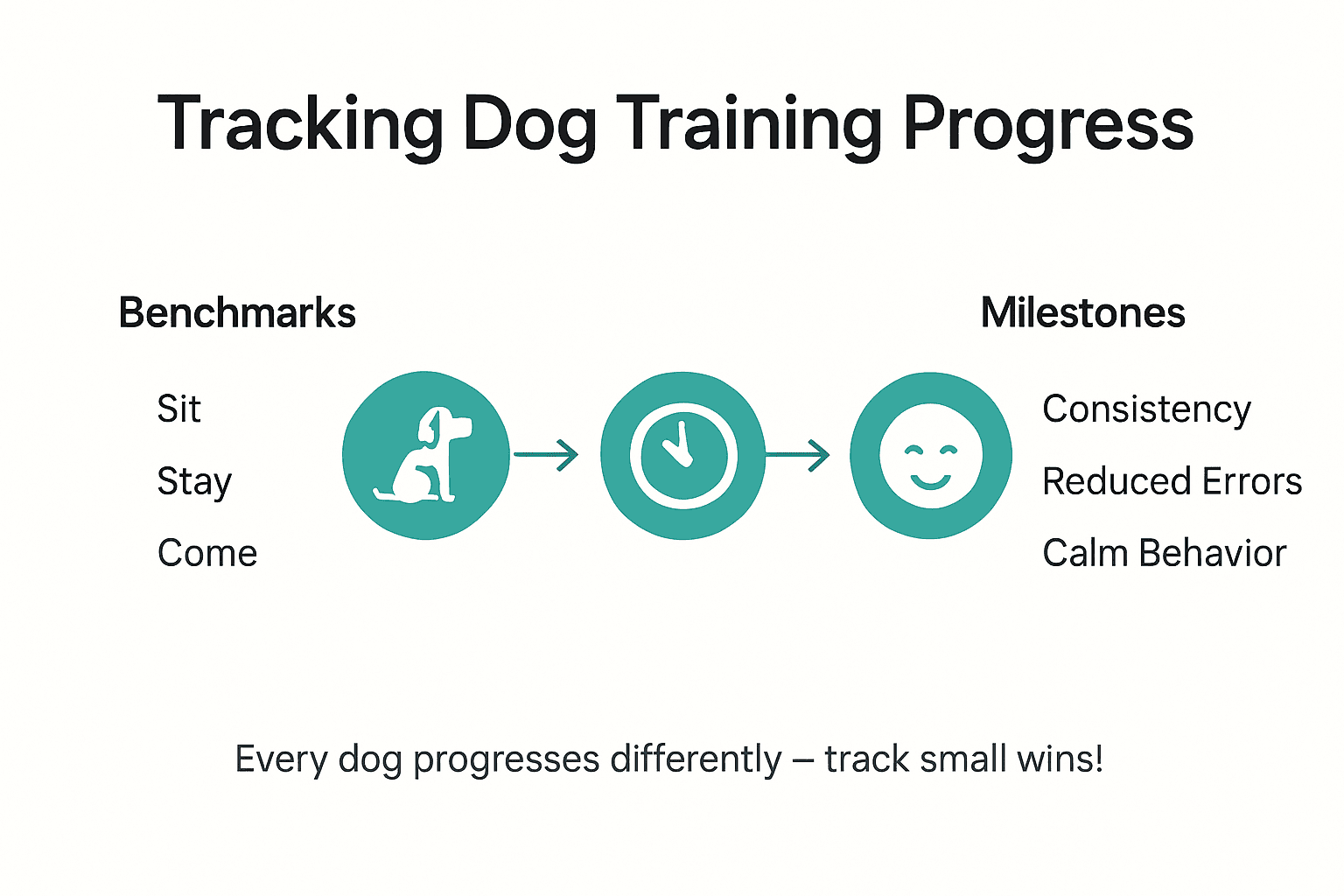
Remember that progress is rarely linear. Some days your dog will perform brilliantly, while other days they might seem to forget everything they have learned. This is normal and part of the learning process. Maintain a supportive, patient attitude and avoid showing frustration. Your emotional state significantly influences your dog’s willingness to engage and learn. Regular short training sessions with varied environments and gradually increasing difficulty will help solidify their understanding and build their confidence.
Professional Advice: Photograph or video record your training sessions to objectively analyse your techniques and your dog’s progression over time.
Enhance Your Dog Training Success with Tailored Nutrition
Achieving calm and obedient behaviour during home dog training requires more than just patience and the right techniques. The article highlights the challenge of maintaining your dog’s focus and motivation throughout training sessions. Providing nutritional support that aligns with your training goals can make a meaningful difference in your dog’s energy levels and responsiveness. Grain-free, natural food options that cater to your dog’s life stage and health needs help promote sustained concentration and overall well-being.
For puppies just beginning their training journey, explore our specially formulated Dry Puppy Food for Optimal Health & Nutrition. Senior dogs also benefit from blends designed to support vitality and mental clarity available in our Blends for Our Senior Dogs. Browse our diverse Collections to find the perfect match to fuel positive learning experiences. By combining expert training insights with premium nutrition from Ultimate Pet Foods, you empower your canine companion to thrive both physically and mentally.

Start transforming your dog training routine today by choosing tailored, grain-free nutrition from Ultimate Pet Foods. Visit our website and select the ideal food to complement your training efforts and take the next step towards a happier, more obedient dog.
Frequently Asked Questions
How can I create a positive training environment for my dog at home?
To create a positive training environment, designate a quiet, distraction-free area in your home for training sessions. Ensure this space is free from interruptions and has minimal noise, allowing your dog to focus on learning without distractions.
What type of treats should I use for dog training?
Select small, soft, and grain-free treats that are highly motivating for your dog. Consider using treats that are rich in protein and free from unnecessary fillers to keep them engaged and support their overall health during training sessions.
How often should I practice commands with my dog?
Aim to practice commands daily for brief periods of 5 to 10 minutes. Regular daily sessions will reinforce learning and help your dog respond naturally to your commands over time.
What should I do if my dog doesn’t seem to understand a command?
If your dog struggles with a command, break it down into smaller steps and ensure your cues are clear. Adjust your approach by using more motivating rewards and removing potential distractions to improve their focus on learning.
How can I assess my dog’s training progress effectively?
To assess your dog’s training progress, establish clear benchmarks for each command and observe their response consistency across various environments. Keep a training log to track their improvements and identify patterns that may need adjustment.
How do I encourage my dog to remain motivated during training sessions?
Keep your dog motivated by mixing up the rewards during training sessions, alternating between standard treats and extra special ones for challenging tasks. This variety will maintain their interest and increase their willingness to engage in the training process.


