

Healthy dog treat recipes for nutritious snacking

TL;DR:
- Making homemade treats allows full control of ingredients, benefiting dogs with sensitivities.
- Grain-free, natural treats support better digestion, healthier skin, and steadier energy levels.
- Simple recipes with minimal, recognizable ingredients are most effective and easily customizable.
If your dog has a sensitive stomach or a known food allergy, finding shop-bought treats that are actually safe can feel like a full-time job. Most commercial snacks are packed with grains, artificial flavourings, and fillers that do more harm than good. The good news? Making your own treats at home puts you firmly in control of every single ingredient. In this guide, we share easy, nutritious recipes and practical advice so you can reward your dog with snacks that are as wholesome as they are delicious. Every wag and happy tail starts with knowing exactly what goes into the bowl.
Table of Contents
- Understanding healthy dog treats and dietary sensitivities
- Essential tools and ingredients for homemade dog treats
- Step-by-step recipes for healthy, grain-free dog treats
- Troubleshooting and tips for perfect dog treats
- Our experience: What truly matters when making healthy dog treats
- Enhance your dog’s diet with the best grain-free options
- Frequently asked questions
Key Takeaways
| Point | Details |
|---|---|
| Grain-free treats benefits | Grain-free, natural dog treats help prevent allergies and boost wellness, especially in sensitive pets. |
| Homemade treat control | Making treats at home lets you choose healthy, safe ingredients tailored to your dog’s needs. |
| Simple ingredients best | The healthiest dog treats use a few wholesome ingredients, avoiding unnecessary additives and fillers. |
| Proper storage critical | Storing homemade treats correctly keeps them fresh and safe for your dog to enjoy. |
Understanding healthy dog treats and dietary sensitivities
Before you reach for the mixing bowl, it helps to understand what actually makes a treat healthy for your dog. Dogs need a diet rich in quality protein, healthy fats, and natural fibre. Treats should complement that balance, not undermine it. When snacks are loaded with wheat, corn, soy, or artificial preservatives, they can trigger reactions in sensitive dogs ranging from itchy skin and loose stools to chronic ear infections.
Grains are one of the most common culprits. Grain-free diets can benefit dogs with allergies and sensitive stomachs, making grain-free treats a natural first step for any owner noticing recurring symptoms. The RSPCA dog feeding advice also recommends avoiding treats high in salt, sugar, and artificial additives, all of which are common in processed snack ranges.
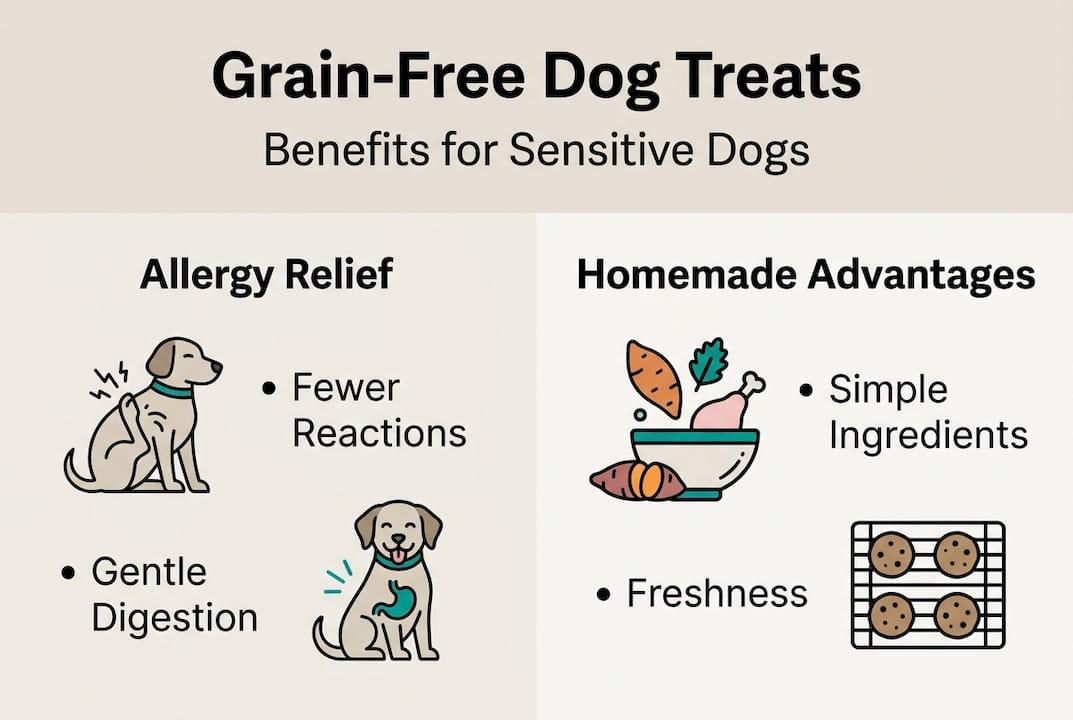
Here is a quick comparison of what you typically find in shop-bought treats versus a well-made homemade version:
| Feature | Shop-bought treats | Homemade treats |
|---|---|---|
| Ingredients | Often 15+ including fillers | 3 to 6 natural ingredients |
| Grains | Frequently wheat or corn | Grain-free by choice |
| Preservatives | Artificial (BHA, BHT) | None needed |
| Allergen control | Limited | Fully customisable |
| Freshness | Months on a shelf | Made fresh, used within days |
Switching to natural, grain-free treats brings some genuinely exciting benefits. Understanding healthy treats nutrition can help you make informed choices for your dog’s long-term wellbeing.
Benefits of switching to natural, grain-free treats:
- Improved digestion and fewer loose stools
- Reduced skin irritation and itching
- Better coat shine and skin hydration
- Steadier energy levels throughout the day
- Lower risk of triggering food sensitivity flare-ups
- Cleaner teeth when treats have the right texture
The grain free benefits for sensitive dogs are well documented, and many owners notice visible improvements within just a few weeks of switching.
Pro Tip: Always read the ingredient list on any treat, not just the front-of-pack claims. Ingredients are listed by weight, so the first three tell you the most about what your dog is actually eating. For homemade treats, adjust portion sizes based on your dog’s weight. A treat should never exceed 10% of your dog’s daily calorie intake.
Essential tools and ingredients for homemade dog treats
Getting set up properly makes the whole process smoother and more enjoyable. You do not need a professional kitchen. A few reliable tools and a well-stocked pantry of dog-safe ingredients are all it takes.
| Tool | Purpose |
|---|---|
| Mixing bowls | Combining wet and dry ingredients |
| Baking sheets | Baking biscuit-style treats evenly |
| Silicone moulds | Shaping frozen or soft treats |
| Rolling pin | Achieving even thickness for biscuits |
| Cookie cutters | Fun shapes that are easy to portion |
| Airtight containers | Safe storage after baking |
Natural, single-ingredient treats offer superior digestibility compared to heavily processed alternatives, which is why keeping your ingredient list short and recognisable is always the best approach.
Dog-safe ingredients to stock up on:
- Pumpkin puree: Supports digestion and is naturally low in calories
- Sweet potato: Rich in beta-carotene and gentle on the gut
- Coconut flour: A grain-free alternative to wheat flour with added fibre
- Lean meats (chicken, turkey, salmon): High-quality protein that most dogs love
- Blueberries and strawberries: Antioxidant-rich and naturally sweet
- Eggs: Binding agent and excellent source of protein
- Natural peanut butter (xylitol-free): Irresistible flavour with healthy fats
- Oat flour (if not grain-sensitive): A gentler grain option for dogs without oat intolerance
For more inspiration, explore these grain-free dog treat recipes and hypoallergenic treats that work well for the most sensitive dogs. The Blue Cross healthy treats guide also provides a helpful overview of safe snacking for dogs.
⚠️ Foods toxic to dogs — never use these: Chocolate, grapes, raisins, onions, garlic, macadamia nuts, avocado, and any product containing xylitol. Even small amounts can cause serious harm.
Pro Tip: Whenever possible, choose organic and UK-sourced ingredients. Locally sourced produce tends to be fresher, free from long-distance transport preservatives, and supports British farmers. Your dog benefits from higher nutrient density, and you get peace of mind about provenance.
Step-by-step recipes for healthy, grain-free dog treats
With your tools ready and your ingredients sourced, it is time to get baking. These three recipes are simple, nutritious, and tailored for dogs with sensitivities. Each one uses minimal ingredients and delivers real nutritional value.
Recipe 1: Pumpkin and coconut flour biscuits
- Preheat your oven to 180°C.
- Mix 120g pumpkin puree, 1 egg, and 200g coconut flour into a firm dough.
- Roll out to roughly 5mm thickness and cut into shapes.
- Bake for 20 to 25 minutes until golden and firm.
- Cool completely before serving.
Benefits: Pumpkin supports healthy digestion, while coconut flour provides fibre without grains. Great for dogs with wheat sensitivities. Substitution: Swap pumpkin for mashed sweet potato if preferred.
Recipe 2: Salmon and sweet potato bites
- Preheat oven to 170°C.
- Combine 150g cooked, flaked salmon with 100g mashed sweet potato and 1 egg.
- Spoon small portions onto a lined baking sheet.
- Bake for 15 to 18 minutes until set and lightly golden.
- Refrigerate after cooling.
Benefits: Salmon delivers omega-3 fatty acids for skin and coat health. Sweet potato adds natural sweetness and digestive support. Substitution: Use cooked chicken or turkey in place of salmon.
Recipe 3: Blueberry and peanut butter frozen treats
- Blend 100g blueberries, 2 tablespoons of xylitol-free peanut butter, and 120ml plain kefir or water.
- Pour into silicone moulds.
- Freeze for at least 4 hours before serving.
Benefits: Antioxidant-rich blueberries support immune health, and peanut butter makes these irresistible on a warm day.
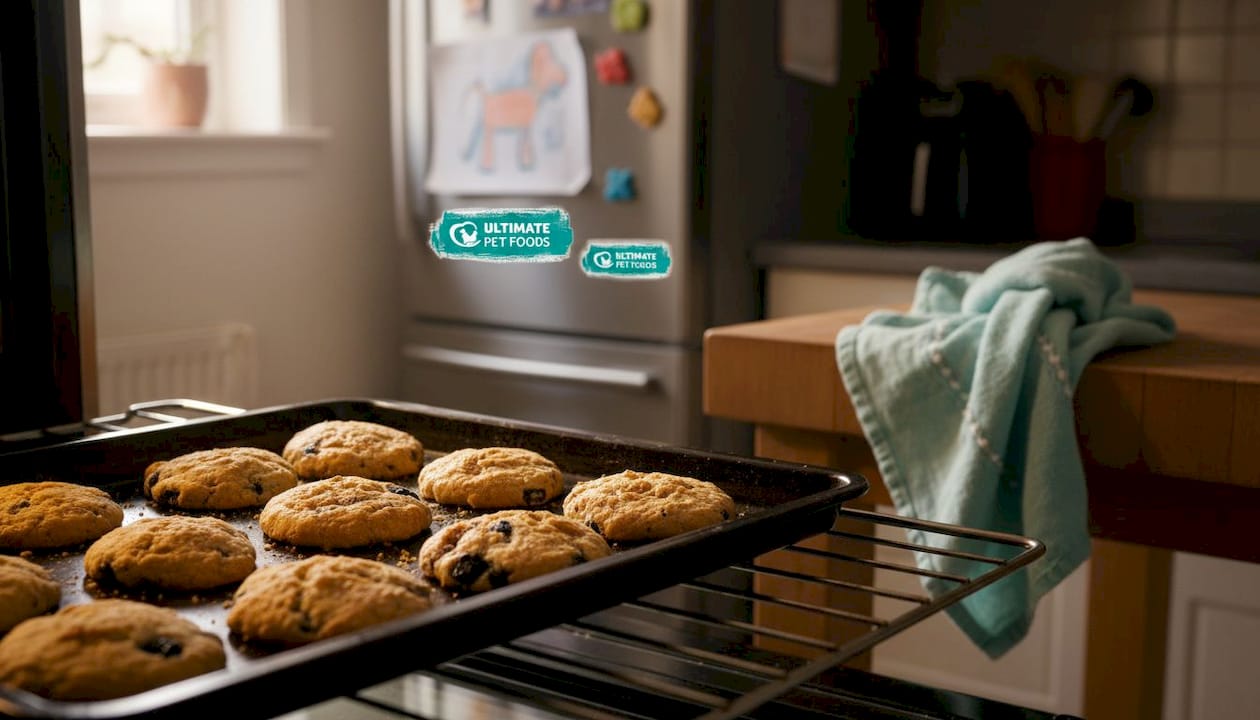
Grain-free treats support digestive health and energy levels in sensitive dogs, making recipes like these a genuinely proactive choice for your dog’s wellbeing. For more ideas, browse our wholesome dog recipes and step-by-step meal guide. The Kennel Club treat guidance also recommends keeping treats small and infrequent to maintain a balanced diet.
Pro Tip: Adjust treat size and texture based on your dog’s age and breed. Puppies need smaller, softer treats to protect developing teeth. Older dogs often benefit from softer textures too, particularly if they have dental issues. Large breeds can handle bigger biscuits, but always monitor for any digestive changes when introducing a new recipe.
Troubleshooting and tips for perfect dog treats
Even the most straightforward recipe can throw up the occasional challenge. Here is how to handle the most common issues and keep your treats consistently brilliant.
Common faults and how to fix them:
- Treats too hard: Reduce baking time by 3 to 5 minutes or add a small amount of extra puree to the dough for moisture.
- Treats too soft or crumbly: Add a little more coconut flour or an extra egg to bind the mixture more firmly.
- Uneven shapes: Use a rolling pin and ruler to achieve consistent thickness before cutting.
- Treats not holding together: Ensure the dough is chilled for 15 minutes before rolling. Cold dough is far easier to handle.
- Dog refuses the treat: Try a stronger-smelling ingredient like salmon or natural peanut butter to boost appeal.
Proper storage prevents spoilage and keeps treats safe for your dog to enjoy. Without artificial preservatives, homemade treats need a little more care. Store baked treats in an airtight container in the fridge for up to one week. Frozen treats like the blueberry bites can last up to three months in the freezer. Always label containers with the date so you know exactly how fresh they are.
For extra shelf life without preservatives, lightly dehydrating baked treats in the oven at a low temperature (around 100°C for an additional 20 minutes) removes excess moisture and extends freshness naturally. You can also explore natural treat ideas and grain-free treat troubleshooting for further guidance.
🚨 Critical warning: Never use artificial sweeteners in any dog treat recipe. Xylitol, found in many sugar-free products and some peanut butters, is extremely toxic to dogs and can cause rapid liver failure even in tiny amounts. Always check labels carefully. The Dogs Trust treat advice reinforces this point clearly.
Our experience: What truly matters when making healthy dog treats
We have seen a lot of treat trends come and go. Elaborate shaped biscuits, superfood-packed recipes with twelve ingredients, colour-tinted snacks designed to appeal to owners rather than dogs. Here is what we have genuinely learnt: simpler is almost always better.
The dogs who respond most positively to homemade treats are not getting the fanciest recipes. They are getting three or four quality ingredients that their individual digestive systems can handle with ease. When you strip away the complexity, you make it far easier to identify what works and what does not for your specific dog.
The real power in homemade treat-making lies in customisation. Your dog’s texture preference, flavour favourites, and allergen profile are unique. Let your dog’s response guide you. If they turn their nose up at one recipe, that is useful information. If they go absolutely wild for salmon bites, lean into that. Understanding healthy treats is not about following trends. It is about listening to your dog and responding with care, consistency, and good ingredients.
Enhance your dog’s diet with the best grain-free options
You have taken a brilliant first step by making your dog’s treats from scratch. Now imagine applying that same level of care and transparency to their complete daily diet. 🐾
At Ultimate Pet Foods, we have built our entire range around the same principles you have been using in your kitchen: natural ingredients, no unnecessary fillers, and recipes designed for dogs with real dietary needs. Explore the grain-free diet benefits that make this approach so effective, or use our compare dry foods tool to find the perfect complete food for your dog’s life stage and sensitivities. Our grain-free ingredient guide is also a fantastic resource for deepening your nutritional knowledge.
Frequently asked questions
What ingredients should I avoid when making homemade dog treats?
Avoid chocolate, grapes, raisins, onions, garlic, and xylitol, as these are toxic to dogs. Xylitol and certain foods are toxic to dogs and must never appear in any homemade recipe.
How long do homemade dog treats last?
Homemade treats typically last up to one week in the fridge or up to three months if frozen. Proper storage extends shelf life to three months when frozen, so batch-baking is a brilliant time-saving strategy.
Are grain-free treats suitable for all dogs?
Grain-free treats are especially beneficial for dogs with sensitivities but can suit most dogs as part of a balanced diet. Grain-free diets can help sensitive dogs manage symptoms more comfortably over time.
Can I substitute ingredients in dog treat recipes?
Yes, suitable substitutions include sweet potato for pumpkin or oat flour for coconut flour, but always check for dog safety first. Oat and coconut flour are both safe alternatives that work well in most baked treat recipes.


