
Homemade Healthy Dog Meals: Step-by-Step Nutrition Guide
Choosing the right nutrition for your dog can feel complex when every pet has their own needs. For health-conscious owners in the UK, finding safe, grain-free options becomes even more important if your dog faces sensitivities or unique dietary challenges. With expert advice from respected sources like the RSPCA and professional veterinary insights, you will discover practical steps to create homemade, balanced meals tailored for your dog’s wellbeing, so you can nourish with confidence and care.
Table of Contents
- Step 1: Assess Your Dog’s Specific Dietary Needs
- Step 2: Select Nutritious, Grain-Free Ingredients
- Step 3: Prepare Balanced, Portion-Controlled Meals
- Step 4: Cook Meals Safely to Preserve Nutrients
- Step 5: Verify Meal Quality and Store Properly
Quick Summary
| Key Insight | Explanation |
|---|---|
| 1. Assess your dog’s needs | Every dog has unique dietary requirements based on age, breed, and health status. Consult a veterinarian for tailored nutrition. |
| 2. Choose nutritious ingredients | Focus on high-quality proteins, healthy fats, and vegetable alternatives to create balanced meals. Rotate ingredients for variety. |
| 3. Measure meals precisely | Use scales and portion control tools to ensure your dog receives the right nutrition and maintains a healthy weight. |
| 4. Cook meals with care | Use gentle cooking methods to preserve nutrients and ensure food safety. Monitor cooking temperatures to maintain quality. |
| 5. Store meals properly | Use airtight containers and label meals with dates. Refrigerate or freeze leftovers to maintain freshness and prevent spoilage. |
Step 1: Assess Your Dog’s Specific Dietary Needs
Understanding your dog’s unique nutritional requirements is fundamental to creating successful homemade meals. Every dog has distinct dietary needs influenced by factors like age, breed, activity level, and overall health status.
To begin assessing your dog’s specific dietary needs, consider these critical factors:
- Age considerations: Puppies, adult dogs, and senior dogs have vastly different nutritional requirements
- Breed-specific traits: Some breeds are prone to specific health conditions that impact diet
- Activity levels: Working dogs and highly active breeds need more protein and calories
- Current health status: Any existing medical conditions require tailored nutritional approaches
Veterinary professionals emphasize the importance of personalized nutrition plans. Personalized veterinary nutrition strategies play a crucial role in optimizing your dog’s health and preventing potential dietary complications.
A comprehensive assessment involves consulting with your veterinarian, who can provide detailed insights into your dog’s specific dietary requirements. They can help identify potential allergies, sensitivities, or health conditions that might necessitate special nutritional considerations.
Nutrition isn’t one-size-fits-all: Your dog’s diet should be as unique as they are.
Professional tip: Consider maintaining a detailed food and health journal to track how different dietary changes impact your dog’s overall wellbeing and energy levels.
Step 2: Select Nutritious, Grain-Free Ingredients
Selecting the right ingredients is crucial for creating wholesome, grain-free meals that support your dog’s overall health and nutritional needs. The goal is to craft a balanced diet that provides essential nutrients without relying on traditional grain-based ingredients.
When choosing ingredients, focus on high-quality protein sources and nutrient-dense alternatives. Key components of a nutritious grain-free diet include:
- Protein sources: Lean meats like chicken, turkey, beef, and fish
- Vegetable alternatives: Sweet potatoes, pumpkin, and squash for complex carbohydrates
- Healthy fats: Salmon oil, coconut oil, and other omega-rich supplements
- Micronutrient boosters: Leafy green vegetables and organ meats
Nutrient profiles for dog food ingredients provide critical insights into creating balanced meals. Understanding the nutritional composition helps ensure your homemade meals meet all of your dog’s dietary requirements.
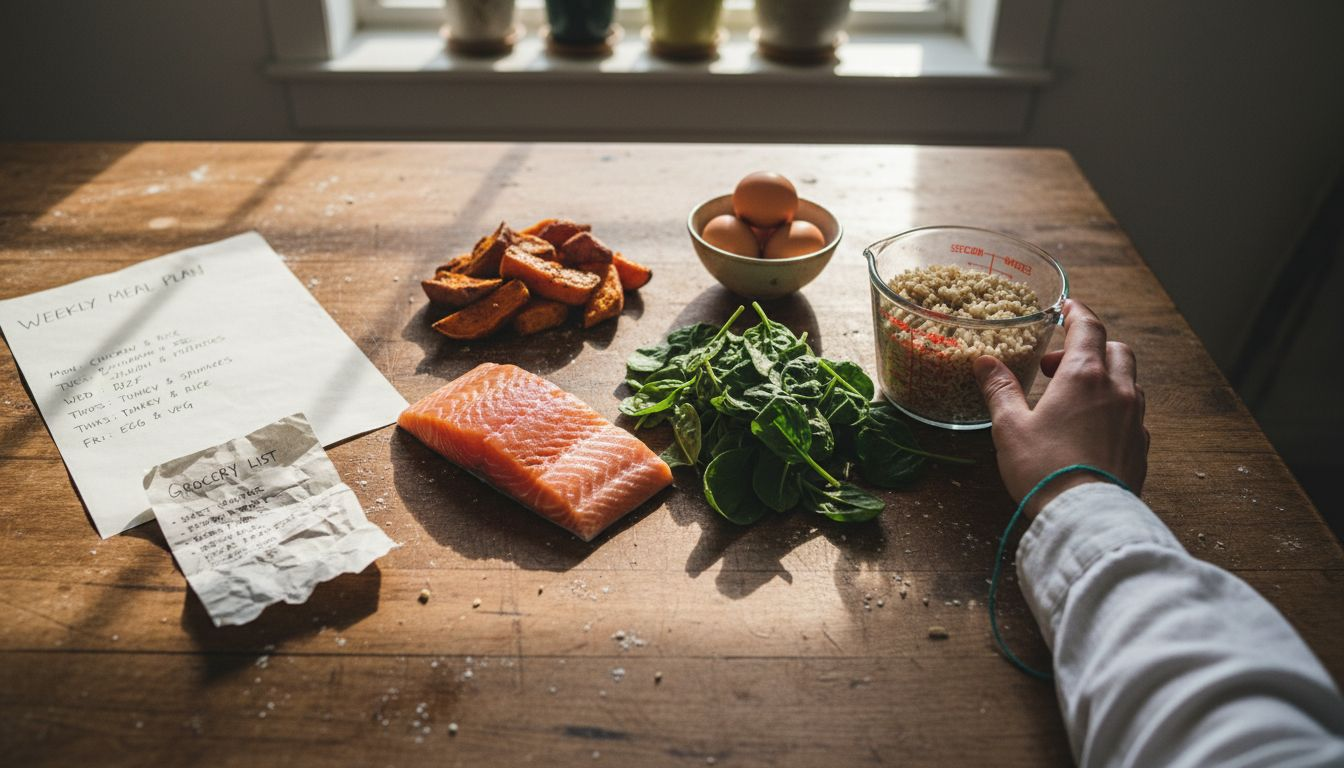
It’s essential to vary protein sources and rotate ingredients to provide a comprehensive nutritional profile. Consider consulting with a veterinary nutritionist to develop a tailored meal plan that accounts for your dog’s specific health needs and potential sensitivities.
Here is a quick guide comparing common protein, vegetable, and fat sources used in grain-free, homemade dog meals:
| Ingredient Type | Popular Choice | Nutritional Benefit |
|---|---|---|
| Protein | Chicken | Lean, easily digestible |
| Protein | Fish | Rich in omega-3 fatty acids |
| Vegetable | Pumpkin | High in fibre, aids digestion |
| Vegetable | Sweet potato | Source of complex carbs |
| Fat | Coconut oil | Supports healthy skin/coat |
| Fat | Salmon oil | Boosts immune function |
Quality ingredients are the foundation of optimal canine nutrition: Choose whole, unprocessed foods that nourish from the inside out.
Professional tip: Always introduce new ingredients gradually and monitor your dog’s response to ensure digestive tolerance and overall health.
Step 3: Prepare Balanced, Portion-Controlled Meals
Creating perfectly balanced and portion-controlled meals is critical for maintaining your dog’s optimal health and preventing nutritional imbalances. The key is precision in both ingredient selection and serving sizes to ensure your dog receives exactly what they need nutritionally.
To prepare balanced meals, follow these essential guidelines:
- Measure ingredients precisely using kitchen scales
- Calculate caloric requirements based on your dog’s weight, age, and activity level
- Balance macronutrients: 40-50% protein, 30-40% vegetables, 10-20% healthy fats
- Use portion control tools like measuring cups and digital scales
Evidence-based nutritional approaches emphasise the importance of tailoring meal portions to individual dog requirements. Professional veterinary nutritionists recommend creating a consistent feeding schedule that accounts for your dog’s specific metabolic needs.
Breakdown your meal preparation into systematic steps. Start by calculating your dog’s daily caloric requirements, then divide those calories into appropriate meal sizes. Consider your dog’s age, weight, activity level, and any specific health conditions when determining portion sizes.
Precision in nutrition is love: Every carefully measured meal supports your dog’s long-term health and vitality.
Professional tip: Invest in a digital kitchen scale and keep a detailed food diary to track your dog’s weight, energy levels, and overall health progression.
Step 4: Cook Meals Safely to Preserve Nutrients
Cooking homemade dog meals requires precision and care to maintain nutritional integrity while ensuring food safety. Understanding the right cooking techniques can help you protect vital nutrients and prevent potential bacterial contamination.
Follow these essential cooking guidelines for optimal nutrient preservation:
- Use gentle cooking methods: Steaming, poaching, and low-temperature baking
- Avoid overcooking: Maintain ingredient colour and structural integrity
- Monitor cooking temperatures: Keep below 85°C to retain maximum nutrients
- Use stainless steel or ceramic cookware to prevent chemical leaching
Nutrient preservation techniques demonstrate that careful cooking can effectively maintain food quality. Professional nutritionists recommend selecting methods that minimise nutrient degradation while eliminating harmful bacteria.
Prepare meals systematically by first cutting ingredients into uniform pieces to ensure even cooking. Use a meat thermometer to confirm internal temperatures reach safe levels without excessive heat exposure that could destroy essential vitamins and minerals.
Cooking with precision is an art: Protect every nutrient to support your dog’s vibrant health.
Professional tip: Invest in a digital meat thermometer and keep a log of cooking temperatures to consistently produce safe, nutrient-rich meals.
Step 5: Verify Meal Quality and Store Properly
Ensuring the quality and safety of homemade dog meals requires meticulous attention to storage techniques and nutritional verification. Your goal is to maintain meal integrity from preparation to serving, protecting the nutritional value and preventing potential contamination.
Implement these critical quality control and storage strategies:
- Conduct visual inspections for colour, texture, and signs of spoilage
- Use airtight glass or stainless steel containers for storage
- Label meals with preparation date and ingredient details
- Refrigerate promptly: Cool meals to below 5°C within two hours of cooking
- Freeze excess portions for future use
Systematic food quality verification provides essential guidelines for maintaining nutritional standards in homemade pet meals. Systematic checks help ensure each meal meets your dog’s precise dietary requirements.
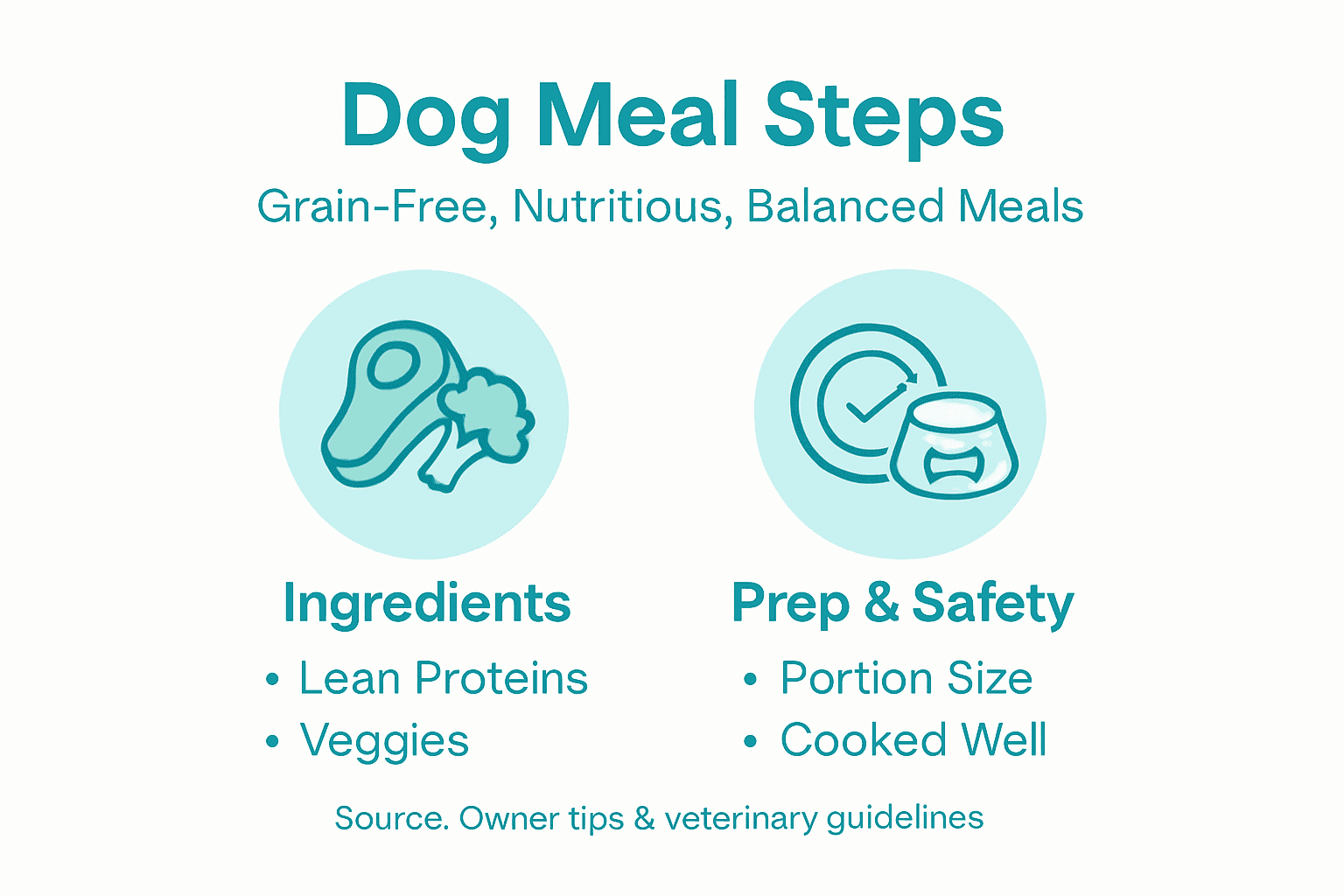
Rotate stored meals regularly to maintain freshness. Consume refrigerated meals within 3-4 days and frozen meals within 2-3 months. Always perform a sensory check before serving, examining smell, appearance, and texture for any signs of degradation.
Below is an overview of safe food storage methods for maintaining your dog’s meal quality:
| Storage Method | Recommended Duration | Key Benefit |
|---|---|---|
| Refrigeration | 3-4 days | Maintains meal freshness |
| Freezing | 2-3 months | Extends shelf life |
| Vacuum sealing | Up to 6 months | Prevents freezer burn |
| Glass containers | Any method | Avoids chemical leaching |
Quality control is not an option: It’s the foundation of your dog’s nutritional wellbeing.
Professional tip: Invest in a vacuum sealer to extend meal storage life and prevent freezer burn, keeping homemade meals as nutritious as the day they were prepared.
Elevate Your Dog’s Health with Premium Grain-Free Nutrition
Creating homemade healthy dog meals requires meticulous attention to ingredient quality, portion control, and nutrient balance. If you find assessing your dog’s specific dietary needs and preparing balanced meals challenging, you are not alone. Many pet owners strive to provide wholesome, grain-free nutrition but need convenient solutions that simplify this process while ensuring optimal health benefits.
Discover a trusted range of carefully formulated recipes designed to support every life stage and health goal by exploring our collections – Ultimate Pet Foods. Each product features fresh ingredients and caters to specific needs such as weight management, sensitive digestion, and vibrant skin and coat health.
Take the next step in your dog’s wellbeing journey today by visiting Ultimate Pet Foods and exploring our full selection. For those nurturing growing puppies on a grain-free diet, see our specialised Try Our Grain Free Puppy Food - Optimal Health & Nutrition collection for expertly balanced options. Providing your dog with premium nutrition has never been easier or more rewarding. Act now to support their vitality with natural, expertly crafted meals tailored just for them.
Frequently Asked Questions
What factors should I consider when assessing my dog’s dietary needs?
Understanding your dog’s dietary needs involves considering factors such as age, breed, activity level, and current health status. For an effective start, consult your veterinarian to develop a tailored nutrition plan based on these elements.
How can I select nutritious, grain-free ingredients for my dog’s meals?
Choose high-quality protein sources like chicken or fish, along with vegetables such as sweet potatoes and pumpkin for carbohydrates. Ensure to vary ingredients to provide a balanced diet that meets your dog’s specific health requirements.
What are the guidelines for preparing balanced, portion-controlled meals for my dog?
To prepare balanced meals, measure ingredients precisely and calculate the daily caloric needs based on your dog’s weight and activity level. Aim to balance macronutrients, with approximately 40-50% protein, 30-40% vegetables, and 10-20% healthy fats.
How should I cook homemade dog meals to preserve nutrients?
Use gentle cooking methods like steaming or poaching and avoid overcooking to maintain nutrient integrity. Monitor cooking temperatures to keep them below 85°C and use stainless steel or ceramic cookware to prevent chemical leaching.
What steps should I take to verify the quality of homemade dog meals?
Conduct visual inspections for freshness and use airtight containers for storage. Label meals with preparation dates and ensure you refrigerate promptly, aiming to consume meals within 3-4 days, or freeze them for longer storage to maintain quality.
How can I safely store homemade dog meals?
Store prepared meals in airtight glass or stainless steel containers to preserve freshness. Refrigerate meals within two hours of cooking and consume refrigerated meals within 3-4 days; alternatively, freeze excess portions for up to 2-3 months.
Recommended
- Wholesome Dog Friendly Recipes for Happy Pups – Ultimate Pet Foods
- 7 Expert Tips for Choosing Healthy Food for Small Dogs
- Homemade Dog Treat Recipes: Easy, Healthy, and Natural Ideas – Ultimate Pet Foods
- Easy Dog Treat Recipes for Healthy, Grain-Free Snacks – Ultimate Pet Foods
- Craft Your Own Homemade Hair Conditioner for Healthy Growth | MyHair