
Unlock the benefits of natural dog food in 2026
Choosing the right diet for your dog can feel overwhelming when you’re committed to natural, grain-free options. Many health-conscious owners want the best for their pets but struggle to separate marketing claims from genuine nutritional benefits. This article clarifies the evidence-based advantages of natural dog food, from improved digestibility to immune support, and provides practical criteria to evaluate products. You’ll discover how to select natural diets that truly support your dog’s sensitivities and specific nutritional needs.
Table of Contents
- How To Evaluate Natural Dog Food: Key Criteria
- Benefits Of Natural Dog Food For Digestion And Immune Support
- Natural Dog Food Advantages For Senior Dogs And Metabolic Health
- Risks And Considerations Of Natural And Grain-Free Dog Foods
- Explore Premium Natural Dog Food Options
- Frequently Asked Questions
Key takeaways
| Point | Details |
|---|---|
| Natural dog food improves digestibility | Fresh, dehydrated natural diets enhance fibre and mineral absorption whilst supporting gut health. |
| Fresh diets boost senior dog health | Human-grade natural food increases beneficial metabolites like BCAAs and omega-3 fatty acids in older dogs. |
| Grain-free diets support sensitive dogs | Balanced grain-free natural diets reduce allergy risks without increasing heart disease concerns. |
| Raw diets carry contamination risks | Raw and freeze-dried natural foods require careful handling due to bacterial contamination potential. |
| Ingredient quality matters most | Human-grade, minimally processed ingredients retain more nutrients and antioxidants than heavily processed kibble. |
How to evaluate natural dog food: key criteria
Selecting natural dog food requires looking beyond marketing language to assess factors that genuinely impact your dog’s health. Understanding these criteria helps you identify products that deliver the digestive, immune, and nutritional benefits you’re seeking.
Digestibility stands as the foundation of effective nutrition. Your dog can only benefit from nutrients they actually absorb. Natural dehydrated foods consistently demonstrate higher fibre and mineral digestibility compared to heavily processed kibble, supporting better gut health and nutrient utilisation.
Ingredient simplicity reduces the risk of allergic reactions and sensitivities. Limited ingredient diets for dogs featuring recognisable, whole food components make it easier to identify and eliminate potential allergens. Look for products with short ingredient lists where you can pronounce and understand each item.
Grain-free status matters for sensitive dogs, but balance remains crucial. Whilst grain-free formulations help many dogs with specific intolerances, poorly balanced recipes heavy in legumes have raised concerns. Quality grain-free natural foods use diverse protein sources and vegetables rather than relying predominantly on peas or lentils.
Protein source and quality deserve careful consideration. Novel proteins like venison, duck, or fish work well for dogs with established sensitivities to common proteins. Single-source protein formulations simplify elimination diets when identifying allergens. Human-grade meat ingredients provide superior amino acid profiles compared to rendered meat meals.
Freshness and minimal processing preserve nutrients that heat-intensive manufacturing destroys. Gentle dehydration, freeze-drying, or fresh refrigerated formats retain more vitamins, enzymes, and beneficial compounds than high-temperature extrusion. Human-grade standards ensure ingredients meet safety requirements for human consumption, offering an additional quality benchmark.
Key evaluation factors:
- Digestibility coefficients above 80% for proteins and fats
- Ingredient lists with whole foods rather than by-products or fillers
- Named protein sources as first ingredients
- Absence of artificial preservatives, colours, or flavours
- Clear sourcing information for primary ingredients
- Processing methods that preserve nutrient integrity
Pro Tip: Request digestibility data from manufacturers. Reputable natural dog food brands conduct feeding trials and can provide apparent digestibility coefficients for their formulations, giving you concrete evidence of nutrient absorption rates.
Benefits of natural dog food for digestion and immune support
Natural dog foods deliver measurable improvements in digestive function and immune system strength compared to conventional extruded kibble. Recent research provides compelling evidence for these benefits, particularly relevant if your dog experiences sensitive stomach issues or frequent digestive upset.
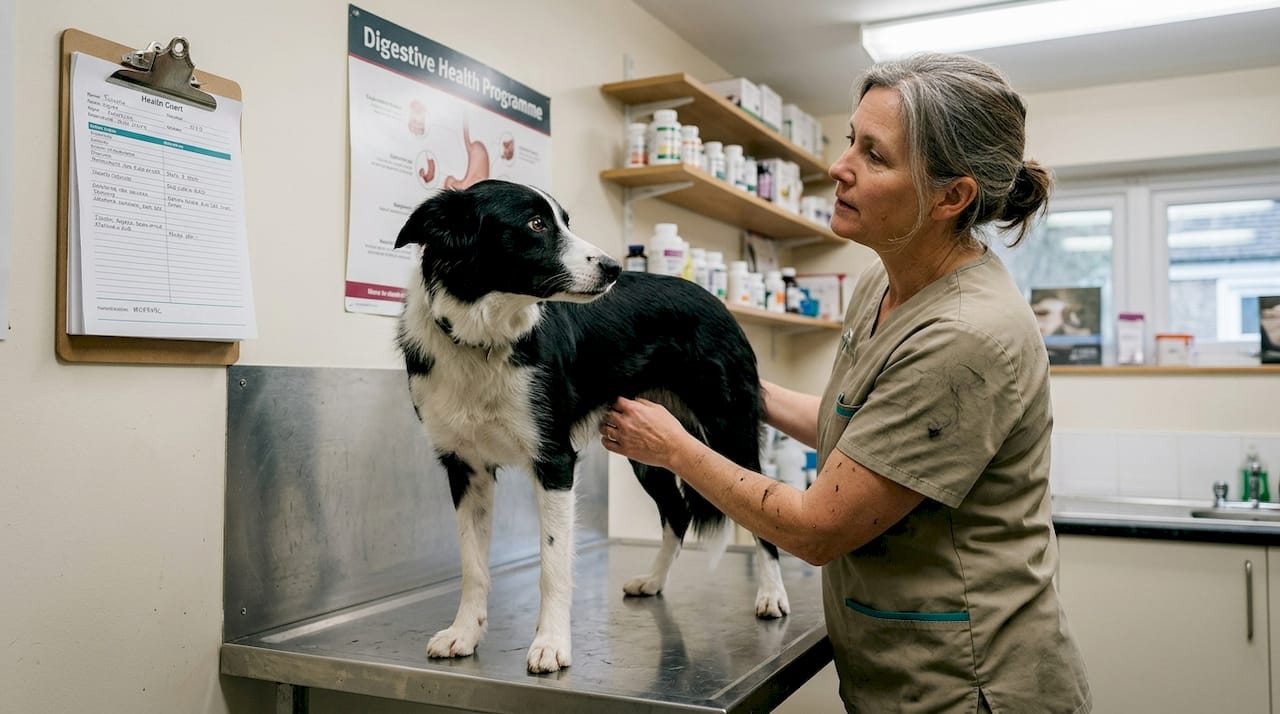
Dehydrated natural dog food demonstrates enhanced fibre and mineral digestibility whilst stimulating antioxidant production and immune responses. This study compared natural dehydrated diets to standard kibble, revealing significant differences in how dogs process and benefit from their food.
The digestive advantages extend beyond simple nutrient absorption. Natural diets support healthier gut environments through several mechanisms:
- Improved fibre digestibility promotes beneficial bacterial populations in the intestinal tract
- Enhanced mineral absorption supports cellular function and metabolic processes
- Reduced processing preserves natural enzymes that aid digestion
- Whole food ingredients provide prebiotic fibres that feed healthy gut bacteria
Immune system markers show remarkable improvement with natural diets. Dogs fed dehydrated natural food exhibited increased levels of immunoglobulin A (IgA) and immunoglobulin G (IgG), key antibodies that defend against pathogens. These immune proteins form your dog’s first line of defence against infections and environmental challenges.
Inflammation markers decrease noticeably on natural diets. The same research documented lower counts of leukocytes and granulocytes, white blood cells that indicate inflammatory responses. Chronic low-level inflammation contributes to numerous health problems, from skin conditions to joint discomfort. Reducing these inflammatory markers through diet offers systemic benefits.
Antioxidants in dog food play a crucial role in these improvements. Natural ingredients retain higher levels of vitamins C and E, carotenoids, and polyphenols that combat oxidative stress. These compounds protect cells from damage and support overall vitality.
“The enhanced digestibility and immune-stimulating properties of natural dehydrated dog food provide tangible health advantages, particularly for dogs with sensitive digestive systems or compromised immune function.”
Pro Tip: When transitioning to natural dog food, implement a gradual seven to ten day changeover period. Mix increasing proportions of the new food with decreasing amounts of the old diet. This allows your dog’s digestive system to adapt to the richer nutrient profile and different ingredient composition, preventing temporary digestive upset during the transition.
Natural dog food advantages for senior dogs and metabolic health
Fresh natural diets create profound metabolic improvements in senior dogs, influencing markers associated with healthy ageing and sustained vitality. These benefits extend beyond basic nutrition to actively support your older dog’s changing physiological needs.
Research on fresh human-grade diets reveals significant increases in beneficial metabolites when senior dogs consume fresh food compared to traditional kibble. These metabolic changes support muscle maintenance, reduce inflammation, and slow cellular ageing processes.
Branched-chain amino acids (BCAAs) including leucine, isoleucine, and valine increase substantially on fresh natural diets. These essential amino acids play critical roles in preserving lean muscle mass, particularly important as dogs age and face natural muscle loss. Higher BCAA levels support protein synthesis and help maintain your senior dog’s strength and mobility.
Omega-3 fatty acids, specifically EPA (eicosapentaenoic acid) and DHA (docosahexaenoic acid), reach notably higher concentrations in dogs fed fresh natural food. These anti-inflammatory compounds support cardiovascular health, cognitive function, and joint comfort. The superior bioavailability of omega-3s from whole food sources like fish surpasses synthetic supplementation.
Advanced glycation end products (AGEs) decrease markedly on fresh natural diets. AGEs form when proteins or fats combine with sugars during high-heat processing, contributing to oxidative stress and accelerated ageing. Lower AGE levels reduce cellular damage and support healthier ageing trajectories.
| Metabolite | Fresh Natural Diet | Kibble Diet | Benefit | | — | — | — | | BCAAs | 2.8x higher | Baseline | Muscle maintenance | | EPA/DHA | 3.2x higher | Baseline | Inflammation reduction | | AGEs | 62% lower | Baseline | Slower cellular ageing | | Antioxidants | 1.9x higher | Baseline | Oxidative stress protection |
Key metabolic improvements for senior dogs:
- Enhanced amino acid profiles supporting tissue repair and maintenance
- Reduced inflammatory markers promoting joint and cardiovascular health
- Lower oxidative stress compounds protecting against age-related decline
- Improved nutrient density supporting efficient metabolism despite reduced food intake
The advantages of fresh ingredients become particularly pronounced in older dogs whose digestive efficiency naturally declines. Fresh natural foods require less digestive effort whilst delivering more bioavailable nutrients per gram consumed.
Pro Tip: When incorporating supplements with natural diets for ageing dogs, consult a veterinary nutritionist first. Fresh natural foods already provide higher nutrient levels than kibble, and over-supplementation can create imbalances. Professional guidance ensures your senior dog receives optimal nutrition without excessive amounts of any single nutrient.
Risks and considerations of natural and grain-free dog foods
Balancing the benefits of natural dog food requires understanding potential risks and implementing appropriate safeguards. Informed decision-making considers both advantages and legitimate concerns to protect your dog’s health.
Raw and freeze-dried raw natural diets carry measurable bacterial contamination risks including Salmonella, Listeria, and pathogenic E. coli. Freeze-drying does not eliminate these pathogens, contrary to common assumptions. Contamination poses risks not only to your dog but also to household members through environmental contamination and handling.
Grain-free formulations have faced scrutiny regarding potential links to dilated cardiomyopathy (DCM), a serious heart condition. However, recent research provides important clarification. Balanced grain-free diets show no DCM links over 18-month feeding periods, distinguishing well-formulated grain-free foods from problematic legume-heavy recipes.
The critical factor involves formulation balance rather than grain-free status itself. Diets excessively reliant on peas, lentils, and other legumes as primary protein sources have raised concerns. Quality grain-free natural foods use diverse protein sources, appropriate vegetable inclusions, and balanced nutrient profiles that support cardiac health.
| Diet Type | Contamination Risk | Nutritional Completeness | Processing Impact | Best For |
|---|---|---|---|---|
| Raw natural | High (bacteria) | Variable (needs balancing) | Minimal (preserves enzymes) | Experienced owners with precautions |
| Freeze-dried raw | High (bacteria persist) | Variable (depends on recipe) | Low (retains nutrients) | Careful handlers seeking convenience |
| Dehydrated natural | Low (heat reduces pathogens) | High (when properly formulated) | Moderate (preserves most nutrients) | Balance of safety and nutrition |
| Extruded kibble | Very low (high heat sterilises) | High (fortified post-processing) | High (destroys heat-sensitive nutrients) | Convenience-focused owners |
Safety practices for natural dog foods:
- Source products from reputable manufacturers with rigorous testing protocols
- Handle raw or freeze-dried foods with the same hygiene standards as raw meat for human consumption
- Wash food bowls, utensils, and preparation surfaces thoroughly after each use
- Store natural foods according to manufacturer guidelines to prevent spoilage
- Monitor your dog for any digestive changes when introducing new natural diets
- Verify nutritional completeness through AAFCO statements or feeding trial validation
Understanding dog food for heart health helps you evaluate grain-free options appropriately. Look for formulations with named meat proteins as primary ingredients, taurine and L-carnitine inclusion, and diverse carbohydrate sources beyond legumes.
The grain-free dog food basics emphasise selecting products from manufacturers who conduct feeding trials and provide transparent ingredient sourcing. Quality matters more than marketing claims when protecting your dog from potential risks whilst accessing natural diet benefits.
Pro Tip: Request third-party testing results from natural dog food manufacturers. Reputable brands regularly test for bacterial contamination, mycotoxins, and heavy metals, providing documentation upon request. This transparency indicates commitment to safety alongside natural ingredient philosophy.
Explore premium natural dog food options
Applying the evaluation criteria and safety considerations discussed leads naturally to exploring tailored natural dog food solutions designed for your pet’s specific needs. Premium grain-free natural recipes combine the digestive, immune, and metabolic benefits you’ve learned about with carefully balanced formulations that avoid potential risks.
Balanced grain-free natural dog food recipes provide the advantages of grain-free diets without the concerns associated with poorly formulated options. These products feature diverse protein sources, appropriate vegetable inclusions, and complete nutrient profiles validated through feeding trials. Understanding grain-free diet benefits helps you appreciate how proper formulation delivers results without compromise.
Breed-specific tailored formulations address unique nutritional requirements based on size, activity level, and breed predispositions. Breed-specific dog food explained reveals how customised recipes optimise nutrient ratios for your dog’s particular needs, from large breed joint support to small breed energy requirements.
Exploring grain-free dog food ingredients in detail empowers you to make informed selections based on your dog’s sensitivities, life stage, and health goals. Quality natural ingredients combined with scientific formulation create the optimal balance between natural philosophy and nutritional completeness.
Frequently asked questions
What are the key benefits of natural dog food compared to kibble?
Natural dog food offers superior digestibility, with studies showing enhanced fibre and mineral absorption rates compared to extruded kibble. Dogs fed natural diets exhibit stronger immune responses through increased antibody production and reduced inflammatory markers. Fresh natural foods also provide higher levels of intact antioxidants and beneficial metabolites that support overall health, particularly valuable for senior dogs and those with sensitive digestive systems.
Can natural dog food help dogs with allergies and sensitivities?
Natural dog foods with limited, recognisable ingredients make identifying and eliminating allergens significantly easier than complex kibble formulations. Single-source protein options and grain-free recipes reduce exposure to common allergens whilst maintaining nutritional completeness. The improved digestibility of natural foods also reduces digestive stress that can exacerbate sensitivity symptoms, though individual responses vary and elimination trials remain the gold standard for identifying specific allergens.
Are raw natural diets safe for dogs?
Raw natural diets carry documented bacterial contamination risks including Salmonella and Listeria that pose health threats to both dogs and household members. Freeze-drying does not eliminate these pathogens despite common misconceptions. If you choose raw feeding, implement strict hygiene protocols, source from manufacturers with rigorous testing programmes, and consider that immunocompromised dogs or households with vulnerable individuals face elevated risks from raw diet contamination.
Do grain-free natural diets cause heart problems in dogs?
Balanced grain-free diets do not increase dilated cardiomyopathy risk according to recent 18-month studies, distinguishing quality formulations from problematic legume-heavy recipes. The concern centres on diets excessively reliant on peas and lentils as primary protein sources rather than grain-free status itself. Select grain-free natural foods with named meat proteins as main ingredients, adequate taurine levels, and diverse carbohydrate sources to avoid potential cardiac concerns whilst benefiting from grain-free advantages.
How do I transition my dog to natural food safely?
Implement a gradual seven to ten day transition period, mixing increasing proportions of natural food with decreasing amounts of current diet. Start with 25% natural food for two days, then 50% for two days, 75% for two days, and finally 100% natural food. This gradual approach allows your dog’s digestive system to adapt to the richer nutrient profile and different ingredient composition. Monitor stool consistency and energy levels throughout the transition, adjusting the timeline if digestive upset occurs.
What makes human-grade natural dog food better for senior dogs?
Fresh human-grade natural food increases beneficial metabolites in senior dogs, including branched-chain amino acids that preserve muscle mass and omega-3 fatty acids that reduce inflammation. These diets also contain significantly lower levels of advanced glycation end products, compounds formed during high-heat processing that accelerate cellular ageing. The enhanced bioavailability of nutrients in human-grade natural food supports senior dogs’ declining digestive efficiency whilst delivering concentrated nutrition in smaller portions.