
Why switch to premium dog food for healthier pets in 2026
Many dog owners believe all commercial dog foods provide adequate nutrition, yet research reveals significant differences in ingredient quality, digestibility, and health outcomes between budget and premium options. Dogs with sensitive stomachs, skin issues, or low energy often improve dramatically when switched to premium, grain-free formulations. This guide explores the science-backed benefits of premium dog food, addresses common concerns about grain-free diets, and helps you choose the best option for your pet’s unique needs.
Table of Contents
- Understanding Premium Dog Food And Its Benefits
- How Grain-Free Premium Dog Food Supports Digestive Health And Sensitivities
- Debunking Concerns: Grain-Free Diets And Heart Health
- Choosing The Right Premium Dog Food For Your Pet’s Needs
- Discover Premium Grain-Free Dog Food Options Tailored For Your Dog
- Is Premium Dog Food Really Worth The Cost?
- Can All Dogs Safely Eat Grain-Free Diets?
- How Can I Transition My Dog To Premium Dog Food Without Digestive Upset?
- What Are The Key Ingredients To Look Out For In Premium Dog Food?
Key takeaways
| Point | Details |
|---|---|
| Premium ingredients | Premium dog foods use fresh, natural ingredients with higher digestibility and fewer artificial additives than budget options. |
| Grain-free benefits | Grain-free formulations reduce digestive issues and allergies in sensitive dogs by replacing grains with easier-to-digest carbohydrates. |
| Heart health safety | Recent research shows balanced grain-free diets pose no cardiac risks when formulated to meet complete nutritional requirements. |
| Active dog nutrition | Higher protein and fat content in premium foods support energy needs and muscle maintenance in working and active dogs. |
| Long-term value | Premium nutrition may reduce veterinary costs and improve quality of life through better overall health outcomes. |
Understanding premium dog food and its benefits
Premium dog food distinguishes itself through ingredient sourcing, nutritional balance, and manufacturing standards that exceed basic commercial formulations. These foods prioritise fresh, whole-food ingredients over by-products and fillers commonly found in budget brands. Different carbohydrate sources in dog foods supported overall health and cardiac function in healthy adult dogs, demonstrating the importance of ingredient selection.
The defining characteristics of premium dog food centre on transparency and quality. Manufacturers typically source named animal proteins as primary ingredients rather than generic meat meals. Fresh vegetables, fruits, and functional ingredients provide vitamins, minerals, and antioxidants. Systematic review and meta-analysis of quality claims associated with fresh pet food confirms superior ingredient quality in fresh formulations.
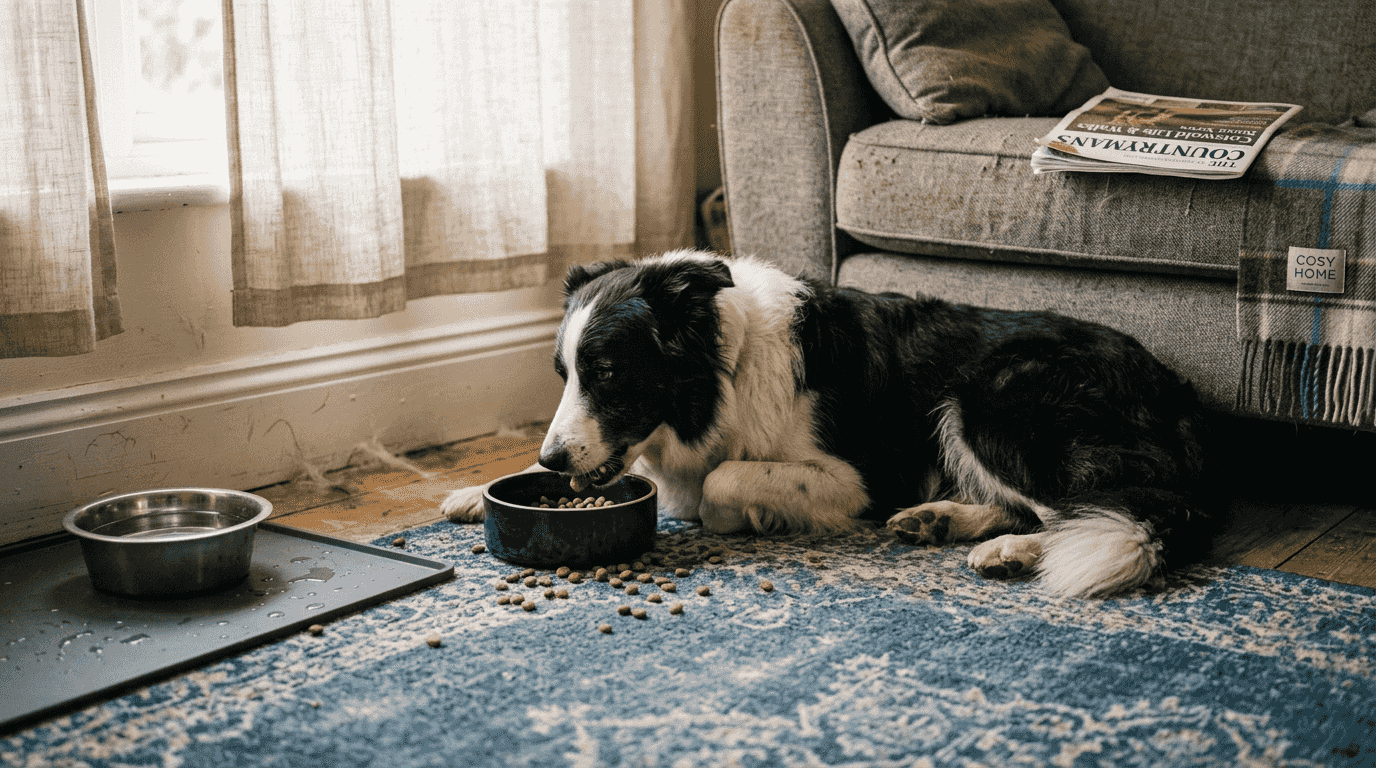
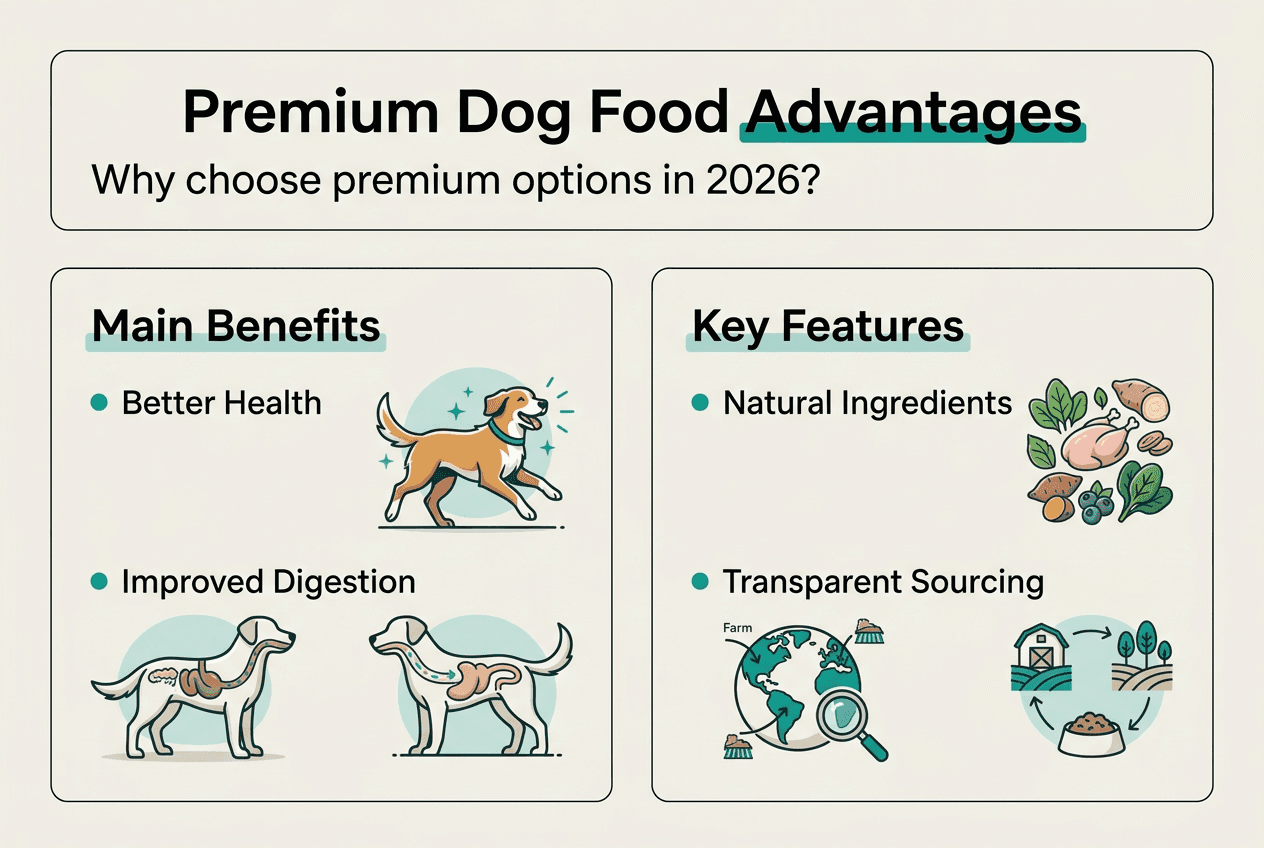
Digestibility represents a crucial advantage of premium formulations. Dogs absorb nutrients more efficiently from high-quality proteins and fats, meaning smaller portions deliver adequate nutrition. This improved bioavailability reduces waste production and supports healthier digestion. Premium foods eliminate artificial colours, flavours, and preservatives that may trigger sensitivities in some dogs.
Premium formulations align more closely with dogs’ evolutionary diet, which consisted primarily of animal proteins and limited plant matter. Modern premium foods reflect this biological heritage by emphasising meat content whilst incorporating beneficial carbohydrates and vegetables. Understanding what makes dog food premium helps you evaluate options effectively.
Key markers of premium quality include:
- Named animal proteins listed as first ingredients
- Whole food sources rather than by-products or meals
- Natural preservatives like mixed tocopherols instead of synthetic alternatives
- Transparent sourcing with batch testing and quality control
- Formulations developed by veterinary nutritionists
Pro Tip: Look for brands that publish ingredient sourcing information and third-party testing results, as transparency indicates commitment to quality standards.
Learning to spot quality dog food empowers you to make informed decisions. Reading labels carefully reveals whether marketing claims match actual ingredient quality. Premium foods cost more upfront but deliver superior nutrition that supports long-term health, potentially reducing medical expenses over your dog’s lifetime.
How grain-free premium dog food supports digestive health and sensitivities
Grain-free premium diets offer specific advantages for dogs experiencing digestive discomfort or food sensitivities. These formulations replace wheat, corn, and rice with alternative carbohydrate sources like sweet potatoes, peas, and lentils. Grain-free diets can improve digestive function in dogs with sensitivities, providing relief for many pets struggling with conventional foods.
Digestive improvements manifest in multiple ways when dogs transition to grain-free formulations. Stool quality typically improves, becoming firmer and more consistent. Flatulence decreases significantly as the digestive system processes easier-to-digest carbohydrates. Dogs prone to loose stools or diarrhoea often experience resolution within weeks of switching.
Many pet owners notice immediate improvements in digestion after transitioning to grain-free formulations. Symptoms like stomach gurgling, frequent vomiting, and post-meal discomfort commonly diminish. The simplified ingredient profiles in grain-free foods make it easier to identify and eliminate specific triggers for sensitive dogs.
Skin and coat health frequently improves alongside digestive function. Grain-free dog food can help reduce food sensitivities and allergies in dogs, addressing issues like chronic itching, hot spots, and dull coats. Food sensitivities often manifest through skin symptoms, making dietary changes an effective first-line intervention.
Balanced grain-free formulations support gut microbiome health through prebiotic fibres and easily digestible nutrients. A healthy gut environment enhances immune function, nutrient absorption, and overall vitality. Dogs with inflammatory bowel conditions may experience reduced symptoms when grains are eliminated, though veterinary guidance remains essential for managing chronic conditions.
“Within three weeks of switching to grain-free food, my dog’s chronic diarrhoea resolved completely. His energy improved, and his coat became noticeably shinier. The difference was remarkable.”
The benefits extend to blood sugar regulation, particularly important for dogs prone to weight gain or metabolic issues. Alternative carbohydrates in grain-free foods often have lower glycaemic indices than grains, promoting steadier energy levels throughout the day. This metabolic advantage supports healthy weight maintenance in less active dogs.
Understanding why grain free diets benefit sensitive dogs helps you determine whether this approach suits your pet. Not every dog requires grain-free nutrition, but those with demonstrated sensitivities experience transformative improvements. Exploring dog food for sensitive digestion reveals formulations specifically designed for problematic digestive systems.
Debunking concerns: grain-free diets and heart health
Concerns about grain-free dog food and dilated cardiomyopathy emerged in recent years, causing confusion among pet owners. Causation has not been established between grain-free diets and dilated cardiomyopathy, despite initial investigations by regulatory agencies. Understanding the actual research helps separate fear from fact.
The controversy began when certain grain-free foods containing high levels of peas, lentils, and potatoes were associated with DCM cases. However, correlation does not prove causation. Many factors influence cardiac health, including genetics, breed predisposition, and overall nutritional balance. Recent controlled research found no negative cardiac effects in dogs fed grain-free diets over months when balanced.
Nutritional completeness matters far more than the presence or absence of grains. Well-formulated grain-free foods that meet established nutritional standards pose no increased cardiac risk. The issue arose primarily with foods that were nutritionally imbalanced or lacking essential amino acids like taurine, not simply because they excluded grains.
| Dietary Factor | Grain-Inclusive Diet | Balanced Grain-Free Diet |
|---|---|---|
| Cardiac biomarkers | Normal range | Normal range |
| Taurine levels | Adequate when formulated properly | Adequate when formulated properly |
| Heart function tests | No abnormalities in healthy dogs | No abnormalities in healthy dogs |
| Long-term cardiac health | Maintained with complete nutrition | Maintained with complete nutrition |
Breed-specific considerations also influence cardiac health independently of diet. Certain large breeds like Dobermanns and Great Danes have genetic predispositions to DCM regardless of what they eat. These breeds require careful monitoring and may benefit from taurine supplementation, but grain-free diets themselves do not cause their cardiac issues.
Quality grain-free formulations include adequate levels of all essential amino acids, particularly taurine and L-carnitine, which support cardiac function. Premium manufacturers conduct feeding trials and regular testing to ensure their foods maintain heart health. Choosing products from reputable brands with rigorous quality control eliminates unnecessary risk.
Pro Tip: Always select grain-free foods that meet FEDIAF or equivalent nutritional standards and include named animal proteins as primary ingredients to ensure complete amino acid profiles.
The scientific consensus supports grain-free diets as safe when properly formulated. Learning more about why grain free diets benefit sensitive dogs provides additional context for making informed decisions. Focus on overall nutritional quality rather than avoiding specific ingredients based on unfounded fears.
Choosing the right premium dog food for your pet’s needs
Selecting the optimal premium dog food requires evaluating your dog’s individual characteristics, activity level, and health status. Age, size, breed, and existing conditions all influence nutritional requirements. Grain-free formulas often have higher protein and fat content, benefiting active or working dogs who need sustained energy.
Young, growing puppies require different nutritional ratios than senior dogs with reduced activity. Large breed puppies need controlled calcium and phosphorus levels to support proper skeletal development. Senior dogs may benefit from joint-supporting ingredients like glucosamine and reduced calorie density to prevent weight gain.
| Product Type | Protein Content | Fat Content | Primary Carbohydrate | Best Suited For |
|---|---|---|---|---|
| High-Performance Formula | 32-38% | 18-22% | Sweet potato | Working dogs, highly active breeds |
| Sensitive Stomach Formula | 24-28% | 12-15% | Peas, potato | Dogs with digestive sensitivities |
| Weight Management Formula | 26-30% | 8-12% | Lentils, chickpeas | Less active or overweight dogs |
| Puppy Formula | 28-32% | 15-18% | Sweet potato, rice | Growing puppies under 12 months |
| Senior Formula | 22-26% | 10-14% | Sweet potato, oats | Dogs over 7 years with reduced activity |
Follow these steps to identify the ideal premium food:
- Assess your dog’s current health, noting any digestive issues, skin problems, or energy levels that need addressing.
- Determine activity level and calculate daily caloric needs based on weight and exercise intensity.
- Read ingredient labels carefully, prioritising named animal proteins and whole food sources.
- Consult your veterinarian, especially if your dog has existing health conditions or takes medications.
- Introduce new food gradually over 7 to 10 days, monitoring tolerance and adjusting portions as needed.
- Evaluate results after 4 to 6 weeks, looking for improvements in coat quality, energy, and stool consistency.
Comparing options systematically helps narrow choices. A dry dog food comparison reveals differences in protein sources, carbohydrate types, and supplemental ingredients. Some dogs thrive on poultry-based formulas whilst others do better with fish or lamb.
Active and working dogs have substantially higher energy requirements than companion pets. The best food for active dogs provides concentrated nutrition to fuel performance without excessive volume. Higher fat content delivers energy density, whilst elevated protein supports muscle maintenance and recovery.
Specialised formulations address specific health concerns. Dogs with joint issues benefit from added glucosamine and chondroitin. Breeds prone to skin allergies may need limited ingredient diets with novel proteins. Understanding your dog’s unique needs guides selection more effectively than generic recommendations.
Pro Tip: Start with small bags or sample packs when trying new premium foods to ensure your dog tolerates the formula before purchasing larger quantities.
Working dogs face unique nutritional demands that standard maintenance formulas cannot meet. Dog food for working dogs must provide sustained energy, rapid recovery, and optimal body condition under demanding conditions. These formulations typically feature higher calorie density and enhanced vitamin and mineral profiles.
Discover premium grain-free dog food options tailored for your dog
Ultimate Pet Foods specialises in premium, grain-free formulations designed specifically for dogs with sensitive digestion and active lifestyles. Our range features fresh, natural ingredients sourced from trusted suppliers and formulated by veterinary nutritionists. Each product undergoes rigorous testing to ensure nutritional completeness and safety.
Our grain-free options address the specific needs discussed throughout this guide. Whether your dog struggles with digestive sensitivities, requires high-performance nutrition, or simply deserves the best quality ingredients, we offer tailored solutions. Understanding grain free diet benefits helps you appreciate why these formulations transform health outcomes.
Reasons to choose Ultimate Pet Foods:
- Natural ingredients without artificial preservatives, colours, or flavours
- High-quality named animal proteins as primary ingredients
- Veterinary-endorsed formulations meeting complete nutritional standards
- Transparent sourcing with batch testing and quality control
- Options for sensitive stomachs, active dogs, and specific life stages
Our grain free ingredients guide explains exactly what goes into each formula and why. We believe informed pet owners make better decisions, so we provide comprehensive nutritional information for every product. Compare options easily using our dry dog food comparison tool.
Pro Tip: Try our sample boxes to test multiple formulations before committing to full-sized bags, allowing you to identify which formula your dog tolerates and enjoys best.
Is premium dog food really worth the cost?
Is premium dog food really worth the cost?
Premium dog food costs more per kilogramme than budget brands, but the investment reflects superior ingredient quality and nutritional density. You feed smaller portions of premium food because dogs absorb nutrients more efficiently, partially offsetting the higher price. Better nutrition may reduce veterinary expenses over your dog’s lifetime by preventing diet-related health issues. The improved quality of life, energy levels, and longevity often justify the additional cost for health-conscious owners.
Can all dogs safely eat grain-free diets?
Can all dogs safely eat grain-free diets?
Most healthy dogs tolerate grain-free diets excellently, particularly those with demonstrated grain sensitivities or allergies. Different carbohydrate sources in dog foods supported overall health and cardiac function in healthy adult dogs, confirming safety when formulations are balanced. However, dogs with existing heart conditions or specific metabolic disorders should only switch under veterinary supervision. Always consult your vet before making significant dietary changes, especially for breeds predisposed to cardiac issues.
How can I transition my dog to premium dog food without digestive upset?
How can I transition my dog to premium dog food without digestive upset?
Introduce new premium food gradually over 7 to 10 days by mixing increasing proportions with current food. Start with 25% new food and 75% old food for two days, then progress to 50/50, then 75/25, before feeding 100% new food. Monitor your dog’s stool quality, energy levels, and appetite throughout the transition. If digestive upset occurs, slow the transition pace and allow more time for adjustment before increasing the new food proportion.
What are the key ingredients to look out for in premium dog food?
What are the key ingredients to look out for in premium dog food?
Prioritise named animal proteins like chicken, lamb, salmon, or beef as the first ingredients, indicating high protein content. Look for whole food carbohydrate sources such as sweet potatoes, peas, or lentils rather than grain fillers. Quality formulations include added vitamins, minerals, and natural antioxidants from fruits and vegetables. Our grain free ingredients guide provides detailed explanations of beneficial ingredients and what to avoid.