
What makes food premium: a guide for dog owners
TL;DR:
- Premium dog food is characterized by named, bioavailable protein sources, transparent ingredients, and a consistent brand experience that justifies its quality.
- Understanding nutritional science, such as omega fatty acids and prebiotics, helps distinguish truly premium products from their marketing.
- A genuine premium brand clearly communicates sourcing, maintains quality across batches, and aligns its price with perceived value and trustworthiness.
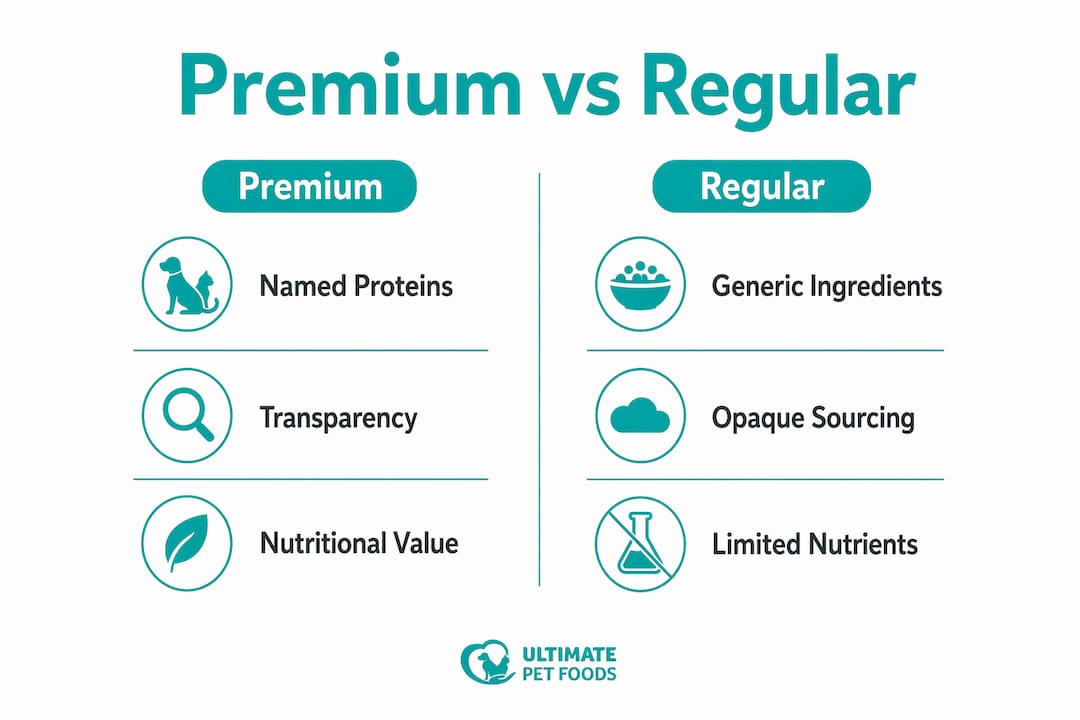
Premium food is defined by the quality of its ingredients, the transparency of its sourcing, and the nutritional value it delivers, not simply by its price. For dog owners exploring the boutique pet food market, this distinction matters enormously. A bag labelled “gourmet” or “artisan” tells you very little without knowing what sits behind those words. At Ultimatepetfoods, we believe that understanding what genuinely separates a premium product from a standard one gives you the confidence to make choices your dog will benefit from every single day.
What makes food premium: the core ingredient qualities
The most reliable indicator of a premium dog food is what appears at the top of the ingredient list. Named animal proteins such as deboned chicken, fresh salmon, or duck should always be listed first, not vague terms like “meat meal” or “animal derivatives.” This matters because named sources confirm both the species and the quality grade, giving you genuine transparency rather than marketing language.
Here is what to look for when assessing premium food ingredients:
- Named, identifiable proteins: Deboned chicken, fresh salmon, or lamb as the first ingredient confirms high-quality animal sourcing.
- Healthy fats from quality sources: Fish oil and chicken fat supply omega-3 and omega-6 fatty acids that support skin, coat, cognitive function, and heart health.
- Digestible carbohydrates: Ingredients like sweet potato, oats, and brown rice provide sustained energy without unnecessary fillers.
- Fresh fruits and vegetables: Blueberries, spinach, and carrots contribute antioxidants and natural fibre to support immune health and digestion.
- Prebiotics and probiotics: MOS (mannan-oligosaccharides) and FOS (fructo-oligosaccharides) actively support gut flora balance and long-term digestive wellbeing.
- Natural preservatives: Mixed tocopherols and rosemary extract maintain freshness without the artificial additives found in lower-quality foods.
At Ultimatepetfoods, our recipes use freshly prepared meat or fish, gently cooked at 82°C. This temperature is precise enough to lock in nutrients and natural flavours without the aggressive processing that strips food of its goodness. We also use human-grade ingredients throughout, which means the standard applied to what goes into your dog’s bowl is the same standard applied to food prepared for people.
Pro Tip: When comparing dog foods, ignore the front of the bag entirely. Flip it over and read the ingredient list from top to bottom. The first five ingredients tell you almost everything you need to know about quality.

How does nutritional science inform premium food value?
Understanding the science behind premium nutrition helps you see why ingredient quality translates directly into health outcomes. Here are the key nutritional principles that separate genuinely premium dog food from products that merely look the part:
-
Bioavailable protein: Protein from named whole meat sources is more readily absorbed than protein from rendered meals or plant-based alternatives. Bioavailable protein quality from named animal sources drives nourishment in ways that front-of-bag marketing simply cannot replicate.
-
Complete amino acid profiles: Dogs require ten essential amino acids they cannot synthesise themselves. A premium food supplies all ten through its protein sources, supporting muscle maintenance, immune function, and tissue repair.
-
Omega fatty acids for functional health: EPA and DHA, the omega-3 fatty acids found in oily fish like salmon and mackerel, support joint mobility, cognitive health, and cardiovascular function. These are not optional extras in a quality recipe; they are foundational.
-
Ingredient transparency beyond minimum standards: Organisations like AAFCO (Association of American Feed Control Officials) set minimum nutritional thresholds, but premium brands go further by disclosing exact ingredient origins, sourcing regions, and processing methods.
-
Processing methods that protect nutrients: High-temperature extrusion, used in many mass-market kibbles, can degrade heat-sensitive vitamins and enzymes. Gentle cooking at controlled temperatures, as practised by Ultimatepetfoods, preserves more of the natural nutritional profile.
Our Ultimate+ Functional Health range takes this further by using hydrolysed proteins, which are proteins broken down into smaller molecules for easier absorption. This range includes targeted formulas for Digestive Care, Skin and Coat Care, Weight Control and Joint Care, Dental Care, and Healthy Living, each designed for everyday feeding rather than short-term supplementation. You can read more about how probiotics support gut health and why they feature in our recipes.
Pro Tip: Look for foods that list the percentage of each named meat ingredient on the packaging. A brand confident in its sourcing will show you exactly how much fresh chicken or salmon is in every batch.
What role does packaging and brand experience play in premium perception?
The impression of premium quality forms before your dog takes a single bite. Packaging design using restrained colour palettes, confident typography, and high-quality materials signals value at the shelf before any ingredient is read. This is not superficial. It reflects the care and investment a brand places in every touchpoint of the customer experience.
Authentic premium positioning rests on four pillars:
- Clarity of messaging: Confident, specific claims (“made with 65% freshly prepared salmon”) outperform vague superlatives (“premium quality recipe”). Specificity builds trust.
- Consistent quality across every batch: A brand that delivers the same standard every time earns loyalty. Inconsistency, even once, erodes the premium perception built over months.
- Genuine storytelling about sourcing and craft: Consumers respond to brands that explain where their ingredients come from and why those choices were made, not just what is in the bag.
- Alignment between price and perceived value: Misalignment between price and perceived quality breeds scepticism. A premium price must be substantiated by every element of the product experience, from ingredient list to customer service.
“Premium impression is formed before tasting via visual cues and brand narrative. Consistent alignment across all touchpoints is what sustains premium status over time.” — Toast Food Branding, 2026
Ultimatepetfoods approaches this by communicating openly about our ingredients, cooking methods, and the nutritional reasoning behind every recipe. We believe that a dog owner who understands why a food is made a certain way is far more likely to trust it for the long term.
How do consumers decide what makes food worth paying for?
The definition of premium has shifted considerably. Premium meaning is now uncoupled from price due to inflationary pressures, and is instead tied to consumer values such as health, transparency, and ethical sourcing. This is particularly true in the UK pet food market, where owners increasingly treat their dogs as family members deserving the same nutritional consideration they apply to their own diets.
Consumers base premium purchases on ingredient quality, craft, exclusivity, and presentation rather than price alone. This means a well-formulated, clearly labelled dog food from a specialist brand can command genuine loyalty even against cheaper supermarket alternatives, provided it delivers on its promises consistently.
The table below summarises the key factors UK dog owners weigh when assessing premium value:
| Consumer priority | What it means in practice |
|---|---|
| Ingredient transparency | Named protein sources, clear percentages, no vague by-products |
| Functional health benefits | Omega fatty acids, prebiotics, hydrolysed proteins for targeted support |
| Ethical sourcing | Traceable origins, responsible farming or fishing practices |
| Brand consistency | Same quality every bag, honest communication, responsive customer care |
| Everyday suitability | Complete and balanced for daily feeding, not a short-term supplement |
Affordable luxury trends show that even under economic pressure, consumers will prioritise spending on products that align with their values. For dog owners, that often means choosing a food they trust over one that is simply cheaper. Ultimatepetfoods sits squarely in this space, offering premium nutrition that is designed for everyday feeding across all breeds and life stages.
Key takeaways
Premium dog food is defined by named, bioavailable protein sources, transparent ingredient sourcing, and a consistent brand experience that substantiates every quality claim it makes.
| Point | Details |
|---|---|
| Ingredient quality is the foundation | Named proteins like deboned chicken or salmon must appear first on the ingredient list. |
| Nutritional science separates good from great | Bioavailable proteins, omega fatty acids, and prebiotics like MOS and FOS deliver measurable health outcomes. |
| Packaging and brand narrative matter | Premium perception forms before tasting; consistent messaging sustains trust over time. |
| Consumer values now drive premium decisions | Health, transparency, and ethical sourcing outweigh price as purchase motivators in 2026. |
| Everyday suitability is non-negotiable | Genuinely premium dog food is complete, balanced, and suitable for lifelong daily feeding. |
Why I think most people are looking at premium dog food the wrong way
After years of working closely with pet nutrition and speaking with dog owners across the UK, the most common mistake I see is confusing premium marketing with premium food. A beautifully designed bag with words like “natural,” “artisan,” or “wholesome” on the front tells you nothing about what is actually inside. I have seen foods with those exact words on the label that list “meat and animal derivatives” as their primary protein source. That is not premium. That is packaging doing the work that ingredients should be doing.
The second mistake is treating price as a proxy for quality. Some of the most nutritionally sound dog foods I have encountered are not the most expensive on the market. What they share is specificity: named ingredients, clear percentages, and a brand willing to explain its choices. Ingredient quality standards show that only a handful of key components truly determine nutritional value, and those components are easy to verify if you know what to look for.
My honest advice is this: read the ingredient list as if you were buying food for yourself. Would you accept “meat” as a description of what is in your dinner? Probably not. Your dog deserves the same scrutiny. Brands like Ultimatepetfoods make this easy by being transparent about every ingredient, every percentage, and every cooking method. That consistency, maintained across every product and every bag, is what genuine premium looks like in practice.
— Glenn
Discover Ultimatepetfoods’ premium dry dog food range
If you are ready to put these principles into practice, Ultimatepetfoods makes it straightforward. Our complete dry dog food recipes are made with freshly prepared meat or fish, gently cooked at 82°C to preserve nutrients and natural flavour. Every recipe uses human-grade ingredients and is formulated to be complete and balanced for daily feeding, suitable for all breeds and life stages.
Our grain-free range removes unnecessary fillers and replaces them with digestible, nutrient-rich alternatives. If your dog has specific health needs, our Ultimate+ Functional Health range offers targeted support through hydrolysed proteins and functional nutrients, covering everything from digestive care to skin and coat health. Explore the benefits of grain-free feeding or browse our dry dog food options to find the right recipe for your dog today.
FAQ
What defines premium food beyond price?
Premium food is defined by ingredient quality, sourcing transparency, functional nutritional benefits, and a consistent brand experience. Price alone is not a reliable indicator of genuine quality.
What ingredients should I look for in premium dog food?
Named animal proteins such as deboned chicken or fresh salmon should appear first, followed by quality fats, digestible carbohydrates, and functional additives like MOS and FOS prebiotics. Avoid foods listing vague terms like “meat derivatives” or “animal by-products.”
How does cooking method affect dog food quality?
Gentle cooking at controlled temperatures, such as 82°C, preserves heat-sensitive nutrients and natural flavours better than high-temperature extrusion. This makes a meaningful difference to the bioavailability of proteins, vitamins, and fatty acids in the finished food.
Is grain-free dog food considered premium?
Grain-free recipes can be premium when they replace grains with nutritionally superior alternatives like sweet potato or oats, rather than simply removing them. The quality of every ingredient, not the absence of grains alone, determines the overall nutritional standard.
What is the Ultimate+ Functional Health range?
The Ultimate+ Functional Health range from Ultimatepetfoods uses hydrolysed proteins and targeted functional nutrients to support specific health needs, including Digestive Care, Skin and Coat Care, Weight Control and Joint Care, Dental Care, and Healthy Living. It is designed for everyday feeding, not short-term use.