
Choose the best fresh ingredients pet food for your dog
Selecting the right fresh ingredient pet food can feel overwhelming when you want the best for your dog’s health. Fresh, grain-free diets offer superior digestibility and cater to specific health needs, from allergies to senior care. This article guides you through essential criteria, top product options, and practical comparison points to help you make an informed choice that supports your dog’s wellbeing and vitality.
Table of Contents
- Key takeaways
- Criteria to evaluate fresh ingredients pet food
- Top fresh ingredient pet food options for specialised needs
- Comparing fresh ingredient pet foods: digestibility, hydration and safety
- Making the best choice: tailored fresh ingredient pet food for your dog
- Discover premium fresh, grain-free pet food options
- Frequently asked questions
Key Takeaways
| Point | Details |
|---|---|
| Digestibility edge | Fresh ingredient diets deliver eighty to ninety per cent digestibility, enhancing nutrient absorption especially for dogs with health issues. |
| Ingredient quality matters | Human grade and minimally processed ingredients preserve natural enzymes and nutrients that cooking at high temperatures destroys. |
| Hydration from food | Fresh food moisture supports kidney function and urinary tract health, while helping dogs drink less water. |
| Balanced grain free diets | Grain free formulations help dogs with sensitivities while ensuring balanced carbohydrate sources to avoid potential health risks. |
Criteria to evaluate fresh ingredients pet food
When choosing fresh ingredient pet food, understanding what separates premium options from mediocre ones becomes essential. Fresh ingredient pet foods achieve 80-90% digestibility, enhancing nutrient absorption especially for health-compromised dogs. This significant advantage over traditional kibble means your dog extracts more nutritional value from every meal, reducing waste and improving overall vitality.
Ingredient quality forms the foundation of any fresh pet food evaluation. Human-grade, minimally processed ingredients retain natural enzymes and nutrients that cooking at high temperatures destroys. Look for named protein sources like chicken, turkey, or salmon rather than vague terms like “meat meal”. Fresh vegetables and fruits should appear recognisably whole rather than as powders or extracts.
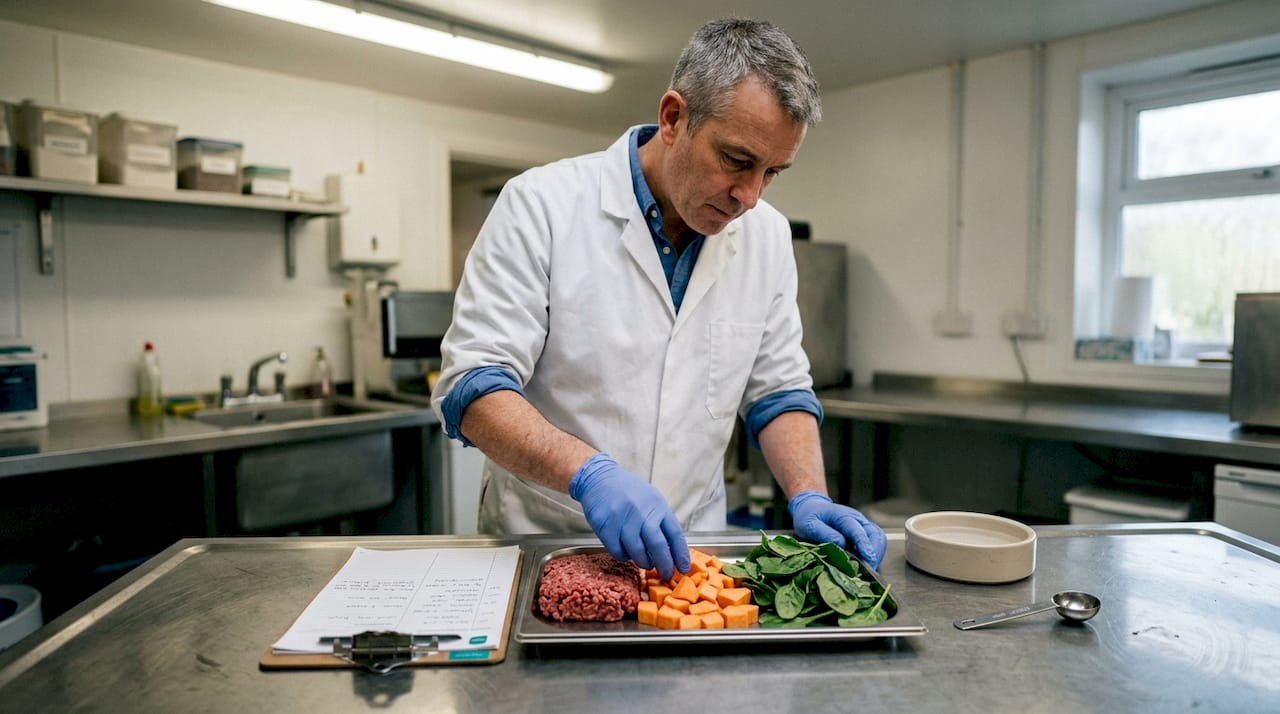
Hydration benefits distinguish fresh diets from dry alternatives significantly. The moisture content in fresh food supports kidney function and urinary tract health naturally. Dogs consuming fresh diets drink less water independently because their food provides substantial hydration, reducing strain on organs and helping prevent crystallisation issues.
Grain-free formulations address common allergen sensitivities effectively. Many dogs react to wheat, corn, and soy with digestive upset, skin irritation, or chronic inflammation. Removing these ingredients whilst maintaining balanced carbohydrate sources creates meals suitable for sensitive systems. However, balance remains crucial to avoid potential health risks.
Pro Tip: Check ingredient lists for legume content if your dog belongs to breeds associated with DCM risk. Whilst evidence remains inconclusive, moderation in peas, lentils, and chickpeas offers a sensible precaution.
Key evaluation criteria include:
- Protein source quality and percentage
- Absence of artificial preservatives, colours, and flavours
- Appropriate fat ratios for your dog’s activity level
- Vitamin and mineral fortification for complete nutrition
- Transparent sourcing and manufacturing practices
Top fresh ingredient pet food options for specialised needs
Fresh ingredient pet foods now cater to virtually every dietary requirement and health condition. Fresh human-grade food increased beneficial metabolites whilst lowering harmful compounds compared to kibble in senior dogs. This metabolomic evidence demonstrates tangible health improvements beyond basic nutrition, particularly valuable for ageing pets requiring extra support.
For senior dogs, formulations rich in antioxidants and omega fatty acids support cognitive function and joint health. These recipes typically feature easily digestible proteins like turkey or white fish combined with anti-inflammatory ingredients such as turmeric and blueberries. The improved metabolism observed in studies translates to better energy levels and reduced age-related decline.
Grain-free options specifically target dogs with food sensitivities or allergies. By omitting wheat, corn, and soy, these formulations reduce inflammatory triggers whilst maintaining nutritional completeness through alternative carbohydrate sources. Sweet potato, pumpkin, and butternut squash provide digestible energy without common allergen exposure. Understanding why grain-free diets benefit sensitive dogs helps you recognise whether your pet needs this specialisation.
Careful formulation prevents excessive legume content, which some research has tentatively linked to DCM risk in certain breeds. Premium fresh food manufacturers balance protein sources and carbohydrates thoughtfully, avoiding over-reliance on any single ingredient category. This approach maintains nutritional adequacy whilst minimising potential concerns.
Hydrating fresh diets particularly benefit dogs prone to urinary tract issues or kidney concerns. The natural moisture content supports proper organ function and helps flush the system regularly. For dogs recovering from illness or surgery, this hydration advantage accelerates healing and maintains strength during vulnerable periods.
Specialised fresh food options worth considering:
- Senior formulas with enhanced antioxidants and joint support
- Allergy-friendly recipes excluding common triggers
- Weight management options with controlled calorie density
- Active dog formulations with elevated protein and fat
- Sensitive stomach blends featuring single protein sources
Exploring senior dog food recipes reveals specific nutritional adjustments that support ageing gracefully. Matching your dog’s life stage and health status to appropriate formulations maximises the benefits fresh ingredients deliver.
Comparing fresh ingredient pet foods: digestibility, hydration and safety
Understanding how fresh ingredient pet foods compare across critical health metrics helps you make evidence-based decisions. Digestibility rates prove significantly higher in fresh diets versus kibble, supporting superior nutrient absorption. This difference becomes especially important for dogs with compromised digestive systems or those recovering from illness.
Fresh food diets increase water intake by 88g+ daily, supporting urinary health and reducing risk markers for struvite and calcium oxalate crystals. This substantial hydration boost occurs naturally through food moisture content, requiring less conscious water consumption from bowls. The urinary health benefits extend to reduced infection risk and better kidney function over time.
Cardiac safety concerns surrounding grain-free diets have received considerable attention recently. However, no echocardiographic changes were observed in dogs fed various carbohydrate sources including grain-free fresh diets across an 18-month study. This research provides reassurance that properly formulated grain-free fresh foods do not inherently harm cardiac function.
| Comparison factor | Fresh ingredient food | Traditional kibble |
|---|---|---|
| Digestibility | 80-90% nutrient absorption | 60-75% nutrient absorption |
| Moisture content | 65-80% natural hydration | 8-12% minimal moisture |
| Processing temperature | Low heat preserves nutrients | High heat destroys enzymes |
| Ingredient recognition | Whole, identifiable foods | Processed meals and by-products |
| Cardiac safety | No adverse effects with balance | Varies by formulation |
Legume content warrants consideration for breeds genetically predisposed to DCM, though evidence linking grain-free diets directly to heart disease remains inconclusive. Responsible manufacturers limit legume reliance whilst ensuring complete amino acid profiles through diverse protein sources. This balanced approach maintains safety whilst delivering grain-free benefits.
Pro Tip: Compare protein sources across brands rather than just percentages. Turkey and salmon offer different amino acid profiles than beef or lamb, affecting how your dog’s body utilises the nutrition.
Key comparison points for evaluation:
- Named protein sources versus generic descriptions
- Carbohydrate diversity and glycaemic impact
- Added supplements for joint, skin, and digestive health
- Manufacturing standards and quality certifications
- Price per feeding versus nutritional density
Comparing fresh dog food vs kibble reveals fundamental differences in bioavailability and health outcomes. Learning about the ultimate grain-free diet principles helps you recognise quality formulations that deliver on their promises.
Making the best choice: tailored fresh ingredient pet food for your dog
Selecting the ideal fresh ingredient pet food requires matching product characteristics to your dog’s individual requirements. For health-conscious owners, fresh grain-free diets suit allergies and hydration needs but require monitoring for breeds at DCM risk. This personalised approach ensures you maximise benefits whilst minimising any potential concerns.
Follow this decision framework systematically:
- Assess your dog’s current health status, including any diagnosed conditions, allergies, or sensitivities that require dietary management.
- Consider age-specific nutritional needs, particularly for puppies requiring growth support or seniors needing joint and cognitive care.
- Evaluate activity levels to determine appropriate calorie density and protein requirements for maintaining ideal body condition.
- Review ingredient lists for allergen avoidance, ensuring formulations exclude triggers your dog has reacted to previously.
- Consult your veterinarian before transitioning, especially if your dog takes medications or has chronic health conditions requiring dietary coordination.
- Monitor your dog’s response during the first month, watching for improved coat quality, energy levels, and digestive regularity.
Age-specific considerations prove particularly important for senior dogs. Metabolic changes in ageing dogs mean they benefit substantially from the enhanced bioavailability fresh ingredients provide. Reduced kidney function in older pets makes the hydration advantage of fresh diets especially valuable for maintaining organ health.
Allergy management requires careful ingredient scrutiny. Dogs with food sensitivities need formulations that eliminate common triggers whilst maintaining complete nutrition through alternative sources. Grain-free options naturally exclude wheat, corn, and soy, but check for other potential allergens like chicken or beef if your dog has broader sensitivities.
Breed-specific factors influence optimal choices significantly. Large breeds benefit from controlled calcium and phosphorus ratios to support skeletal health. Small breeds need calorie-dense formulations in smaller portions. Brachycephalic breeds may prefer certain textures over others. Understanding breed-specific dog food options helps you recognise these nuanced requirements.
Lifestyle factors affect nutritional needs substantially. Working dogs, agility competitors, and highly active pets require elevated protein and fat compared to sedentary companions. Fresh ingredient foods offer flexibility in meeting these varied demands through targeted formulations. Learning about all life stages grain-free nutrition reveals how single formulations can adapt across different life phases.
Ongoing monitoring ensures your chosen fresh food continues meeting your dog’s evolving needs. Regular veterinary check-ups including blood work provide objective measures of nutritional adequacy. Adjusting formulations as your dog ages or develops new health considerations maintains optimal wellbeing throughout their life.
Discover premium fresh, grain-free pet food options
Finding fresh ingredient pet food that meets your exacting standards becomes simpler when you explore dedicated premium ranges. Ultimate Pet Foods offers fresh, minimally processed grain-free diets formulated specifically for diverse health needs including allergies and age-specific care requirements.
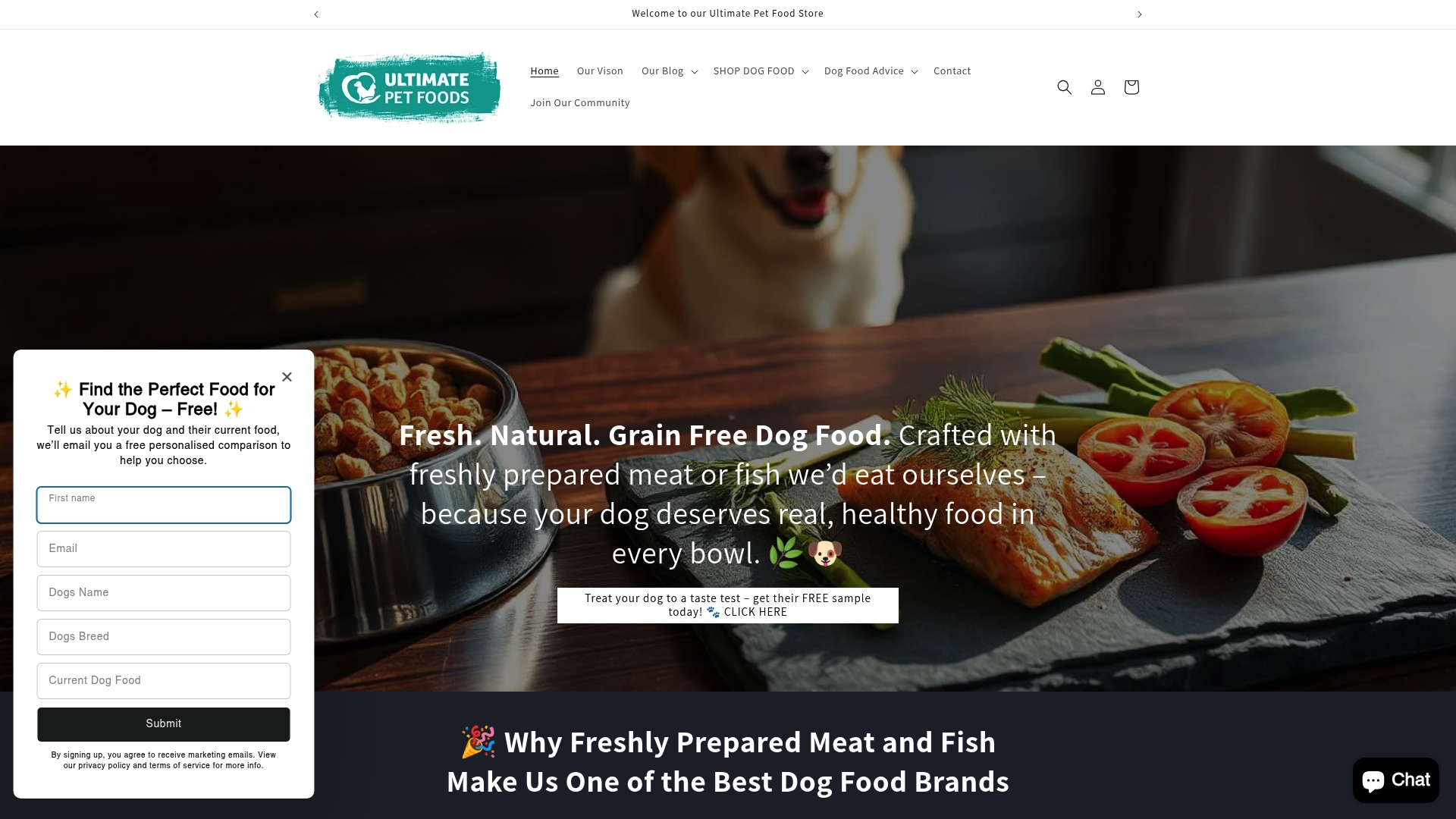
Their product range addresses the key criteria we’ve discussed throughout this article. Each formulation uses human-grade ingredients with transparent sourcing, ensuring you know exactly what your dog consumes. The grain-free approach eliminates common allergens whilst maintaining complete nutritional profiles through carefully selected alternative carbohydrates.
Explore detailed information about grain-free diet benefits to understand how these formulations support your dog’s specific health goals. Their comprehensive grain-free dog food ingredients guide breaks down each component’s nutritional contribution, helping you make informed comparisons.
For dogs with particular breed requirements, their breed-specific dog food explained resources provide tailored recommendations based on size, genetic predispositions, and common breed health considerations. This specialisation ensures your dog receives nutrition optimised for their unique physiology.
Frequently asked questions
Is fresh ingredient pet food better than kibble for my dog?
Fresh pet food offers higher digestibility and nutrient absorption compared to kibble, with rates reaching 80-90% versus 60-75% for processed alternatives. It supports hydration naturally and provides specific health benefits, particularly for seniors and sensitive dogs requiring enhanced nutritional support.
Are grain-free diets safe for dogs with heart conditions?
Studies show no direct causality between grain-free diets and DCM when formulations maintain proper nutritional balance. Balanced fresh diets without excessive legumes are safe for most dogs, though breeds genetically predisposed to cardiac issues warrant veterinary monitoring regardless of diet type.
How can I tell if fresh ingredient pet food suits my dog’s allergies?
Avoid common allergens such as wheat, corn, and soy by choosing fresh grain-free diets with single or limited protein sources. Consult your vet before transitioning and monitor for improvements in skin condition, coat quality, digestive regularity, and energy levels over four to six weeks.
How quickly will I see improvements after switching to fresh food?
Most dogs show noticeable improvements in coat shine and digestive regularity within two to three weeks of transitioning to fresh ingredient diets. Energy levels and overall vitality typically improve over one to two months as the body fully adapts to enhanced nutrient bioavailability.
Can I mix fresh ingredient food with kibble?
Mixing fresh food with kibble is possible but requires careful portion control to maintain balanced nutrition and appropriate calorie intake. Gradual transitions help digestive systems adapt, though feeding separately at different times may prevent digestive upset from differing digestion rates between food types.
Recommended
- Advantages of fresh ingredients for dogs in 2026
- How to choose natural dog food for your dog’s unique needs
- Fresh vs Meat Meal: Why Fresh Ingredients Make a Better Dog Food
- Best Dog Food | Fresh Ingredients for Happier, Healthier Dogs
- Hundeernährung richtig umstellen: Schritt-für-Schritt Anleitung – Blake & Benson