
Natural Flea Prevention for Dogs: Safer Solutions
Struggling to keep your dog’s coat free from pests without exposing them to harsh chemicals is an all-too-familiar challenge for many British pet owners. Fleas are more than a seasonal nuisance; they can trigger allergies and put your dog’s health at risk. For those embracing a natural, grain-free lifestyle, exploring natural flea prevention offers a holistic way to protect your dog while supporting their wellbeing. Discover gentle, chemical-free solutions designed to keep both your pet and home healthy.
Table of Contents
- What Is Natural Flea Prevention?
- Types of Natural Flea Control Methods
- How Remedies Work and Are Applied
- Risks and Limitations of Natural Options
- Comparing Natural Vs Chemical Flea Strategies
Key Takeaways
| Point | Details |
|---|---|
| Natural Approaches Prioritise Health | Natural flea prevention focuses on non-toxic methods that safeguard your dog’s overall wellbeing while minimising chemical exposure. |
| Multi-Faceted Strategies are Essential | Effective natural flea control involves a combination of dietary modifications, environmental management, and herbal interventions. |
| Regular Maintenance is Crucial | Consistent cleaning, grooming, and application of natural treatments are necessary to maintain an effective flea prevention strategy. |
| Consultation with Professionals is Recommended | Always seek advice from a veterinary professional before implementing new flea prevention methods to ensure they are safe and suitable for your pet. |
What Is Natural Flea Prevention?
Natural flea prevention represents a holistic approach to managing pesky parasites while prioritising your dog’s overall health and wellbeing. Unlike traditional chemical treatments, this method focuses on gentle, environmentally friendly strategies that minimise potential risks to your beloved pet. Comprehensive parasite management involves understanding fleas as more than just an irritating pest, but as potential carriers of serious health complications.
The core philosophy behind natural flea prevention centres on proactive, non-toxic methods that protect dogs without exposing them to harsh chemicals. These approaches recognise that chemical pesticides can potentially cause:
- Skin irritation and allergic reactions
- Digestive system disruptions
- Potential neurological symptoms in sensitive dogs
- Long-term health complications from repeated exposure
By contrast, natural prevention strategies aim to create an environment that is fundamentally inhospitable to fleas through multiple complementary techniques. This might include dietary modifications, environmental management, and targeted herbal interventions that work synergistically to discourage flea infestations.
Effective natural flea prevention requires a multi-faceted approach that considers both your dog’s internal health and external environment. Natural flea control methods emphasise understanding the flea lifecycle, identifying potential entry points, and implementing holistic strategies that support your dog’s natural defences. This means looking beyond immediate symptom treatment and focusing on creating a comprehensive wellness strategy.
Pro tip: Regularly vacuum your home, wash your dog’s bedding in hot water, and maintain a clean living environment to significantly reduce flea populations without resorting to chemical interventions.
Types of Natural Flea Control Methods
Natural flea control encompasses a diverse range of strategies that work harmoniously to protect your dog from these persistent parasites. Comprehensive natural methods offer pet owners multiple approaches to managing flea populations without relying on harsh chemical treatments. These techniques focus on creating an environment that naturally repels and eliminates fleas through targeted, holistic interventions.
The most effective natural flea control methods can be categorised into several key approaches:
-
Physical Removal Techniques
- Using fine-toothed flea combs
- Regular brushing and grooming
- Washing bedding in hot water
-
Environmental Management
- Maintaining clean living spaces
- Reducing outdoor flea habitats
- Vacuuming frequently
-
Natural Topical Treatments
- Essential oil sprays
- Apple cider vinegar solutions
- Diatomaceous earth applications
-
Dietary Interventions
- Brewer’s yeast supplements
- Nutritional support to boost immune system
- Dietary modifications that discourage flea attraction
Diatomaceous earth stands out as a particularly powerful natural flea control method. This fine powder works by physically destroying the exoskeletons of fleas, causing dehydration and death. When applied carefully to your dog’s coat and living areas, it provides a non-toxic barrier against these persistent parasites. However, it’s crucial to use food-grade diatomaceous earth and apply it sparingly to avoid respiratory irritation.
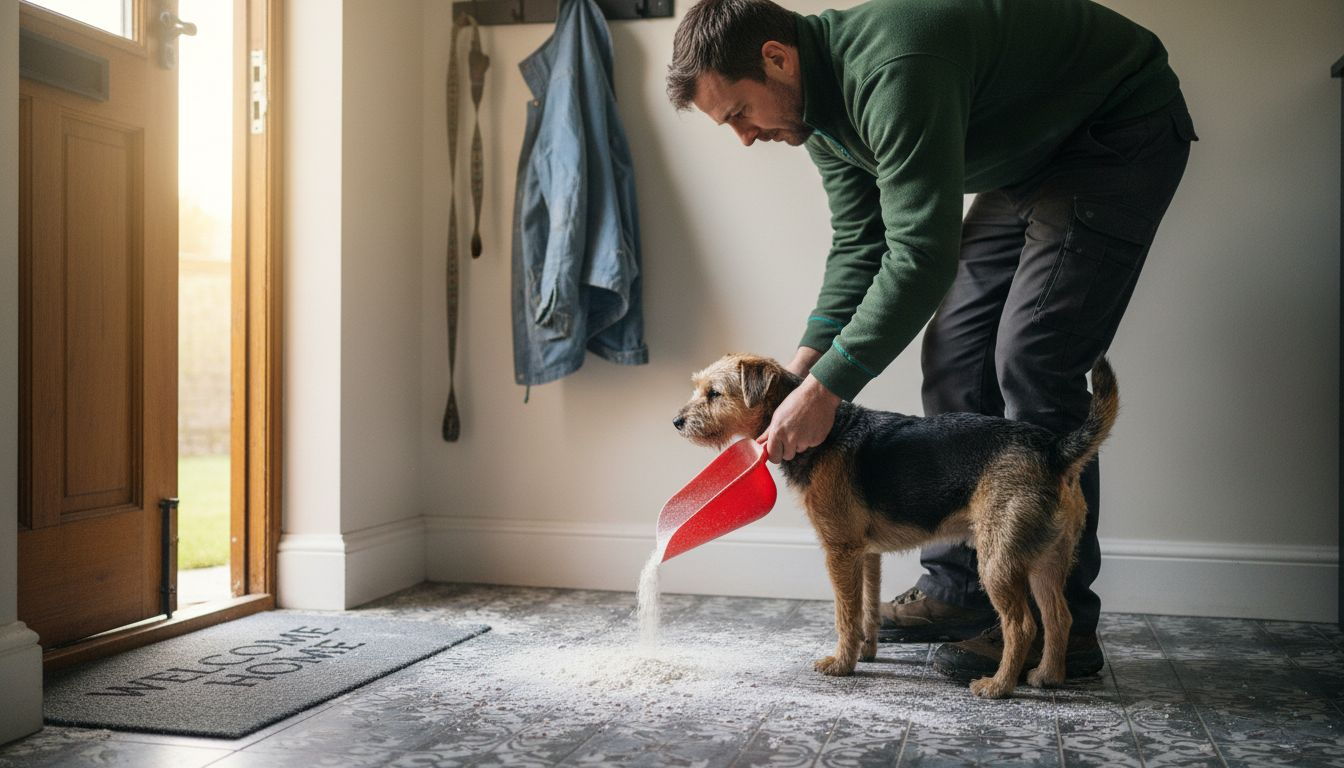
Natural herbal treatments offer another compelling approach to flea prevention. Certain essential oils like lavender, cedarwood, and lemongrass can act as natural repellents, creating an environment that fleas find unpleasant. These botanical solutions not only help control flea populations but also provide a pleasant, chemical-free alternative to traditional treatments.
Pro tip: Combine multiple natural flea control methods for maximum effectiveness, and always consult with your veterinarian to ensure the safety of any new prevention strategy.
Here is a comparison of common natural flea prevention methods and their key characteristics:
| Method | Mode of Action | Typical Application Frequency | Special Considerations |
|---|---|---|---|
| Diatomaceous earth | Physical desiccation of fleas | Weekly, or as needed | Use food-grade only; avoid inhalation |
| Essential oil sprays | Repels fleas via scent | Every few days | Always dilute, patch test first |
| Dietary supplements | Enhances immune defences | Daily | Consult a vet before changes |
| Environmental cleaning | Interrupts flea life cycle | Multiple times weekly | Wash bedding in hot water |
How Remedies Work and Are Applied
Natural flea remedies operate through multiple sophisticated mechanisms designed to protect dogs from these persistent parasites. Comprehensive flea prevention strategies focus on disrupting the flea lifecycle through proactive and reactive approaches that target both the dog and its immediate environment. These methods work synergistically to create an inhospitable ecosystem for fleas while supporting the dog’s natural defences.
The primary modes of action for natural flea remedies can be categorised into three distinct approaches:
-
Physical Removal Methods
- Mechanical extraction using fine-toothed flea combs
- Regular grooming to detect and remove live fleas
- Immediate elimination of visible parasites
-
Repellent Techniques
- Essential oil-based sprays
- Natural botanical deterrents
- Creating uncomfortable environments for fleas
-
Preventative Interventions
- Dietary supplements to boost immunity
- Improving overall dog health
- Reducing attractiveness to parasites
Topical applications play a crucial role in natural flea control. Essential oils like lavender, cedarwood, and lemongrass can be carefully diluted and applied to a dog’s coat, creating a natural barrier against flea infestations. Apple cider vinegar solutions offer another effective topical treatment, with its acidic properties making the dog’s skin less appealing to parasites. Natural remedy application requires precision and consistency to achieve optimal results.
Environmental management forms an integral part of natural flea control strategies. This involves regular cleaning of living spaces, washing dog bedding in hot water, and maintaining a hygienic environment that interrupts the flea reproduction cycle. Diatomaceous earth can be strategically applied to carpets, bedding, and outdoor areas to provide an additional layer of natural pest control.
Pro tip: Create a consistent routine combining multiple natural flea prevention methods, and always patch test new treatments to ensure your dog’s skin sensitivity.
Risks and Limitations of Natural Options
Natural flea prevention methods, while appealing to health-conscious pet owners, come with notable limitations and potential risks that require careful consideration. Veterinary parasite control emphasises that these approaches should not be viewed as complete replacements for professional medical interventions, but rather as complementary strategies in comprehensive flea management.
The primary limitations of natural flea control methods include:
-
Efficacy Challenges
- Less immediate impact compared to chemical treatments
- Inconsistent protection levels
- Reduced effectiveness in heavy infestations
-
Application Complexities
- Requires more frequent and consistent application
- Demands precise timing and technique
- Higher maintenance compared to traditional treatments
-
Potential Adverse Reactions
- Risk of allergic responses to essential oils
- Skin sensitivity in some dog breeds
- Potential toxicity if incorrectly applied
Essential oils, often celebrated as natural flea repellents, present particularly nuanced risks. Natural remedy application demands meticulous attention, as certain botanicals can trigger unexpected allergic reactions or skin irritations in sensitive dogs. Lavender, tea tree, and citrus oils, while naturally derived, can cause significant dermatological complications if not properly diluted or used inappropriately.
Moreover, natural flea prevention methods lack the rigorous testing and standardisation of veterinary-approved chemical treatments. This means their protective capacity can vary dramatically based on environmental conditions, individual dog characteristics, and precise application techniques. Pet owners must understand that these methods should be viewed as supplementary strategies rather than standalone solutions, especially in high-risk flea environments.
Pro tip: Always consult with a veterinary professional before implementing any natural flea prevention strategy, and maintain a balanced approach that combines multiple protective methods.
Comparing Natural vs Chemical Flea Strategies
The debate between natural and chemical flea prevention strategies reveals a complex landscape of effectiveness, safety, and environmental considerations. Toxic pet treatment impacts underscore the critical need for pet owners to carefully evaluate their flea control approaches, balancing immediate pest elimination with long-term health and ecological consequences.
Key differences between natural and chemical flea strategies include:
-
Chemical Treatments
- Rapid and potent flea elimination
- Standardised and scientifically tested
- Immediate visible results
- Higher risk of environmental contamination
-
Natural Approaches
- Gentler on pet’s biological systems
- Lower environmental impact
- Requires more consistent application
- Supports holistic health management
Chemical flea treatments, predominantly based on synthetic pesticides like fipronil and imidacloprid, offer quick and decisive flea control. Natural prevention methods provide a contrasting approach that emphasises prevention through holistic wellness, focusing on creating an environment that naturally discourages parasitic infestations.
Environmental considerations play a significant role in this comparison. Chemical treatments have been linked to substantial ecological disruption, with studies revealing potential contamination of water systems and harm to broader ecosystems. Natural strategies, while potentially less immediately effective, represent a more sustainable approach that minimises chemical exposure for both pets and their surrounding environments.
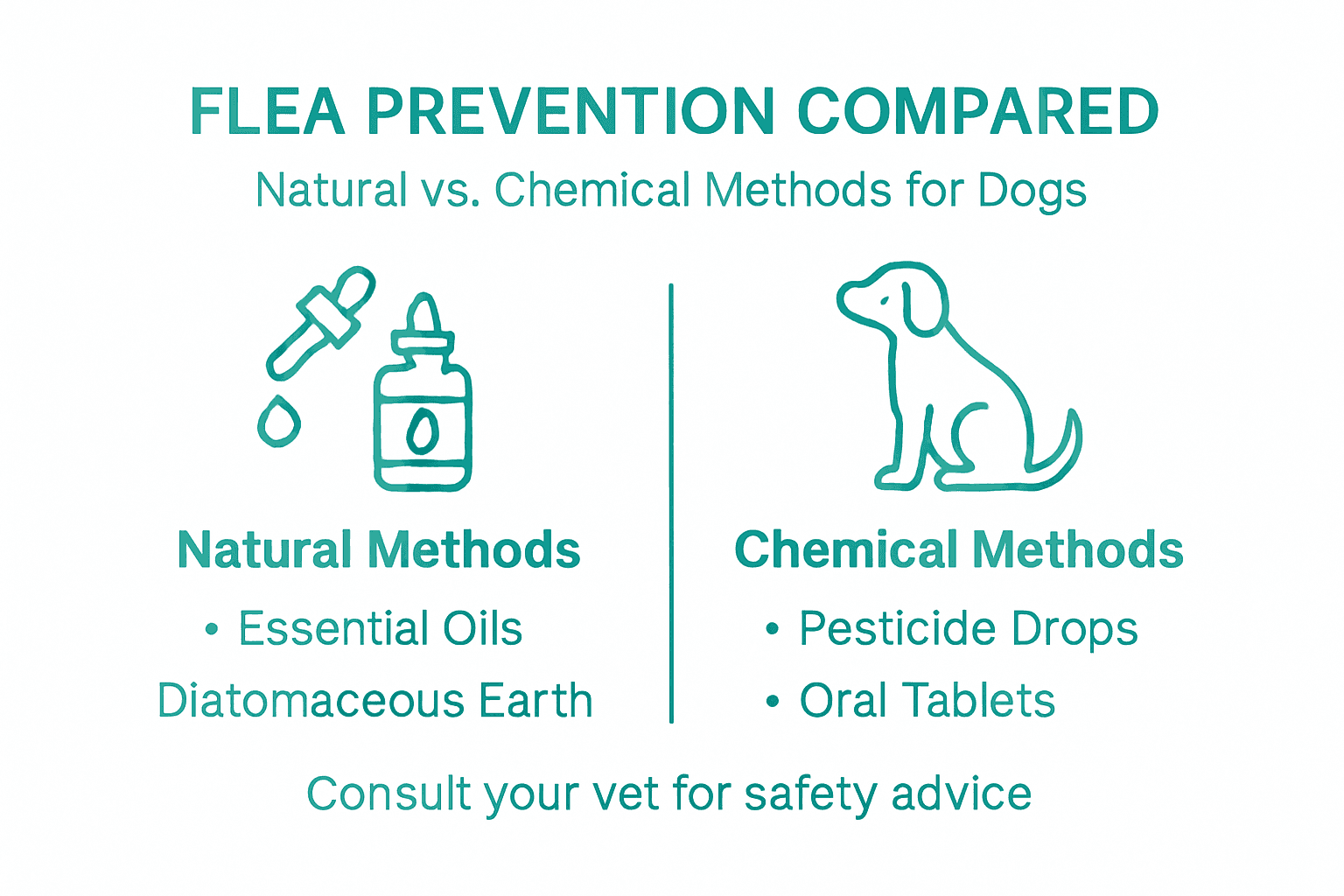
The following table highlights the environmental impact of natural versus chemical flea control approaches:
| Approach | Impact on Environment | Disposal Concerns | Ecological Effects |
|---|---|---|---|
| Chemical | Can contaminate water | Requires hazardous waste caution | Harmful to beneficial insects |
| Natural | Minimal chemical residue | Typically compostable or neutral | Lower risk to non-target species |
Pro tip: Consult with a veterinary professional to develop a personalised flea prevention strategy that balances effectiveness, safety, and environmental responsibility.
Enhance Your Dog’s Natural Defences with Tailored Nutrition
Struggling to keep fleas at bay while ensuring your dog stays healthy and comfortable is a challenge many pet owners face. This article highlights the importance of natural flea prevention methods that avoid harsh chemicals and support your dog’s overall wellbeing. Key concerns like skin irritation and the need for a holistic approach to parasite control demonstrate why boosting your dog’s internal health is just as vital as environmental management.
Unlock the power of nutrition with our premium Dry Dog Food | Grain-Free & Science-Backed Kibble uniquely designed to strengthen your dog’s immune system and promote a healthy skin and coat — essential in creating natural resistance against fleas. Combine this with our Dog Treats - Healthy & Natural with Functional Benefits – Ultimate Pet Foods that provide added nutritional support for a comprehensive wellness strategy.

Take control today and protect your pet with nature’s best through specialised nutrition. Visit Ultimate Pet Foods now to explore our natural, health-focused ranges and help your dog thrive free from chemical exposure.
Frequently Asked Questions
What are safe natural flea prevention methods for dogs?
Safe natural flea prevention methods for dogs include physical removal techniques like using a fine-toothed flea comb, regular grooming, and washing bedding in hot water. Additionally, environmental management such as frequent vacuuming and maintaining clean living spaces, and natural topical treatments like essential oil sprays can help repel fleas.
How does diatomaceous earth work for flea control?
Diatomaceous earth works by physically desiccating fleas, causing them to dehydrate and die. When applied to your dog’s coat and living areas, it creates a non-toxic barrier against fleas, but it’s important to use food-grade diatomaceous earth and to apply it sparingly to avoid respiratory irritation.
Are essential oils safe for dogs in flea prevention?
Essential oils can be effective in flea prevention, but they should always be diluted and patch tested before use. Some oils, like lavender and cedarwood, can repel fleas, but it’s essential to monitor your dog for any signs of allergic reactions or skin irritation.
How do natural flea prevention methods compare to chemical treatments?
Natural flea prevention methods tend to be gentler on pets and the environment, focusing on holistic health management. In contrast, chemical treatments offer rapid efficacy but may involve risks of environmental contamination. Natural methods require consistent application, whereas chemical options often yield immediate results.
Recommended
- Dog Safe Herbs and Spices: Natural Nutrition Boost
- Holistic Remedies for Dogs – Supporting Natural Health
- Natural Preservatives: Safeguarding Dog Food Naturally
- Natural Remedies for Dog Allergies: Lasting Relief
- Honden en hooikoorts – Oplossingen voor allergische baasjes - Mijn Voedsel Intolerantie Test