
Holistic dog nutrition explained for mindful owners
TL;DR:
- Holistic dog nutrition supports your dog’s entire well-being by emphasizing high-quality, identifiable ingredients and balanced nutrients.
- Many homemade or alternative diets lack essential minerals or proper ratios, risking health issues, emphasizing the importance of verified, complete formulas.
Plenty of dog owners assume that “natural” or “holistic” automatically means their dog is getting everything they need. It’s one of the most common and genuinely well-meaning mistakes we see. Holistic dog nutrition explained properly goes far beyond ingredient labels and grain-free claims. True holistic feeding means supporting your dog’s whole body, from gut flora and joint health to skin, coat, and mental wellbeing, whilst also meeting every essential nutrient requirement. This guide walks you through exactly how to do that.
Table of Contents
- What does holistic dog nutrition really mean?
- How to ensure holistic diets are nutritionally complete and balanced
- Risks and realities of homemade and alternative holistic diets
- Transitioning your dog to a holistic diet safely
- Choosing the right holistic food for your dog’s unique needs
- Why ingredient quality alone isn’t enough for true holistic nutrition
- Discover Ultimate Pet Foods for wholesome, lifelong holistic nutrition
- Frequently asked questions
What does holistic dog nutrition really mean?
The word “holistic” gets thrown around a lot in pet food marketing, but the actual principle is worth understanding deeply. Rather than simply hitting minimum nutrient thresholds, a holistic dog food approach considers how every ingredient affects your dog’s body as a whole. That means holistic formulations consider effects on digestion, coat, energy, joints, and mental health, not just minimum nutrients.
In practice, this means choosing foods built around whole, identifiable ingredients. Think freshly prepared chicken, salmon, or turkey rather than “meat derivatives,” and named vegetables like sweet potato or peas rather than generic fillers. These ingredients matter because they carry naturally occurring micronutrients, enzymes, and phytonutrients that processed alternatives simply lack.
There is also a fascinating gut-body connection at the heart of understanding holistic dog nutrition. Your dog’s gut microbiome influences immune function, skin condition, mood, and even behaviour. A diet rich in prebiotic fibres and digestible proteins feeds beneficial gut bacteria, which in turn supports almost every other system in the body. Every wag and bounce really does start from the inside.
A genuinely holistic natural dog diet accounts for individual variation too. A working Border Collie, a senior Labrador, and a young French Bulldog have genuinely different caloric and nutritional demands. Breed size, activity level, age, and any existing health conditions all shape what “complete nutrition” looks like for that particular dog.
Key qualities of a truly holistic diet include:
- Named meat or fish as the primary protein source
- Whole fruits and vegetables providing natural vitamins and antioxidants
- No artificial colours, flavours, or preservatives
- Prebiotic support to nourish the gut microbiome
- Formulation suited to life stage and breed size
“True holistic nutrition is not just about removing bad ingredients. It is about adding the right ones in the right amounts to support every aspect of your dog’s health.”
How to ensure holistic diets are nutritionally complete and balanced
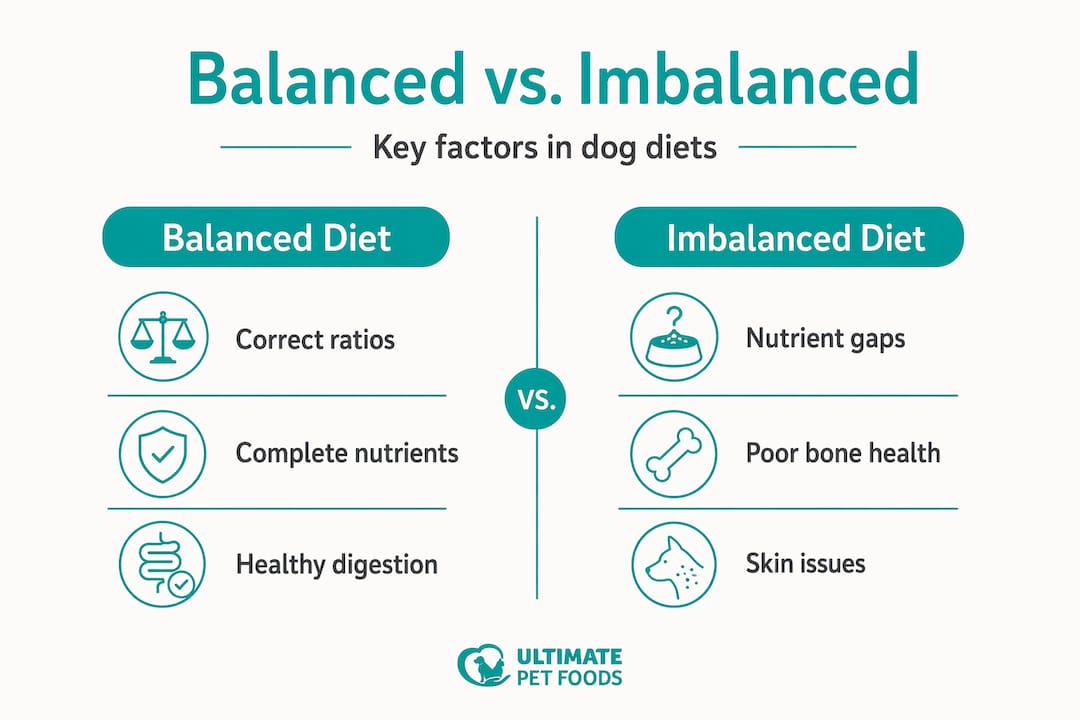
This is where the understanding canine diets conversation gets more nuanced, and where many well-intentioned owners come unstuck. Ingredient quality and nutritional completeness are two separate things entirely. A food can contain beautiful, premium ingredients and still leave your dog deficient in calcium, iodine, or vitamin D.
The phrase “complete and balanced” on a dog food label has real meaning. It signals that the food meets all required nutrients in correct ratios, not just ingredient quality. Standards such as AAFCO (Association of American Feed Control Officials) and FEDIAF (the European equivalent) define minimum and maximum levels for dozens of nutrients across life stages.
One ratio that trips up homemade and alternative diets particularly often is calcium to phosphorus. Dogs need both minerals in balance, typically around 1.2:1. Too much phosphorus relative to calcium, which happens easily in meat-heavy diets without added bone meal or calcium carbonate, stresses the skeletal system and kidneys over time.
| Nutrient concern | Why it matters | Common gap in DIY diets |
|---|---|---|
| Calcium | Bone density and nerve function | Low in muscle-meat-only recipes |
| Phosphorus balance | Kidney health, bone metabolism | Elevated when meat dominates |
| Iodine | Thyroid function | Absent in most home recipes |
| Vitamin D | Calcium absorption, immune support | Hard to source from food alone |
| Zinc | Skin, coat, immune response | Poorly bioavailable from plant sources |
Balanced nutrition also supports conditions you might not immediately connect to food. Dry, itchy skin is often a zinc or omega fatty acid issue. Stiff joints in older dogs frequently respond to adequate levels of glucosamine and omega-3s. Loose stools in a dog on a “healthy” diet can signal a fibre or probiotic imbalance rather than anything more serious. See our complete dog nutrition guide for a deeper breakdown of how each nutrient group functions.
Pro Tip: When evaluating any commercial holistic food, look for “complete and balanced for all life stages” or a specific life-stage statement on the packaging. This is your clearest indicator that a nutritionist has verified the formula, not just a marketing team.
Risks and realities of homemade and alternative holistic diets
Homemade dog nutrition is appealing for obvious reasons. You control every ingredient. You know exactly what your dog is eating. And for dogs with severe allergies or sensitivities, tailoring a recipe at home can feel like the only safe option. We understand that impulse completely.
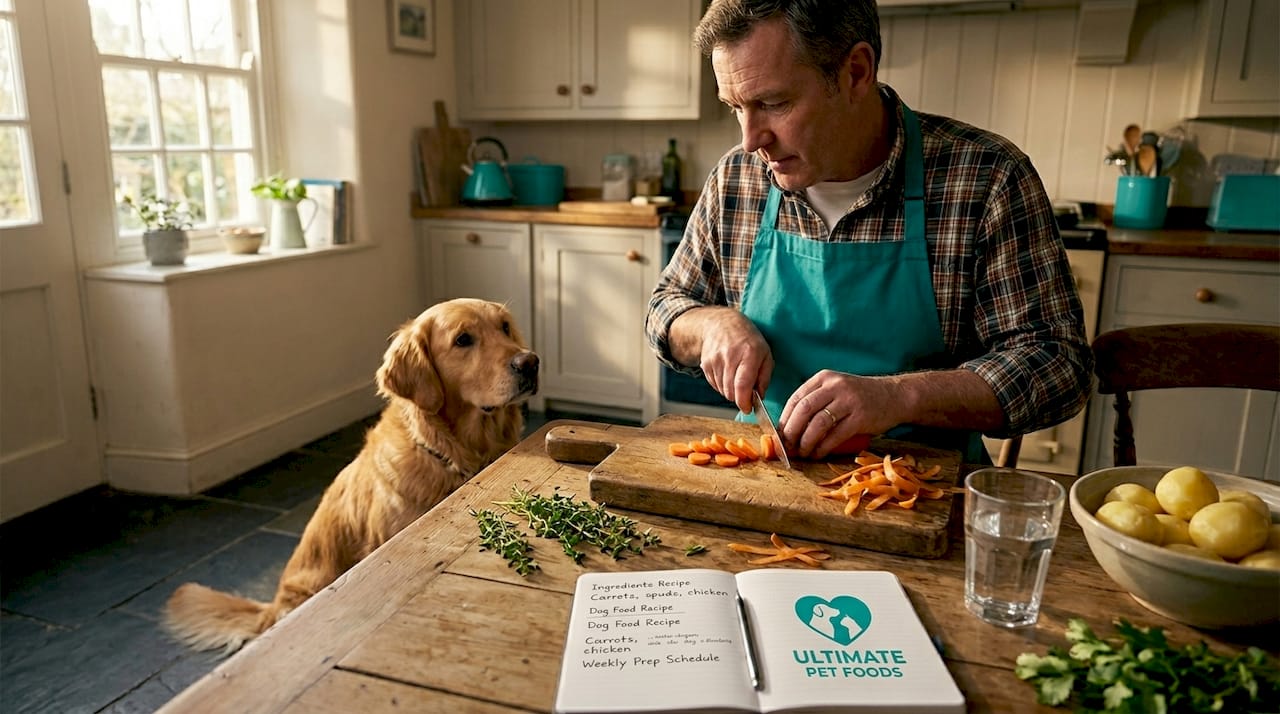
The difficulty is that most homemade recipes lack essential nutrients or have imbalanced mineral ratios, causing serious health problems. Studies consistently find that the vast majority of online and book-sourced homemade recipes fail to meet AAFCO or FEDIAF guidelines, even when they look varied and nutritious on paper.
The most clinically serious issue is calcium/phosphorus imbalance. Young dogs fed calcium-deficient diets during growth phases can develop nutritional secondary hyperparathyroidism, a condition where the parathyroid gland leaches calcium from bones to compensate. The resulting skeletal damage can be permanent.
| Diet type | Key risk | How to mitigate |
|---|---|---|
| Raw meat only | Calcium deficiency, bacterial contamination | Add raw meaty bones or calcium supplement |
| Home-cooked | Multiple micronutrient gaps | Use vet nutritionist-approved recipe |
| Vegan/vegetarian | Taurine, L-carnitine, vitamin B12 gaps | Use fully formulated vegan complete food |
| Commercial holistic | Variable formulation quality | Check for FEDIAF/AAFCO complete statement |
On the topic of plant-based feeding, the science is more positive than many expect. Well-formulated vegan diets can be nutritionally adequate and comparable in digestibility to meat-based diets, provided anti-nutritional factors in legumes and grains are properly processed out. The key word is “formulated.” A vegan diet assembled from whole vegetables and pulses without specific supplementation is not the same as a nutritionally verified vegan complete food. Read more about the problems with homemade dog food and when homemade dog food supplements are necessary to fill those gaps safely.
Pro Tip: If you are committed to home cooking, work with a board-certified veterinary nutritionist rather than following online recipes. The investment is far smaller than treating the health problems a nutrient-deficient diet can cause.
Transitioning your dog to a holistic diet safely
Switching foods too quickly is one of the most common causes of digestive upset in dogs, even when the new food is genuinely better quality. The gut microbiome needs time to adjust its bacterial populations to process new proteins and fibre sources. Rushing this process means loose stools and an anxious dog, not a health transformation.
Transitioning over 7 to 10 days with careful monitoring for digestive upset is the standard veterinary recommendation. Here is a practical schedule that works well:
- Days 1 to 3: Feed 75% old food, 25% new food. Watch for any change in stool consistency or appetite.
- Days 4 to 6: Move to 50/50. This is often where mild loose stools appear. If they do, slow down rather than pushing forward.
- Days 7 to 8: Feed 25% old food, 75% new food. Most dogs are settled by this point.
- Days 9 to 10: Full transition to the new food. Stools should be firm and your dog’s appetite should be consistent.
- Week 3 onwards: This is when you start to see genuine benefits. Better coat shine, more stable energy, and healthier digestion become noticeable over three to four weeks.
Avoid changing both food brand and flavour simultaneously, as this makes it impossible to identify what caused any reaction. Keep a simple log of stool quality, energy, and appetite during the transition period. See our guides on transitioning dog foods successfully and transitioning to grain-free naturally for tailored advice.
Pro Tip: A small amount of plain, cooked pumpkin (about one teaspoon per 10kg of body weight) added to meals during transition helps firm loose stools and soothes the gut lining without interfering with the new food’s nutrition.
Choosing the right holistic food for your dog’s unique needs
Once you understand what genuine holistic nutrition requires, choosing the best holistic dog foods becomes much clearer. You are looking for a food that combines excellent ingredient quality with verified nutritional completeness, and ideally one that supports your dog’s specific health priorities.
Life-stage and health-focused holistic recipes can meet dogs’ individual needs with balanced nutrition and fresh, high-quality ingredients. Here is what to look for on the label and in the ingredient list:
- Freshly prepared meat or fish listed first, gently cooked at 82°C to preserve natural enzymes and amino acids whilst eliminating pathogens
- Human-grade ingredients throughout, which improves both palatability and nutrient bioavailability
- “Complete and balanced” statement covering the appropriate life stage
- Added MOS (mannan-oligosaccharides) and FOS (fructooligosaccharides), prebiotic fibres that feed beneficial gut bacteria and improve stool quality
- No artificial colours, flavours, or chemical preservatives
| Health priority | What to look for in food | Ingredient to seek |
|---|---|---|
| Sensitive digestion | High digestibility, prebiotics | Freshly prepared poultry, MOS/FOS |
| Skin and coat condition | Omega-3 and omega-6 balance | Salmon oil, linseed |
| Joint support | Glucosamine and chondroitin | Fish or chicken-based recipes |
| Weight management | Controlled fat, high protein | Lean freshly prepared meat |
| Dental health | Appropriate kibble texture | Specially sized kibble shapes |
For dogs with specific needs, exploring dry dog food options side by side helps clarify which formula fits best. Our Advanced Digestive Care formula is designed specifically for dogs with sensitive stomachs, and our breed-specific food guide explains how size and breed shape nutritional requirements in ways that genuinely matter.
Why ingredient quality alone isn’t enough for true holistic nutrition
We have spoken with many dog owners over the years who arrived here after months of feeding what they believed was a perfectly holistic, natural diet, only to find their dog developing dry skin, poor coat quality, or subtle digestive problems. Almost always, the food contained genuinely good ingredients. The problem was never the sourcing. It was the formulation.
The uncomfortable truth is that the holistic pet care conversation has drifted too far towards ingredients and not far enough towards nutritional science. Owners reading labels learn to celebrate named meats and reject grain. These are reasonable instincts. But they can create a blind spot around the harder question: does this food, however beautifully sourced, actually deliver every nutrient my dog needs in the correct ratio?
Practitioners see this most clearly with calcium/phosphorus balance. Homemade recipes frequently miss calcium/phosphorus balance, risking serious orthopaedic problems, particularly in growing dogs. By the time clinical signs appear, bone damage is often already done. No amount of organic chicken or cold-pressed oil reverses that.
Our view is that true holistic pet health tips always begin with this: start with a vet-formulated, nutritionally verified complete food as your foundation. Layer in fresh food toppers, rotation between proteins, and life-stage adjustments from there. The foundation must be sound. This approach protects your dog whilst still honouring the values behind natural feeding.
The problems with homemade dog food are not about effort or intention. They are about the genuine complexity of canine nutritional requirements, which took decades of veterinary science to map properly. Lean on that science. It is there to help your dog thrive.
Discover Ultimate Pet Foods for wholesome, lifelong holistic nutrition
We built Ultimate Pet Foods around a single belief: that your dog deserves food that is both beautifully made and scientifically sound. Every recipe starts with freshly prepared meat or fish, gently cooked at 82°C to lock in natural nutrients, flavour, and digestibility. We use human-grade ingredients throughout because quality at that level makes a genuine difference to how well your dog absorbs and uses every meal. 🐾
Our recipes are complete and balanced for all life stages, with added MOS and FOS prebiotics to support a thriving gut microbiome. Whether you are exploring our dry dog food range for everyday feeding or need targeted support through our Ultimate+ Functional Health range for digestive, skin, joint, dental, or weight concerns, we have a recipe built for your dog’s needs. You can also discover why so many owners choose grain-free nutrition as their holistic foundation. Real food, real results, every day.
Frequently asked questions
What does ‘complete and balanced’ mean on dog food labels?
It means the food “contains all required nutrients” in the correct ratios for a specific life stage, as defined by standards including AAFCO and FEDIAF. It is a nutritional standard, not a marketing claim.
Are homemade holistic diets safe for my dog?
They can be, but only when formulated by a veterinary nutritionist, because most homemade recipes lack multiple essential nutrients and carry imbalanced mineral ratios that can cause serious long-term health problems.
Can dogs thrive on plant-based or vegan diets?
Yes, provided the diet is properly formulated and complete, as vegan diets are broadly well digested and nutritionally adequate when formulated correctly, making them a viable option for dogs with specific dietary needs.
How should I transition my dog to a new holistic food?
Transition gradually over 7 to 10 days, mixing increasing proportions of the new food with the old, whilst monitoring stool quality and appetite, and consulting your vet if digestive symptoms persist beyond a few days.
What makes Ultimate Pet Foods holistic options suitable for everyday feeding?
Our recipes use freshly prepared, human-grade meat or fish gently cooked to preserve nutrients, include MOS and FOS prebiotics for gut health, and are formulated as complete and balanced recipes covering all life stages and breed sizes.