
High protein food for dogs: who needs it and how to switch
Most dogs don’t need a high-protein food, but a good number genuinely thrive on it. If your dog is a working breed, a recovering patient, an active adult, or a puppy, higher protein levels often support them well. If your dog is sedentary, overweight, or has diagnosed kidney disease, the standard advice is to stick with a balanced, moderate-protein diet and speak to your vet before changing anything.
Here’s a quick verdict by dog type:
- Working or high-activity dogs (agility, herding, gundogs): usually benefit from higher protein to support muscle recovery and sustained energy.
- Puppies and lactating bitches: need notably more protein for growth and milk production, often 22% or above on a dry-matter basis.
- Sedentary adult dogs at a healthy weight: generally do fine on a standard complete and balanced formula, no upgrade needed.
- Overweight or obese dogs: may benefit from a calorie-controlled, moderate-to-higher protein diet, but only under guidance, since higher protein foods are often more calorie-dense.
- Dogs with kidney disease or certain liver conditions: should not have protein increased without veterinary input.
Before you switch anything, check three things: the dry-matter protein percentage on your current food, your dog’s life stage and activity level against that figure, and whether any existing health condition means a vet chat comes first. Then transition gradually, never overnight.
Pro Tip: Photograph the guaranteed analysis panel on your current bag before you go shopping for a replacement. Having the numbers on your phone stops you comparing a wet food’s “as-fed” protein against a dry kibble’s, which is one of the most common label mistakes owners make.
Key Takeaways
Matching protein quality and quantity to your dog’s life stage, activity level and health status matters more than chasing the highest percentage on the label.
| Point | Details |
|---|---|
| Check dry-matter protein | Convert every label to dry-matter basis before comparing two foods’ protein content. |
| Match to life stage | Working dogs, puppies and lactating bitches typically need more protein than sedentary adults. |
| Watch calorie density | Higher-protein foods are often more calorie-dense, so adjust portions to avoid weight gain. |
| Transition gradually | Switch over 7 to 10 days and monitor stool quality, weight and energy levels throughout. |
| Consider Ultimate Pet Foods | Ultimate Superfoods 80 and the hydrolysed Ultimate+ Functional Health range offer freshly prepared, human-grade protein with added MOS and FOS for everyday feeding. |
Table of Contents
- What protein actually does for your dog
- What counts as high protein food for dogs, and how to read the label properly
- Who genuinely benefits from a higher protein diet
- The risks of overdoing protein and who should be cautious
- Which protein sources actually deliver quality, not just quantity
- How to choose the right high protein dog food
- How to transition your dog onto a new high protein food
- Increasing protein safely in homemade meals
- What the research actually shows about high protein diets
- Our take on protein quality versus protein hype
- Where Ultimate Pet Foods fits if you’re ready to switch
- Sources
- FAQ
What protein actually does for your dog
Protein builds and repairs your dog’s body, full stop. It supplies the essential amino acids dogs cannot make themselves, which get used for muscle tissue, skin, coat, enzymes, hormones and a functioning immune system. A dog fed too little protein, or protein missing key amino acids, will show it in slow-healing wounds, dull coat, and gradual muscle wastage.

Not all protein sources deliver the full set of essential amino acids in the right ratios. A “complete protein” contains all the essential amino acids a dog needs in usable amounts, which is why formulation matters as much as the percentage on the bag.
Life stage changes the maths considerably. Puppies and lactating bitches need markedly more protein than adult dogs at maintenance, often 22% or higher on a dry-matter basis, because they’re building new tissue rather than just maintaining it. Feed a growing puppy an adult maintenance formula and you risk under-supplying exactly the nutrient driving their development.
FEDIAF’s nutritional guidelines set minimum protein levels for each life stage and recommend that manufacturers aim for protein digestibility of 80% or higher. That digestibility figure matters more than most owners realise. It tells you how much of the stated protein your dog can actually absorb and use, rather than how much simply passes through.
Watch for these signs your dog’s protein intake might be off:
- Dull, brittle coat or excessive shedding can point to insufficient quality protein.
- Visible muscle loss along the spine or hips, especially in seniors, often signals inadequate protein or reduced digestibility.
- Unexplained weight gain on a high-protein diet usually means calorie density, not protein itself, is the issue.
- Slow wound healing or frequent minor infections can reflect a shortfall in amino acids supporting immune function.
What counts as high protein food for dogs, and how to read the label properly
That threshold has no legal definition, but it’s the practical rule of thumb most nutrition guides use to separate genuinely high-protein formulas from standard maintenance ones, which typically start around 18% crude protein DMB for adult dogs.
Here’s the catch that trips up most owners: you cannot compare protein figures straight off two labels unless both foods have similar moisture content.
- Find the crude protein percentage on the guaranteed analysis panel (the “as-fed” figure).
- Find the moisture percentage on the same panel.
- Calculate dry matter: 100 minus the moisture percentage.
- Divide crude protein by dry matter, then multiply by 100 to get the dry-matter protein percentage.
Worked example: a wet food lists 10% crude protein and 78% moisture. Dry matter is 22% (100 minus 78). Divide 10 by 22 and multiply by 100, and you get roughly 45% protein on a dry-matter basis, which is actually very high, despite looking modest on the tin.
There’s a second wrinkle worth understanding. Crude protein is a nitrogen-based measurement, not a digestibility or quality score. A food can post an impressive crude protein number while still delivering poor amino-acid availability if the protein comes from low-quality or heavily processed sources. UK Pet Food’s fact sheet on proteins makes the same point: always convert to dry matter, and always check where the protein actually comes from.
Pro Tip: When two foods show similar dry-matter protein percentages, check the ingredients list order. A food listing a named meat or fish first is usually delivering more usable amino acids than one leaning on plant protein concentrates to hit the same number.
Who genuinely benefits from a higher protein diet
The benefits of higher protein diets are real, but they’re specific to certain dogs rather than universal. Veterinary guidance is consistent on this point: high protein is a nutritional tool, not an automatic upgrade, and it works best when matched to activity, life stage and health status.
Four groups tend to see the clearest advantages:
- Working and performance dogs use extra protein for muscle repair after sustained exertion, whether that’s a day of herding, agility training, or gundog work.
- Recovering or convalescent dogs, including those healing from surgery or illness, often need more protein to rebuild lean tissue and support immune recovery.
- Dogs on calorie-controlled weight-loss plans can benefit from higher protein relative to calories, since protein tends to increase satiety, helping a dog feel fuller on fewer calories.
- Sarcopenic seniors, older dogs losing muscle mass with age, sometimes do better on higher-quality protein even if their overall calorie needs have dropped.
The mechanism behind most of these benefits is straightforward: protein preserves lean muscle mass, supports tissue repair, and tends to be more satiating gram for gram than fat or carbohydrate. That’s useful for a working dog rebuilding muscle after a hard season, and equally useful for an overweight dog trying to feel satisfied on a reduced ration.
Pro Tip: If you’re moving a dog onto a higher-protein diet, pair the switch with a food containing prebiotics like MOS and FOS. They support the gut bacteria that help process the increased protein load, which matters most in the first fortnight of a transition.
The risks of overdoing protein and who should be cautious
The main risks with high-protein diets are weight gain from higher calorie density, shifts in gut bacteria and metabolites, and complications for dogs with certain existing conditions. None of these mean high protein is dangerous by default. They mean it needs matching to the individual dog.
On the metabolic side, the evidence is worth taking seriously. A controlled long-term feeding study found that dogs on high-protein diets showed increased metabolites linked with inflammation and kidney dysfunction markers, alongside a shift in the faecal microbiome toward proteolytic bacteria, the type that ferment protein rather than fibre. The researchers stopped short of declaring these changes clinically dangerous in healthy dogs, but the shifts were measurable and consistent.
These dogs should have a vet conversation before any protein increase:
- Dogs with diagnosed kidney disease, where reduced (not increased) protein is typically part of clinical management.
- Dogs with certain liver conditions, where protein metabolism is already compromised.
- Obese or largely sedentary dogs, where the higher calorie density of many high-protein foods can work against weight goals if portions aren’t adjusted.
- Dogs with a history of certain urinary issues, where protein source and mineral balance both need scrutiny.
If your dog falls into a medically sensitive group, ask your vet for baseline bloodwork before switching, then monitor body condition score and stool quality closely during any transition. Watch for reduced appetite, diarrhoea, unexpected weight gain, or noticeable changes in drinking and urination. Any of these warrant a pause and a vet call, not a wait-and-see approach.
Which protein sources actually deliver quality, not just quantity
Quality matters more than the crude percentage on the front of the bag. A 32% protein food built on named fresh meat will usually outperform a 38% food padded with plant protein concentrates, because digestibility and amino-acid completeness, not raw percentage, determine what your dog can actually use.
Freshly prepared meat and fish tend to sit at the top of the digestibility scale, offering complete amino-acid profiles with minimal processing loss. Named meat meals (chicken meal, salmon meal) can also digest well, since the rendering process concentrates protein, though quality varies enormously by supplier. Generic “meat and animal derivatives” sit at the bottom of the transparency scale, since the source and quality are impossible to verify. Plant proteins, such as pea or potato protein, can contribute usable amino acids but rarely match animal sources for completeness, and are sometimes used simply to inflate the crude protein figure without improving quality.
| Protein category | Typical digestibility | Amino-acid completeness | Common application |
|---|---|---|---|
| Freshly prepared meat/fish | High | Complete | Everyday premium kibble |
| Named meat meal | Moderate to high | Complete | Working dog and performance formulas |
| Eggs | Very high | Complete | Boosting overall amino-acid profile |
| Hydrolysed animal protein | High | Complete, broken down | Sensitive digestion, elimination diets |
| Plant protein concentrates | Moderate | Often incomplete alone | Bulk protein or budget formulas |
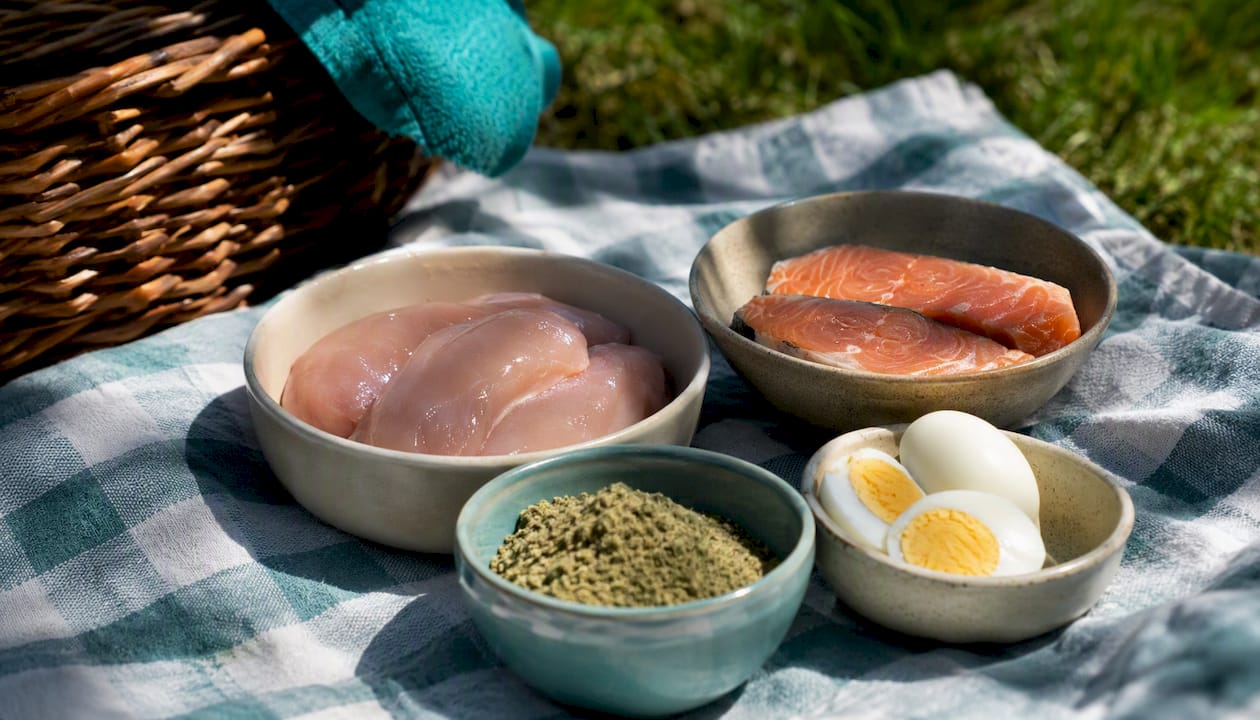
Watch for these red flags on an ingredients list: vague terms like “meat derivatives” or “animal protein” with no species named, a heavy reliance on multiple plant protein concentrates stacked to boost the crude protein figure, and formulas that list several carbohydrate sources before any named meat.
A replicated feeding trial comparing fresh deboned chicken, by-product meal and plant protein meals across isonitrogenous diets found real differences in digestibility, faecal metabolites and microbiota composition depending on the source, even when total protein was matched. Source genuinely changes the outcome, not just the label.
For dogs with food sensitivities, hydrolysed proteins offer a useful middle ground. The proteins are broken down into smaller fragments before they even reach your dog’s gut, which can reduce the immune reaction some dogs have to intact proteins while still delivering the amino acids they need. Ultimatepetfoods’ Ultimate+ Functional Health range uses this approach specifically for dogs who react poorly to standard formulas, making it a practical everyday option rather than a short-term fix. You can read more about how fresh ingredients compare with rendered meat meals if you want the fuller picture on why sourcing changes the outcome.
How to choose the right high protein dog food
The single most important criterion is matching protein quality and level to your dog’s life stage, activity, and total daily calories, not chasing the highest number on the shelf. A working dog and a retired senior have completely different requirements even if both technically qualify as “adult.”
Run through this checklist before buying:
- Convert the guaranteed analysis to dry-matter basis so you’re comparing like with like.
- Check that a named animal protein appears first on the ingredients list, not a generic “meat” or a plant concentrate.
- Look for a complete-and-balanced statement referencing AAFCO or FEDIAF standards for the relevant life stage.
- Check for digestibility or feeding-trial claims, which indicate the formula has been validated in practice, not just on paper.
- Note the calorie density, since high-protein foods are often more calorie-dense and portions may need adjusting downward.
- Look for added functional ingredients such as MOS and FOS prebiotics and omega-3 fatty acids, which support digestion and coat condition alongside the protein.
Red flags to avoid include labels that emphasise crude protein percentage in large print while burying the ingredient source in small print, and any product marketed as “high protein” with no complete-and-balanced statement at all. If you’re contacting a manufacturer, worthwhile questions include: what is the dry-matter protein percentage, which specific animal proteins are used, and has this formula undergone feeding trials or only laboratory analysis?
A sensible shopping flow looks like this: work out your dog’s life-stage need, check the dry-matter protein against that need, check the calorie density against your dog’s activity level, look for named fresh meat plus prebiotics, then pick an appropriate pack size or a sample pack if you’re trying a formula for the first time.
Pro Tip: For picky eaters or seniors reluctant to switch, mix a small amount of a wet or fresh topper into the new high-protein kibble for the first week. It boosts palatability without undermining the gradual transition your dog’s gut needs.
How to transition your dog onto a new high protein food
Switch gradually over 7 to 10 days, not overnight. A sudden jump in protein, or any dietary change, can upset a dog’s digestion and unsettle the gut bacteria that need time to adjust to the new nutrient load.
A simple mixing schedule looks like this:
- Days 1 to 2: 75% old food, 25% new food.
- Days 3 to 4: 50% old food, 50% new food.
- Days 5 to 6: 25% old food, 75% new food.
- Days 7 onwards: 100% new food, assuming no digestive upset.
Portion size should be based on your dog’s body condition score, energy needs and the new food’s calorie density, not simply matched cup-for-cup against the old food. Higher-protein diets are frequently more calorie-dense, so feeding the same volume as before can quietly lead to weight gain over a few months.
Throughout the transition, keep an eye on:
- Stool quality: firm and consistent is the goal; persistent softness may mean slowing the pace.
- Body weight: weigh monthly during the first few months on any new formula.
- Coat and energy levels: improvements typically show within four to six weeks on a genuinely better-quality protein source.
If your dog shows ongoing diarrhoea, vomiting or refuses food for more than a day during the switch, slow the transition down or pause and speak to your vet before continuing.
Increasing protein safely in homemade meals
You can raise the protein content of a homemade diet safely, but complete nutrition, not protein alone, is what actually keeps a dog healthy. Adding more chicken breast to a bowl without addressing calcium, phosphorus and micronutrient balance can create new problems even while solving the protein question.
Lean muscle meats, eggs and oily fish are good staple choices for home cooking, but portioning matters: organ meats like liver are nutrient-dense and should stay a small fraction of the diet, since over-feeding liver risks vitamin A toxicity over time. Growing puppies fed home-prepared diets need particular attention to calcium-to-phosphorus ratios, since imbalances during growth can affect skeletal development.
A few safety points worth taking seriously: raw feeding carries handling and pathogen risks that are best navigated with a vet or veterinary nutritionist rather than general internet advice, and homemade diets assembled without a full nutrient breakdown frequently fall short on trace minerals and vitamins even when protein and calories look fine on paper.
If you’re building a long-term homemade diet, a veterinary nutritionist can help you avoid these gaps. Worth asking them: does this recipe meet FEDIAF or AAFCO minimums for my dog’s life stage, what supplementation does it need, and how often should I reassess as my dog ages? A rough balanced template for a healthy adult dog looks like a mix of muscle meat, a modest portion of organ meat, a cooked starch or vegetable component, and a vet-approved vitamin and mineral supplement, though exact ratios should always be checked against your individual dog’s needs rather than copied from a generic guide.
Pro Tip: Keep a written log of exactly what and how much you feed for the first month of any homemade diet. It makes it far easier for a vet or nutritionist to spot gaps if your dog’s coat, energy or stool quality starts to slip.
What the research actually shows about high protein diets
These shifts are real and worth understanding, though the studies stop short of proving harm in healthy dogs.
The clearest findings come from a long-term controlled trial testing low, medium and high dietary protein levels. Dogs on the higher-protein diet showed increased metabolites associated with inflammation and kidney dysfunction markers, along with a faecal microbiome shift toward proteolytic bacteria species that ferment protein rather than fibre. A separate feeding trial comparing protein sources at matched nitrogen levels found that digestibility and faecal metabolite profiles differed meaningfully depending on whether the protein came from fresh chicken, by-product meal, or plant sources.
| Study focus | Protein levels tested | Main measurable outcome |
|---|---|---|
| Long-term protein level comparison | Low, medium, high | Increased inflammation and kidney-related metabolites; microbiome shift toward proteolytic bacteria |
| Protein source comparison | Matched (isonitrogenous) | Differences in digestibility and faecal metabolites by source, independent of protein quantity |
Practically, this means two things for owners feeding high-protein diets long-term. First, source matters as much as quantity, so favour digestible, named animal proteins over generic blends. Second, if you’re feeding a high-protein diet for months or years, periodic veterinary bloodwork and urinalysis is a sensible check-in, particularly for older dogs, even without symptoms. The open question researchers haven’t fully answered yet is whether these metabolite shifts translate into meaningful long-term risk for healthy dogs, as opposed to dogs with existing kidney vulnerability. Until that’s clearer, monitoring rather than guesswork is the sound approach.
Our take on protein quality versus protein hype
We think the industry’s obsession with the number on the front of the bag has done dog owners a disservice.
What actually matters is whether that protein comes from a named, digestible source, whether it’s balanced against your dog’s real energy needs, and whether the rest of the formulation, the fibre, the fats, the micronutrients, supports it properly. We build our recipes around freshly prepared meat and fish, gently cooked at 82°C to help preserve nutrients rather than driving them off with harsh processing, using human-grade ingredients throughout. Every recipe is complete and balanced, suitable for daily feeding across breeds and life stages where stated, with added MOS and FOS prebiotics to support digestion, particularly useful during any dietary transition.
For dogs who don’t tolerate standard protein sources well, our Ultimate+ Functional Health range uses hydrolysed proteins as a genuine everyday option, not an occasional workaround, giving sensitive dogs the same complete nutrition without the reactivity.
Where Ultimate Pet Foods fits if you’re ready to switch
If you’ve worked through the checklist above and decided your dog would benefit from a higher-quality, higher-protein everyday food, Ultimatepetfoods builds exactly that: recipes centred on freshly prepared meat or fish, gently cooked at 82°C, using human-grade ingredients, formulated to be complete and balanced for daily feeding rather than a short-term fix.
Our Ultimate Superfoods 80 recipe is a high-meat chicken formula built for owners who want named animal protein leading the ingredients list, not buried behind fillers, with MOS and FOS included to support gut health as standard. For dogs with sensitivities that need a gentler approach, our Ultimate+ Functional Health hydrolysed range covers Digestive Care, Skin & Coat Care, Weight Control & Joint Care, Dental Care and Healthy Living, each designed for targeted everyday support rather than occasional use.
Both ranges tick the boxes from the checklist earlier: dry-matter protein you can verify, named meat first, prebiotic support, and transparent formulation. If you’re not sure which fits your dog, a sample pack is the lowest-risk way to run your own transition trial before committing to a full bag, and our feeding guides can help you work out portions once you’ve made your choice.
Sources
- Long-term effects of low, medium and high dietary protein on metabolites and microbiome (PMC7472411)
- How much protein does your dog really need? (All About Dog Food)
- High-protein dog food for senior & active dogs: Vet’s guide (WebVet)
This article provides general nutritional information and is not a substitute for individual veterinary advice. Always check with your vet before changing your dog’s diet, particularly if they have an existing health condition.
FAQ
How can I increase my dog’s protein intake?
Switch gradually to a food with a higher dry-matter protein percentage, choose named animal proteins as the first ingredient, or add a vet-approved lean meat or egg topper to their current meals over 7 to 10 days.
What is the best protein source for homemade dog food?
Lean muscle meats, eggs and oily fish tend to offer the most complete amino-acid profiles for home cooking, though homemade diets still need calcium, phosphorus and micronutrient balancing to be nutritionally complete.
Are eggs high in protein for dogs?
Yes, eggs are one of the most complete and highly digestible protein sources available to dogs, and cooked eggs are commonly used to boost the overall amino-acid quality of a meal.
What is a dog’s favourite protein?
Preference varies by individual dog, but chicken, beef and fish are the most commonly favoured proteins, which is part of why formulas like Ultimatepetfoods’ high-meat chicken recipe lead with a named animal protein many dogs find naturally palatable.