




Why Choose Dog Food Without Chicken?
Chicken is the most widely used protein in commercial dog food — which makes it one of the most common dietary triggers for dogs that develop food sensitivities. If your dog is showing signs of food intolerance on a chicken-based diet, switching to a chicken-free alternative protein is the recommended first step.
Signs Your Dog May Be Reacting to Chicken
Common signs of a chicken sensitivity include chronic paw licking or chewing, recurrent ear infections, loose or inconsistent stools, skin redness or hot spots and a dull or flaky coat. These symptoms can develop gradually as your dog builds up an immune response to a repeatedly fed protein.
What Proteins Are Available Without Chicken?
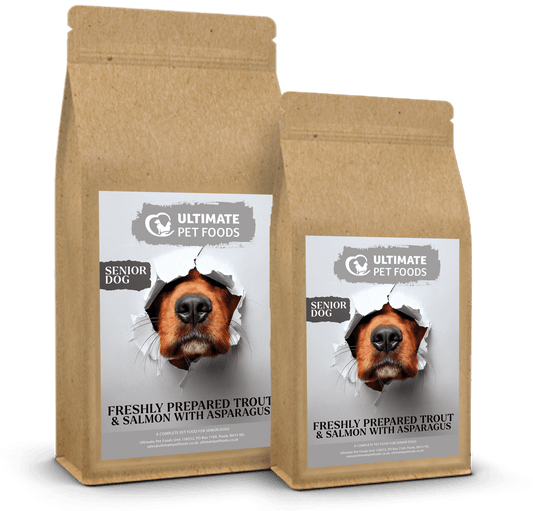
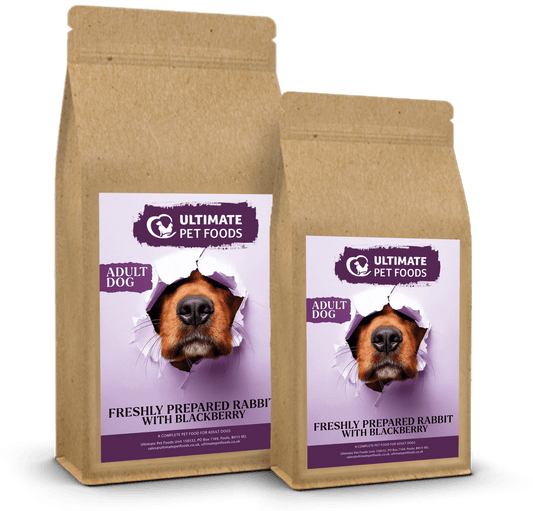
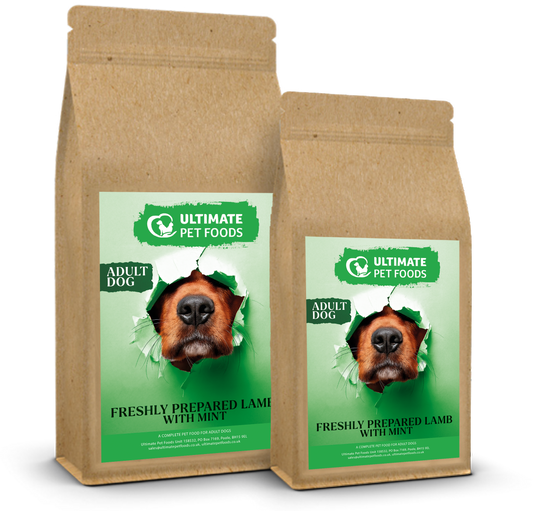
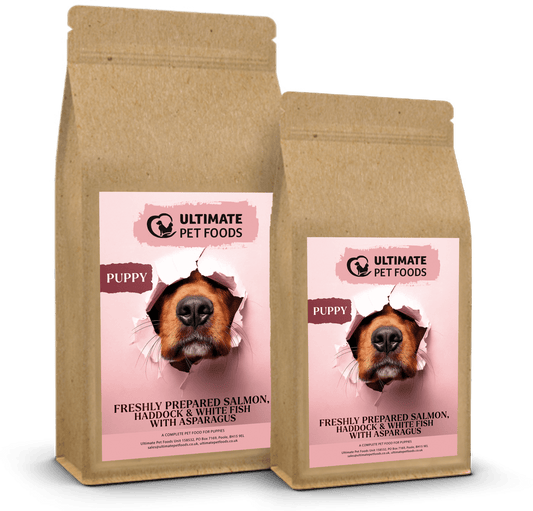
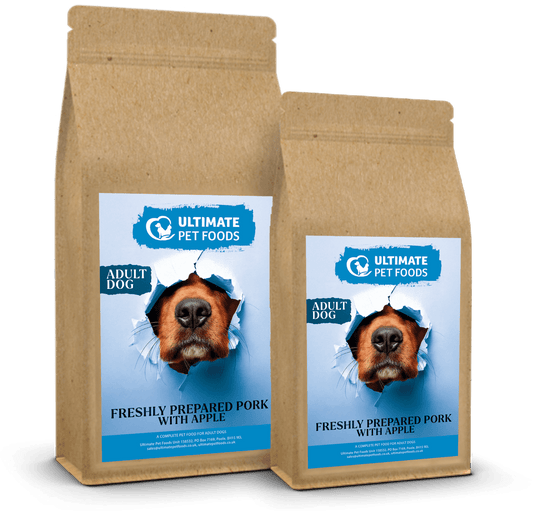
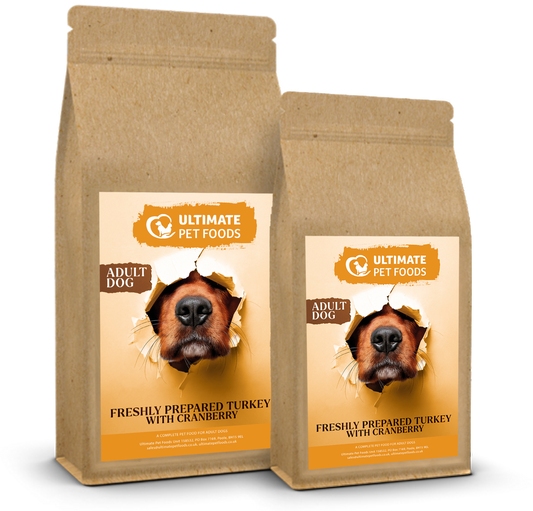
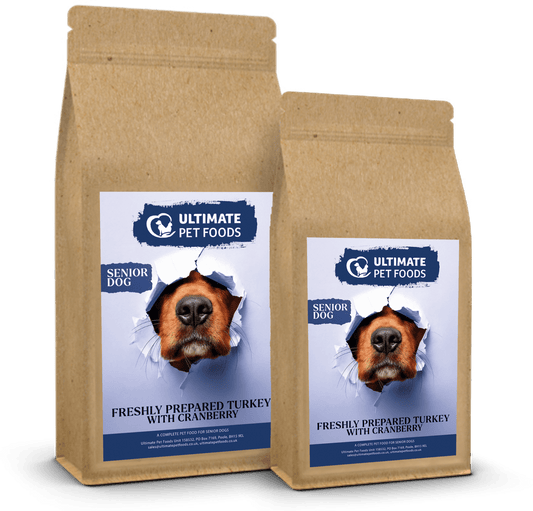
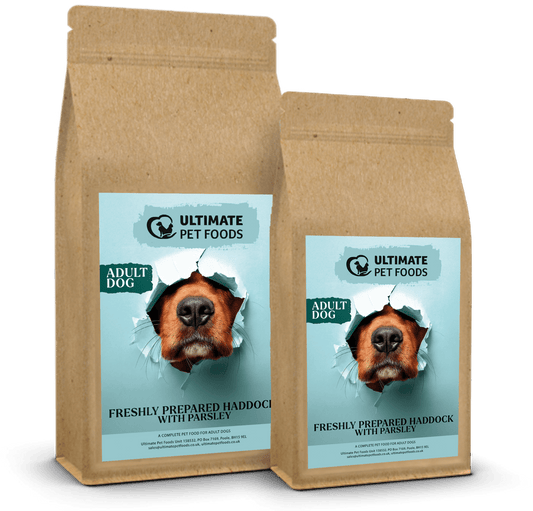
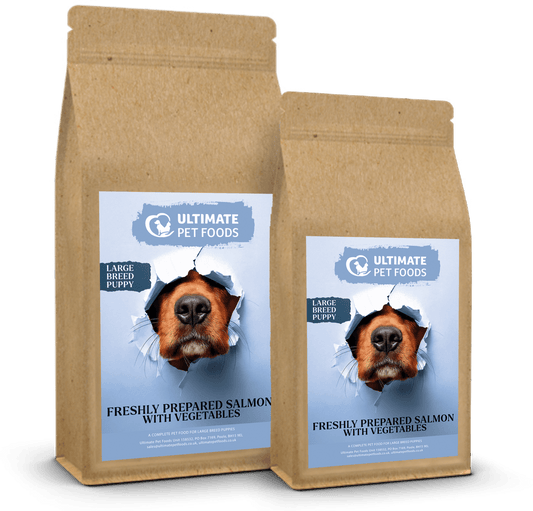
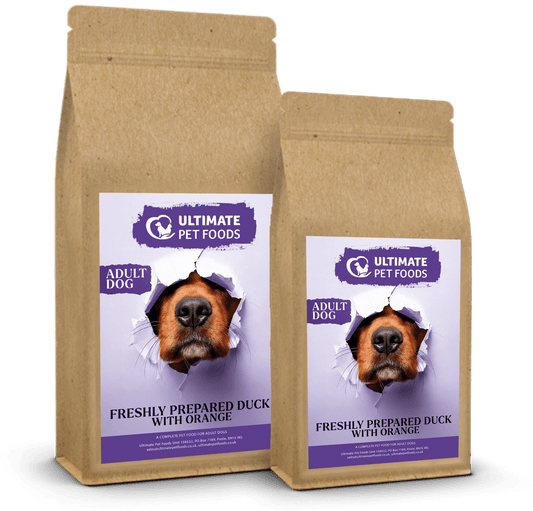
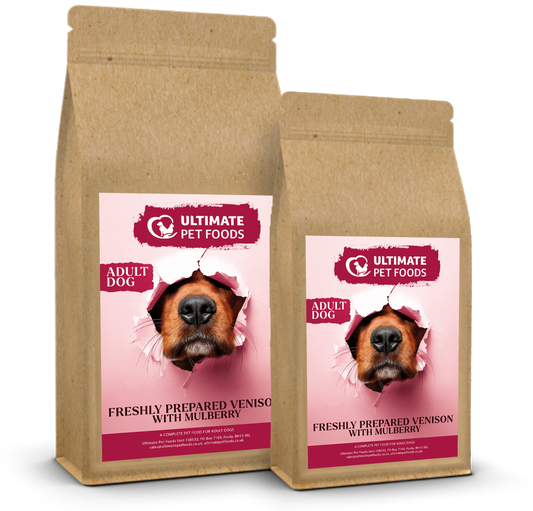
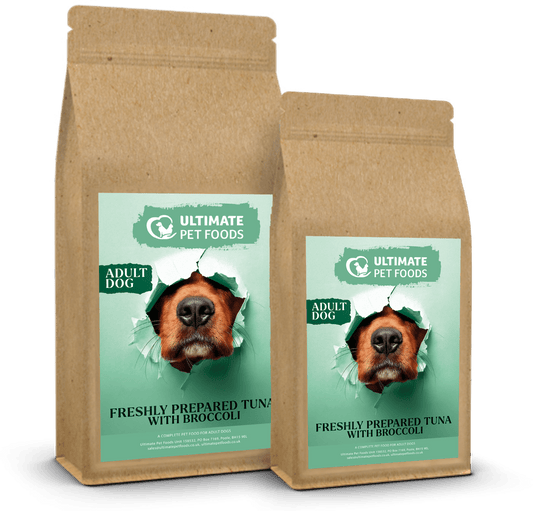
Our chicken-free range includes turkey, lamb, beef, duck, venison, rabbit, pork, tuna and salmon and trout recipes — all grain free and made with freshly prepared meat or fish as the number one ingredient. Every product in this collection is completely free from chicken in any form, including chicken meal, chicken broth and chicken fat.
How to Confirm a Chicken Allergy
The most reliable way to confirm a chicken sensitivity is an elimination diet — feeding a strictly chicken-free novel protein for 8–12 weeks to see if symptoms resolve. If your dog improves significantly, chicken is likely the trigger. Reintroducing chicken and observing a return of symptoms confirms the intolerance.
Protein Rotation for Long-Term Sensitivity Prevention
Even after identifying a safe protein, rotating between different chicken-free recipes every few months is a proactive way to prevent new sensitivities from developing. By varying the protein source, you reduce the risk of your dog building an immune response to any single ingredient over time.