

Superfoods for active dogs: your practical guide

TL;DR:
- Active dogs require nutrient-dense superfoods like omega-3s, green-lipped mussel, and antioxidants to support joint health, energy, and coat condition. Proper dosing, gradual introduction, and balancing with a complete diet are crucial for maximizing benefits and avoiding digestive issues. Consistent, evidence-backed supplementation alongside high-quality daily nutrition enhances long-term health for active dogs.
Active dogs push their bodies hard, and what goes into their bowl matters more than most owners realise. If you have a dog that runs, swims, herds, or simply never seems to sit still, the right superfoods for active dogs can meaningfully support their joints, energy levels, coat condition, and long-term health. But with so many options out there, knowing what actually works, how much to give, and what to avoid can feel genuinely confusing. We have put this guide together to give you clear, evidence-backed answers, built on real nutritional science rather than marketing claims.
Table of Contents
- Key takeaways
- 1. What to look for in superfoods for active dogs
- 2. Omega-3 fish oil: the most evidence-backed joint supplement
- 3. Green-lipped mussel: targeted joint support with solid science
- 4. Blueberries and cranberries: antioxidant-rich treats done right
- 5. Salmon and salmon oil: protein, coat, and joint support combined
- 6. Coconut oil: useful in small amounts, cautious with large ones
- 7. Glucosamine, chondroitin, and collagen supplements
- 8. Comparing superfoods: matching the right option to your dog’s needs
- My honest take on superfoods for active dogs
- Fuel every run, jump, and wag with Ultimatepetfoods
- FAQ
Key takeaways
| Point | Details |
|---|---|
| Start with a balanced diet | Superfoods complement, not replace, a complete and balanced daily diet like Ultimatepetfoods kibble. |
| Dose correctly for results | Clinical benefits from omega-3s and green-lipped mussel depend on precise milligram-per-kilogram dosing, not rough portions. |
| Transition slowly | Introduce any new superfood over 7 to 14 days to protect your dog’s digestive health. |
| Time feeds around exercise | Feed your dog 1 to 2 hours before activity to reduce the risk of bloating and digestive discomfort. |
| Match the superfood to the need | Joint issues, sensitive digestion, and coat condition each call for different superfood priorities. |
1. What to look for in superfoods for active dogs
Not every food labelled a “superfood” deserves the title when it comes to your dog’s specific needs. Active dogs require higher protein (25 to 30%) and fat (15 to 20%) in their diets, alongside joint-supporting ingredients like glucosamine and omega-3 fatty acids, so any superfood you add should genuinely build on that foundation.
When evaluating any addition to your dog’s active dog diet, consider these factors:
- Nutrient density: Does it deliver meaningful amounts of protein, healthy fats, antioxidants, or key vitamins relative to its calorie load?
- Bioavailability: Can your dog actually absorb and use the nutrients? Some plant-based antioxidants pass through with limited uptake.
- Joint and anti-inflammatory support: Omega-3s, green-lipped mussel, and glucosamine should be priorities for dogs under regular physical strain.
- Digestibility and safety: Whole foods introduced abruptly can cause upset. Always check whether something is genuinely safe for dogs, not just assumed to be because it is healthy for humans.
- Caloric impact: Energy-boosting dog snacks and supplement additions can quietly push daily calorie totals over what your dog needs.
Pro Tip: Feed your dog 1 to 2 hours before exercise, not immediately before or after. Timing matters more than many owners expect for preventing bloating and keeping energy steady.
2. Omega-3 fish oil: the most evidence-backed joint supplement
If you are only going to add one healthy dog supplement to your active dog’s routine, fish oil is the strongest choice. Omega-3 fish oil dosing is well-studied, with approximately 1 teaspoon per 20 lb of ideal body weight being a widely referenced starting point.
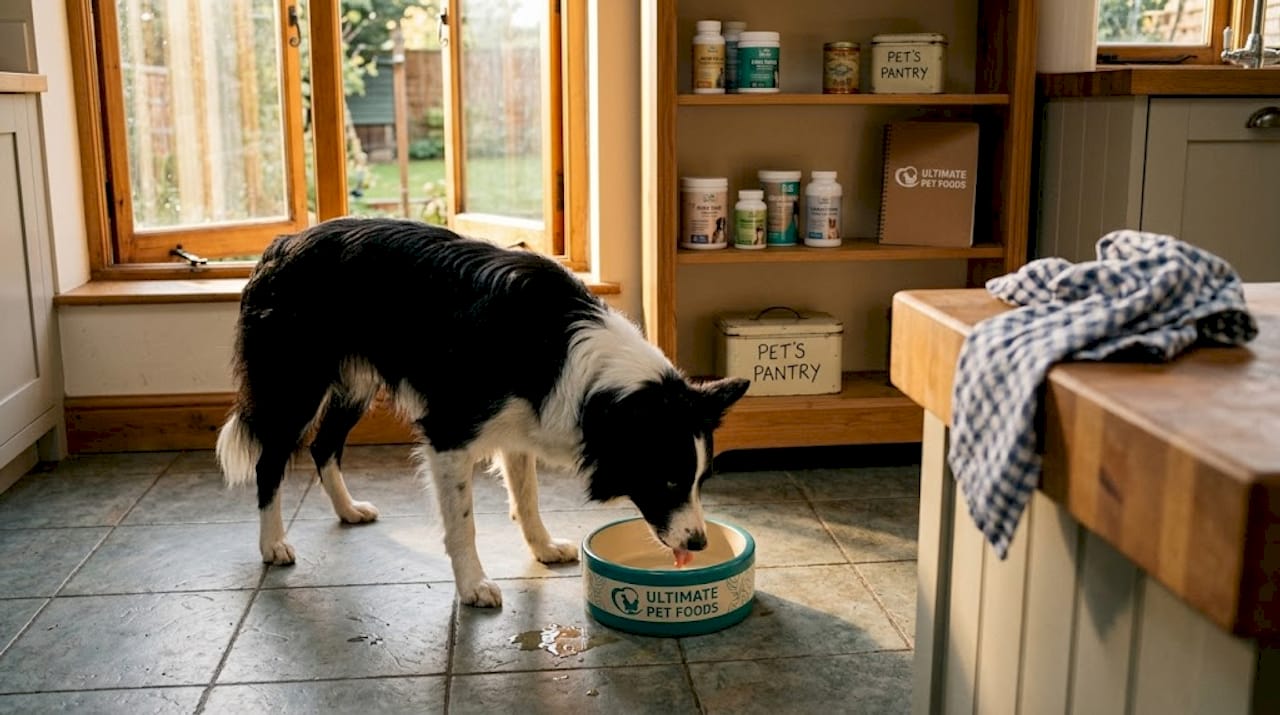
The key here is consistency. Omega-3 fatty acids work by reducing systemic inflammation, which supports cartilage health, coat condition, immune function, and recovery after exertion. For an active dog doing daily runs or agility training, this is not a luxury addition. It is genuinely useful.
A few important cautions:
- Do not overdose. Excess fish oil can interfere with blood clotting and interact with certain joint medications. Treat it like a medication, not a casual food topping.
- Choose high-quality sources. Look for fish oil supplements tested for heavy metals and oxidation.
- Store correctly. Fish oil degrades quickly once opened. Keep it refrigerated and use within the recommended timeframe.
“Omega-3 fish oil remains the most evidence-backed joint supplement for dogs, with fewer risks compared to most alternatives when dosed correctly.” — Cornell University College of Veterinary Medicine
Pro Tip: If your dog is already eating a diet rich in oily fish, such as the salmon-based recipes from Ultimatepetfoods, you may need less supplemental fish oil. Check the omega-3 content on the label before doubling up. Our omega-3 guide for dogs explains how to assess this.
3. Green-lipped mussel: targeted joint support with solid science
Green-lipped mussel (GLM) extract is one of the few natural joint-support ingredients with genuinely credible research behind it. Studies have shown that GLM at 77 mg per kg per day can reduce inflammation and slow cartilage damage in dogs with arthritis, delivering comparable benefits to fish oil at the right dose.
For active dogs, this matters even before arthritis becomes a concern. High-impact activity places repeated stress on joints, and GLM’s combination of omega-3 fatty acids, glycosaminoglycans, and antioxidants makes it a proactive addition rather than a reactive one.
You can read more about how GLM supports joints in detail, including how it works differently from fish oil and why some dogs benefit from having both.
The dosing point is critical. Clinical-level benefits depend on hitting exact milligram-per-kilogram targets daily. A small sprinkle of mussel powder on your dog’s food occasionally will not get you there. If you are adding GLM as a supplement, use a product that states the amount of active extract per serving clearly.
4. Blueberries and cranberries: antioxidant-rich treats done right
Blueberries are one of the top superfoods for dogs that genuinely earns its reputation as a safe, low-calorie antioxidant treat. For active dogs, they work particularly well as nutritious treats for dogs during training sessions, replacing higher-calorie commercial rewards without sacrificing enthusiasm.
That said, it is worth being honest about what blueberries will and will not do. Their systemic antioxidant effects in dogs are limited by low bioavailability, so do not expect dramatic health changes from a handful of berries. What they do offer is a genuinely healthy swap when you need a reward that does not add significant calories to your dog’s daily intake.
Blueberry feeding guidance:
- Offer as occasional treats, not a dietary staple
- Aim for no more than a few per day for smaller dogs, a small handful for larger breeds
- Serve fresh or frozen (popular as energy-boosting dog snacks in warmer months)
Cranberries offer a similar antioxidant profile and are best given as supplements or purpose-made treats rather than raw, which can cause digestive irritation. Dandelion greens and curly-leafed parsley are also worth noting. Parsley provides vitamins C, A, and K alongside antioxidants that support immune and urinary health. Give it sparingly and always use curly-leafed parsley, not spring parsley, which can be toxic.
| Fruit or herb | Key benefit | Serving suggestion | Caution |
|---|---|---|---|
| Blueberries | Antioxidants, low calorie | Small handful as treats | Limited bioavailability; not a cure-all |
| Cranberries | Urinary and immune support | Supplement or treat form | Raw fruit may cause upset |
| Parsley (curly) | Vitamins C, A, K | Small pinch over food | Avoid spring parsley; natural diuretic |
| Dandelion greens | Iron, calcium, vitamins A and C | Occasional fresh addition | Wash thoroughly; introduce gradually |
Pro Tip: Frozen blueberries make excellent post-exercise treats on warm days. They hydrate, reward, and cool your dog down all at once without adding meaningful calories.
5. Salmon and salmon oil: protein, coat, and joint support combined
Cooked salmon and salmon oil are among the most versatile additions to any active dog’s nutrition plan. Salmon provides high-quality protein alongside omega-3 fatty acids that support skin, coat, immune function, and joint health simultaneously. For active dog diets, this combination of benefits in a single ingredient is genuinely practical.
Salmon oil specifically works well as a daily top-up for dogs whose primary food is not fish-based. A small amount drizzled over kibble can noticeably improve coat condition within a few weeks of consistent use.
Pro Tip: Always serve salmon cooked. Raw salmon can carry a parasite known to cause salmon poisoning disease in dogs, which is serious and preventable simply by cooking the fish thoroughly.
The key with dog food for energy and recovery is getting quality protein sources that are easy to digest and absorb. Salmon scores well on both counts, which is why it features in several Ultimatepetfoods recipes, gently cooked at 82°C to lock in its natural nutrients.
6. Coconut oil: useful in small amounts, cautious with large ones
Coconut oil has attracted considerable attention as a superfood, and it does have legitimate benefits when used correctly. It contains lauric acid, which has antibacterial, antiviral, and digestive benefits, and it can support skin health when applied topically or fed in small quantities.
The critical word is small. Coconut oil is high in saturated fat, and too much too soon will reliably cause loose stools. Introduce it gradually over 7 to 14 days, starting with a very small amount, around a quarter teaspoon for a medium-sized dog. For dogs with sensitive digestion, consider whether the benefits justify the digestive risk at all.
Coconut oil is better understood as a minor supportive addition than a central pillar of an active dog’s nutrition. Used sparingly, it can complement your dog’s coat condition and digestive resilience without causing problems.
7. Glucosamine, chondroitin, and collagen supplements
For active dogs with demanding lifestyles, targeted healthy dog supplements covering joint connective tissue are worth understanding. Glucosamine and chondroitin are the most commonly recommended, supporting cartilage repair and lubrication in joints under regular stress.
Undenatured type II collagen is a newer addition to the evidence base, working differently from standard collagen by modulating the immune response around cartilage rather than just providing structural building blocks. Some dogs that did not respond well to glucosamine alone have shown improvements with this form.
As with all joint supplements, dosing precision matters. Clinical-level joint health benefits depend on daily consistency at the right milligram-per-kilogram dose, which packaged products do not always make easy to calculate. Check with your vet if your dog is already on joint medication before adding any of these supplements.
Ultimatepetfoods’ Ultimate+ Functional Health range includes Weight Control & Joint Care formulations specifically designed for targeted everyday joint support, using hydrolysed proteins for easy digestibility alongside ingredients that work on joint health daily.
8. Comparing superfoods: matching the right option to your dog’s needs
Not every active dog has the same priorities. Use this comparison to guide your choices based on your dog’s individual situation.
| Superfood | Primary benefit | Best for | Calorie impact | Key caution |
|---|---|---|---|---|
| Fish oil (omega-3) | Joint and coat health | Most active dogs | Low to moderate | Can interact with medications |
| Green-lipped mussel | Joint and cartilage support | High-impact activity dogs | Low | Dose must be precise |
| Blueberries | Antioxidants, treat replacement | Weight-conscious dogs | Very low | Limited systemic antioxidant effect |
| Salmon/salmon oil | Protein, coat, joints | Dogs needing coat improvement | Moderate | Always cook salmon thoroughly |
| Coconut oil | Skin, digestion support | Dogs with dry coats | High | Introduce very gradually |
| Glucosamine/chondroitin | Joint repair and lubrication | Older or hard-working dogs | Negligible | Vet advice needed if on medication |
When pairing any of these with your dog’s daily feeding, always account for the additional calories and reduce main meal portions if necessary. The goal is balance. Superfoods should work with your dog’s complete diet, not against it.
For dogs with sensitive digestion, managing dietary transitions carefully is especially important. Introduce one new addition at a time so you can identify what works and what does not.
My honest take on superfoods for active dogs
I have spoken with a lot of dog owners over the years who were genuinely frustrated that the superfoods they were adding to their dog’s bowl were not delivering the dramatic results they expected. The problem, almost every time, was not the superfood itself. It was the expectation.
What I have found is that superfoods do not transform a dog’s health on their own. They amplify a good foundation. If the daily diet is genuinely complete and balanced, with the right protein, fat, and nutrient profile for an active dog, then adding fish oil or green-lipped mussel at the correct dose gives you a measurable benefit. Without that foundation, you are adding a drop to a leaking bucket.
The other thing I would stress is patience. Owners who see the best results are the ones who introduce changes gradually, stick to correct doses consistently, and give it at least six to eight weeks before drawing conclusions. I have seen dogs with noticeably stiffer gaits move more freely after consistent omega-3 supplementation, but it took weeks, not days. That kind of patience is rare, but it is what gets results.
My honest advice: start with a genuinely complete kibble as the daily foundation, add one or two well-dosed supplements based on your dog’s specific needs, and then leave it alone long enough to actually work.
— Glenn
Fuel every run, jump, and wag with Ultimatepetfoods
We believe every active dog deserves a diet that works as hard as they do. At Ultimatepetfoods, our dry dog food recipes are made with freshly prepared meat and fish, gently cooked at 82°C to lock in natural nutrients and flavour. We use human-grade ingredients alongside added prebiotics (MOS and FOS) to support gut health from the inside out.
Our recipes are complete and balanced, suitable for daily lifelong feeding across all breeds and life stages. For dogs needing extra targeted support, our Ultimate+ Functional Health range offers specialist formulations including Digestive Care, Skin & Coat Care, Weight Control & Joint Care, Dental Care, and Healthy Living, all using hydrolysed proteins for gentle digestibility.
Whether your dog is a weekend trail runner or a working dog in daily service, explore our food for working dogs range and discover why grain-free nutrition is a natural fit for active dogs who need real fuel from real ingredients.
FAQ
What are the best superfoods for active dogs?
Omega-3 fish oil and green-lipped mussel extract are the most evidence-backed options for active dogs, supporting joint health, coat condition, and recovery. Blueberries and salmon are excellent additions for antioxidants and quality protein respectively.
How much fish oil should I give my active dog?
A commonly recommended starting dose is approximately 1 teaspoon per 20 lb of ideal body weight per day, though you should consult your vet before supplementing, particularly if your dog is on joint medications.
Can I give blueberries to my dog every day?
Yes, blueberries are safe for daily feeding in small amounts as low-calorie nutritious treats for dogs. Limit portions to a small handful for larger breeds and a few berries for smaller dogs to avoid overfeeding.
Should I introduce superfoods gradually?
Absolutely. Any new food or supplement should be introduced over 7 to 14 days to reduce the risk of digestive upset, particularly for dogs with sensitive stomachs or those transitioning from a previous diet.
Do superfoods replace a balanced dog food?
No. Superfoods work best alongside a complete and balanced daily diet. They support and enhance nutrition rather than replacing the core meals your active dog needs every day.


