

Should Dogs Eat Raw Bones? Dental, Health & Safety Facts

Nearly half of British pet owners now seek natural diets for their dogs, reflecting a major shift towards grain-free feeding and raw nutrition. For those aiming to support joint health, boost dental hygiene, or mimic ancestral canine habits, raw bones stand out as a controversial yet intriguing option. This guide delivers clear, reliable insights into raw bone choices, safety, and veterinary advice so you can make informed decisions for your dog’s wellbeing.
Table of Contents
- Raw Bones For Dogs: What It Really Means
- Types Of Bones And Safe Options Explained
- Nutritional And Dental Benefits Of Raw Bones
- Risks And Potential Health Complications
- UK Veterinary Guidelines And Safety Advice
- Alternatives To Raw Bones For Chewing Needs
Key Takeaways
| Point | Details |
|---|---|
| Raw Bones Offer Nutritional Benefits | Raw bones are rich in essential minerals and nutrients, promoting dental health and providing mental stimulation through natural chewing behaviours. |
| Cooking Dangers | Never feed cooked bones to dogs, as they become brittle and pose significant health risks, including choking and internal injuries. |
| Safe Bone Selection | Select bones that are appropriate for your dog’s size and chewing habits, and always supervise during consumption to prevent accidents. |
| Consider Alternatives | Explore safer chewing alternatives like veterinary-approved dental chews and robust toys to meet your dog’s chewing needs while minimising risks. |
Raw Bones For Dogs: What It Really Means
Raw bones represent a natural feeding approach that goes beyond standard commercial pet nutrition, offering dogs a diet element closely mimicking their ancestral eating patterns. Raw feeding practices include providing uncooked meat and bone components that can contribute to dental health and nutritional variety.
Understanding raw bones requires recognising the significant differences between raw and cooked bone structures. Raw bones from smaller animal ribs, necks, and spines are typically softer and more digestible, presenting less risk of splintering compared to heat-processed alternatives. These bones contain natural minerals, can help clean teeth, and provide mental stimulation through natural chewing behaviours.
Feeding raw bones safely involves careful selection and supervision. Not all bones are suitable dogs, and size matters significantly. Large, weight-bearing bones from cattle can be too hard and potentially damage teeth, while smaller, softer bones from poultry or smaller mammals are often more appropriate. Owners should always monitor their dogs during bone consumption and choose bones proportionate to their pet’s size and chewing habits.
Pro tip: Consult with a veterinary nutritionist before introducing raw bones to ensure they align with your individual dog’s health requirements and dietary needs.
Types Of Bones And Safe Options Explained
Bones for dogs can be categorised into two primary classifications: edible and recreational. Safe bone selections are critical for preventing potential health risks associated with inappropriate bone consumption. Edible bones are typically softer raw bones containing meat and cartilage that dogs can completely consume, such as chicken necks, wings, and backs.
Recreational bones differ from edible varieties, designed primarily for chewing rather than complete consumption. These larger bones, like beef femurs, are harder and provide dental benefits through extended chewing sessions. However, they should always be supervised and sized appropriately for the individual dog to prevent dental damage or potential choking hazards.
The critical distinction between raw and cooked bones cannot be overstated. Raw bones maintain flexibility and softness, reducing splintering risks, whereas cooked bones become brittle and can cause severe internal injuries if fractured. Size and animal source matter significantly when selecting bones. Small dogs require smaller bones, while larger breeds can manage larger recreational bones, but individual chewing habits and dental health must always be considered.
Pro tip: Measure your dog’s mouth and chewing style before selecting bones, and always purchase from reputable butchers or pet suppliers who understand safe bone preparation.
Here’s a comparison of edible and recreational bones to guide suitable selection for your dog:
| Bone Type | Typical Examples | Purpose | Suitability Notes |
|---|---|---|---|
| Edible Bones | Chicken necks, wings | Complete consumption | Softer, digestible, for most dogs |
| Recreational Bones | Beef femurs, knuckles | Chewing only | Harder, risk of tooth damage |
| Cooked Bones | Any cooked variety | Never recommended | Brittle, high splinter risk |
Nutritional And Dental Benefits Of Raw Bones
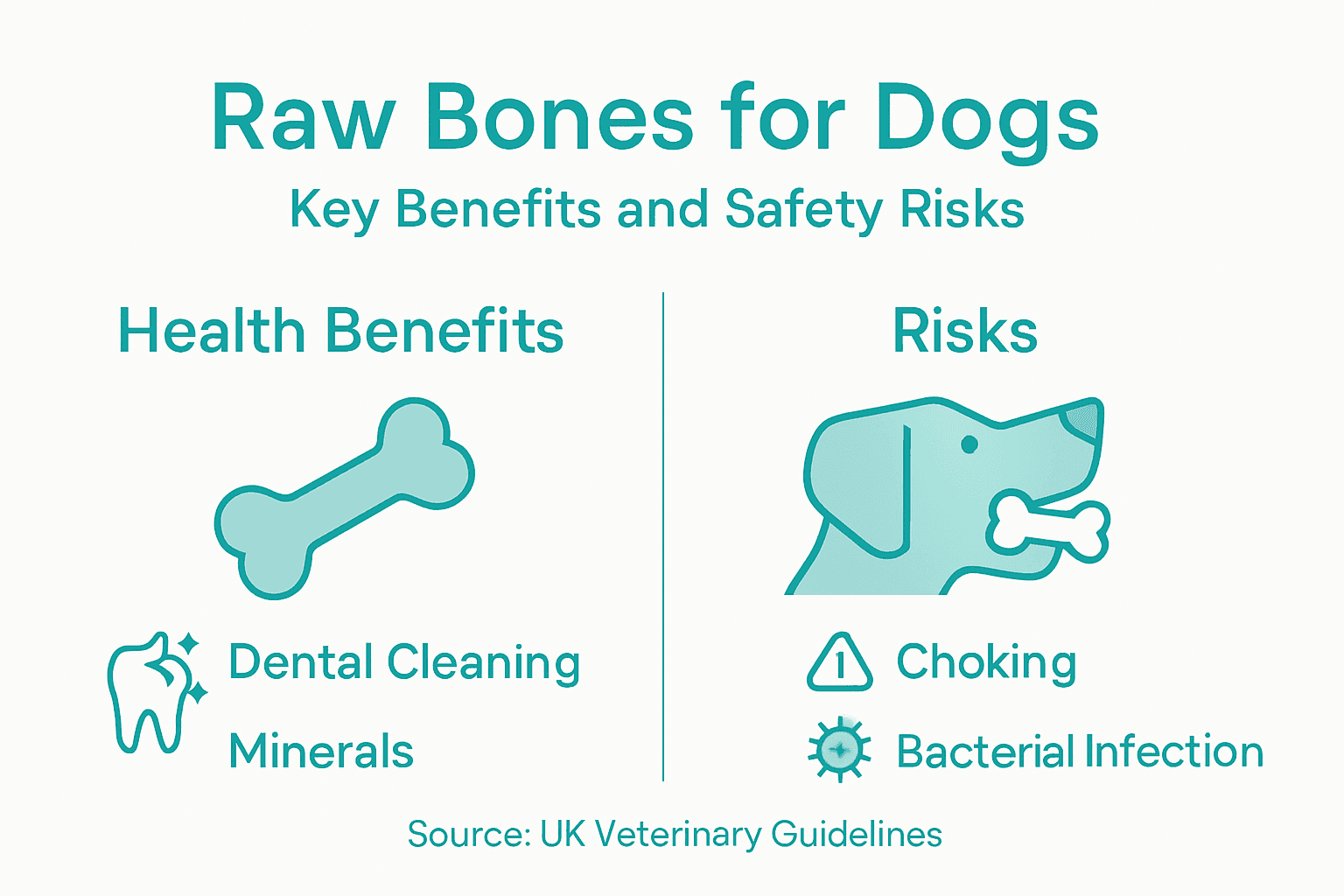
Raw bones offer a remarkable combination of nutritional and dental health advantages for dogs, providing more than just a simple chewing experience. Dental care strategies highlight how natural bone chewing can significantly improve oral hygiene by mechanically removing plaque and tartar buildup through the abrasive chewing action.
Nutritionally, raw bones are a powerhouse of essential minerals and nutrients. They contain natural calcium, phosphorus, and trace minerals that support bone health, muscle development, and overall metabolic functions. The soft connective tissues attached to raw bones provide additional nutritional benefits, including glucosamine and chondroitin, which support joint health and can help reduce inflammation in aging dogs.

The psychological benefits of raw bones should not be underestimated. Chewing is a natural instinctive behaviour that provides mental stimulation, reduces anxiety, and helps prevent destructive behaviours by offering dogs a constructive outlet for their innate chewing impulses. The act of gnawing on a raw bone can be particularly beneficial for dogs, helping to maintain dental strength and providing a natural method of teeth cleaning that mimics their wild ancestors’ eating patterns.
Pro tip: Select raw bones that are appropriately sized for your dog’s breed and chewing style, and always supervise bone consumption to ensure safe and enjoyable chewing experiences.
Risks And Potential Health Complications
Raw bones present several potential health risks that dog owners must carefully consider. Bone feeding risks include serious complications such as choking, intestinal blockages, and potential internal injuries from bone fragments. Cooked bones are particularly dangerous, becoming brittle and prone to splintering, which can cause puncture wounds in the mouth, throat, or digestive tract.
Bacterial contamination represents another significant concern with raw bones. Pathogens like Salmonella and E. coli can pose serious health threats to both dogs and their human family members. Veterinary safety guidelines emphasise the importance of careful bone selection and strict supervision during bone consumption. Dogs with aggressive chewing habits or those prone to swallowing large chunks are at increased risk of dental fractures, gastrointestinal obstructions, and potentially life-threatening complications.
The risk spectrum extends beyond physical injuries. Some dogs may experience digestive issues such as constipation, internal bleeding, or pancreatitis, particularly when consuming fatty marrow bones or chewing for extended periods. Individual factors like breed, size, age, and chewing behaviour significantly influence the potential for complications, making it crucial for pet owners to understand their dog’s specific chewing characteristics and limitations.
Pro tip: Consult with your veterinarian to assess your individual dog’s suitability for raw bones and always consider safer alternative dental chews that provide similar benefits with reduced health risks.
For quick reference, here are common risks and vet-recommended actions for raw bone feeding:
| Potential Risk | Possible Outcome | Vet-Recommended Action |
|---|---|---|
| Choking | Airway obstruction | Always supervise bone chewing |
| Bone Splinters | Internal injury | Choose only raw, never cooked |
| Bacterial Contamination | Infection risk (dog/human) | Freeze bones before feeding |
| Chewing Aggression | Dental fractures | Avoid if dog chews aggressively |
UK Veterinary Guidelines And Safety Advice
UK veterinary professionals have developed comprehensive guidelines to ensure safe raw bone consumption for dogs. Veterinary bone feeding recommendations suggest limiting raw bone feeding to two to three times weekly, with careful attention to size, preparation, and supervision. The primary goal is to provide dental health benefits while minimising potential risks associated with bone consumption.
Professional guidelines emphasise several critical safety protocols. Bones must be larger than the dog’s muzzle to prevent choking, and feeding should always occur under direct supervision. UK veterinary safety protocols strongly recommend against feeding bones to dogs with pre-existing dental problems, digestive issues, or aggressive chewing behaviours. Hygiene practices are paramount, including freezing bones before feeding to eliminate potential parasites and selecting raw bones only from reliable sources.
Specific breed and individual dog considerations play a crucial role in safe bone feeding. Veterinarians advise against feeding bones when dogs are extremely hungry, as this increases the likelihood of swallowing large chunks. Individual factors such as age, size, and chewing habits must be carefully evaluated. Owners should introduce bones gradually, monitor stool consistency, and maintain open communication with their veterinary professionals to ensure the safest possible approach to raw bone feeding.
Pro tip: Consult your veterinarian to create a personalised bone feeding strategy that considers your dog’s unique health profile and individual characteristics.
Alternatives To Raw Bones For Chewing Needs
Veterinarians increasingly recommend safer alternatives to raw bones that satisfy dogs’ natural chewing instincts while minimising potential health risks. Veterinary-approved chew options include Veterinary Oral Health Council (VOHC)-approved dental chews, robust rubber toys, nylon bones, and specially designed edible chews that provide mental stimulation and dental hygiene benefits.
Synthetic chew alternatives offer multiple advantages over traditional raw bones. These options are engineered to be durable, reduce dental plaque, and provide prolonged chewing satisfaction without the risks of splintering or gastrointestinal complications. Safe chewing alternatives such as dental sticks, textured rubber toys, and professionally formulated chews are particularly beneficial for dogs with sensitive digestive systems or those prone to aggressive chewing behaviours.
Choosing the right alternative depends on understanding your dog’s individual chewing characteristics. Some dogs require harder chew toys for intense chewers, while others might need softer options that prevent dental damage. Factors like breed size, age, and existing dental health should guide selection. Many modern chew alternatives are designed with specific breed requirements in mind, offering tailored solutions that support dental health and provide essential mental enrichment.
Pro tip: Rotate different chew toys to maintain your dog’s interest and consult your veterinarian to select the most appropriate chewing alternatives for your pet’s specific needs.
Enhance Your Dog’s Health Beyond Raw Bones Safely
Worried about the risks of feeding raw bones to your dog yet still want to support their dental health and nutrition naturally The article highlights critical safety concerns around bones especially the dangers of choking and splintering while emphasising the benefits of appropriate chewing habits. To truly support your dog’s wellbeing consider a complete nutritional approach that nurtures dental care and overall health using premium natural foods. Our carefully crafted blends for all life stages provide balanced nutrition with no harsh additives or allergens ensuring your furry friend thrives safely.
Discover our Blends for our Senior Dogs and explore a broad range of options within our collections crafted to meet your dog’s unique needs. Act now and give your dog the foundation for a healthier life with natural grain-free nutrition tailored to support dental and physical wellbeing Visit Ultimate Pet Foods today and take the next step in responsible feeding for your cherished companion.
Frequently Asked Questions
Should I feed my dog raw bones?
Feeding raw bones can be beneficial for your dog, providing dental health advantages and essential nutrients. However, it’s crucial to choose appropriate bones based on size and type, and always supervise your dog while they are chewing.
What are the differences between edible and recreational bones for dogs?
Edible bones are softer, raw bones that dogs can completely consume, such as chicken necks and wings, whereas recreational bones are larger and harder, meant for chewing but not complete consumption. Both types serve different purposes and should be chosen carefully.
What health risks are associated with feeding raw bones to dogs?
Feeding raw bones can pose risks such as choking, intestinal blockages, and bacterial contamination. It’s essential to select safe options, supervise your dog during feeding, and consult with a veterinarian to mitigate these risks.
Are there safer alternatives to raw bones for my dog?
Yes, there are several alternatives to raw bones, including veterinary-approved dental chews, robust rubber toys, and nylon bones. These options can satisfy your dog’s chewing instinct without the potential health risks associated with raw bones.


