
Natural Dog Food Ingredients – Why They Matter
Finding nutritious meals for a dog with food sensitivities can feel like a daily puzzle. Many British owners seek alternatives that truly support wellbeing, yet ingredient lists often seem confusing or vague. Learning what separates truly natural dog food from processed options empowers you to choose recipes with minimal processing and clearly sourced ingredients, prioritising your dog’s health, comfort, and long-term vitality.
Table of Contents
- Defining Natural Dog Food Ingredients
- Main Types And Sources Of Natural Ingredients
- How UK Regulations Shape Ingredient Standards
- Recognising Quality And Avoiding Misleading Claims
- Common Mistakes Pet Owners Should Avoid
Key Takeaways
| Point | Details |
|---|---|
| Natural Ingredients | Choose dog foods with ingredients from whole food sources, avoiding artificial additives and vague terms. |
| Processing Matters | Gently cooked food retains higher nutritional value compared to ultra-processed options, which can lose essential nutrients. |
| Understand Regulations | Ensure the dog food complies with UK regulations for transparency and safety, verifying ingredient sourcing and human-grade standards. |
| Avoid Common Mistakes | Transition diets gradually to avoid digestive issues, and consider individual nutritional needs based on your dog’s age and activity level. |
Defining natural dog food ingredients
Natural dog food ingredients are components sourced directly from nature without artificial additives, synthetic preservatives, or excessive chemical processing. They form the foundation of nutritious meals that support your dog’s long-term health and vitality.
What makes an ingredient natural?
Natural ingredients come from recognisable sources like meat, fish, vegetables, and whole grains. According to RSPCA guidance on balanced canine nutrition, a healthy diet consists of ingredients suited to your dog’s age, lifestyle, and specific health needs. Artificial colours, flavours, and synthetic binders are absent from truly natural formulations.
At Ultimate Pet Foods, our recipes use freshly prepared meat or fish, gently cooked at 82°C to preserve freshness and nutrient integrity. This gentle cooking method differs vastly from mass-produced alternatives that rely on excessive heat or chemical stabilisers.
Key characteristics of natural ingredients:
- Sourced from whole food origins (meat, fish, vegetables, grains)
- Minimal processing to retain nutritional value
- Free from artificial additives and synthetic preservatives
- Human-grade quality, suitable for human consumption standards
- No mysterious “meat by-products” or unclear sourcing
- Digestible and bioavailable for efficient nutrient absorption
Many dog owners discover that natural ingredients support better digestion, shinier coats, and improved energy levels compared to highly processed alternatives. Your dog’s body recognises whole foods more easily, making nutrient extraction more efficient.
Why processing matters
The way ingredients are processed fundamentally affects their nutritional value. Ultra-processed foods lose vitamins, minerals, and beneficial compounds through excessive heat and chemical extraction. Our gentle cooking approach preserves these essential nutrients that your dog needs daily.
Ultimate Pet Foods includes added prebiotics (MOS and FOS) to support digestive health alongside natural ingredients. This combination works together, not against each other, creating complete and balanced nutrition suitable for lifelong feeding.
Here’s a summary comparing ultra-processed and gently cooked natural dog foods:
| Processing Method | Nutrient Retention | Ingredient Transparency | Health Impact on Dogs |
|---|---|---|---|
| Ultra-processed (high heat) | Many vitamins lost | Often vague/mechanical meats | May contribute to poor digestion |
| Gently cooked (82°C) | High nutrient retention | Clear, named ingredients | Supports better overall health |
Natural ingredients aren’t about trends—they’re about giving your dog food their body can actually use and thrive on.
When selecting dog food, look beyond marketing claims and check ingredient lists. Real ingredients you can identify are always preferable to vague descriptors or unfamiliar chemical names.
Pro tip: Compare ingredient lists by looking for named meat sources (chicken, salmon, beef) in the first three ingredients—this indicates the food is genuinely meat-focused and designed for your dog’s primary nutritional needs.
Main types and sources of natural ingredients
Natural dog food ingredients fall into distinct categories based on their origin and nutritional purpose. Understanding these types helps you recognise quality formulations and make informed feeding choices for your dog.
Protein sources
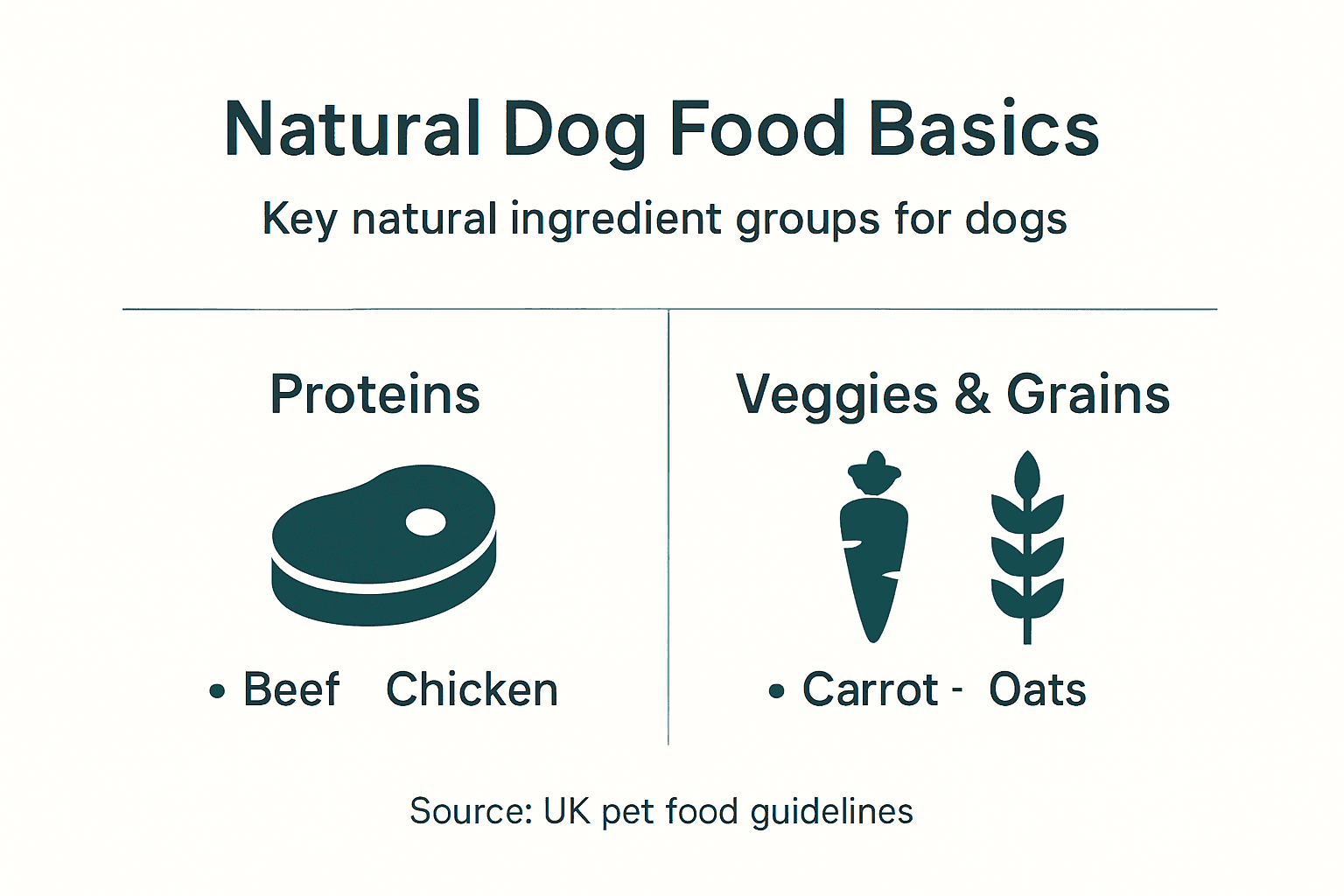
Meat and fish form the cornerstone of canine nutrition. These include beef, chicken, turkey, lamb, salmon, and other animal-derived proteins that provide essential amino acids for muscle development and maintenance. Ultimate Pet Foods uses freshly prepared meat or fish as primary ingredients, gently cooked at 82°C to preserve their nutritional integrity.
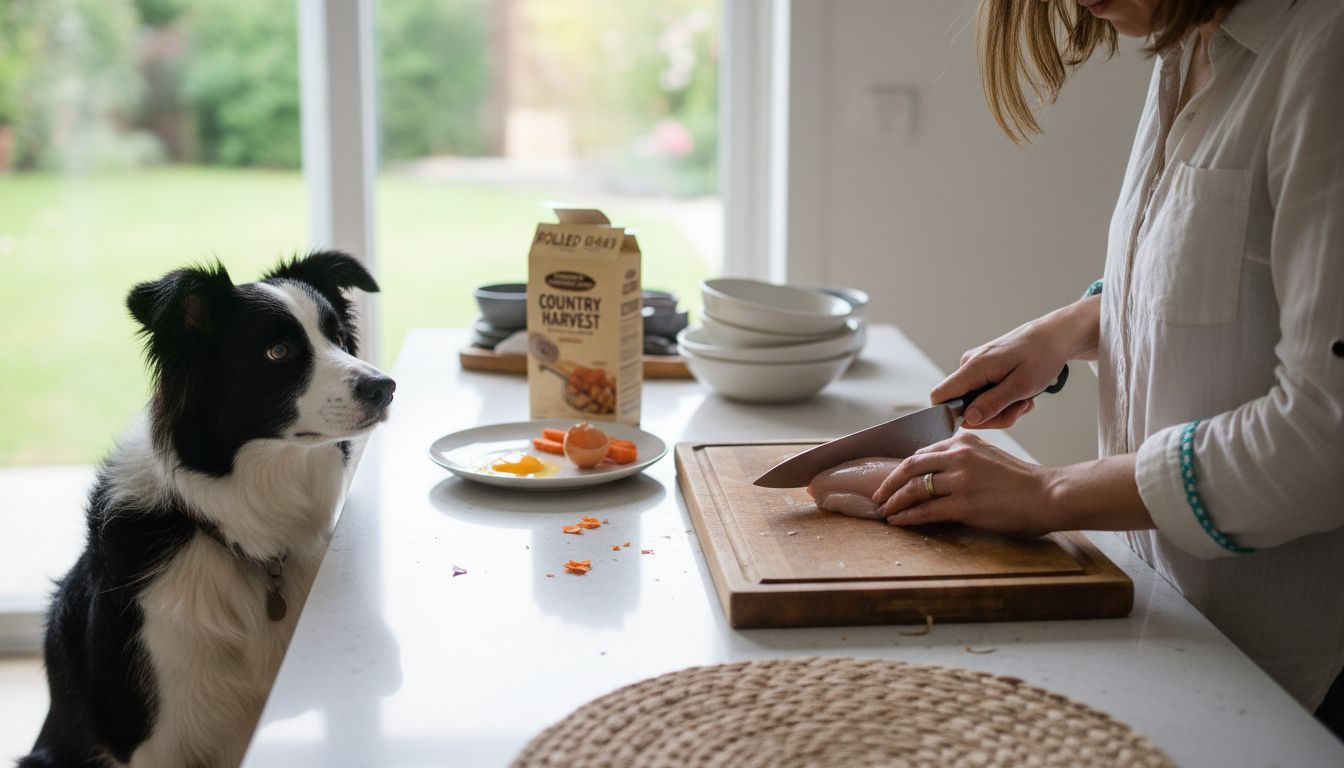
Other protein contributors include eggs, which offer complete amino acid profiles and natural choline for brain health. These whole food proteins differ significantly from synthetic amino acid supplements or low-quality meat by-products.
Plant-based and grain ingredients
Vegetables, fruits, and grains contribute vitamins, minerals, and fibre to your dog’s diet. Ingredients like sweet potatoes, carrots, apples, and oats are natural sources of carbohydrates and micronutrients. When sourced through organic farming practices, these ingredients ensure chemical-free nutrition.
Natural fats and oils
Fish oils and plant-based oils provide omega-3 and omega-6 fatty acids essential for coat health and cognitive function. These lipids support skin and coat care, making them valuable in formulations designed for everyday wellness.
Key ingredient categories:
- Animal proteins (meat, fish, eggs, organs)
- Whole grains and legumes (oats, barley, lentils)
- Vegetables and fruits (carrots, peas, apples, pumpkin)
- Natural oils (fish oil, coconut oil)
- Herbs and botanicals (turmeric, ginger)
- Added prebiotics (MOS and FOS) for digestive support
Your dog’s ancestors ate whole prey—teeth, organs, bones, and muscle. Modern natural diets aim to replicate this complete nutritional profile.
At Ultimate Pet Foods, our recipes combine these ingredient types into complete and balanced formulations suitable for lifelong feeding. The natural preservatives we use protect freshness without artificial additives, maintaining both safety and nutritional value.
When evaluating ingredients, look for clarity and traceability. Reputable manufacturers list specific meat sources rather than vague terms like “animal meal” or “meat by-products.”
Pro tip: Check the first five ingredients on your dog’s food label—they should be recognisable whole foods like named meats, grains, and vegetables, not unidentifiable fillers or chemical preservatives.
How UK regulations shape ingredient standards
The UK maintains some of the world’s strictest pet food regulations, directly shaping what goes into your dog’s bowl. Understanding these standards helps you recognise quality products and trust manufacturer claims.
The Food Standards Agency role
The Food Standards Agency (FSA) oversees all UK animal feed legislation, including pet food safety and labelling requirements. Manufacturers must declare ingredients accurately and source them from inspected materials free of transmissible diseases. This regulatory oversight protects both your dog and your family from contaminated or misrepresented products.
Every ingredient used in UK pet food requires documentation proving its safety and origin. There are no shortcuts or grey areas—transparency is mandatory.
Animal by-products and sourcing standards
The UK permits only animal by-products from animals passed fit for human consumption in pet food production. According to DEFRA regulations on animal by-products, these materials must be disease-free and subject to strict control throughout processing, packing, and transport.
This distinction matters greatly. UK regulations prevent using diseased animals or unsuitable materials that other countries might allow. Your dog benefits from this rigorous vetting process.
What regulations require of manufacturers
- Accurate ingredient declaration on every bag or tin
- Documented traceability of all raw materials
- Regular safety testing and hygiene protocols
- Compliance with FSA pet food guidance for ingredient safety and labelling
- Proof that materials are disease-free and human-grade quality
- Proper storage, handling, and transport documentation
Ultimate Pet Foods operates within these stringent requirements, using freshly prepared meat or fish gently cooked at 82°C. Our recipes meet complete and balanced standards whilst maintaining transparency about every ingredient.
UK regulations exist because your dog’s health matters. Compliance isn’t optional—it’s the baseline for responsible manufacturing.
When selecting dog food, look for clear ingredient listings and manufacturer transparency. Reputable brands willingly share their sourcing practices and quality certifications.
Pro tip: Check if the manufacturer displays FSA compliance details on their website or packaging—transparent brands are proud to show they meet the highest UK standards.
Recognising quality and avoiding misleading claims
Dog food marketing can be deceptive. Terms like “natural,” “premium,” and “gourmet” often mean nothing without proper certification and transparency. Learning to decode labels protects your dog from poor quality products masquerading as nutritious options.
Understanding label regulations
UK pet food labels must not mislead purchasers about ingredients or make false claims. According to FSA pet food labelling requirements, labels should provide objective, quantifiable information rather than emotional marketing language. This regulatory framework exists specifically to help you recognise genuine quality.
Any claim on packaging must be provable and substantiated. Manufacturers cannot simply assert benefits without scientific backing.
The “organic” label trap
Products labelled organic must meet strict criteria. Under UK organic labelling rules, items can only claim organic status if certified by an approved UK organic control body and contain at least 95% organic agricultural ingredients. Using “organic” without certification is illegal, protecting you from deceptive marketing.
Many products use vague language like “natural ingredients” without organic certification—this doesn’t mean they meet organic standards.
Red flags to watch for
- Vague ingredient descriptions such as “meat meal” or “animal derivatives”
- Missing nutritional analysis or incomplete information
- Claims like “cures” or “prevents” diseases (not permitted in pet food)
- Marketing terms without certifications backing them up
- Unclear sourcing or manufacturer transparency
- Excessive fillers listed before quality protein sources
Ultimate Pet Foods maintains complete transparency about every ingredient. Our recipes use freshly prepared meat or fish gently cooked at 82°C, with human-grade quality and clear sourcing throughout.
Use this reference when reviewing dog food labelling and marketing claims:
| Claim or Label Term | Regulatory Requirement | What to Check as a Buyer |
|---|---|---|
| “Natural” | Must avoid artificial additives | Ingredient list clarity |
| “Organic” | Needs official organic certification | Certified seal (UK control body) |
| “Human-grade” | Must meet human food safety standards | Source documentation |
| “Complete & Balanced” | Requires full nutritional adequacy | Presence of full nutrition info |
What quality indicators actually mean
Certification matters more than marketing. Look for specific seals, memberships, and verified claims rather than persuasive language.
Reputable manufacturers provide detailed ingredient sourcing, nutritional analyses, and third-party testing results. They answer questions directly and share their quality standards openly. Transparency is the ultimate quality indicator.
Our Ultimate+ Functional Health range demonstrates this commitment, with hydrolysed proteins and targeted formulations like Digestive Care, Skin & Coat Care, and Weight Control & Joint Care—all complete and balanced for everyday feeding.
Pro tip: Contact the manufacturer directly and ask specific questions about sourcing, testing, and certifications—transparent brands respond promptly, whilst questionable ones become evasive.
Common mistakes pet owners should avoid
Well-intentioned dog owners often make feeding decisions that unintentionally harm their dog’s health. Understanding these common pitfalls helps you provide better nutrition and avoid costly health problems down the line.
Sudden diet changes
Switching dog food abruptly causes digestive upset, loose stools, and stomach distress. According to Dogs Trust guidance on diet and nutrition for dogs, gradual food transitions over 7-10 days prevent these issues. Mix increasing amounts of new food with the old, allowing your dog’s digestive system to adapt.
Your dog’s gut bacteria need time to adjust to different ingredients and nutrient profiles.
Ignoring individual needs
Every dog has unique requirements based on age, size, activity level, and health status. Feeding a one-size-fits-all approach ignores these differences. Senior dogs, puppies, and active dogs need different nutritional balances—a single formula rarely suits all life stages equally.
Ultimate Pet Foods offers complete and balanced nutrition across different life stages and health conditions, including our Ultimate+ Functional Health range for targeted everyday support.
Raw food handling mistakes
Raw pet food carries contamination risks if handled incorrectly. The Food Standards Agency warns that harmful bacteria in raw pet food like Salmonella and E. coli can sicken both pets and humans. Improper storage, thawing, or hygiene practices increase illness risk significantly.
If feeding raw diets, maintain strict hygiene protocols and proper storage temperatures.
Critical mistakes to avoid
- Overfeeding or free-feeding without portion control
- Giving inappropriate human foods (chocolate, grapes, onions, xylitol)
- Feeding low-quality foods with unclear sourcing or vague ingredients
- Skipping veterinary nutritional advice for dogs with special needs
- Mixing multiple food brands inconsistently without proper transitions
- Neglecting to monitor your dog’s weight and body condition
Overfeeding and obesity
Obesity affects roughly one in four UK dogs, leading to joint problems, diabetes, and shortened lifespans. Many owners misjudge portion sizes or use too many treats. Quality nutrition matters more than quantity—premium ingredients with added prebiotics support digestive health and satiety.
Poor nutrition decisions compound over years. What seems harmless today creates health problems tomorrow.
Ultimate Pet Foods provides freshly prepared meat or fish gently cooked at 82°C with complete nutritional balance. Our recipes include prebiotics (MOS and FOS) to support digestive wellness, reducing the need for excessive portions.
Pro tip: Weigh your dog’s food using a scale rather than eyeballing portions—most owners unknowingly overfeed by 20-30%, which accelerates weight gain and health decline.
Choose Natural Quality Your Dog Deserves Today
If you are looking for dog food made from truly natural ingredients that support digestion, coat health, and overall vitality, our carefully crafted recipes at Ultimate Pet Foods are the answer. We understand the frustration of vague ingredient lists and the need for transparency about sourcing and processing. That is why we use freshly prepared meat or fish gently cooked at 82°C to retain nutrients and combine this with natural prebiotics like MOS and FOS for optimal digestive support. Explore our Healthy Grain Free Dog Food, Natural Dog Food, Our Superfood Blend to give your dog the complete and balanced nutrition they need without artificial additives or fillers.
Make the switch to premium grain-free formulations designed for all life stages and breeds by visiting Premium Grain Free Dog Food for All Breeds and Life Stages | Shop Now!. Every meal you provide can be more than just food; it can be the foundation of better health and happiness. Take the first step now by browsing our full range at Ultimate Pet Foods and give your dog the natural nutrition they truly deserve.
Frequently Asked Questions
What are natural dog food ingredients?
Natural dog food ingredients are components sourced directly from nature, such as meat, fish, vegetables, and whole grains, without artificial additives or synthetic preservatives. They provide nutritious meals that support your dog’s long-term health.
Why is it important to choose natural dog food?
Choosing natural dog food is important because it promotes better digestion, enhances coat health, and improves overall energy levels. Natural ingredients are more easily recognised and absorbed by your dog’s body, ensuring efficient nutrient extraction.
How does the processing of dog food affect its nutritional value?
The processing of dog food significantly affects its nutritional value. Ultra-processed foods often lose vitamins and minerals due to excessive heat and chemicals, while gently cooked foods preserve essential nutrients, benefitting your dog’s health.
What should I look for on dog food labels to ensure quality?
When reviewing dog food labels, look for clarity and traceability in ingredients, such as named meats and whole foods in the first few ingredients. Avoid vague terms like “meat meal” and ensure that claims like “natural” or “organic” are backed by certifications.