

How to identify hypoallergenic dog food for sensitive pets

TL;DR:
- Hypoallergenic dog foods use single, hydrolysed, or novel protein sources to reduce allergic reactions.
- Preparing a detailed symptom and food history improves the chances of successfully identifying food sensitivities.
- Monitoring symptoms over 6-12 weeks determines if the hypoallergenic diet is effective for your dog.
Watching your dog scratch constantly, struggle with loose stools, or develop red, irritated skin is genuinely distressing. Food sensitivities are far more common than many owners realise, yet the root cause often goes unidentified for months. Hypoallergenic dog food refers to recipes formulated to minimise the risk of triggering an immune or digestive reaction, typically by removing the most common allergens or breaking proteins into smaller, less reactive fragments. This guide walks you through understanding food allergies, knowing what to look for on packaging, preparing properly before you buy, and verifying that your chosen food is truly working for your dog. 🐾
Table of Contents
- Understanding food allergies in dogs
- What makes dog food hypoallergenic?
- Preparing to choose: key considerations before you buy
- Step-by-step: how to identify hypoallergenic dog food
- Verifying results: monitoring your dog’s health
- Our perspective: what most guides miss about hypoallergenic foods
- Find tailored solutions for your sensitive dog
- Frequently asked questions
Key Takeaways
| Point | Details |
|---|---|
| Common allergens matter | Identify and avoid dog foods with beef, chicken, wheat, and dairy to reduce allergy risks. |
| Check for true novelty | Effective hypoallergenic food relies on hydrolysed or novel protein sources not fed before. |
| Process is ongoing | Monitor your dog’s reactions and be ready to adjust diets with your vet’s advice. |
| Consult the ingredient list | Always scrutinise all ingredients and manufacturer claims before changing foods. |
Understanding food allergies in dogs
Food allergies in dogs occur when the immune system mistakenly identifies a protein or other ingredient as a threat. The body mounts a response, and your dog pays the price with a range of uncomfortable symptoms. Recognising these early is the first step towards relief.
The most common signs of food intolerance include:
- Persistent itching, especially around the paws, ears, and face
- Recurrent ear infections or hot spots
- Loose stools, vomiting, or excessive wind
- Dull coat, flaky skin, or hair loss
- Lethargy and general discomfort after eating
The proteins most often to blame? Beef, chicken, dairy, and wheat consistently top the list. These are also, not coincidentally, the ingredients found most frequently in standard commercial dog foods. That is the core of the problem. The very foods marketed as complete and balanced may be the ones quietly driving your dog’s misery.
Standard commercial recipes often include multiple protein sources, grains, and additives. When a dog is sensitive to one of these, isolating the trigger becomes almost impossible without a structured approach. This is why so many owners cycle through product after product without resolution.
Hypoallergenic diets address this in two main ways. Hydrolysed protein formulas break proteins into fragments so small that the immune system no longer recognises them as threats. Novel protein formulas use ingredients your dog has simply never eaten before, such as venison, duck, or salmon, removing the chance of a prior sensitisation. The benefits of hypoallergenic dog food extend well beyond symptom relief, supporting long-term digestive health and coat condition too.
Did you know? Hydrolysed diets show up to 95% effectiveness for food allergies in clinical studies, making them one of the most clinically supported nutritional interventions available for sensitive dogs.
Now that you understand the need for hypoallergenic options, let’s explore what makes food truly hypoallergenic.
What makes dog food hypoallergenic?
The term “hypoallergenic” is not legally regulated in pet food, which means brands can use it loosely. Knowing exactly what it should mean helps you filter out the genuine options from the marketing noise.
True hypoallergenic dog food is defined by controlled, minimal ingredients and the deliberate exclusion of known allergens. Here are the essentials for understanding hypoallergenic dog food:
- Single protein source: Only one protein, clearly identified and ideally novel or hydrolysed
- No common allergens: Free from beef, chicken, wheat, dairy, soy, and artificial additives
- Short ingredient list: Fewer ingredients means fewer potential triggers
- Clear manufacturing standards: No cross-contamination risk from shared production lines
Hydrolysed vs. novel protein: what’s the difference?
| Feature | Hydrolysed protein | Novel protein |
|---|---|---|
| How it works | Proteins broken into tiny fragments | Uses unfamiliar protein sources |
| Best for | Severe or confirmed allergies | Mild sensitivities or prevention |
| Common sources | Chicken or fish (processed) | Venison, duck, kangaroo |
| Key requirement | Correct hydrolysis level | True novelty in protein source |
The distinction matters. A hydrolysed vs regular dog food comparison shows that conventional recipes rely on intact proteins, which are far more likely to provoke a reaction in a sensitised dog.
When reading labels, look for specific language. “Hydrolysed salmon” or “single source duck” are reassuring phrases. Vague terms like “animal derivatives” or “meat meal” are red flags, as they could contain any number of allergens without disclosure. Grain-free labelling is also worth seeking if your dog reacts to wheat or barley, though grain-free alone does not guarantee a hypoallergenic recipe.

With the definition clear, let’s outline what you need before choosing a food.
Preparing to choose: key considerations before you buy
Rushing into a new food without preparation is one of the most common mistakes we see. A little groundwork dramatically improves your chances of success.
Here is a structured process to follow before making any purchase:
- Document current symptoms. Note the type, frequency, and severity of reactions. Include skin, coat, digestion, and energy levels.
- List every food your dog has eaten. Include treats, table scraps, and flavoured supplements. Cross-reference these with known allergens.
- Identify proteins already tried. Anything your dog has eaten regularly could be a sensitised source and must be avoided in a novel protein trial.
- Consult your vet. For persistent or severe symptoms, professional guidance is essential. A vet can rule out environmental allergies and recommend appropriate tests.
This preparation significantly improves success rates of elimination diets, which remain the gold standard for diagnosing food allergies in dogs.
| Symptom type | Possible trigger | Action |
|---|---|---|
| Itchy skin, ear infections | Beef, dairy, wheat | Eliminate and trial novel protein |
| Loose stools, vomiting | Chicken, soy, additives | Switch to single-protein, grain-free |
| Dull coat, hair loss | Poor fatty acid balance | Add omega-rich protein source |
| Multiple symptoms | Unknown | Full elimination diet with vet guidance |
Pro Tip: Keep a simple daily log during any dietary trial. Record what your dog ate, any symptoms, and stool quality. Even two weeks of data gives your vet something concrete to work with and speeds up the identification process.
The guide to hypoallergenic dog diets and tips for hypoallergenic dog diets are excellent resources to bookmark before you begin. Equipped with the necessary background, move ahead with the step-by-step process to identify the right food.
Step-by-step: how to identify hypoallergenic dog food
Now comes the practical part. Here is exactly how to evaluate any dog food product before it reaches your dog’s bowl.
- Read the full ingredient list, not just the front of the pack. Allergens hide in unlikely places, including flavourings, broths, and vitamin premixes.
- Cross-reference against your checklist. Any ingredient your dog has previously reacted to, or eaten frequently, should be an automatic disqualifier.
- Check for specific protein claims. Look for hydrolysed and novel protein diets specifically, as these carry the strongest clinical evidence for food allergy management.
- Assess manufacturing transparency. Reputable brands publish their ingredient sourcing and manufacturing standards. Vague claims without evidence are a warning sign.
- Confirm suitability with your vet if your dog has a diagnosed allergy or has been symptomatic for more than a few weeks.
Pro Tip: If you are trialling a novel protein, make sure it is genuinely novel to your dog, not just uncommon generally. A dog who has eaten duck-flavoured treats regularly may already be sensitised to duck.
Key things to watch for when identifying hypoallergenic dog foods on the shelf:
- Single, named protein source (not “poultry” or “meat”)
- No wheat, gluten, soy, or dairy in the ingredient list
- Natural preservatives only (mixed tocopherols, rosemary extract)
- No artificial colours, flavours, or fillers
- Clear allergen statements on packaging
For a deeper look at how proteins are processed, the hydrolysed protein guide explains exactly what to expect from these specialist formulas. After identifying a suitable food, ensure it truly works for your pet in real-world use.
Verifying results: monitoring your dog’s health
Choosing the right food is only half the work. Observing your dog closely over the following weeks tells you whether it is genuinely working.
Key areas to monitor:
- Skin and coat: Look for reduced redness, less scratching, and a shinier coat within 4-6 weeks
- Digestion: Stools should become firmer, more consistent, and less frequent within 2-3 weeks
- Energy levels: A dog whose gut is no longer inflamed often becomes noticeably brighter and more playful
- Ear and paw health: Chronic ear infections and paw chewing often clear up once the allergen is removed
Patience is non-negotiable here. Full symptom resolution can take 8-12 weeks, even with the correct food. Many owners switch too early, miss the improvement, and restart the cycle.
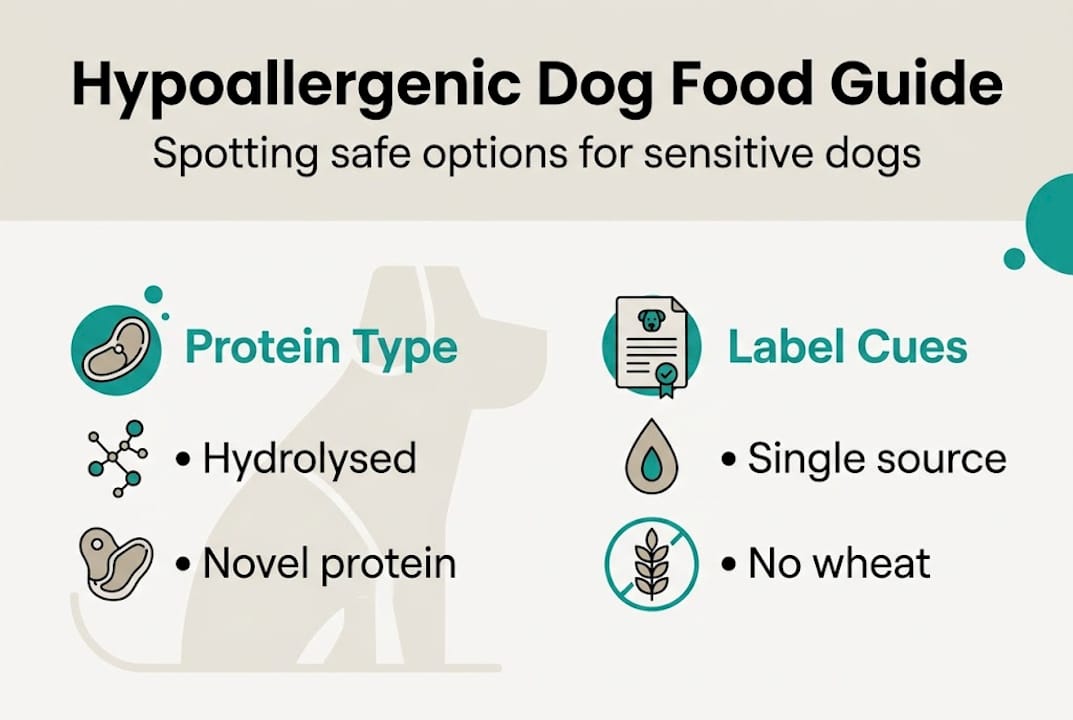
📊 Statistic spotlight: Up to 95% of dogs respond positively to well-selected hypoallergenic diets, confirming that the right food really does make a transformative difference.
If symptoms persist beyond 12 weeks without improvement, or worsen, return to your vet. Environmental allergens, secondary infections, or an incorrect protein identification may be at play. It is also worth revisiting whether any treats, chews, or supplements introduced during the trial contain hidden allergens.
For UK owners exploring their next steps, there are excellent resources on relief for sensitive pets to help you navigate the options available in 2026.
Our perspective: what most guides miss about hypoallergenic foods
Most articles on this topic frame hypoallergenic dog food as a fixed destination. Find the right product, feed it consistently, problem solved. In our experience, that is far too tidy a picture.
The uncomfortable truth is that no single formula is hypoallergenic for every dog. A recipe free from beef and wheat might still contain an ingredient that triggers your dog specifically. Labels can be reassuring on the surface while masking cross-contamination risks or undisclosed additives.
What actually works is ongoing owner vigilance combined with professional support. Nutrition is not a one-time decision. Dogs change, their gut microbiome shifts, and a food that worked brilliantly at three years old may start causing problems at seven.
We also think the benefits and risks of hydrolysed protein deserve more honest discussion. Hydrolysed diets are highly effective, but they are not automatically superior to novel protein options for every dog. The best choice is always the most individual one, supported by observation, data, and ideally a vet or canine nutritionist.
Trial and adjustment is not failure. It is good nutrition in practice. 🐕
Find tailored solutions for your sensitive dog
If your dog is struggling with food sensitivities, you do not have to figure it out alone. At Ultimate Pet Foods, we formulate our recipes with sensitive dogs at the centre, using carefully sourced, natural ingredients and avoiding the common allergens that cause so much discomfort.
Our grain-free diet benefits page explains exactly why removing grains can make such a significant difference for reactive dogs. And if you are weighing up your options, our honest Naturo vs Ultimate Pet Foods comparison gives you the full picture. Browse our range today and find a formula that is gentle on the inside and nourishing from the first bowl. 🌿
Frequently asked questions
How can I tell if my dog’s food is truly hypoallergenic?
Look for diets with a single, hydrolysed or novel protein source and a minimal, clearly listed ingredient panel. Vague terms like “meat derivatives” are a reliable sign the food may not meet true hypoallergenic standards.
How long should I try a hypoallergenic diet before seeing results?
Most dogs show improvement within 6-8 weeks, but full resolution can take up to 12 weeks. Dog response rates reach up to 95% with sustained, correctly selected hypoallergenic feeding, so patience genuinely pays off.
Are grain-free foods always hypoallergenic?
No. Grain-free recipes remove wheat and grains but may still contain beef, chicken, dairy, or other common allergens. Always read the full ingredient list before assuming a grain-free label means hypoallergenic.
Is veterinary supervision necessary when starting a hypoallergenic diet?
Yes, particularly for persistent or severe reactions. A vet can rule out environmental triggers, recommend appropriate testing, and ensure the elimination trial is conducted correctly for reliable results.


