

Hypoallergenic Dog Food: Relief for Sensitive Pets

Most British dog owners are surprised to learn that nearly one in five dogs develops a food allergy at some point in their life. Navigating dog nutrition becomes even more complex when you want what is best for your pet’s health, especially if they need a hypoallergenic, grain-free diet specific to their breed or age. This guide unpacks the science and myths behind hypoallergenic dog food, helping British families give their sensitive pets the care they truly deserve.
Table of Contents
- Hypoallergenic Dog Food Explained And Myths
- Types Of Hypoallergenic Formulas Available
- Key Ingredients And Common Allergens
- Health Benefits For Sensitive Dogs
- How To Choose The Right Food
Key Takeaways
| Point | Details |
|---|---|
| Understanding Hypoallergenic Food | Hypoallergenic dog food is a targeted nutritional approach, not a universal remedy, designed to minimise allergic reactions in dogs. |
| Types of Formulations | There are two main types: novel protein diets featuring rare proteins and hydrolysed protein diets that break down proteins to reduce allergenic potential. |
| Recognising Allergens | Common allergens include beef, chicken, and wheat; hypoallergenic diets replace these with alternative ingredients to optimise health. |
| Veterinary Guidance | Always consult a veterinary nutritionist before transitioning your dog to a hypoallergenic diet for tailored recommendations. |
Hypoallergenic dog food explained and myths
Many dog owners misunderstand the concept of hypoallergenic dog food, believing it to be a magic solution for pets with dietary sensitivities. In reality, hypoallergenic dog food represents a carefully crafted nutritional approach designed to minimise allergic reactions and support dogs with specific dietary requirements. Myths about hypoallergenic pets often create confusion about what these specialised diets truly entail.
Contrary to popular belief, hypoallergenic dog food is not a universal solution but a targeted nutritional strategy. These specialised diets typically feature limited ingredient formulations, using novel protein sources that are less likely to trigger allergic responses. The primary goal is to reduce potential allergens by selecting proteins and carbohydrates that are less commonly associated with food sensitivities. Common allergens like beef, chicken, wheat, and dairy are often replaced with alternative ingredients such as lamb, fish, sweet potato, or rice.
Understanding dog food allergies requires recognising that individual dogs react differently to various ingredients. While some pets might develop sensitivities to specific proteins, others could be reactive to grain or additive components. Veterinary nutritionists recommend a systematic approach to identifying and managing food allergies, which often involves elimination diets and careful monitoring of your dog’s response to different nutritional formulations.
Pro tip: When transitioning to a hypoallergenic diet, introduce new foods gradually over 7-10 days to help your dog’s digestive system adapt and minimise potential gastrointestinal upset.
Types of hypoallergenic formulas available
Dog owners seeking hypoallergenic nutrition have several specialised dietary options designed to address food sensitivities and allergies. Hypoallergenic dog diet strategies typically fall into two primary categories: novel protein diets and hydrolyzed protein formulations, each offering unique approaches to managing canine dietary challenges.
Novel protein diets represent an innovative approach to managing food allergies, featuring uncommon protein sources that dogs have rarely encountered in their previous diet. These formulations might include exotic proteins such as kangaroo, venison, duck, or rabbit, which are less likely to trigger allergic responses. By introducing proteins unfamiliar to a dog’s immune system, these diets help veterinarians and pet owners identify and eliminate specific allergens while providing complete nutritional support.
Hydrolyzed protein formulas offer another sophisticated solution for dogs with complex dietary sensitivities. In these specialised diets, protein molecules are scientifically broken down into much smaller peptide fragments, dramatically reducing their potential to trigger an immune response. This advanced processing technique makes the proteins essentially ‘invisible’ to the dog’s immune system, minimising allergic reactions while maintaining essential nutritional value. These prescription-grade diets are particularly recommended for dogs with severe or persistent food allergies, providing a targeted nutritional approach that supports overall health and wellness.
Pro tip: Always consult with a veterinary nutritionist before transitioning your dog to a hypoallergenic diet to ensure the formula meets your pet’s specific nutritional requirements.
To clarify the differences in hypoallergenic dog food options, see the comparison below:
| Formula Type | Main Approach | Typical Ingredients | Best For |
|---|---|---|---|
| Novel protein diet | Uses rare animal proteins | Duck, venison, rabbit, fish | Identifying specific food triggers |
| Hydrolysed protein diet | Breaks down proteins to peptides | Chemically processed proteins | Dogs with severe multiple allergies |
Key ingredients and common allergens
Navigating the complex world of dog nutrition requires a deep understanding of potential dietary triggers, with common food allergens playing a crucial role in canine health. Dogs can develop sensitivities to a wide range of ingredients, making it essential for pet owners to recognise and understand the most problematic components in their furry companion’s diet.

Protein sources represent the most frequent culprits in canine food allergies. Traditional dog food ingredients like beef, chicken, wheat, and dairy proteins are often the primary triggers for immune responses. These proteins can cause a range of symptoms, from mild skin irritations to more severe digestive issues. Hypoallergenic diets strategically replace these common allergens with alternative protein sources such as duck, venison, rabbit, or fish, which are less likely to provoke an inflammatory response in sensitive dogs.
Carbohydrate components also contribute significantly to potential allergic reactions. Grains like wheat, corn, and soy are notorious for causing digestive sensitivities in many dogs. Advanced hypoallergenic formulations often incorporate alternative carbohydrate sources like sweet potato, tapioca, or rice, which provide essential energy and nutrients while minimising the risk of allergic responses. These carefully selected ingredients help create a balanced diet that supports overall canine health without compromising nutritional integrity.
Pro tip: Keep a detailed food diary tracking your dog’s diet and any allergic symptoms to help identify specific ingredient triggers more effectively.
Here is a quick reference guide to common and alternative dog food ingredients:
| Ingredient Type | Common Allergenic Example | Hypoallergenic Alternative |
|---|---|---|
| Protein | Beef, chicken, dairy | Duck, venison, rabbit |
| Carbohydrate | Wheat, corn, soy | Sweet potato, tapioca, rice |
Health benefits for sensitive dogs
Dogs with food sensitivities require specialised nutritional strategies that go beyond standard feeding approaches. Nutritional support for sensitive dogs can dramatically improve their overall health, addressing multiple physiological challenges that stem from dietary intolerances and allergic responses.
Hypoallergenic diets offer comprehensive health benefits that extend far beyond simple symptom management. By eliminating common allergens and incorporating carefully selected proteins and carbohydrates, these specialised nutrition plans support critical aspects of canine wellness. Improved skin and coat condition is often the most visible benefit, with reduced inflammation leading to healthier, shinier fur and decreased itching. Additionally, these targeted diets can significantly enhance digestive function, reducing gastrointestinal upset, minimising inflammatory responses, and supporting more efficient nutrient absorption.
Beyond immediate symptom relief, hypoallergenic diets play a crucial role in long-term health maintenance for sensitive dogs. By reducing chronic inflammatory responses, these nutrition plans help support immune system balance, potentially decreasing the risk of secondary health complications. The carefully selected ingredients can help maintain a healthy weight, support joint health, and provide consistent energy levels, ensuring that dogs with food sensitivities can enjoy a high quality of life despite their dietary challenges.
Pro tip: Work closely with your veterinarian to develop a personalised hypoallergenic diet plan that addresses your dog’s specific nutritional needs and sensitivities.
How to choose the right food
Selecting the appropriate hypoallergenic diet requires a nuanced approach that goes beyond simple ingredient selection. Comprehensive dog nutrition guidance emphasises the importance of understanding your individual dog’s specific health requirements and dietary sensitivities.
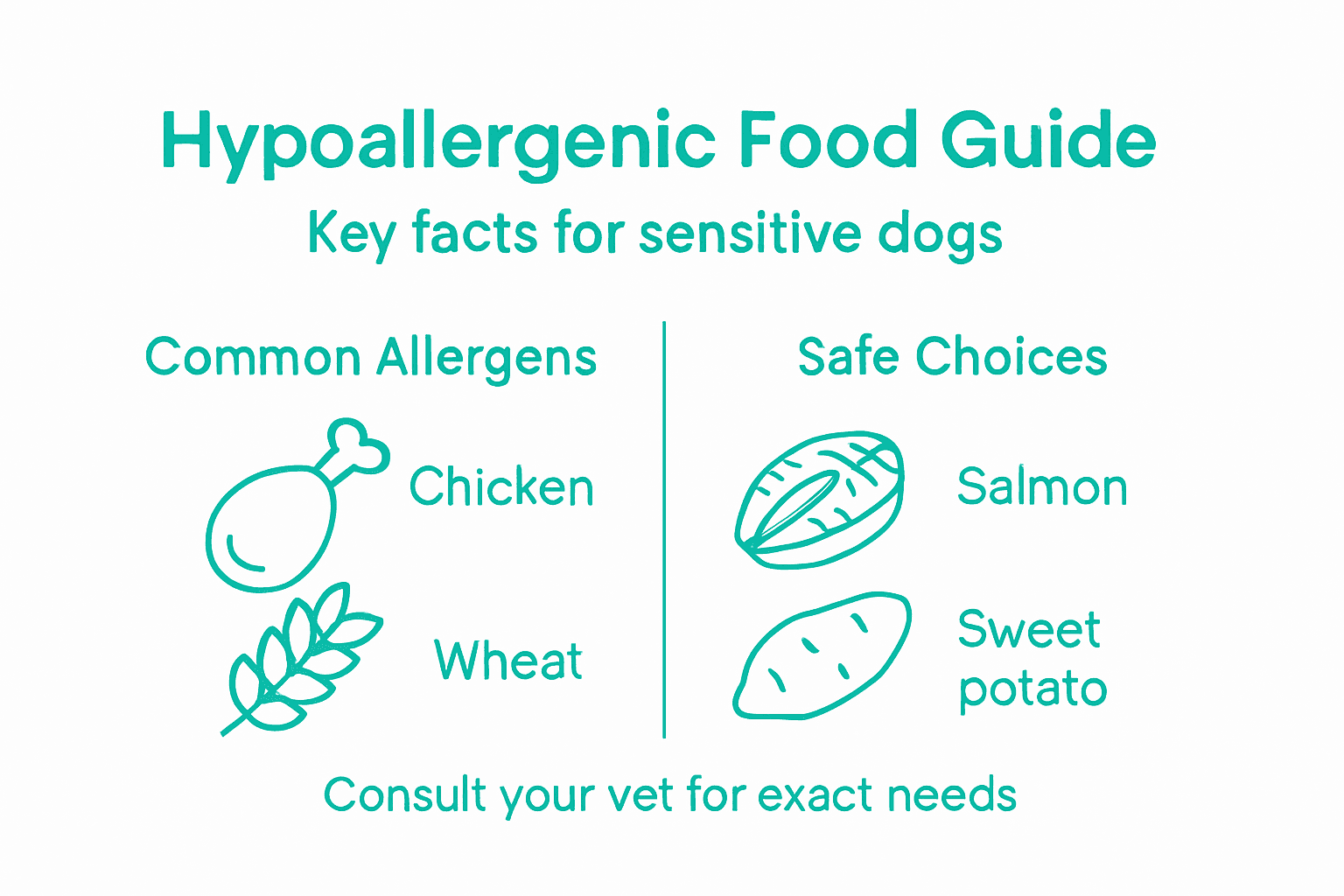
The selection process begins with a thorough veterinary consultation to identify potential allergens and underlying health conditions. Dogs with food sensitivities often require individualised nutritional plans that consider factors such as age, breed, weight, and specific allergic triggers. Hypoallergenic diets should feature limited ingredient formulations with novel protein sources, carefully selected to minimise potential inflammatory responses. Look for diets that clearly list protein sources, avoid common allergens like beef, chicken, and wheat, and provide complete nutritional profiles that support overall canine health.
When transitioning to a hypoallergenic diet, careful monitoring and gradual introduction are crucial. Start by mixing small amounts of the new food with the existing diet, progressively increasing the proportion over 7-10 days. This approach allows your dog’s digestive system to adapt and helps identify any potential adverse reactions. Pay close attention to physical indicators such as skin condition, coat quality, energy levels, and digestive performance during this transition period. A successful hypoallergenic diet should not only eliminate allergic symptoms but also provide comprehensive nutritional support that enhances your dog’s overall well-being.
Pro tip: Keep a detailed food and symptom diary during dietary transitions to help your veterinarian make precise nutritional recommendations for your sensitive dog.
Discover Tailored Hypoallergenic Solutions for Your Sensitive Dog
If your dog struggles with food sensitivities or allergies, finding the right diet can feel overwhelming. Hypoallergenic dog food offers crucial relief by using novel proteins and grain-free ingredients to reduce allergic reactions and support digestion. At Ultimate Pet Foods, we understand these unique needs and provide premium nutritional options crafted with natural, fresh components designed to nurture your dog’s health and vitality.
Explore our Grain Free Small Breed Dog Food for gentle, allergy-conscious recipes or browse our complete selection at Ultimate Pet Foods. Act now to give your dog the balanced, hypoallergenic nutrition they deserve. Visit today and start your dog’s journey to better wellbeing!
Frequently Asked Questions
What is hypoallergenic dog food?
Hypoallergenic dog food is specifically formulated to minimise allergic reactions in dogs with dietary sensitivities. It often features limited ingredient formulations with novel protein sources that are less likely to trigger allergies.
How do I know if my dog needs a hypoallergenic diet?
If your dog is experiencing symptoms such as itching, skin irritations, or gastrointestinal issues, it may have food sensitivities. Consulting with a veterinarian can help identify if a hypoallergenic diet is suitable for your dog.
What are the main types of hypoallergenic dog food?
The two primary types of hypoallergenic dog food are novel protein diets, which use uncommon protein sources like kangaroo or venison, and hydrolysed protein diets that break down proteins into smaller fragments to reduce the risk of allergic reactions.
How should I transition my dog to a hypoallergenic diet?
Gradually introduce the new food over 7-10 days by mixing small amounts with your dog’s existing diet. This helps ease the transition and reduces the risk of gastrointestinal upset.
Recommended
- 7 Expert Tips for Choosing Allergen Free Dog Foods
- Complete Guide to Hypoallergenic Dog Diets – Ultimate Pet Foods
- Understanding the Best Dog Food for Sensitive Dogs – Ultimate Pet Foods
- 7 Best Hypoallergenic Dog Treats for Sensitive Pups – Ultimate Pet Foods
- Dla zwierząt Raypath – naturalna pielęgnacja zwierząt | Przestrzeń Od Nowa Sklep
- Best food for active breeds like Border Collies with Sensitive Stomach


