
Signs of Food Intolerance in Dogs – What Owners Need to Know
Spotting your dog’s discomfort after meals or noticing sudden skin irritation can be unsettling for any caring owner. Many British dogs struggle with ongoing digestive issues or chronic itching that leave owners searching for long-term relief. Food intolerance is a distinct condition that requires a gentle, tailored approach to nutrition and careful attention to dietary triggers. Understanding what makes your dog’s system sensitive is the first step towards providing real comfort and lasting well-being.
Table of Contents
- Defining Food Intolerance In Dogs
- Common Symptoms And Warning Signs
- Frequent Triggers And Allergenic Ingredients
- How Food Intolerance Differs From Allergies
- Steps For Identifying And Managing Symptoms
Key Takeaways
| Point | Details |
|---|---|
| Understanding Food Intolerance | Food intolerance in dogs results from digestive system difficulties rather than immune responses, leading to various symptoms. |
| Recognising Symptoms | Persistent digestive issues and chronic skin problems are key indicators of food intolerance that require careful monitoring. |
| Importance of Elimination Diets | An elimination diet is essential for accurately identifying food sensitivities and requires strict adherence to prescribed ingredients. |
| Distinguishing From Allergies | It is crucial to differentiate food intolerances from allergies, as their underlying mechanisms and required management strategies differ significantly. |
Defining Food Intolerance in Dogs
Food intolerance in dogs represents a complex digestive sensitivity distinct from traditional food allergies. Unlike allergic reactions involving an immune system response, food intolerances primarily manifest through digestive and skin-related symptoms without triggering systemic immune mechanisms.
At its core, food intolerance occurs when a dog’s digestive system struggles to process certain ingredients, leading to uncomfortable and potentially chronic health challenges. Digestive system sensitivities can emerge from multiple factors, including:
- Poor quality protein sources
- Highly processed commercial dog food ingredients
- Individual genetic predispositions
- Specific protein or carbohydrate sensitivities
Understanding these sensitivities requires recognising that every dog’s digestive system responds uniquely to different nutritional components. Some dogs might experience mild discomfort, while others develop more pronounced inflammatory responses from consuming problematic ingredients.
Key symptoms indicating potential food intolerance include:
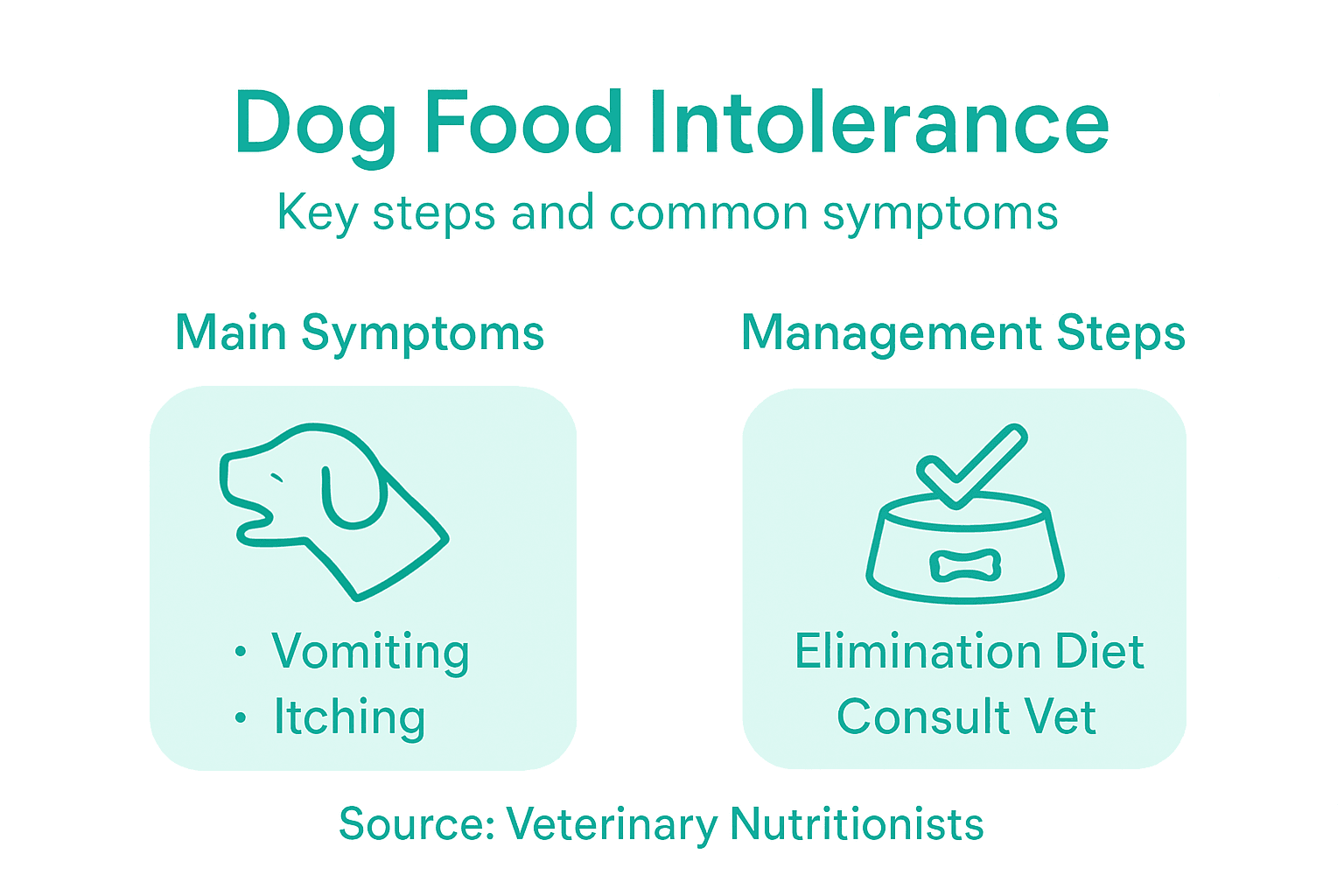
- Persistent digestive issues like vomiting or diarrhoea
- Chronic skin irritation and excessive itching
- Unexplained hair loss
- Intermittent gastrointestinal distress
- Recurring ear infections
Most veterinary nutritionists recommend an elimination diet as the most reliable method for identifying specific food sensitivities. This systematic approach involves removing potential trigger ingredients and gradually reintroducing them to pinpoint exact dietary challenges.
Pro tip: Consult with a veterinary nutritionist before making significant dietary changes to ensure your dog receives balanced nutrition throughout the diagnostic process.
Common Symptoms and Warning Signs
Recognising food intolerance symptoms in dogs requires careful observation and understanding of subtle health indicators. Characteristic warning signs can manifest across multiple bodily systems, making comprehensive monitoring essential for early detection.
Digestive system symptoms represent the most immediate and noticeable indicators of potential food sensitivities. These typically include:
- Persistent and unexplained diarrhoea
- Frequent vomiting episodes
- Excessive and unusually loud intestinal gurgling
- Significant changes in stool consistency
- Visible discomfort during or after eating
Skin and coat conditions often provide critical secondary signals of underlying nutritional challenges. Dog owners should watch for:
- Intense and persistent skin itching
- Recurring hot spots or skin inflammation
- Unexplained hair loss or patchy fur development
- Chronic ear infections
- Visible skin rashes or unusual skin texture changes
Moreover, some dogs might display more subtle behavioural indicators that suggest potential dietary sensitivities. These can include reduced energy levels, intermittent appetite changes, and unexpected weight fluctuations. Tracking these patterns systematically helps veterinary professionals diagnose potential food intolerances more accurately.
Not all symptoms appear simultaneously, and their intensity can vary significantly between individual dogs.
Pro tip: Maintain a detailed symptom diary documenting your dog’s dietary intake, behaviour, and physical changes to support accurate veterinary diagnosis.
Frequent Triggers and Allergenic Ingredients
Understanding food allergenic ingredients is crucial for dog owners seeking to manage their pet’s dietary sensitivities. Common protein triggers can significantly impact a dog’s overall health and well-being.
Protein sources represent the most frequent culprits in canine food intolerances. The most common allergenic proteins include:
- Beef
- Chicken
- Lamb
- Dairy products
- Eggs
- Fish
- Soy-based proteins
Carbohydrate sources can also contribute to dietary sensitivities. Wheat and corn are particularly notorious for causing inflammatory responses in sensitive dogs. These ingredients are often found in standard commercial dog foods, making elimination challenging for pet owners.
Interestingly, dogs can develop sensitivities to ingredients they’ve consumed for years. Repeated exposure to the same proteins can gradually trigger immune responses, leading to increasingly severe symptoms. This phenomenon underscores the importance of dietary variety and careful ingredient monitoring.
Not all dogs will react the same way to these ingredients, and individual sensitivity varies widely.
Additionally, some dogs may experience cross-reactivity, where sensitivity to one protein can trigger reactions to similar molecular structures in other ingredients. This complex interaction makes comprehensive dietary management essential.
Pro tip: Consider rotating protein sources every few months to reduce the likelihood of developing long-term food sensitivities and support overall nutritional diversity.
How Food Intolerance Differs From Allergies
Understanding the critical distinctions between food intolerances and food allergies is essential for accurate diagnosis and management of canine dietary sensitivities. Immunological response mechanisms represent the primary differentiating factor between these two conditions.
Key differences emerge in how the body responds to problematic ingredients:
-
Food Allergies:
- Involve direct immune system response
- Trigger immediate inflammatory reactions
- Typically provoke more severe systemic responses
- Generate antibodies against specific food proteins
-
Food Intolerances:
- Do not activate immune system mechanisms
- Produce delayed and dose-dependent symptoms
- Primarily affect digestive system functionality
- Result from difficulty processing specific ingredients
Allergic reactions in dogs often manifest rapidly and can include dramatic symptoms like skin inflammation, intense itching, and respiratory complications. In contrast, food intolerances develop more subtly, with gradual digestive disturbances that might take hours or even days to become apparent.

Here is a summary of the main differences between food intolerance and food allergies in dogs:
| Aspect | Food Intolerance | Food Allergy |
|---|---|---|
| Immune Response | Not involved | Immune system activates |
| Time to Onset | Hours to days | Immediate or within minutes |
| Symptoms | Digestive, skin, mild discomfort | Severe, can be systemic or respiratory |
| Diagnosis Approach | Elimination diet, symptom diary | Allergy testing, observation |
| Common Contributors | Processed foods, certain proteins | Specific protein or additive |
Recognising these nuanced differences requires careful observation and professional veterinary assessment.
The complexity of these conditions means that some symptoms can overlap, making precise diagnosis challenging. Veterinary professionals typically recommend comprehensive testing to distinguish between allergic responses and digestive sensitivities.
Pro tip: Document your dog’s specific symptoms, their onset, and duration to help veterinarians more accurately differentiate between food allergies and intolerances.
Steps for Identifying and Managing Symptoms
Managing food intolerance symptoms requires a systematic and comprehensive approach under veterinary guidance. Diagnostic food trial protocols are critical for accurate identification and management.
The comprehensive diagnostic process involves several key steps:
-
Initial Veterinary Consultation
- Complete medical history review
- Physical examination
- Exclusion of other potential health conditions
-
Elimination Diet Implementation
- Select a hypoallergenic diet with novel protein sources
- Strictly limit diet to prescribed ingredients
- Maintain diet for 6-12 consecutive weeks
- Monitor and document symptom changes
During the elimination diet, dog owners must exercise extreme diligence. This means absolutely no additional foods, treats, or table scraps. Even minor dietary variations can compromise the diagnostic process and invalidate test results.
Precision and patience are essential during the food sensitivity investigation.
The systematic reintroduction of ingredients allows veterinarians to identify specific triggers. This process involves carefully adding individual ingredients back into the diet, observing any recurring symptoms that might indicate a particular food sensitivity.
The table below highlights typical steps and best practices for identifying and managing food intolerance in dogs:
| Step | Action Required | Expected Outcome |
|---|---|---|
| Initial Consultation | Review history, exclude other issues | Clarifies possible triggers |
| Elimination Diet | Feed novel protein and carb sources | Removes potential irritants |
| Monitoring | Track symptoms with detailed diary | Detects improvement or relapse |
| Reintroduction Test | Add ingredients one at a time | Pinpoints specific intolerance |
| Ongoing Management | Avoid identified triggers | Maintains long-term well-being |
Pro tip: Maintain a detailed symptom diary with exact dates, specific symptoms, and their intensity to provide your veterinarian with comprehensive diagnostic information.
Improve Your Dog’s Comfort with Tailored Nutrition
If your dog shows signs of food intolerance such as digestive upset, skin irritation or recurring ear infections, finding the right diet can make all the difference. At Ultimate Pet Foods, we understand the challenge of managing these sensitive issues through nutrition. Our carefully crafted collections offer natural grain-free options made from fresh, hypoallergenic ingredients that support digestion and skin health.

Explore specialised blends including our Blends for our Senior Dogs and discover products designed to reduce exposure to common allergenic proteins. Act now to provide your dog with optimised nutrition that targets food intolerance symptoms directly. Visit Ultimate Pet Foods today and start your dog’s journey to better health.
Frequently Asked Questions
What are the key signs of food intolerance in dogs?
Common signs include persistent digestive issues like vomiting or diarrhoea, chronic skin irritation and itching, unexplained hair loss, intermittent gastrointestinal distress, and recurring ear infections.
How can I identify if my dog has a food intolerance?
The most reliable method is to conduct an elimination diet, which involves removing potential trigger ingredients from your dog’s diet and gradually reintroducing them while monitoring for any symptoms.
What are the common ingredients that trigger food intolerance in dogs?
Common triggers include certain proteins such as beef, chicken, lamb, dairy, and soy, as well as carbohydrates like wheat and corn often found in commercial dog foods.
How do food intolerances differ from food allergies in dogs?
Food intolerances do not involve an immune system response and typically result in delayed digestive symptoms, while food allergies trigger immediate immune reactions and can cause more severe systemic issues.
Recommended
- 7 Expert Tips for Choosing Allergen Free Dog Foods
- Understanding the Best Dog Food for Sensitive Dogs – Ultimate Pet Foods
- Understanding Dog Foods to Avoid for Optimal Health – Ultimate Pet Foods
- What Ingredients to Avoid in Dog Food for Healthier Pups – Ultimate Pet Foods
- Are Mushrooms Good for Gastritis? – LongevityBotanicals