

Weight Control in Dogs: Achieving Lifelong Health

More than half of British dogs are facing obesity, a challenge that can quietly shorten their lives and increase serious health risks. For many health-conscious owners across the United Kingdom, maintaining a healthy weight for their dogs is about much more than appearance. This guide explains what effective weight control truly means for British dogs and how natural, grain-free diets can make all the difference in supporting lifelong wellness.
Table of Contents
- Defining Weight Control In Dogs
- Common Causes Of Canine Obesity
- Monitoring Your Dog's Weight Effectively
- Natural Diet Options For Weight Loss
- Risks Of Improper Weight Management
Key Takeaways
| Point | Details |
|---|---|
| Effective Weight Management | A comprehensive approach is essential for maintaining a dog's optimal body weight through tailored nutrition and regular exercise. |
| Causes of Obesity | Canine obesity results from an energy imbalance and can be influenced by factors such as breed, age, and lifestyle. |
| Weight Monitoring Techniques | Regular body condition scoring and consistent weight tracking with digital scales can help identify changes in a dog's health. |
| Health Risks | Improper weight management can lead to serious health issues, reducing a dog's lifespan and affecting their quality of life. |
Defining Weight Control in Dogs
Weight control in dogs is a comprehensive approach to managing a canine's body condition and overall health through strategic nutrition and physical activity. Unlike simple dieting, weight management involves maintaining an optimal body weight that supports long-term wellness and prevents potential health complications.
At its core, weight control involves carefully monitoring a dog's body composition, caloric intake, and energy expenditure. Effective weight management strategies require understanding that each dog has unique nutritional needs based on factors like breed, age, metabolism, and activity level. Obesity in dogs can lead to serious health issues, including joint problems, heart disease, diabetes, and reduced life expectancy.
The fundamental components of canine weight control include precise portion control, selecting nutritionally balanced meals, limiting treats, and ensuring regular exercise. Veterinary professionals recommend conducting regular body condition assessments, which involve evaluating the dog's physical appearance and feeling for fat deposits around the ribs, spine, and base of the tail. These assessments help determine whether a dog is at an ideal weight, overweight, or underweight.
Top Tip: Invest in a digital pet scale and track your dog's weight monthly to catch any significant changes early and adjust nutrition accordingly.
Common Causes of Canine Obesity
Canine obesity emerges from a complex interplay of factors that disrupt a dog's natural metabolic balance. Comprehensive weight management strategies reveal that the primary cause is an energy imbalance between caloric intake and physical expenditure. This means dogs consume more calories than they burn, leading to progressive weight gain.
Multiple lifestyle and physiological factors contribute to this imbalance. Neutered dogs often experience reduced metabolic rates, making them more susceptible to weight gain. Breed predispositions also play a significant role, with certain breeds like Labrador Retrievers and Pugs being more prone to obesity. Additionally, age-related metabolic slowdown can further complicate weight management, particularly in senior dogs who naturally become less active.
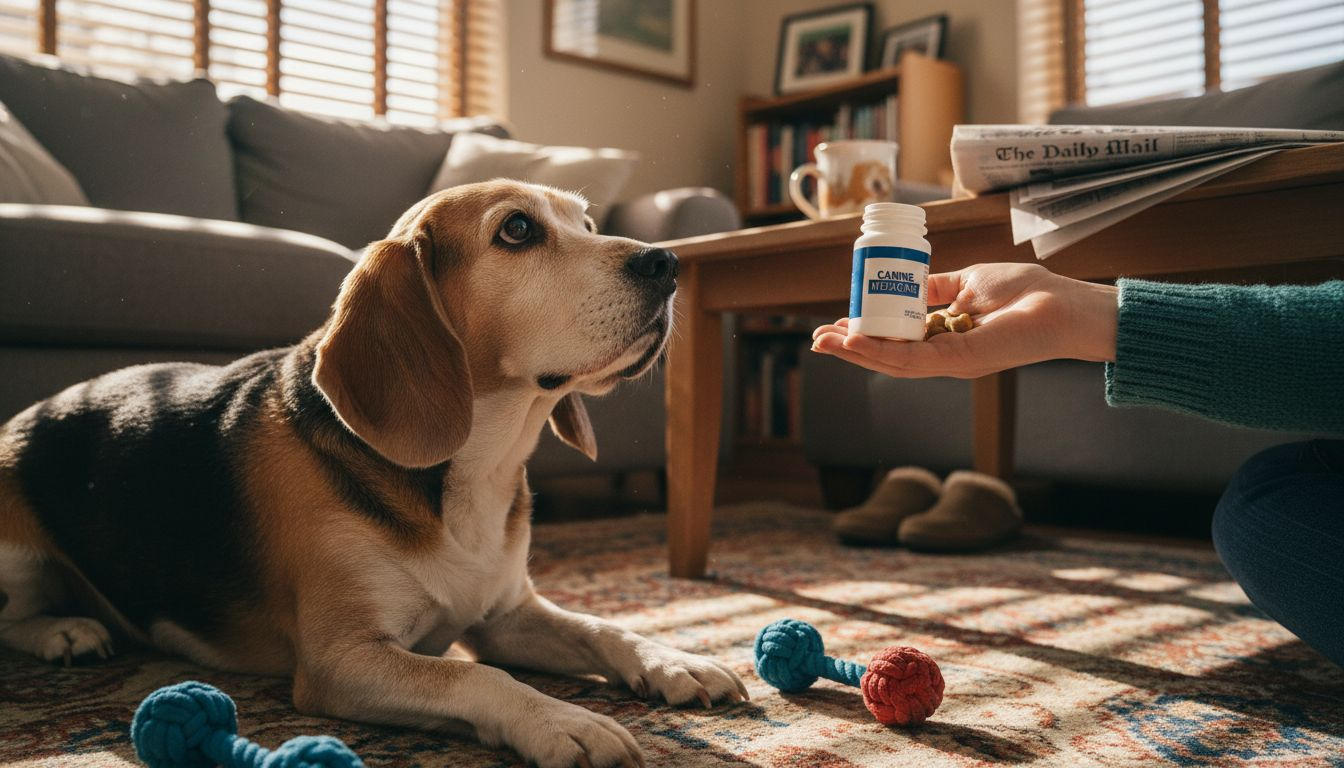
Medical conditions and medications can also trigger unexpected weight gain. Hormonal disorders such as hypothyroidism and Cushing's disease directly impact a dog's metabolism, making weight control challenging. Certain medications, especially long-term steroid treatments, can cause significant weight fluctuations. Owners might inadvertently contribute to obesity by offering excessive treats, providing oversized portions, or failing to adjust nutritional intake as their dog's activity levels change.
Here is a summary table highlighting how common canine obesity causes differ by dog type and age:
| Factor | Young Dogs | Adult Dogs | Senior Dogs |
|---|---|---|---|
| Breed predisposition | Some breeds affected | Most breeds show traits | Higher risk in certain breeds |
| Neutering effects | Minimal impact | Reduced metabolism | Pronounced metabolic slowdown |
| Dietary habits | Owner-controlled | Prone to overfeeding | Activity level decreases |
| Medical conditions | Rare | Emerging risk | Increased risk (thyroid, etc.) |
| Treats/portion size | Often excessive | May be unadjusted | Portion reduction essential |
Pro Tip: Consult with your veterinarian annually to establish a personalised nutrition and exercise plan that adapts to your dog's changing metabolic needs and health conditions.
Monitoring Your Dog's Weight Effectively
Body condition scoring represents the cornerstone of effective weight monitoring for dogs. Systematic weight assessment techniques involve a comprehensive evaluation that goes beyond simple scale measurements, requiring owners to understand and interpret their dog's physical condition through multiple indicators.
The standard 9-point Body Condition Score (BCS) provides a nuanced approach to weight monitoring. Key assessment points include feeling the dog's ribs for fat coverage, observing the waistline from above, and checking the abdominal tuck from the side. Dogs should have a visible waist when viewed from above, with ribs that can be felt with slight pressure but not prominently visible. Changes in breathing patterns during activity, mobility challenges, and alterations in sleeping habits can also signal potential weight management issues.
Technology and professional resources can enhance weight monitoring accuracy. Regular veterinary check-ups, digital pet scales, and visual comparison tools like the Dog Size-O-Meter provide objective measurements. Owners should aim to weigh their dogs consistently, ideally monthly, and record these measurements to track long-term trends. Pay special attention to breed-specific variations, as ideal weight ranges differ significantly between small terriers and large working breeds.
Pro Tip: Create a monthly weight tracking log with photographs and measurements to help you and your veterinarian identify subtle changes in your dog's body composition.
The following table compares effective weight tracking methods for dog owners:
| Method | Accuracy Level | Effort Required | Why Use It |
|---|---|---|---|
| Digital pet scale | High | Moderate | Tracks incremental changes |
| Body condition scoring | Medium | Low | Assesses fat distribution |
| Photographic log | Variable | Moderate | Visual records over time |
| Vet check-up | High | Low | Professional assessment |
Natural Diet Options for Weight Loss
Natural weight loss diets for dogs focus on strategic nutritional approaches that prioritise high-quality, nutrient-dense ingredients while maintaining satiety and supporting overall health. Veterinary-led weight management plans emphasise the importance of selecting foods that provide essential nutrients while reducing overall calorie intake.
Key nutritional strategies include incorporating lean proteins, high-fibre vegetables, and carefully portioned meals that support gradual weight reduction. Low-calorie vegetables like carrots and broccoli can serve as healthy treats, replacing calorie-dense alternatives. The goal is to create a diet that keeps dogs feeling full while promoting metabolic efficiency. Protein-rich ingredients help maintain muscle mass during weight loss, ensuring that the reduction in body weight comes primarily from fat stores rather than muscle tissue.
Balancing nutritional requirements requires a nuanced approach. Dogs need a carefully calculated diet that provides all essential nutrients while creating a moderate calorie deficit. This means selecting foods with high-quality protein sources, minimal processed ingredients, and natural fiber content. Consulting with a veterinary nutritionist can help design a personalised weight loss plan that considers the dog's breed, age, activity level, and specific health requirements.
Pro Tip: Gradually transition to a weight management diet, measuring portions precisely and introducing new foods slowly to prevent digestive disruption.
Risks of Improper Weight Management
Obesity in dogs represents a significant health challenge with far-reaching consequences beyond simple aesthetic concerns. Comprehensive veterinary research reveals that improper weight management can dramatically compromise a dog's overall health and quality of life, creating a cascade of serious medical complications.
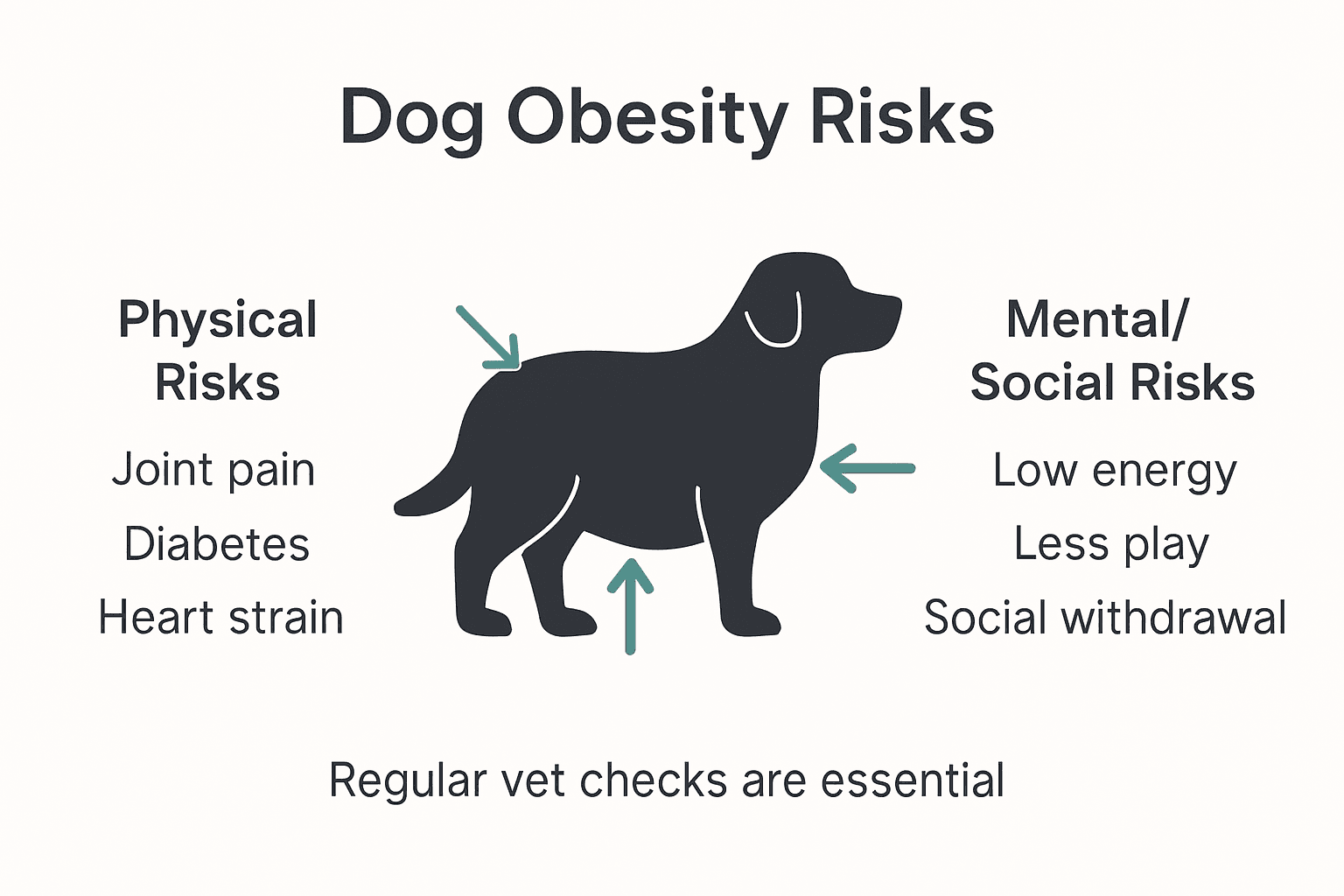
The physiological risks of canine obesity are extensive and multifaceted. Excess weight places tremendous strain on a dog's musculoskeletal system, leading to accelerated joint deterioration, arthritis, and reduced mobility. Metabolic disorders such as diabetes become increasingly likely, while cardiovascular systems experience significant stress. Respiratory function can be severely impaired, making even basic activities like walking or playing challenging and potentially dangerous.
Beyond physical health, obesity can profoundly impact a dog's psychological well-being and social interactions. Overweight dogs often experience reduced energy levels, decreased play drive, and increased susceptibility to depression-like symptoms. The cumulative effect of these health challenges can substantially shorten a dog's lifespan, with studies suggesting that obese dogs may live up to two years less than their healthy-weight counterparts. Moreover, the financial burden of managing obesity-related health conditions can be substantial, involving frequent veterinary interventions, specialised treatments, and potentially invasive medical procedures.
Pro Tip: Schedule biannual veterinary check-ups to professionally assess your dog's weight and adjust nutritional strategies proactively.
Support Your Dog's Weight Control Journey with Natural Nutrition
Managing your dog's weight requires more than just careful portion control and exercise. It means choosing the right diet to maintain an ideal body condition and prevent health risks like joint problems and diabetes. If you are looking for a natural, effective way to help your dog achieve lifelong health, explore the specially formulated options in our Weight Loss Dog Food UK collection. These products are crafted from premium, grain-free ingredients designed to support gradual weight reduction while preserving muscle mass and enhancing vitality.

Give your dog the gift of balanced nutrition today by visiting Ultimate Pet Foods. With our wide range of natural dog foods, backed by expert knowledge and tailored to different life stages and breeds, you can make proactive strides in your dog's weight management plan. Don't wait until health issues arise. Take the first step to better wellbeing by choosing the right food now and see the transformation over the months ahead.
Senior Dogs and Weight Control
Weight management becomes especially critical as dogs enter their senior years. Reduced activity levels, a naturally slower metabolism, and age-related muscle loss all make it easier for older dogs to gain weight — and harder to lose once gained. Our Grain Free Senior Dog Food collection includes a hydrolysed weight control recipe specifically formulated for senior dogs that need to manage their weight without compromising on joint support, digestibility, or overall nutritional completeness. Browse our Grain Free Senior Dog Food →
Frequently Asked Questions
What are the signs that my dog is overweight?
Common signs of an overweight dog include a lack of visible waist when viewed from above, difficulty feeling the ribs without excessive pressure, and reduced energy or playfulness. Regular body condition scoring can help assess if your dog is at an ideal weight.
How can I manage my dog's weight effectively?
Effective weight management involves monitoring caloric intake, selecting nutritionally balanced meals, controlling portions, limiting treats, and ensuring regular exercise. Consulting with a veterinarian for a tailored plan is also vital.
What natural diet options can I provide for my dog to help with weight loss?
Natural weight loss diets focus on high-quality, nutrient-dense ingredients, such as lean proteins and high-fibre vegetables. Incorporating low-calorie vegetables can help replace calorie-dense treats, aiding in gradual weight reduction without compromising nutrition.
Why is it important to regularly monitor my dog's weight?
Regular weight monitoring is essential to catch any significant changes early and adjust nutrition accordingly. Maintaining an optimal weight helps prevent serious health issues, including joint problems and metabolic disorders.


