
Weight Loss Diet For Dogs: Healthy, Natural Solutions
Nearly 40% of pets face weight problems in the United Kingdom according to the British Small Animal Veterinary Association, making weight loss diets for dogs a growing concern for families everywhere. British pet owners are increasingly realising that excess weight brings real health risks for their beloved companions. Discover clear guidance and practical solutions that help keep your dog healthy, energetic, and at an ideal body condition.
Table of Contents
- What Is A Weight Loss Diet For Dogs?
- Natural And Grain-Free Weight Loss Options
- How Dog Weight Loss Diets Work
- Choosing The Right Food For Breed And Age
- Risks Of Improper Dog Weight Loss
- Common Mistakes And Dieting Pitfalls
Key Takeaways
| Point | Details |
|---|---|
| Weight Loss Diets Are Essential | A weight loss diet for dogs aims to reduce body fat while preserving muscle mass, supporting overall health through balanced nutrition. |
| Tailored Nutritional Approaches | Nutritional strategies must be customised based on breed, age, and specific health requirements to ensure effective weight management. |
| Risks of Improper Diets | Inappropriate weight loss methods can lead to severe health issues, including muscle loss and metabolic disruptions, necessitating professional guidance. |
| Common Mistakes to Avoid | Over-restricting calories and failing to monitor portion sizes may hinder weight loss efforts, highlighting the need for informed feeding practices. |
What Is A Weight Loss Diet For Dogs?
A weight loss diet for dogs is a specialised nutritional approach designed to help overweight or obese canines safely reduce body fat while maintaining muscle mass and overall health. These diets are carefully crafted to create a calorie deficit without compromising essential nutrient intake, addressing the significant health challenge outlined by the British Small Animal Veterinary Association, which reports approximately 40% of UK pets are overweight or obese.
The primary goal of a weight loss diet is to provide balanced nutrition with reduced caloric density, enabling dogs to lose weight gradually and sustainably. These specialised diets typically feature high protein content to preserve lean muscle mass, increased fibre to promote satiety, and carefully calculated fat levels. Veterinary nutritionists recommend gradual weight reduction of approximately 1-2% of body weight per week, which helps prevent metabolic disruptions and supports long-term health management.
Key components of an effective canine weight loss diet include:
- Precise portion control
- High-quality protein sources
- Low-fat formulations
- Enhanced fibre content
- Balanced micronutrient profile
Our grain-free weight loss dog food provides a scientifically formulated solution that addresses these nutritional requirements, offering a targeted approach to supporting your dog’s weight management journey.
Natural And Grain-Free Weight Loss Options
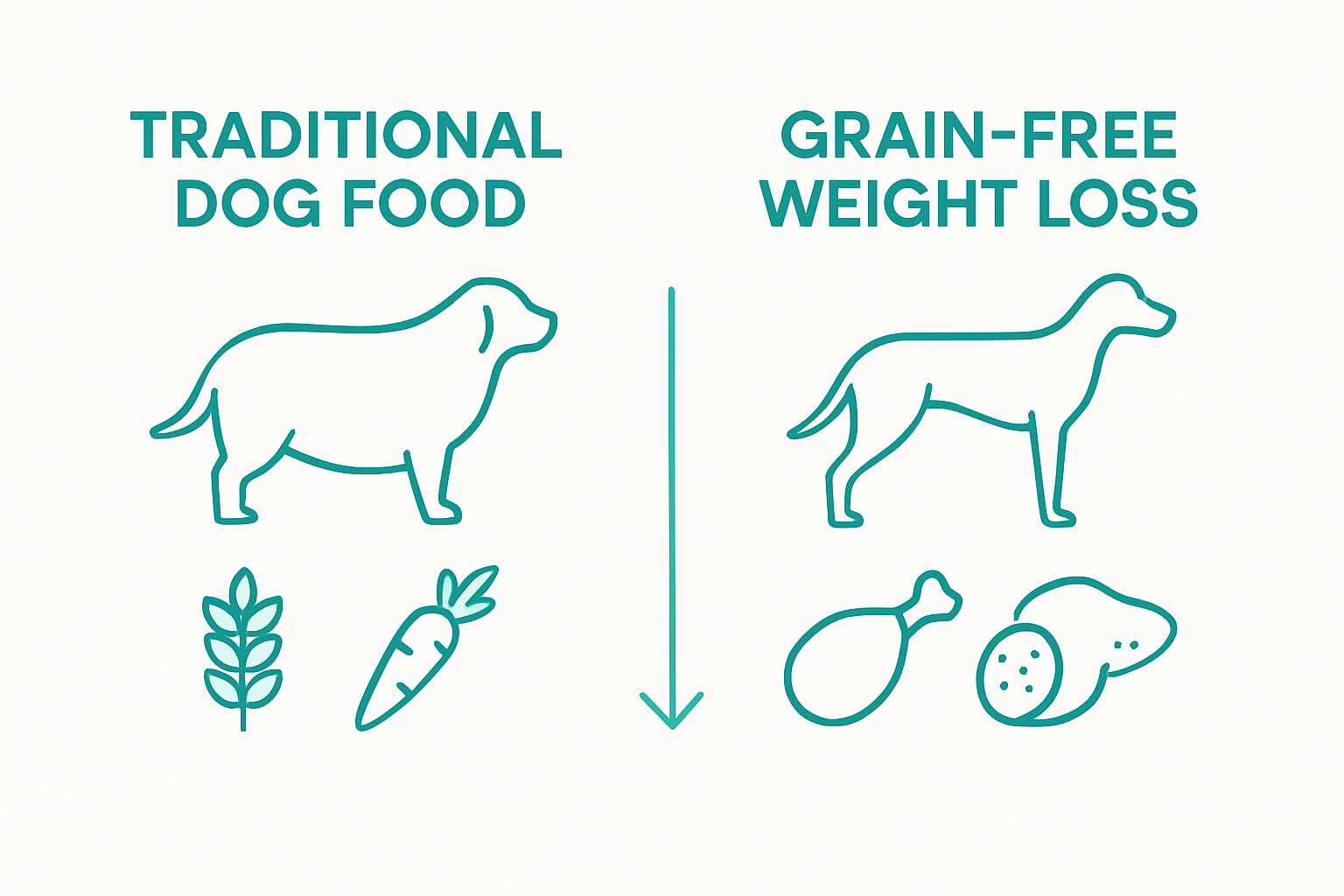
Natural and grain-free weight loss diets represent an innovative approach to managing canine obesity, offering nutrient-dense alternatives that support healthy metabolic function. Recent research on therapeutic weight loss diets demonstrates significant improvements in metabolic health markers, including reduced cholesterol, triglycerides, and enhanced insulin regulation for overweight dogs.
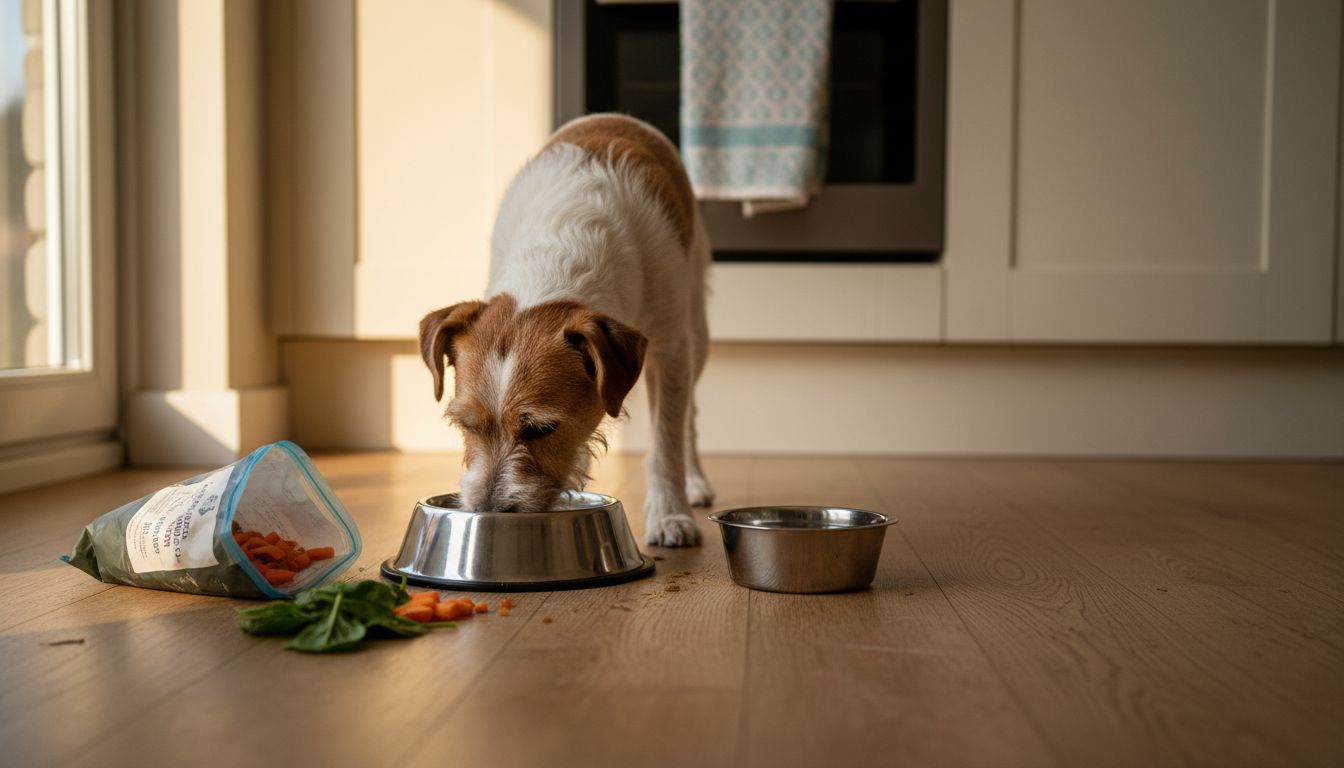
These specialised diets leverage high-quality protein sources and complex nutritional profiles to promote weight reduction while maintaining essential muscle mass. Scientific investigations into high-fiber dietary interventions have revealed fascinating changes in canine gut microbiome metabolites, suggesting that strategic nutritional approaches can positively influence metabolic processes during weight management.
Key characteristics of natural and grain-free weight loss options include:
- Protein-rich formulations from fresh meat sources
- Minimal processed ingredients
- Low glycaemic carbohydrate alternatives
- Enhanced fiber content for satiety
- Balanced omega fatty acid profiles
By exploring alternative approaches to canine nutrition, dog owners can discover tailored solutions that support their pet’s weight management journey while prioritising overall health and nutritional quality.
How Dog Weight Loss Diets Work
Dog weight loss diets function through a sophisticated metabolic approach that strategically reduces calorie intake while maintaining essential nutritional requirements. Restricted feeding studies have demonstrated significant physiological changes, including reductions in body weight, fat mass, and blood lipid concentrations, revealing the precise mechanisms behind successful canine weight management.
The fundamental principle of these diets involves creating a carefully calculated calorie deficit that promotes fat burning without compromising muscle mass or overall nutritional integrity. By incorporating high-protein, low-fat formulations with strategic nutrient profiles, these specialised diets trigger metabolic adaptations that support gradual and sustainable weight reduction. The nutritional composition typically includes increased fibre content to enhance satiety, reduced simple carbohydrates, and carefully balanced macronutrients that support the dog’s metabolic processes.
Key metabolic mechanisms in dog weight loss diets include:
- Precise calorie restriction
- Enhanced protein-to-fat ratio
- Metabolic pathway modulation
- Appetite regulation
- Improved insulin sensitivity
For dog owners seeking comprehensive nutritional guidance, understanding portion control strategies becomes crucial in implementing an effective weight management programme that supports long-term health and metabolic wellness.
Choosing The Right Food For Breed And Age
Tailored nutritional approaches for dogs require careful consideration of breed characteristics, age-specific metabolic needs, and individual health requirements. The British Small Animal Veterinary Association emphasises that weight management strategies must be precisely customised, recognising that a one-size-fits-all approach fails to address the unique physiological differences across various dog breeds and life stages.
Small breed dogs typically have faster metabolisms and different nutritional demands compared to larger breeds, necessitating specialised food formulations that account for their unique energy requirements. Puppies, adult dogs, and senior canines each experience distinct metabolic changes that directly impact their weight management needs. Younger dogs require higher protein and calorie content to support growth, while senior dogs need lower-calorie options with enhanced joint support and reduced metabolic intensity.
Key considerations when selecting breed and age-appropriate weight loss nutrition include:
- Metabolic rate variations by breed size
- Protein-to-fat ratio adjustments
- Calorie density modifications
- Breed-specific health predispositions
- Life stage nutritional requirements
Dog owners seeking comprehensive guidance can explore nutrition strategies tailored to specific breed characteristics, ensuring a targeted approach to maintaining optimal weight and supporting long-term canine health.
Risks Of Improper Dog Weight Loss
Weight loss strategies for dogs require meticulous planning to avoid potentially dangerous physiological consequences. The British Small Animal Veterinary Association warns that inappropriate weight loss approaches can trigger severe health complications, including catastrophic losses of lean muscle mass and metabolic disruptions that compromise overall canine wellness.
Therapeutic weight loss research demonstrates that rapid or uncontrolled dietary interventions can result in significant physiological risks. These risks include muscle degradation, compromised immune function, reduced metabolic efficiency, and potential nutritional deficiencies. Dogs experiencing improper weight loss may suffer from decreased energy levels, weakened muscle structure, hormonal imbalances, and reduced capacity to maintain essential bodily functions.
Potential risks associated with inappropriate dog weight loss include:
- Muscle mass deterioration
- Compromised metabolic function
- Nutritional deficiency development
- Immune system suppression
- Hormonal regulation disruption
- Reduced physical performance
Dog owners can mitigate these risks by consulting veterinary professionals and exploring comprehensive nutritional strategies that avoid harmful dietary practices, ensuring a safe and measured approach to canine weight management.
Common Mistakes And Dieting Pitfalls
Pre-weight-loss feeding practices play a critical role in determining the success of canine weight management programmes. Research in the British Journal of Nutrition reveals that many dog owners unknowingly sabotage their pet’s weight loss efforts through common misconceptions and inappropriate feeding strategies.
One of the most prevalent mistakes involves drastic calorie restriction without understanding the dog’s specific metabolic requirements. Many owners mistakenly believe that simply reducing food quantity will guarantee weight loss, but this approach can actually trigger metabolic slowdown, muscle loss, and nutritional deficiencies. Inconsistent feeding schedules, excessive treat consumption, and lack of portion control further compound the challenge of achieving sustainable weight management.
Common dieting pitfalls for dog weight loss include:
- Inconsistent feeding routines
- Overfeeding through treats and table scraps
- Ignoring breed-specific nutritional needs
- Lack of precise portion measurement
- Insufficient physical activity integration
- Neglecting nutritional balance
Dog owners can navigate these challenges by exploring comprehensive nutritional strategies that promote healthy weight management, ensuring a balanced and scientifically informed approach to their pet’s dietary needs.
Support Your Dog’s Healthy Weight Loss Journey with Natural Nutrition
If your dog struggles with excess weight, crafting the right diet is essential to avoid common pitfalls like muscle loss or metabolic disruption. Our weight loss dog food range is specifically formulated to provide high protein, increased fibre, and low-fat options that promote gradual, safe slimming while supporting overall health. These natural, grain-free recipes use premium fresh ingredients to meet your dog’s breed and life stage needs, helping you implement portion control and balanced nutrition with confidence.

Discover the benefits of choosing science-backed, tailored dog food by exploring our Weight Loss Dog Food UK collection. Start your pet’s transformation today with trusted nutrition from Ultimate Pet Foods and learn more about feeding strategies through our collections. Make this moment the turning point for your dog’s health and happiness.
Frequently Asked Questions
What is a weight loss diet for dogs?
A weight loss diet for dogs is a specially formulated nutritional plan aimed at helping overweight canines reduce body fat while maintaining muscle mass and overall health. It creates a calorie deficit while ensuring essential nutrients are not compromised.
How do I know if my dog needs a weight loss diet?
You can determine if your dog needs a weight loss diet by assessing their body condition score, looking for signs of obesity such as difficulty in physical activity, and consulting with a veterinarian who can provide guidance based on your dog’s specific health needs.
What are the key components of an effective dog weight loss diet?
An effective dog weight loss diet should include precise portion control, high-quality protein sources, low-fat formulations, increased fibre content, and a balanced micronutrient profile, ensuring that nutritional needs are met while promoting weight loss.
Are natural and grain-free diets effective for weight loss in dogs?
Yes, natural and grain-free diets can be effective for weight loss in dogs. These diets typically contain high-quality protein sources and complex nutritional profiles, supporting weight reduction while maintaining essential muscle mass and overall health.