


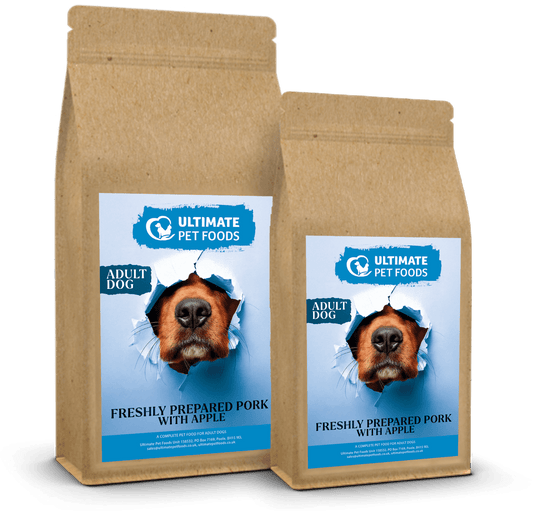
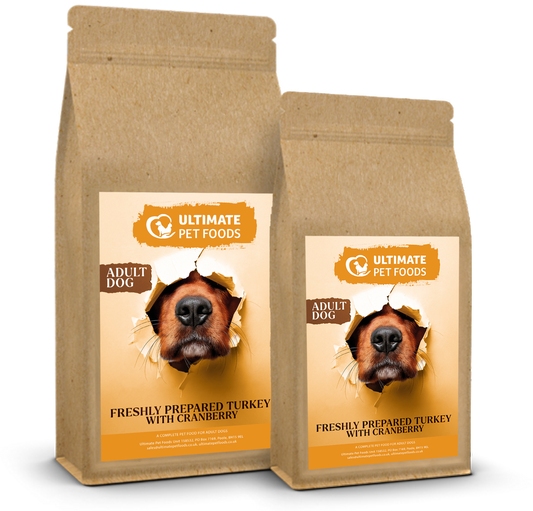
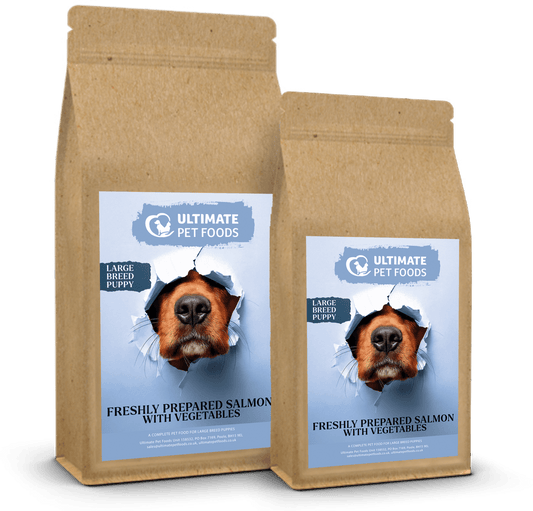
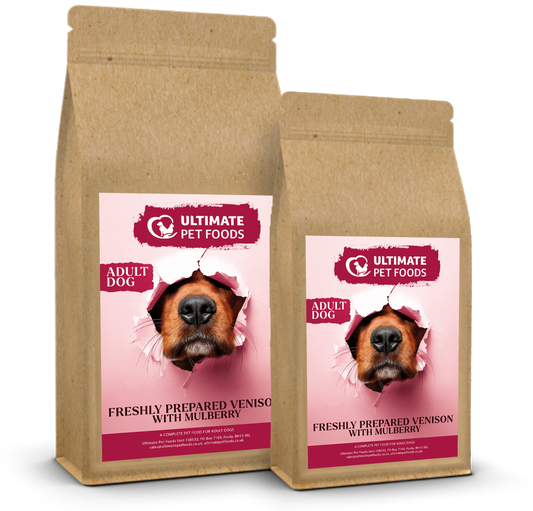
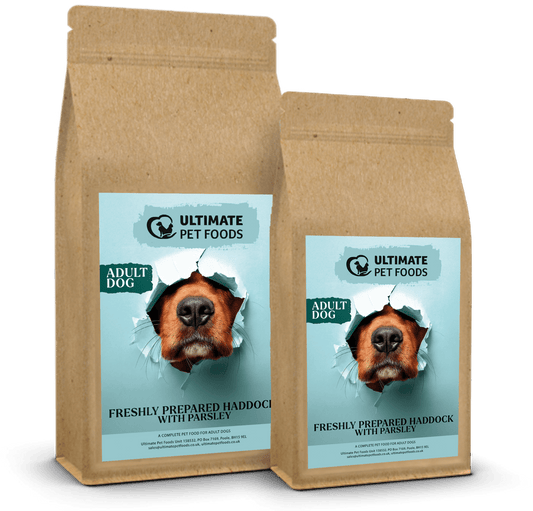
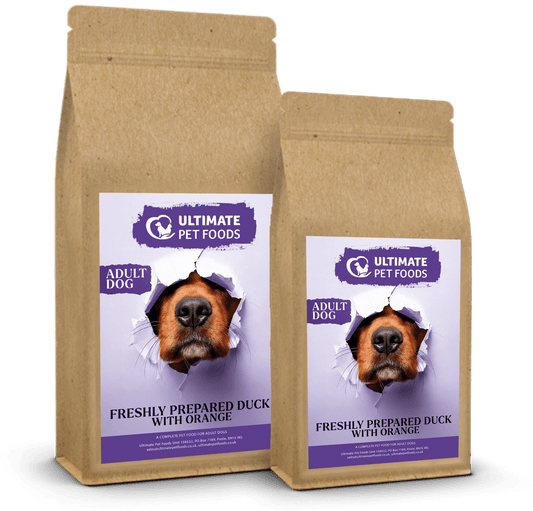
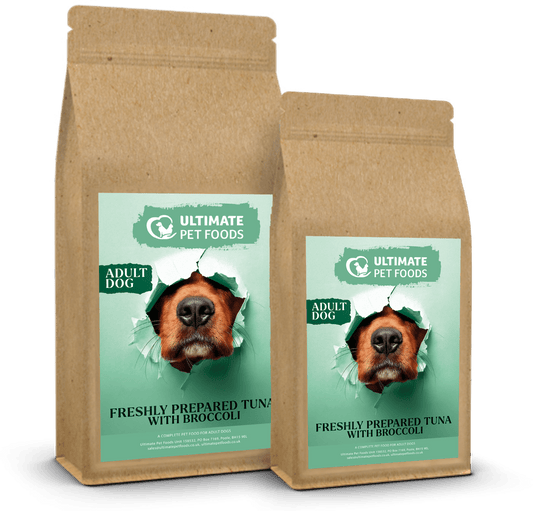
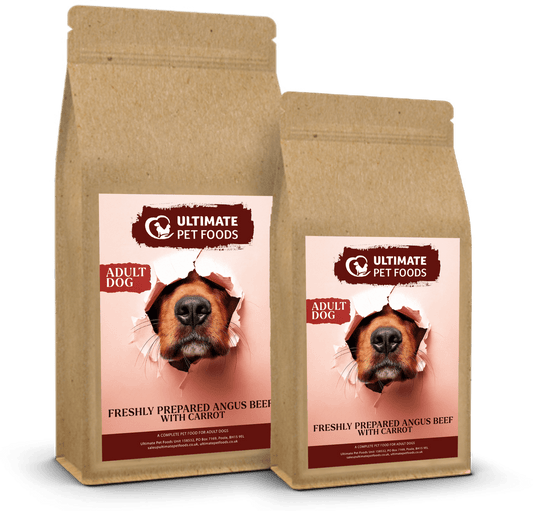
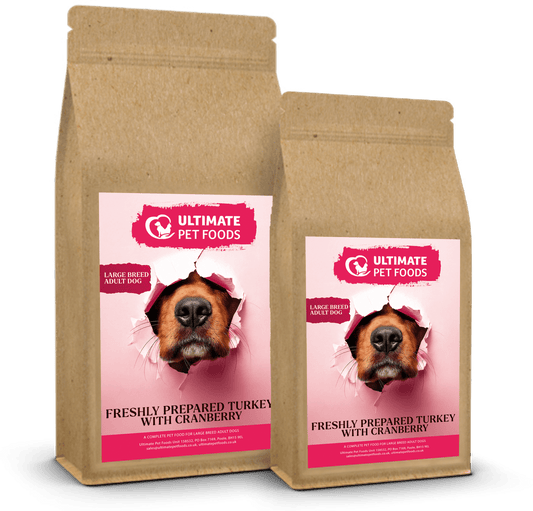
What is Single Protein Dog Food?
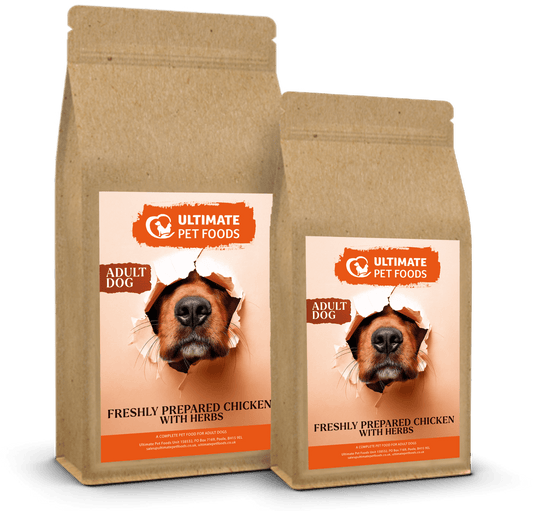
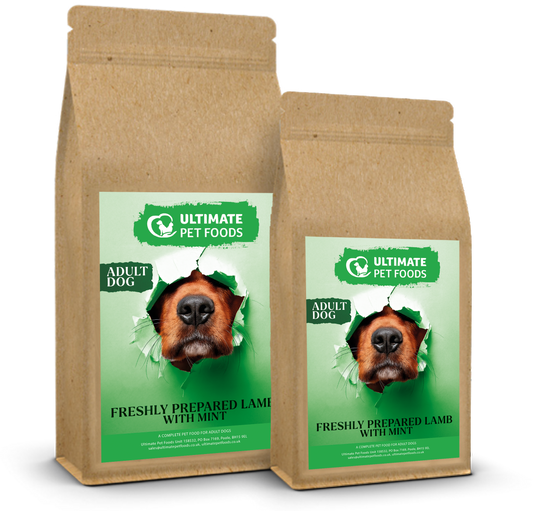
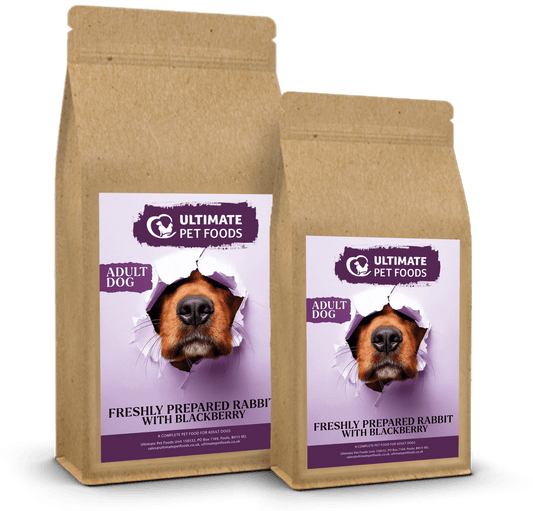
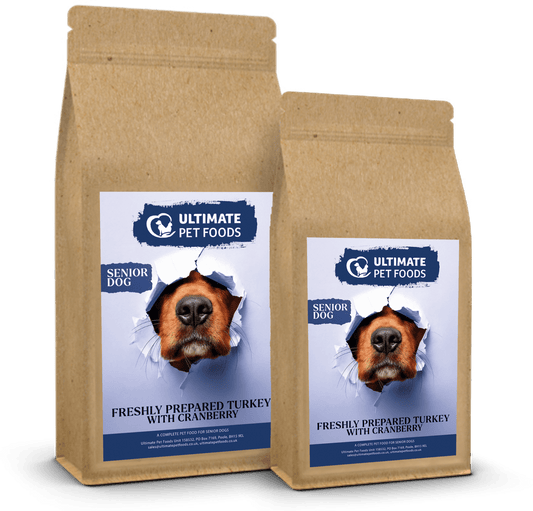
Single protein dog food contains one named meat or fish source as the primary ingredient — with no other proteins blended in. This means your dog is eating chicken, or lamb, or duck, but not a combination. It provides maximum dietary clarity, making it the gold standard for managing food sensitivities and elimination diets.
Why Single Protein Matters for Sensitive Dogs
If your dog is reacting to something in their food — itchy skin, loose stools, paw licking, ear infections, vomiting — identifying the trigger requires removing variables. A single protein diet gives you a clean baseline. If symptoms resolve, you can reintroduce proteins one at a time to identify the specific trigger.
Single Protein Dog Food for Elimination Diets
A proper food elimination trial involves feeding a single novel protein and carbohydrate for 8–12 weeks — long enough for existing allergens to clear the system. Our single protein grain free recipes use sweet potato as the carbohydrate source, keeping the ingredient list short and the protein source unambiguous.
Protein Rotation with Single Protein Recipes
Even for dogs without known sensitivities, rotating between single protein recipes every few months is a proactive way to prevent new food intolerances from developing. By regularly changing the protein source, you reduce the likelihood of your dog building up an immune response to any single ingredient.
Which Single Protein is Best for My Dog?
The best starting point depends on your dog's dietary history:
- Never eaten the protein before? — choose rabbit, venison or duck for the cleanest elimination trial
- Reacting to chicken? — try lamb, turkey, pork or fish-based recipes
- Active or high-energy dog? — venison or turkey for lean, high-protein options
- Weight management needed? — turkey or venison for naturally low-fat single protein
Is Single Protein Dog Food Better?
For most healthy dogs, a complete and balanced multi-protein recipe is perfectly fine. Single protein becomes especially valuable when managing sensitivities, conducting elimination trials or following a rotation feeding approach. All recipes in this collection are complete and balanced for everyday long-term feeding.