
Teeth Cleaning Chews: Effective Dental Care for Dogs
Finding the right dental chews can feel overwhelming when your dog’s breed, size, or sensitive tummy demand extra care. Oral hygiene is fundamental for every dog’s wellbeing, yet many British owners discover that myths around teeth cleaning chews lead to confusion instead of confidence. This guide breaks down how teeth cleaning chews support canine dental health and reveals what matters most for those seeking safe, natural options that actually suit your dog’s unique needs.
Table of Contents
- Teeth Cleaning Chews Defined And Common Myths
- Types Of Dog Dental Chews Explained
- Dental Benefits And How Chews Work
- Choosing Chews For Sensitive Or Small Breeds
- Safety Risks, Calorie Content, And Usage Tips
Key Takeaways
| Point | Details |
|---|---|
| Understanding Teeth Cleaning Chews | Teeth cleaning chews aid in reducing plaque and tartar build-up but are not a substitute for regular dental care routines. |
| Choosing the Right Chew | Select dental chews appropriate for your dog’s breed, size, and chewing habits to enhance safety and effectiveness. |
| Safety and Calorie Management | Always monitor your dog while chewing to prevent choking hazards and adjust their diet to manage calories from treats. |
| Dental Health Maintenance | Incorporate dental chews as part of a comprehensive oral hygiene strategy, including brushing and veterinary check-ups. |
Teeth Cleaning Chews Defined and Common Myths
Dental health represents a critical aspect of canine wellness that many dog owners misunderstand. Teeth cleaning chews are specialised treats designed to help reduce plaque and tartar buildup while promoting oral hygiene through mechanical cleaning action.
Understanding what teeth cleaning chews actually do requires dispelling several persistent myths. Dental health research indicates that while chews can contribute to oral care, they are not a complete solution for maintaining your dog’s dental hygiene.
Key characteristics of effective teeth cleaning chews include:
- Textured surfaces that scrape against tooth enamel
- Ingredients that support gum health
- Specific shape and density to encourage prolonged chewing
- Digestible materials that do not pose choking risks
Common misconceptions about dental chews can mislead well-intentioned pet owners. Many believe that any chew toy or hard treat will automatically clean teeth, but professionals caution against this oversimplification. Expert sources emphasise that chews are a supplement, not a replacement for proper dental care routines.
Dogs build plaque and tartar similarly to humans, which means consistent oral hygiene is crucial. Chews can help reduce bacterial buildup, but they should be part of a comprehensive dental care strategy that includes regular brushing and professional veterinary check-ups.
Pro tip: Select teeth cleaning chews that are appropriately sized for your dog’s breed and chewing habits to maximise dental benefits and minimise potential choking hazards.
Types of Dog Dental Chews Explained
Dental chews for dogs come in a diverse range of styles, materials, and formulations, each designed to address specific oral health needs. Veterinary dental experts recommend understanding the unique characteristics of different chew types to select the most appropriate option for your canine companion.
Edible dental chews represent one of the most popular categories, offering multiple benefits:
- Contain tartar-fighting enzymes
- Incorporate natural additives like parsley
- Designed with textured surfaces to mechanically clean teeth
- Available in various sizes for different dog breeds
Non-edible dental chews provide alternative options for dogs with specific dietary requirements or more aggressive chewing habits. These typically include:
- Rubber chew toys
- Nylon-based chewing implements
- Long-lasting dental devices designed for prolonged chewing
Comprehensive dental chew research suggests considering several critical factors when selecting dental chews, including:
- Dog’s age and chewing style
- Potential calorie content
- Size appropriateness
- Specific oral health requirements
Some specialised chews even include additional ingredients like baking soda or specific enzymes to enhance their dental cleaning properties. The key is matching the chew to your dog’s individual needs and chewing characteristics.
Here’s a comparison of edible and non-edible dental chews for dogs:
| Chew Type | Best For | Typical Ingredients | Potential Drawbacks |
|---|---|---|---|
| Edible Chews | Most breeds, easy chewers | Enzymes, parsley, natural additives | Adds calories, may dissolve quickly |
| Non-Edible Chews | Aggressive chewers, dietary needs | Rubber, nylon, dental polymers | May cause tooth fractures if too hard |
Pro tip: Consult with your veterinarian to identify the most suitable dental chew type for your dog’s specific breed, age, and oral health requirements.
Dental Benefits and How Chews Work
Dental chews function as a sophisticated mechanism for maintaining canine oral health through mechanical and chemical cleaning processes. Dog dental care strategies reveal that these specialised products work by addressing multiple aspects of tooth and gum maintenance.
The primary dental benefits of chews include:
- Mechanical plaque removal through abrasive surfaces
- Stimulation of saliva production
- Reduction of tartar and calculus buildup
- Massage and strengthening of gum tissues
- Promotion of overall oral microbiome health
Chews operate through two primary mechanisms. First, the physical texture and design create a scraping action against tooth surfaces, mechanically removing soft plaque deposits. The textured surfaces act like a gentle brush, dislodging bacterial colonies and food particles that accumulate along the gumline and tooth surfaces.

Secondly, many advanced dental chews incorporate enzymatic ingredients that chemically break down bacterial biofilms. These biochemical agents work at a microscopic level, disrupting the bacterial structures that contribute to plaque formation and potential dental disease.
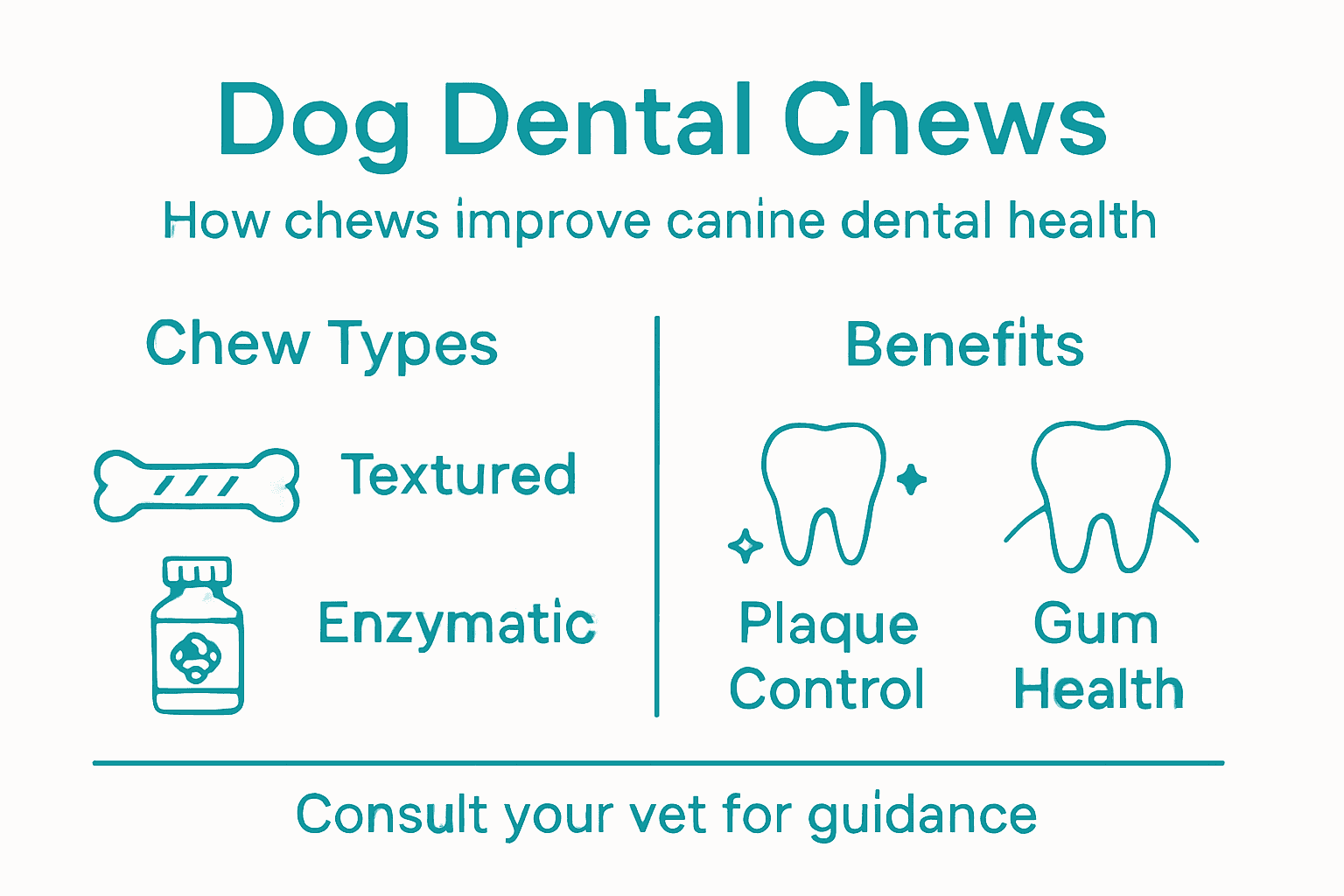
Chewing action itself plays a crucial role in dental health. The repetitive motion stimulates blood circulation in gum tissues, helps clean hard-to-reach tooth surfaces, and provides natural massage that strengthens periodontal structures. This process is particularly beneficial for dogs that do not tolerate traditional tooth brushing.
Pro tip: Rotate different types of dental chews to provide comprehensive oral care and prevent your dog from becoming bored with a single cleaning method.
Choosing Chews for Sensitive or Small Breeds
Small and sensitive dog breeds require specialised dental chew considerations that prioritise safety and gentle oral care. Veterinary dental specialists emphasise the critical importance of selecting appropriately sized and textured chews to prevent potential dental damage.
Key characteristics to consider for small breed dental chews include:
- Smaller physical dimensions
- Softer texture to prevent tooth fractures
- Low-impact abrasive surfaces
- Breed-specific design matching chewing strength
- Hypoallergenic ingredients for sensitive dogs
Veterinary recommendations highlight critical risks associated with inappropriate chew selection. Hard chews like antlers can cause significant dental trauma for dogs with brittle or small teeth. Smaller breeds often have more delicate dental structures that require gentler cleaning mechanisms.
The most suitable chews for sensitive breeds typically feature:
- Flexible rubber materials
- Enzymatic cleaning properties
- Graduated textures that clean without excessive force
- Rounded edges to prevent potential gum irritation
- Lightweight compositions that prevent jaw strain
Consistent supervision during chewing remains paramount. Even with carefully selected dental chews, individual dog characteristics can vary, making attentive monitoring essential for preventing potential dental or choking incidents.
Pro tip: Measure your dog’s mouth and consult with a veterinarian to identify the most appropriate dental chew size and texture for their specific breed and individual chewing habits.
Safety Risks, Calorie Content, and Usage Tips
Dental chews introduce potential safety considerations that dog owners must carefully navigate. Veterinary guidance emphasises the critical importance of understanding inherent risks associated with dental treat selection and usage.
Significant safety risks to consider include:
- Potential choking hazards
- Risk of tooth fractures
- Possible digestive complications
- Inappropriate sizing for specific breeds
- Potential allergic reactions
Calorie management represents another crucial aspect of dental chew selection. Each chew contributes additional calories to a dog’s daily intake, necessitating careful portion control and dietary adjustment. Owners should:
- Calculate treats within total daily calorie allowance
- Reduce main meal portions correspondingly
- Monitor dog’s weight regularly
- Select low-calorie dental chew options
- Consider breed-specific metabolic requirements
Supervision is non-negotiable: Always monitor your dog during chewing to prevent potential accidents or unexpected complications.
Effective usage tips for maximising dental chew benefits include:
For quick reference, here are main safety and calorie management tips for dental chews:
| Safety Tip | Calorie Management Advice | Why It Matters |
|---|---|---|
| Choose correct chew size | Calculate each treat’s calories | Prevent choking, maintain weight |
| Always supervise chewing | Adjust main meal portions | Avoid accidents, balance diet |
| Remove damaged chews | Opt for low-calorie options | Reduce injury risk, control intake |
- Select appropriately sized chews
- Introduce new chews gradually
- Remove damaged or broken chew pieces immediately
- Establish consistent chewing routines
- Rotate different chew types to maintain engagement
Pro tip: Consult your veterinarian to develop a personalised dental chew strategy tailored to your dog’s specific health profile, breed, and individual chewing characteristics.
Enhance Your Dog’s Dental Health with Natural Care
Maintaining your dog’s oral hygiene is a vital part of their overall wellbeing. As the article points out, teeth cleaning chews offer effective mechanical and enzymatic cleaning benefits, but integrating them within a comprehensive care routine is essential. At Ultimate Pet Foods, we understand the challenges of selecting safe and beneficial treats that complement your dog’s unique needs. Our range of Dog Treats - Healthy & Natural with Functional Benefits – Ultimate Pet Foods features grain-free, natural options designed to support dental health while aligning with your dog’s dietary requirements.

Take the next step towards optimal oral and overall health for your canine companion by choosing treats and nutrition tailored to their breed and lifestyle. Explore our Dry Dog Food | Grain-Free & Science-Backed Kibble – Ultimate Pet Foods for complete meals that work hand in hand with dental chews to support your dog’s vibrant smile. Make a positive change today and visit Ultimate Pet Foods to discover natural, health-focused dog foods and treats that help your dog thrive.
Frequently Asked Questions
What are teeth cleaning chews and how do they work?
Teeth cleaning chews are specialised treats designed to reduce plaque and tartar buildup on dogs’ teeth. They work through mechanical cleaning, using textured surfaces to scrape against teeth and promote saliva production, which helps maintain oral health.
Are all types of chews effective for dental health?
Not all chews are created equal. Effective dental chews typically have textured surfaces and can include enzymatic ingredients that help reduce plaque. It’s important to choose chews specifically designed for dental care rather than any hard treat or toy.
How can I select the right dental chews for my dog?
When selecting dental chews, consider your dog’s size, age, and chewing habits. Look for chews that are appropriately sized and textured for your dog’s breed, and consult your veterinarian for recommendations based on their oral health needs.
What safety precautions should I take when giving my dog dental chews?
Always supervise your dog while they are chewing to prevent choking, and select chews that are the correct size for your dog. Regularly check for damaged or broken pieces and remove them immediately to avoid potential injuries.