
Raw Dog Food Safety: Everything You Need to Know
Most british pet owners believe raw dog food offers a natural and healthier option, but more than 30 percent of veterinary professionals highlight serious safety concerns. Choosing the right nutrition plan for your dog means sorting fact from fiction, especially with so many myths about raw feeding circulating. This guide explains what raw dog food actually is, explores potential benefits, and addresses hidden risks that every british pet owner should understand before making the switch.
Table of Contents
- Defining Raw Dog Food And Common Myths
- Types Of Raw Diets For Dogs Explained
- Health Benefits And Potential Safety Risks
- Safe Handling Practices And Hygiene Steps
- UK Regulations And Legal Guidelines
- Avoiding Common Raw Feeding Mistakes
Key Takeaways
| Point | Details |
|---|---|
| Raw Diets Carry Risks | Raw dog food can harbour harmful bacteria like Salmonella and E. coli, posing health risks to both pets and humans. Veterinary professionals recommend prepared diets that ensure safety without compromising nutrition. |
| Myths About Raw Feeding | Common misconceptions suggest raw diets are automatically healthier, improve coat quality, or perfectly replicate ancestral diets; however, scientific evidence contradicts these claims. |
| Importance of Safety Protocols | Proper handling and safety protocols are essential when managing raw dog food to prevent bacterial contamination and ensure the health of pets and their owners. |
| Consulting Professionals | Pet owners should seek advice from veterinary nutritionists to understand the nutritional needs of their dogs and avoid common raw feeding mistakes. |
Defining Raw Dog Food And Common Myths
Raw dog food represents an uncooked diet consisting of fresh, unprocessed animal proteins that have not been heated to kill potential pathogens. While proponents argue this diet mimics a canine’s ancestral eating patterns, veterinary experts caution against potential health risks. The raw food approach requires careful understanding to ensure your dog’s nutritional safety.
Contrary to popular belief, raw diets are not inherently healthier. The Centers for Disease Control warns that uncooked meats can harbour dangerous bacteria like Salmonella and E. coli, which pose significant risks to both pets and their human companions. These pathogens can cause serious digestive issues, potentially leading to severe health complications.
Most veterinary professionals recommend carefully prepared dog foods that balance nutritional needs with safety. Our freshly prepared kibble, gently cooked at 82°C, locks in nutrients while eliminating harmful bacteria. This approach ensures your dog receives high-quality protein without the risks associated with raw feeding. Key myths about raw diets include assumptions that they automatically provide superior nutrition, improve coat quality, or match ancestral diets perfectly - claims that scientific research consistently challenges.
Key considerations for pet owners exploring raw diets include:
- Understanding precise nutritional requirements
- Recognising potential bacterial contamination risks
- Consulting veterinary nutritionists for personalised advice
- Considering alternative preparation methods that preserve nutritional integrity
Types Of Raw Diets For Dogs Explained
Raw dog diets encompass several distinctive approaches designed to provide nutrition through unprocessed ingredients. The Association of American Feed Control Officials highlights that these diets typically include a complex blend of raw muscle meat, ground bones, organ meats, raw eggs, and occasionally vegetables and fruits. Each diet variation aims to replicate different nutritional strategies for canine health.
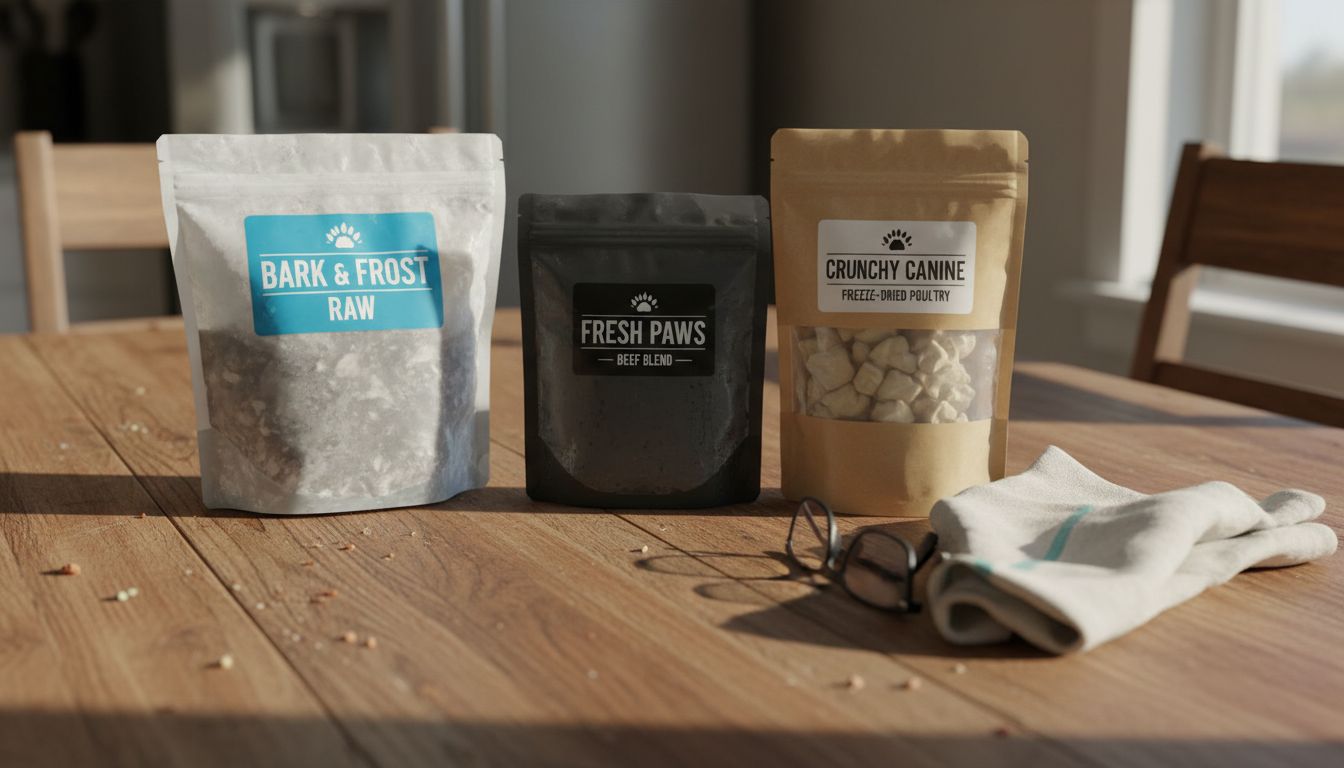
Commercially prepared raw diets generally fall into three primary categories. Frozen raw diets offer pre-portioned, uncooked meat-based meals that can be thawed and served directly. Freeze-dried raw diets provide lightweight, shelf-stable options that preserve nutritional integrity through advanced dehydration techniques. Fresh raw diets represent minimally processed meals delivered fresh, requiring refrigeration and careful handling to maintain safety standards.
Research from the National Center for Health Research indicates that raw meat-based diets (RMBDs) typically consist of uncooked protein sources supplemented with additional nutritional components. However, pet owners must exercise extreme caution, as these diets carry inherent bacterial contamination risks. Our freshly prepared kibble, gently cooked at 82°C, provides a safer alternative that locks in nutrients while eliminating potential pathogens.
Key considerations when exploring raw diet types include:
- Understanding precise ingredient sourcing
- Evaluating nutritional completeness
- Assessing potential bacterial contamination risks
- Consulting veterinary nutritionists for personalised guidance
- Considering individual dog health requirements
Health Benefits And Potential Safety Risks
The Woof research highlights several potential benefits of raw diets for dogs, including improved digestion, increased energy levels, and better weight management. Proponents argue that unprocessed diets more closely resemble a dog’s ancestral eating patterns, potentially supporting more natural nutritional absorption and overall health. However, these claims require careful scientific scrutiny and balanced evaluation.
Significant concerns emerge when examining the safety profile of raw diets. Consumer Reports emphasises the substantial bacterial contamination risks associated with uncooked protein sources. Dogs fed raw food demonstrate a higher likelihood of shedding dangerous pathogens like Salmonella, which can pose serious health risks not just to the animal but also to human family members through direct contact or environmental transmission.
Our freshly prepared kibble offers a safer alternative, gently cooked at 82°C to eliminate potential pathogens while preserving essential nutrients. This approach provides the nutritional benefits pet owners seek without compromising safety. The potential advantages of raw diets must be carefully weighed against documented risks, including:
- Potential nutritional imbalances
- Increased bacterial contamination risks
- Higher likelihood of bone-related injuries
- Potential digestive complications
- Challenges in maintaining consistent nutrient profiles
Veterinary nutritionists consistently recommend thoroughly researched, scientifically formulated diets that provide comprehensive nutritional support while prioritising your dog’s health and safety.
Safe Handling Practices And Hygiene Steps
The Association of American Feed Control Officials emphasises critical hygiene protocols when managing raw pet foods, recognising the intricate challenges of preventing bacterial contamination. Raw meat requires meticulous handling to protect both animal and human health, demanding a comprehensive approach to food preparation and storage that goes far beyond typical meal preparation techniques.
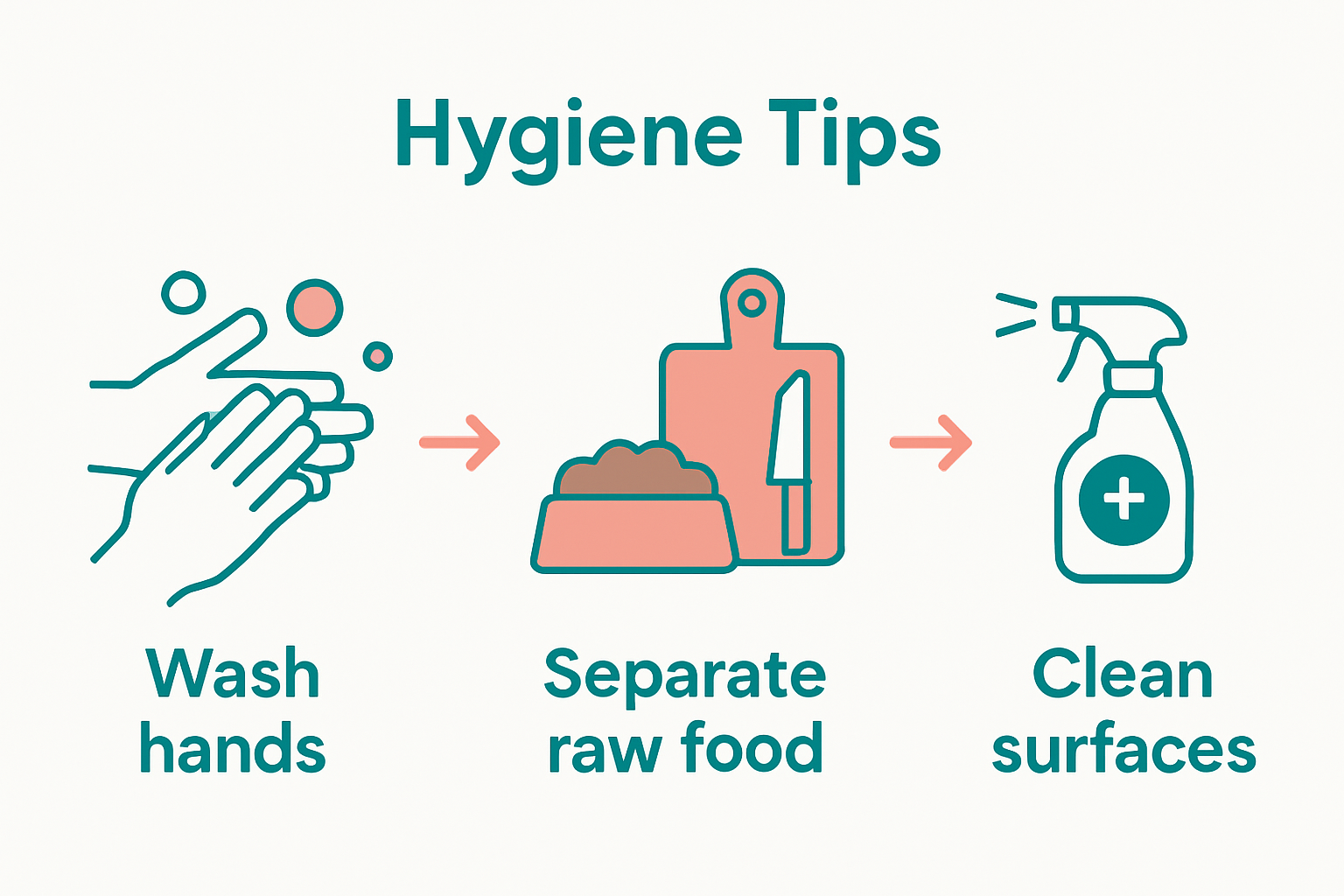
Precise handling begins with dedicated food preparation zones. This means establishing separate cutting boards, utensils, and cleaning supplies exclusively for raw pet food. Research from the National Center for Health Research underscores the importance of thorough handwashing and surface sanitisation after every interaction with uncooked proteins, highlighting the potential transmission risks of harmful bacteria like Salmonella and E. coli.
Our freshly prepared kibble, gently cooked at 82°C, eliminates these complex hygiene challenges while providing superior nutritional value. For those committed to raw feeding, essential safety practices include:
- Wash hands thoroughly with antibacterial soap before and after handling raw food
- Use dedicated preparation surfaces and immediately sanitise after use
- Store raw foods in sealed containers at appropriate refrigeration temperatures
- Clean and disinfect all food bowls after each feeding
- Separate raw food preparation areas from human food preparation zones
Veterinary experts recommend maintaining stringent hygiene protocols to mitigate potential health risks associated with raw feeding strategies.
UK Regulations And Legal Guidelines
The regulatory landscape surrounding pet food production in the United Kingdom involves complex guidelines designed to protect animal and human health. Pet food manufacturing operates under strict oversight from multiple governmental bodies, including the Food Standards Agency (FSA) and the Department for Environment, Food and Rural Affairs (DEFRA), which establish comprehensive standards for ingredient sourcing, processing, and nutritional content.
Domestic pet food producers must adhere to rigorous safety protocols that mandate thorough testing of raw ingredients, ensuring minimal bacterial contamination and nutritional adequacy. Understanding dog food regulations reveals that commercial pet foods must meet specific nutritional profiles and safety benchmarks before reaching consumer markets. These regulations aim to prevent potential health risks associated with improper food preparation and ingredient selection.
Our freshly prepared kibble, gently cooked at 82°C, represents a gold standard in compliance with UK food safety regulations. The manufacturing process eliminates potential pathogens while maintaining optimal nutritional integrity. Key regulatory considerations for pet food producers include:
- Comprehensive ingredient traceability
- Mandatory bacterial screening processes
- Nutritional composition verification
- Strict hygiene and processing standards
- Regular quality control inspections
Pet owners should prioritise products from manufacturers demonstrating full compliance with national food safety guidelines, ensuring their companions receive safe, nutritionally balanced meals.
Avoiding Common Raw Feeding Mistakes
The American Animal Hospital Association warns that pet owners frequently misunderstand the complexities of raw feeding, often assuming these diets are inherently superior to traditional nutrition approaches. Nutritional misconceptions can lead to significant health risks, with many pet owners inadvertently compromising their dog’s dietary balance through uninformed choices.
Research from the National Center for Health Research highlights critical mistakes that can severely impact canine health. The most prevalent errors include insufficient understanding of bacterial contamination risks, inadequate food handling procedures, and a lack of comprehensive nutritional planning. Pet owners often fail to recognise the intricate nutritional requirements that differ dramatically between raw and cooked diets.
Our freshly prepared kibble, gently cooked at 82°C, eliminates these complex nutritional challenges while providing optimal dietary support. Key mistakes to avoid in raw feeding include:
- Neglecting balanced nutritional profiles
- Improper bacterial risk management
- Inconsistent portion control
- Failing to consider individual dog health requirements
- Inadequate food preparation and storage techniques
Veterinary nutritionists consistently recommend a structured, scientifically validated approach to canine nutrition that prioritises both safety and comprehensive nutritional needs.
Ensure Your Dog’s Safety with Nutritionally Balanced, Hygienic Food Choices
Understanding the risks of raw dog food requires thoughtful alternatives that support your pet’s health without compromising safety. If you want to avoid common bacterial contamination dangers and nutritional imbalances highlighted in the article, consider switching to a carefully prepared diet. Our range of Dry Dog Food | Grain-Free & Science-Backed Kibble – Ultimate Pet Foods offers cooked, nutrient-rich meals that maintain wholesome ingredients while eliminating harmful pathogens.
Discover the peace of mind that comes with scientifically formulated, hypoallergenic options designed for all breeds and life stages. Visit Ultimate Pet Foods now to explore our full selection including healthy Dog Treats - Healthy & Natural with Functional Benefits – Ultimate Pet Foods and tailored options like Try Our Grain Free Puppy Food - Optimal Health & Nutrition. Take the next step in protecting your dog’s wellbeing by choosing safe, balanced nutrition designed for today’s pet owners.
Frequently Asked Questions
What is raw dog food?
Raw dog food consists of fresh, unprocessed animal proteins that have not been cooked to eliminate pathogens. This diet aims to mimic the natural eating patterns of dogs.
What are the health risks associated with raw dog food?
Raw dog food can harbour dangerous bacteria like Salmonella and E. coli, which pose significant health risks to both pets and their human companions. These bacteria can cause serious digestive issues and other health complications.
How can I safely handle raw dog food?
To ensure safety when handling raw dog food, use dedicated preparation areas, wash hands thoroughly, use separate utensils, and clean all surfaces and bowls after use to prevent bacterial contamination.
What are the alternatives to raw dog food?
Alternatives include carefully prepared processed dog foods, such as freshly prepared kibble that is gently cooked to lock in nutrients while eliminating harmful bacteria, ensuring nutritional safety.