
Puppy Nutrition Requirements – Building Healthy Foundations
Most british households welcome a puppy each year, yet over 50 percent misunderstand basic feeding requirements during those early months. Puppy nutrition often sparks debates and myths, ranging from protein needs to supposed benefits of grain-free formulas. Getting your puppy’s diet right is crucial for healthy growth and a vibrant, active life. This guide breaks down the real science behind british puppy nutrition and clears up common misconceptions, helping pet owners make confident, well-informed choices.
Table of Contents
- Defining Puppy Nutrition Requirements And Myths
- Essential Nutrients For Growing Puppies
- Breed Size And Age: Nutritional Differences
- Grain-Free And Natural Diet Benefits For Puppies
- Avoiding Common Puppy Feeding Mistakes
Key Takeaways
| Point | Details |
|---|---|
| Puppy Nutritional Needs | Puppies require a diet with 22-32% protein, high-quality minerals, and balanced fat content for optimal growth and development. |
| Myths About Puppy Feeding | Common misconceptions include that all puppy foods are equivalent and that overfeeding leads to faster growth, which can harm their health. |
| Breed and Age Considerations | Nutritional requirements vary significantly by breed size and age, necessitating tailored diets for proper growth and bone development. |
| Avoiding Feeding Mistakes | Consistent feeding schedules and understanding ingredient quality are vital to prevent overfeeding and ensure balanced nutrition for puppies. |
Defining Puppy Nutrition Requirements and Myths
Understanding the intricate world of puppy nutrition requires dispelling common misconceptions and establishing clear, science-backed dietary guidelines. The BSAVA Guide to Nutrition in Small Animal Practice highlights that puppy nutrition is far more complex than simply providing food - it’s about delivering precise nutritional building blocks for optimal growth and development.
Puppies have dramatically different nutritional requirements compared to adult dogs, with key differences in protein, fat, mineral, and energy needs. Growing puppies require high-quality protein sources that support muscle development, bone growth, and overall body composition. Research indicates that puppies need approximately 22-32% protein in their diet, compared to 18-25% for adult dogs. This increased protein requirement supports rapid physical development during their critical first year.
Numerous myths surround puppy nutrition that can potentially harm a young dog’s health. For instance, many pet owners mistakenly believe that all commercial puppy foods are identical or that homemade diets are automatically healthier. The Royal Veterinary College’s guidance emphasises the importance of selecting complete, balanced diets specifically formulated for puppies. Key nutrition myths to dispel include:
- Myth: More food means faster growth Reality: Overfeeding can lead to obesity and developmental issues
- Myth: All protein sources are equal Reality: Protein quality and digestibility vary significantly
- Myth: Puppies can eat adult dog food Reality: Puppies require specialized nutrient profiles for proper development
Our freshly prepared dog food contains precisely balanced nutrients, gently cooked at 82°C to lock in essential proteins and vitamins, ensuring your puppy receives optimal nutrition without compromising ingredient quality. By understanding these fundamental nutrition principles, pet owners can make informed decisions that support their puppy’s long-term health and vitality.
Essential Nutrients for Growing Puppies
The BSAVA Guide to Nutrition in Small Animal Practice emphasises that puppy nutrition is a precise science requiring careful balance of essential nutrients. Protein stands as the cornerstone of puppy development, acting as the primary building block for muscle, tissue, and organ growth. Puppies require significantly higher protein levels compared to adult dogs, with optimal ranges between 22-32% of their total dietary intake.
Beyond protein, balanced mineral content plays a critical role in skeletal development. Calcium and phosphorus must be carefully proportioned to support healthy bone formation, with recommended ratios typically between 1.2:1 and 1.4:1. Trace minerals like zinc, iron, and selenium contribute to immune system function and metabolic processes, ensuring comprehensive nutritional support during these rapid growth stages.
Fat represents another crucial nutrient, providing concentrated energy and supporting neurological development. The Royal Veterinary College’s guidance recommends that puppy diets contain approximately 10-25% fat, sourced from high-quality animal proteins to ensure optimal nutrient absorption. Essential fatty acids, particularly omega-3 and omega-6, play a vital role in brain development, coat health, and reducing inflammatory responses.
Our freshly prepared dog food is meticulously crafted to deliver these precise nutritional requirements, with:
- Carefully balanced protein levels (22-32%)
- Optimal mineral ratios for bone development
- High-quality animal-based fat sources
- Gentle cooking at 82°C to preserve essential nutrients
- Prebiotic support for digestive health
By understanding and implementing these nutritional foundations, pet owners can provide their puppies with the best possible start in life, supporting robust growth, strong immune function, and long-term vitality.
Breed Size and Age: Nutritional Differences
The BSAVA Guide to Nutrition in Small Animal Practice reveals that puppy nutritional requirements dramatically differ across breed sizes and developmental stages. Breed size fundamentally impacts metabolic rates, energy demands, and nutrient absorption, creating a complex landscape of dietary needs that cannot be addressed through a one-size-fits-all approach.
Small breed puppies, characterised by their accelerated metabolism, require nutrient-dense foods with higher caloric concentrations. These tiny canines burn energy faster and need more frequent meals, typically consuming 4-5 small portions daily. In contrast, large breed puppies demand carefully controlled nutrition to prevent rapid growth that might stress developing joints. The Royal Veterinary College’s guidance emphasises the critical importance of balanced calcium-to-phosphorus ratios to support controlled bone development in larger breeds.

Age progression introduces another layer of nutritional complexity. Puppies transition through multiple developmental stages, each requiring nuanced dietary adjustments. Neonatal puppies depend entirely on maternal nutrition, while weaning introduces gradual dietary transitions. The first six months represent a critical window of nutritional intervention, with protein requirements typically ranging between 25-30% to support explosive growth and tissue development.
Our freshly prepared dog food addresses these precise nutritional variations through carefully crafted formulations:
- Breed-specific protein and calorie ratios
- Controlled mineral content for balanced growth
- Age-appropriate nutrient profiles
- Gentle cooking at 82°C to preserve essential nutrients
- Tailored kibble sizes for small and large breed puppies
Understanding these intricate nutritional differences empowers pet owners to make informed choices, supporting their puppy’s unique developmental journey with targeted, scientifically balanced nutrition.
Grain-Free and Natural Diet Benefits for Puppies
The British Veterinary Association’s resource highlights the growing interest in grain-free and natural diets for puppies, reflecting a significant shift towards more holistic nutritional approaches. Natural diets emphasise whole food ingredients, minimising processed components and focusing on biologically appropriate nutrition that mirrors a dog’s ancestral eating patterns. This approach prioritises high-quality protein sources, unrefined nutrients, and elimination of unnecessary grain-based fillers.
Grain-free nutrition offers particular benefits for puppies with sensitive digestive systems or potential food allergies. Some puppies demonstrate intolerance to common grain ingredients like wheat, corn, and soya, which can trigger inflammatory responses and compromise nutrient absorption. The BSAVA Guide to Nutrition in Small Animal Practice underscores the importance of identifying individual dietary sensitivities and selecting nutrition that supports optimal digestive health. Grain-free diets typically replace traditional grains with alternative carbohydrate sources such as sweet potato, pumpkin, and legumes, providing essential energy without potential inflammatory triggers.
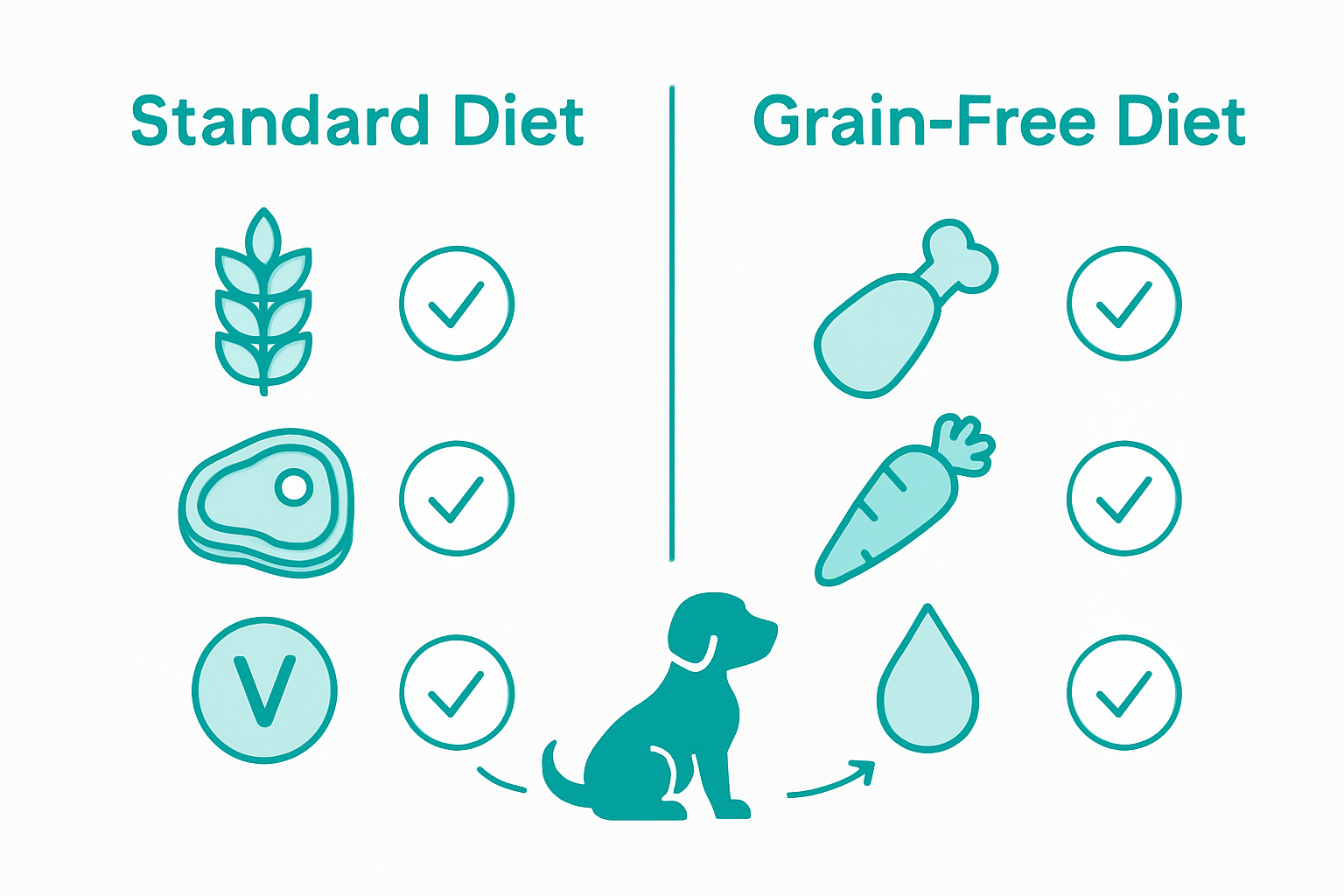
Natural, grain-free diets contribute to comprehensive puppy health beyond mere nutrition. These dietary approaches can support improved coat quality, enhanced immune function, and more stable energy levels. Protein sources from fresh, identifiable meats provide essential amino acids crucial for muscle development, while carefully selected plant-based ingredients offer crucial micronutrients and fibre. The elimination of artificial preservatives, colours, and fillers further reduces the risk of potential long-term health complications.
Our freshly prepared dog food embodies these nutritional principles through:
- Human-grade, freshly prepared meat ingredients
- Grain-free formulations
- Gentle cooking at 82°C to preserve nutrients
- Prebiotic support for digestive health
- Carefully balanced nutritional profiles
By selecting natural, grain-free nutrition, pet owners can provide their puppies with a diet that supports robust growth, optimal health, and long-term wellbeing.
Avoiding Common Puppy Feeding Mistakes
The BSAVA Guide to Nutrition in Small Animal Practice warns that puppy feeding involves intricate nutritional challenges where seemingly minor mistakes can significantly impact long-term health. Overfeeding emerges as a primary concern, with many pet owners misinterpreting puppy growth rates and inadvertently compromising their dog’s metabolic health through excessive calorie consumption.
Inconsistent feeding schedules represent another critical nutritional pitfall for puppy development. Puppies require structured, predictable meal times that support their rapid metabolic processes and help establish reliable digestive patterns. The Royal Veterinary College’s guidance emphasises the importance of maintaining regular feeding intervals, typically 3-4 times daily for young puppies, gradually transitioning to two meals as they mature. Frequent, small portions prevent metabolic stress and support steady energy distribution.
Nutritional diversity and quality remain paramount in avoiding potential feeding mistakes. Many pet owners mistakenly believe all commercial puppy foods provide equivalent nutritional value, overlooking crucial differences in ingredient sourcing, protein quality, and micronutrient composition. Potential errors include selecting foods with excessive grain content, artificial preservatives, or insufficient protein concentrations. Breed-specific nutritional requirements further complicate feeding strategies, with small and large breed puppies demanding distinctly different dietary approaches.
Our freshly prepared dog food addresses these common feeding challenges through:
- Precisely measured portion sizes
- Breed-specific nutritional profiles
- Human-grade, freshly prepared ingredients
- Gentle cooking at 82°C to preserve nutrients
- Prebiotic support for digestive health
By understanding and avoiding these common feeding mistakes, pet owners can provide their puppies with a nutritional foundation that supports robust growth, optimal health, and long-term wellbeing.
Build a Strong Start with Tailored Puppy Nutrition
Giving your puppy the right nutrition is essential for their healthy growth and development. This article highlights important nutritional needs such as balanced protein levels, controlled mineral content, and breed-specific diets. It also clears up common myths like overfeeding and the assumption that adult dog food suits puppies. If you want to avoid these feeding pitfalls and provide your puppy with a diet designed just for their stage and size, choosing the right fresh, grain-free food makes all the difference.
Discover our carefully crafted range at Try Our Grain Free Puppy Food - Optimal Health & Nutrition which offers:
- Balanced protein and fat ratios for growing puppies
- Gentle, nutrient-preserving cooking
- Recipes tailored to breed size and age
Start your puppy’s health journey today. Visit Ultimate Pet Foods to explore a premium selection of natural, grain-free dog foods. Make the informed choice now for a thriving, happy puppy and enjoy expert guidance on nutrition and feeding routines.
Frequently Asked Questions
What are the essential nutrients for puppy growth?
Puppies require essential nutrients such as high-quality protein, balanced minerals (particularly calcium and phosphorus), and healthy fats. Protein should constitute 22-32% of their diet, while fat content should range from 10-25% to support energy and neurological development.
How does breed size affect a puppy’s nutritional needs?
Breed size significantly influences nutritional requirements. Small breed puppies need nutrient-dense foods for their high metabolism, requiring several small meals daily. In contrast, large breed puppies need controlled nutrition to prevent rapid growth that could stress their joints.
What common puppy feeding mistakes should I avoid?
Avoid overfeeding, which can lead to obesity and developmental issues. Maintain consistent feeding schedules, providing 3-4 meals daily for young puppies. Ensure the nutritional quality of puppy food by selecting options with high protein content and avoiding excessive grains or artificial ingredients.
What are the benefits of grain-free diets for puppies?
Grain-free diets can benefit puppies with sensitive digestive systems or food allergies by replacing grains with alternative carbohydrates. They support improved digestion, better coat quality, and stable energy levels while providing essential amino acids from high-quality meat sources.
Recommended
- 7 Essential Tips for Choosing Natural Dog Food for Puppies – Ultimate Pet Foods
- 7 Best Dog Food for Puppies: Essential Guide for Owners – Ultimate Pet Foods
- Portion Sizes for Puppies: Your Step-By-Step Feeding Guide
- Puppy Feeding Tips for Healthier, Happier Pets
- How to Care for Puppies: Expert Tips for Safe, Happy Dogs in 2025 – iPupPee